Why Energy-Efficient Homes Sell Faster and for More
12 August 2026
There is a quiet shift happening in the way buyers walk through a house. They no longer just run their fingers along the countertops or open closet doors to check for depth. They ask about the windows. They ask about the furnace. They ask to see the last twelve months of utility bills. And when they do, the conversation changes from square footage to something far more personal: the cost of living in that space, day after day, month after month.
Energy efficiency has moved from a niche selling point to a core driver of real estate value. It is not a trend or a green lifestyle statement anymore. It is a financial reality that buyers have started to calculate into their offers, sometimes without even realizing it. The homes that perform well on energy metrics are not just nicer to live in. They are more marketable, they spend less time on the market, and they command a premium that is often larger than the cost of the upgrades themselves.
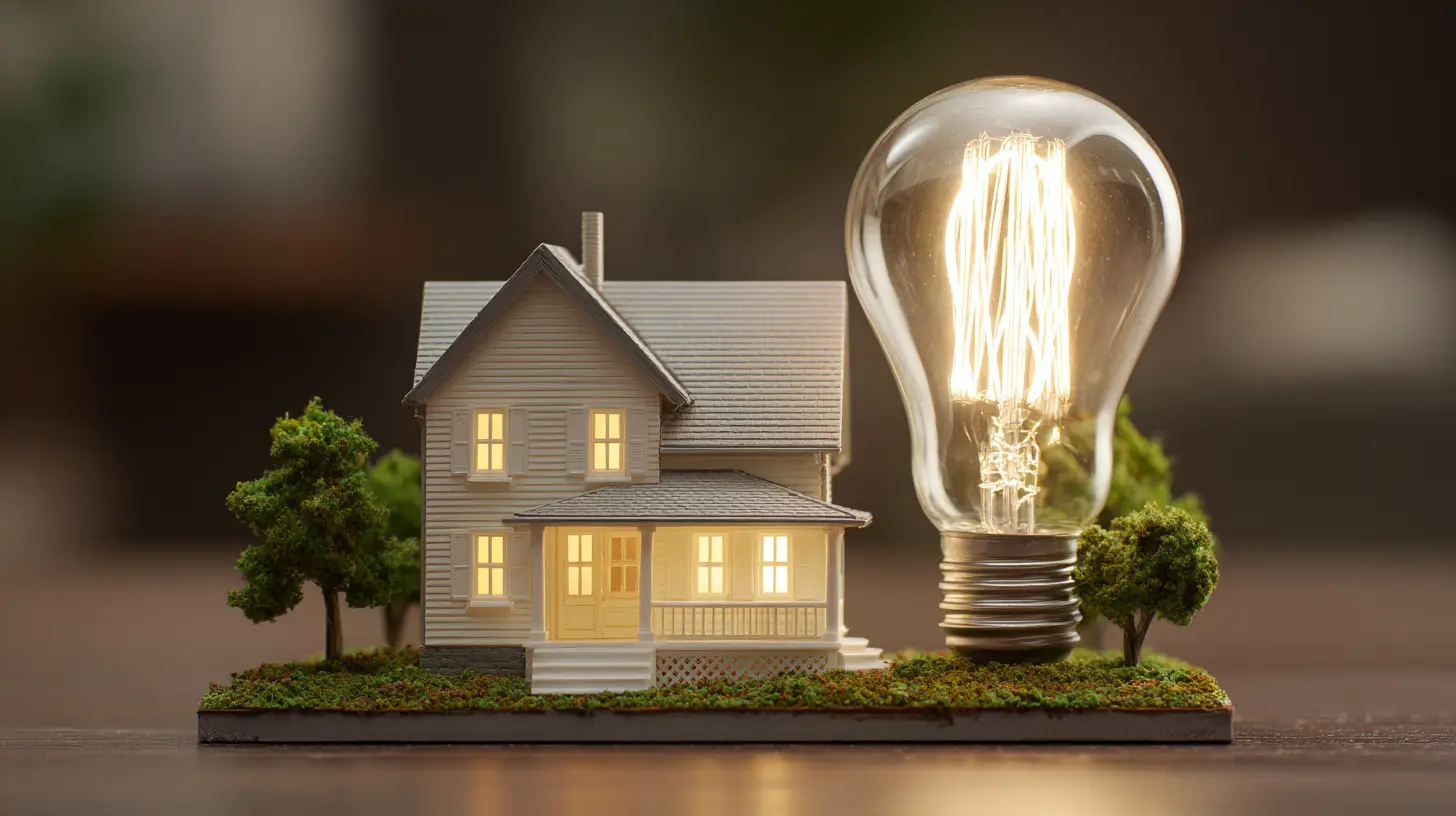
The Math That Buyers Are Doing in Their Heads
When a buyer stands in a living room, they are not just seeing the vaulted ceiling and the oak floors. They are imagining the heating bill in January. They are mentally adding up what it will cost to keep that space comfortable through a summer of 95-degree days. The more efficient the home, the smaller those numbers become, and the more confident the buyer feels about making an offer that stretches their budget.This is not about altruism or saving the planet, though that matters to some. It is about predictability. An energy-efficient home removes a layer of uncertainty. The buyer knows that the monthly carrying cost will be lower, so they can afford a slightly higher mortgage payment. That is the key mechanism behind why these homes sell for more. The premium is not a donation to the seller. It is a transfer of future savings from the utility company to the homeowner, capitalized into the sale price.
Consider two identical houses on the same street. One has original single-pane windows, an aging boiler, and no insulation in the attic. The other has triple-pane glass, a heat pump, and a well-sealed envelope. The second home might cost 15 to 25 thousand dollars more to build or renovate. But the buyer of the first home will pay an extra 300 to 500 dollars a month in energy costs. Over a thirty-year mortgage, that is over one hundred thousand dollars. A savvy buyer will happily pay twenty thousand more upfront to avoid that kind of bleed. That is the simple arithmetic that drives the premium.

The Appraisal Problem and How It Is Changing
For a long time, appraisers struggled with energy efficiency because they had no comparable sales to point to. A home with solar panels or a high-efficiency HVAC system did not have a line item in the standard appraisal form. The value was real, but it was invisible. That has changed in recent years, but not uniformly.Some appraisers still use the cost approach, which only adds the depreciated value of the equipment. That undervalues the performance. Others use the income approach, which is more relevant for rental properties but awkward for a single-family sale. The best appraisers now use the sales comparison approach with adjustments for energy features, but they need recent sales of similar efficient homes in the area. If you are the first net-zero house on your block, you will face a valuation gap.
This is a practical issue for sellers. You may have spent forty thousand dollars on a deep energy retrofit, but the appraiser might only credit twenty thousand of it because there is no local precedent. The buyer is willing to pay more, but the bank will not lend more than the appraised value. So the deal falls apart or the seller has to eat the difference.
The solution is preparation. Before listing, get an energy audit and a HERS rating. That gives you a document, not just a feeling. It tells the appraiser exactly how your home compares to a standard new build. It also gives the buyer's lender a concrete number to justify the higher price. In markets where energy ratings are common, like Austin or Portland, appraisers have begun to treat them like square footage or bedroom count. Where they are rare, you have to educate the appraiser yourself with data, not adjectives.

The Emotional Pull of Low Bills
There is a psychological component that often gets overlooked. Buyers are not purely rational. They are exhausted by the constant drumbeat of rising utility costs, and they are anxious about the future of energy prices. A home that promises lower bills offers relief, not just savings. It is a feeling of control in a world where so many costs feel arbitrary and outside of personal influence.This emotional factor speeds up the sale. A buyer who connects with a home on an emotional level is more likely to make a strong offer quickly. When that emotional connection is reinforced by a rational calculation, the deal moves faster. You are not waiting for the right buyer. You are waiting for the buyer who does the math and feels good about it. That buyer exists in every market, but they are especially common among first-time buyers and younger families who are more aware of climate risks and energy price volatility.
I have seen homes sit for months with beautiful kitchens and granite everywhere, while a modest home with a new heat pump and solar panels goes under contract in a week. The difference is not the aesthetics. It is the story. The efficient home tells a story of low maintenance, predictable costs, and modern living. The beautiful kitchen tells a story of dinner parties, which is lovely but does not pay the bills.
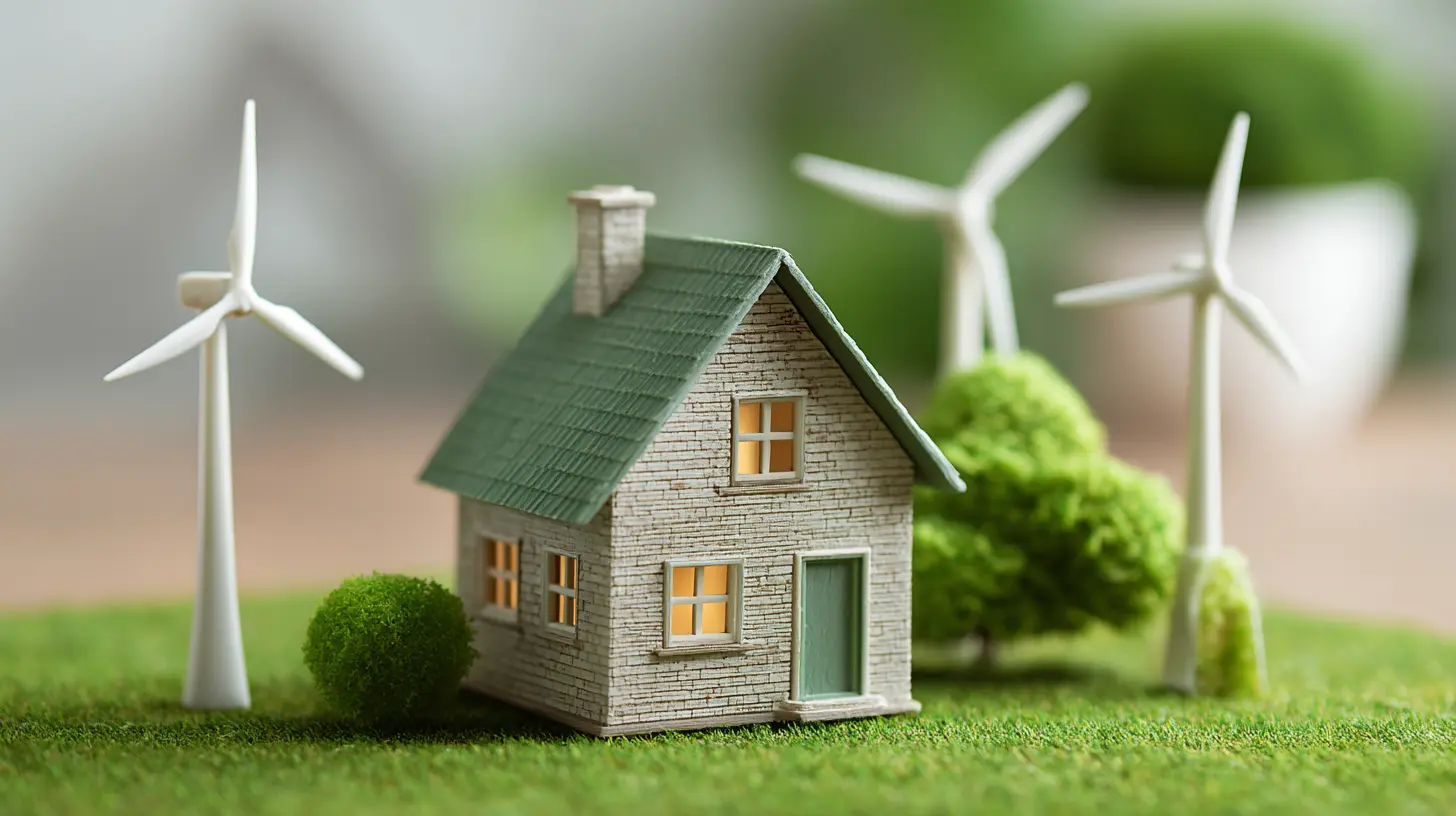
What Actually Moves the Needle
Not all efficiency features are created equal. Some have a dramatic impact on sale price, while others are barely noticed. The ones that matter most are the ones that show up in the utility bill and in the comfort of the space. Here is what to focus on if you are preparing a home for sale.The building envelope is the biggest lever. Insulation in the attic, air sealing around windows and doors, and high-performance glazing reduce heat loss in winter and heat gain in summer. These are invisible to the eye but immediately felt by the occupant. A home that stays at 72 degrees without the HVAC cycling constantly feels luxurious, even if the finishes are dated.
The heating and cooling system is the second biggest factor. A modern heat pump or a high-efficiency furnace is quiet, responsive, and cheap to run. But the age and condition matter more than the brand. A fifteen-year-old unit, even if it was top of the line when installed, is a liability. Buyers know that they will face replacement soon, and they will discount the offer accordingly.
Water heating is often forgotten, but it is the second largest energy expense in most homes. A tankless unit or a heat pump water heater can cut that cost in half. It is a relatively cheap upgrade, often under three thousand dollars, and it shows up clearly in the bills. It also adds a modern touch to the mechanical room, which is a place buyers actually look at if they are serious.
Windows are tricky. They are expensive to replace, and the payback period is long. But they are also the most visible efficiency feature. A buyer sees new windows and immediately assumes the home is well maintained. Even if the old windows were fine, the perception of new windows adds value. That is not rational, but it is real. If you cannot replace all the windows, replace the ones on the main floor and in the primary bedroom. Those are the ones that get noticed.
Solar panels are a different animal. They add value, but the amount depends heavily on the local market, the age of the system, and whether it is owned or leased. Owned systems add about four percent to the sale price on average, but that can vary widely. Leased systems are a headache because the buyer has to take over the lease, which feels like debt. If you have a leased system, you may need to buy it out before listing to avoid scaring off buyers.
The Hidden Value of Certification
A home energy rating is like a credit score for your house. It gives buyers a way to compare apples to apples. The HERS index, for example, rates a home on a scale where 100 is a standard new build and 0 is a net-zero home. A home with a HERS score of 50 uses half the energy of a standard new build. That number is powerful because it is unambiguous.But certification only works if buyers know what it means. In markets where energy ratings are common, buyers ask for them. In markets where they are rare, you have to explain why your rating matters. This is where a good real estate agent becomes essential. The agent needs to be able to translate the technical data into a story about monthly savings and comfort. If the agent does not understand the rating, they will not sell it. They will just mention it in the listing and move on, and the value will be lost.
There is also the ENERGY STAR label for homes, which is a whole-house certification that is easier for buyers to understand. It is backed by the government, which gives it instant credibility. A home with an ENERGY STAR label has been third-party verified, so the buyer does not have to take the seller's word for it. That verification is worth money because it removes risk.
The Timing Factor
Energy-efficient homes do not just sell for more. They sell faster. This is a function of supply and demand. There is a limited pool of efficient homes in most markets, but a growing pool of buyers who want them. That imbalance creates competition, and competition leads to multiple offers and shorter days on market.The speed is also a result of the buyer pool being more serious. People who prioritize efficiency tend to be more organized and more pre-approved. They are not just browsing. They are looking for a specific set of features, and when they find them, they move quickly. A home with poor efficiency might appeal to a wide range of buyers, but many of them will hesitate because they are worried about the bills. That hesitation shows up as lowball offers and long negotiation periods.
There is an interesting seasonal component as well. In the winter, efficiency is immediately obvious because the heating bills are right there in the open. In the summer, the cooling costs take the spotlight. Listing an efficient home in the middle of a heat wave or a cold snap is a strategic advantage because the contrast with the neighboring homes is stark. The buyer walks into your home, feels the even temperature, hears the quiet HVAC, and knows that this house is different.
The Mistakes Sellers Make
One of the most common mistakes is over-improving for the neighborhood. If you put a fifty thousand dollar solar array on a home in a neighborhood where the median price is two hundred thousand, you will not get your money back. The buyers in that price range are not looking for solar. They are looking for a functional home at an affordable price. The solar becomes a bonus, not a driver of value.The opposite mistake is under-investing in the basics. A fresh coat of paint and new carpet will help you sell, but they will not help you sell for a premium. Buyers see through cosmetic fluff. They want substance. If you have a limited budget, spend it on the mechanicals and the insulation first, then use the leftover money on paint and flooring. The paint is what gets the buyer in the door, but the efficiency is what gets them to sign the contract.
Another mistake is failing to document the upgrades. Buyers are skeptical, and they should be. Anyone can claim that their home is efficient. But if you have the receipts, the audit report, and the warranty documents, you turn a claim into a fact. Put together a folder with all the documentation and leave it on the kitchen counter during showings. That small gesture signals that you are a serious seller who has nothing to hide.
There is also the misconception that efficiency is only for new homes. Retrofits can be just as valuable, if not more so, because they transform an older home into something that competes with new construction. The key is to do the work properly. Air sealing an old home without adding ventilation can create moisture problems. Adding insulation without addressing air leaks is a waste of money. This is not a DIY project for most people. Hire a professional energy auditor first, then prioritize the recommendations based on cost and impact.
The Buyer's Perspective
To understand why efficient homes sell faster, you have to step into the buyer's shoes. They are not just buying a house. They are buying a monthly budget. They are buying a future where they do not have to choose between comfort and groceries. They are buying peace of mind.For many buyers, especially those who are stretching to afford a home in a competitive market, the utility bill is the difference between making it and struggling. They have done the spreadsheets. They know that a three hundred dollar heating bill in January is not sustainable. They are looking for a home that gives them breathing room. When they find one, they will pay more for it because the total cost of ownership is lower.
This is the fundamental insight that many sellers miss. The purchase price is only the beginning. The cost of operating the home over time is what matters. A buyer who understands this will see a higher-priced efficient home as a bargain compared to a lower-priced inefficient home. The seller who can communicate this effectively will win.
The Future of Home Value
The market is moving in one direction. Building codes are getting stricter. Energy prices are rising. Climate concerns are becoming more mainstream. The next generation of buyers will not just prefer efficient homes. They will expect them. A home that is not efficient will be seen as outdated, like a house with no central air conditioning or no internet connection.This means that investing in efficiency now is not just about the current sale. It is about protecting the future value of the asset. A home that is efficient today will still be relevant in twenty years. A home that is not will face an increasingly difficult market. The gap between efficient and inefficient homes will continue to widen, not because of regulation alone, but because of buyer preference.
There are also policy factors at play. Some states and municipalities are considering mandatory energy disclosure at the time of sale. That means sellers will have to provide a report card for their home's energy performance. When that happens, the market will become more transparent, and the premium for efficiency will become even more pronounced. Sellers who have already made the upgrades will benefit. Sellers who have not will be at a disadvantage.
Practical Steps Before You List
If you are thinking about selling, start with an energy audit. This will cost a few hundred dollars, but it will tell you exactly where you stand. The auditor will use a blower door test to measure air leakage and an infrared camera to find missing insulation. The report will give you a prioritized list of improvements, ranked by cost and impact.You do not have to do everything. Focus on the items with the shortest payback period and the highest visibility. Air sealing is usually the cheapest and most effective. Adding insulation to the attic is next. Replacing an old water heater is a quick win. Upgrading the HVAC is more expensive but worth it if the current unit is near the end of its life.
Once the work is done, get a follow-up audit to document the improvement. Keep all the paperwork. When you list the home, provide the audit report to your agent and make it available to potential buyers. Do not wait for them to ask. Put it in the listing description. Mention it in the open house. Make it part of the story.
The Bottom Line
Energy efficiency is not a luxury feature anymore. It is a fundamental part of what makes a home valuable and desirable. Buyers are smarter, more informed, and more cost-conscious than ever. They have access to data that was not available a decade ago, and they use it to make better decisions. Homes that perform well on energy metrics are rewarded with faster sales and higher prices. Homes that do not are increasingly left behind.The sellers who understand this are not just lucky. They are prepared. They have done the work, documented the results, and positioned their home as a smart investment rather than just a place to live. That is the difference between a home that sells in a week and one that lingers for months. It is the difference between asking for a premium and getting it.
all images in this post were generated using AI tools
Category:
Home Energy EfficiencyAuthor:

Camila King
Discussion
rate this article
1 comments
Asher Rogers
Energy-efficient homes attract buyers with lower utility costs and a smaller carbon footprint, making them more desirable and valuable.
August 12, 2026 at 2:32 AM