How Remote Work is Influencing Urban Property Trends
18 December 2025
If someone had told us five years ago that working in pajamas from the comfort of home would upend the real estate market, we probably would’ve laughed. Yet here we are, in a world where remote work has rewritten the rules—not only for how we work but also for where we live. From city skylines to suburban neighborhoods, the shift to remote work has left its unmistakable mark. But what exactly is happening? Let’s dig into how this new way of working is influencing urban property trends in fascinating and unexpected ways.
The Remote Work Revolution: A Quick Recap
Remember when most people's work-life balance consisted of rushed coffee runs, traffic jams, and the occasional lunchtime stroll? Remote work has flipped that script entirely. Thanks to advancements in technology and a pandemic-induced push, remote work isn't just a trend anymore—it's the new normal. Suddenly, the workplace is no longer tied to office cubicles or conference rooms.This newfound flexibility has rippled through nearly every aspect of life, and it hasn’t spared real estate. With the ability to work from anywhere, people are making decisions about where to live based on new priorities, and the urban property market is feeling those tectonic shifts. 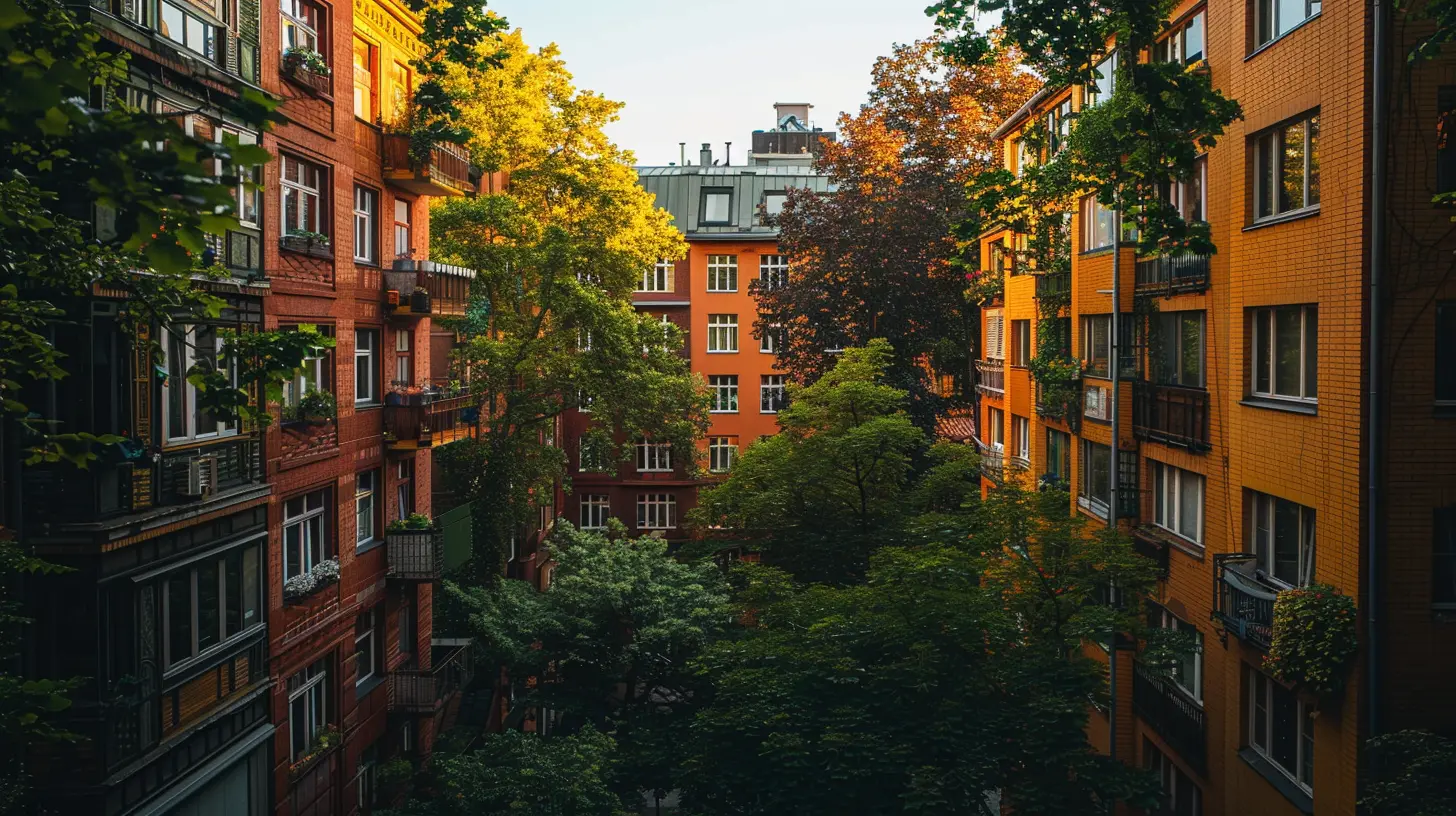
The Urban Exodus: Are Cities Losing Their Charm?
Let’s address the elephant in the room—are people leaving cities because they can work remotely? Yes, but it’s not quite that simple. Big cities like New York, San Francisco, and London saw an initial wave of departures during the pandemic. People realized they didn’t need to pay sky-high rents or mortgages just to be close to work.Why stay in a cramped apartment in the city when you could trade it for a spacious home in the suburbs? Remote work has reshuffled the deck, making smaller towns and suburbs more attractive. These areas often offer more bang for your buck: bigger homes, outdoor spaces, and a slower pace of life.
But don’t start writing off cities just yet. Many are starting to bounce back as they adapt to the remote-work era. Cities are investing in green spaces, walkable neighborhoods, and amenities that cater to a more flexible lifestyle. So, while the urban population might not look quite the same, cities are far from obsolete. 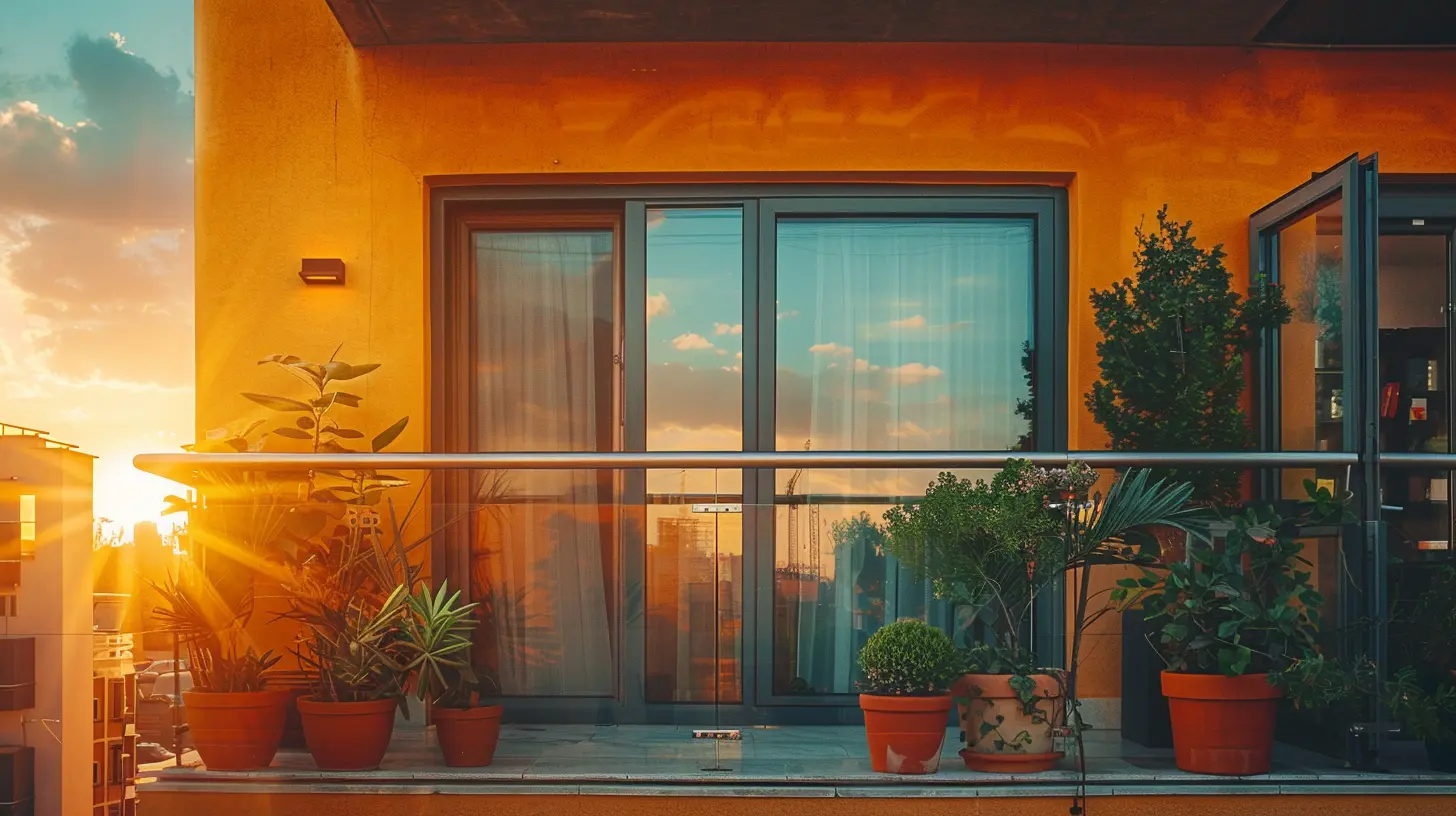
Suburbs Are Thriving: The Rebirth of the "White Picket Fence"
For decades, suburban living was seen as a hallmark of the American Dream (or its equivalent in other countries). Then came the era of urbanization, and the suburbs started to lose their shine. But guess what? They’re back in style, thanks to remote work.With people no longer tethered to downtown office towers, suburban areas are booming. Families are drawn to the larger homes, yards, and community feel that suburbs offer. And it’s not just families—young professionals are also trading their studio apartments for townhouses or single-family homes.
Of course, this sudden interest has driven up prices in many suburban areas. Affordable homes are selling like hotcakes, and bidding wars are becoming the norm. But despite the competition, the suburbs are experiencing a renaissance, and remote work is their biggest cheerleader. 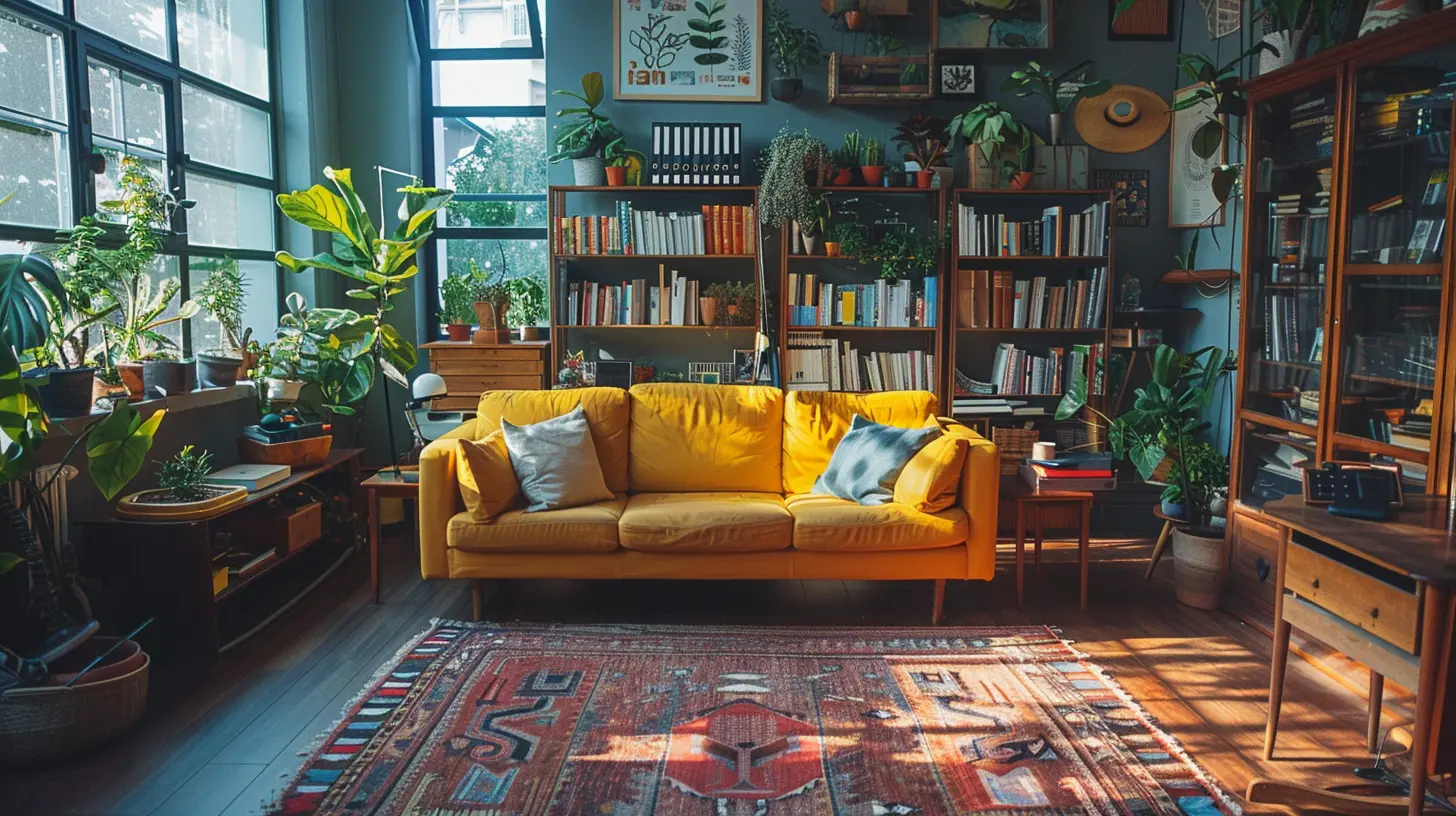
Co-Working Spaces: The City’s Secret Weapon
Even though remote work offers unmatched freedom, let’s be real—it’s not always rainbows and butterflies. Working from home can be isolating, and not everyone has a designated home office. Enter co-working spaces, the middle ground between remote work and traditional office setups.To keep urban living relevant, cities are leaning heavily into the co-working trend. These flexible workspaces are popping up everywhere, from sleek skyscrapers to repurposed warehouses. They provide a sense of community and give remote workers a place to be productive without the distractions of home.
For urban property developers, this has opened up a whole new market. Commercial spaces that were once designed for traditional offices are being transformed into co-working hubs, breathing new life into the urban landscape.
A Shift in Property Design: The Rise of the Home Office
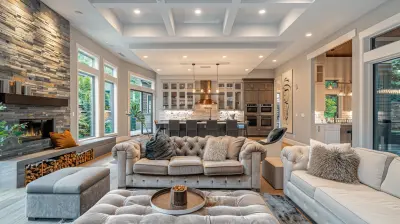
Remember when buying a house meant asking about the number of bedrooms, bathrooms, and maybe a backyard? These days, there’s a new must-have on the list—a home office.Remote work has shifted buyer preferences in a big way. Home offices or flexible spaces that can double as work areas are in high demand. Properties offering good natural light, soundproof rooms, and strong Wi-Fi connections are flying off the market.
Even in urban apartments, the trend is visible. Developers are reconfiguring layouts to include work-from-home setups. Open-plan designs are out; functional, private spaces are in. It’s a clear sign that remote work is reshaping how we define a “dream home.”
Urban Property Prices: Volatile or Steady?
Here’s a tricky one: how is all this impacting property prices in urban areas? The answer depends on where you’re looking.Cities that were traditionally expensive have seen some cooling off, as people migrate to more affordable areas. However, this dip in prices doesn’t mean city properties are suddenly cheap. Demand remains, particularly in cities that have adapted well to the remote-work wave.
On the flip side, smaller cities and suburban areas are seeing rapid price increases. With more people willing to settle there, competition has driven up prices. So while urban property trends are evolving, the overall market remains a mixed bag.
Environmental and Lifestyle Impacts
Let’s not overlook the environmental angle. Remote work has reduced commuting, which is great news for carbon emissions. Urban areas are responding by prioritizing eco-friendly development. Think bike lanes, electric vehicle charging stations, and sustainable building materials.Lifestyle preferences are also shifting. With more time spent at home, people are placing higher value on nearby amenities, outdoor spaces, and quality-of-life factors. Cities that embrace these changes are more likely to stay relevant in this remote-work era.
The Future of Urban Properties: A Balancing Act
So, where does this leave us? The future of urban property is a balancing act. As remote work becomes a permanent fixture, people’s housing needs and preferences will continue to evolve.Cities that adapt to these changes—whether through flexible workspaces, greener environments, or community-focused developments—will remain competitive. Meanwhile, suburban and rural areas will keep thriving as they attract those in search of space and affordability.
The key takeaway? Remote work isn’t killing cities. It’s just redefining them. Urban areas may look different in the years to come, but they’ll still be hubs of culture, innovation, and opportunity.
Final Thoughts
Change is the only constant, and the shift to remote work is a shining example. It’s transforming the way we live, work, and invest in property. Whether you’re a city dweller, a suburbanite, or somewhere in between, understanding these trends can help you make better decisions about where to put down roots.Oh, and if you’re in the market for a home, don’t forget to ask about that home office. Trust me, it’s the new “must-have.
all images in this post were generated using AI tools
Category:
Urban LivingAuthor:

Camila King
Discussion
rate this article
2 comments
Otis Jenkins
Remote work is reshaping urban property trends, driving demand for flexible living spaces and suburban homes. This shift reflects a desire for balance between work, leisure, and quality of life.
December 18, 2025 at 9:43 PM
Camila King
Absolutely! Remote work is indeed transforming urban property trends, leading to increased demand for flexible living spaces and suburban homes, as people seek a better balance between their professional and personal lives.
Natalia McKinstry
Great insights! It's fascinating to see how remote work reshapes urban living and property trends!
December 18, 2025 at 12:50 PM
Camila King
Thank you! I’m glad you found it insightful. Remote work is indeed transforming urban landscapes in exciting ways!