What to Expect from Urban Housing Developments in 2027
20 April 2026
Let’s be honest—the way we live in cities is on the cusp of a revolution. The urban landscapes of just a few years ago are already feeling like relics, and the pace of change is only accelerating. If you’re thinking about buying a home, investing in property, or simply wondering where the future of city living is headed, you need to look ahead. So, what will urban housing developments look like in 2027? It’s not just about new paint and smarter appliances. We’re talking about a fundamental reshaping of the concept of “home” within the city fabric. By 2027, urban housing will be greener, smarter, more flexible, and more community-focused than you ever imagined. Buckle up; we’re diving into the concrete jungle of tomorrow.
The Green Metropolis: Sustainability as Standard, Not a Premium
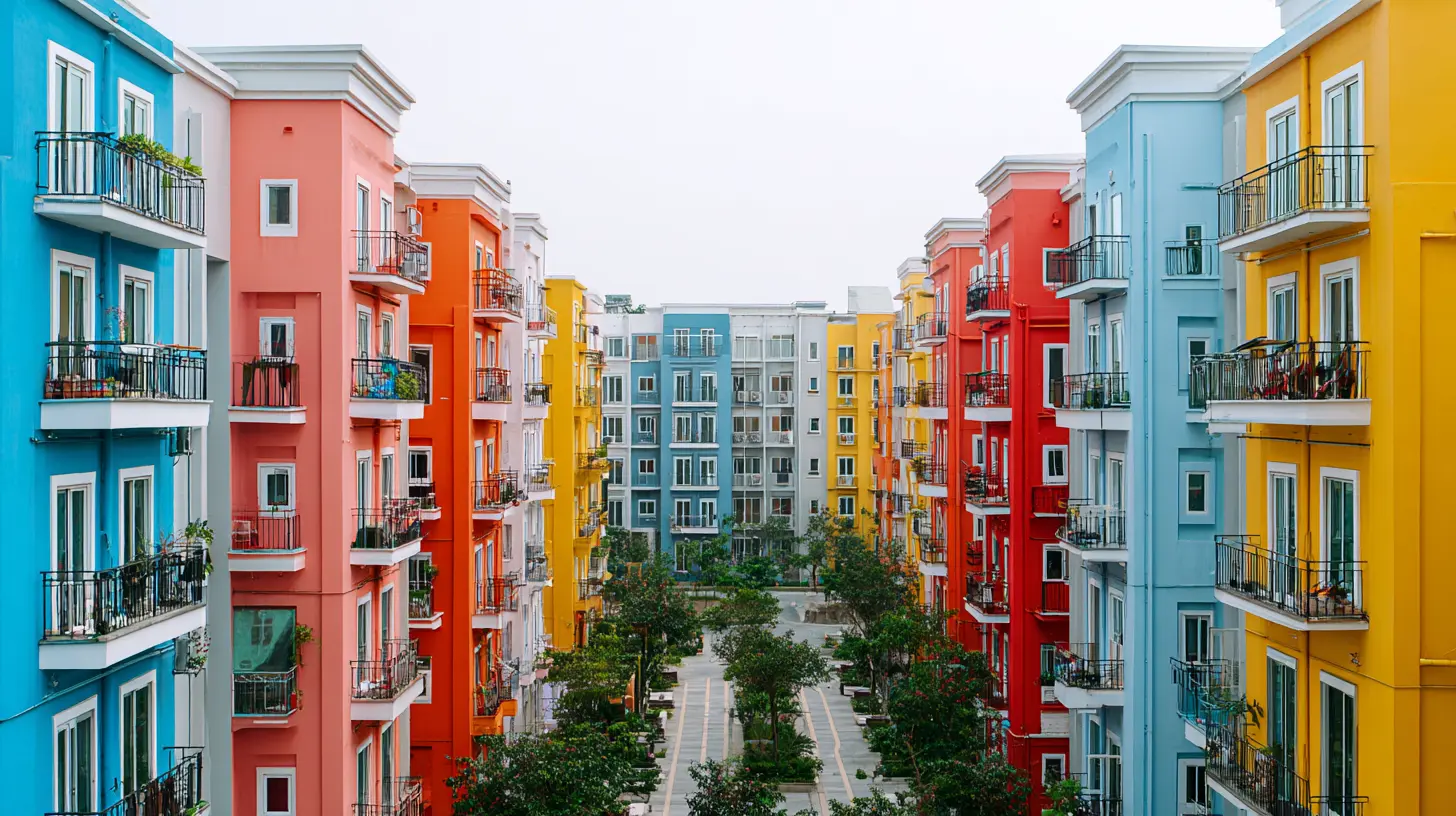
Forget the token rooftop garden or the optional solar panel add-on. By 2027, sustainable urban living won’t be a marketing buzzword—it will be the non-negotiable foundation of every new development. Building codes, buyer demand, and plain old economic sense will fuse to make eco-conscious design the default.We’re moving beyond simple energy efficiency. Think of future developments as self-sustaining urban ecosystems. Expect to see widespread adoption of circular economy principles right at the building level. This means rainwater harvesting and greywater recycling systems will be as standard as plumbing is today. Your shower water might just help irrigate the building’s vertical farm. Speaking of which, integrated aeroponics and hydroponics will turn balconies, facades, and communal spaces into productive food sources. That fresh basil for your dinner? It’s growing on your own living wall.
The materials will tell a new story, too. Carbon-negative concrete, mass timber from sustainably managed forests, and upcycled construction waste will be the norm. These buildings won’t just have a smaller footprint; they’ll actively work to heal the urban environment. The goal? Net-positive urban developments that give back more to the grid and the community than they take.
The AI-Powered Habitat: Your Home Gets a Brain (and a Heart)
If you think today’s smart homes are clever, wait until you meet your 2027 residence. The “smart home” will evolve into the “anticipatory habitat.” Artificial Intelligence will move from performing tasks to understanding context and predicting needs. It’s the difference between a butler who waits for orders and one who has your slippers and tea ready the moment you think you might want them.Your dwelling will learn your rhythms. It will optimize energy use room-by-room in real-time, not just on a schedule. It will pre-heat the bathroom floor before your morning alarm goes off because it knows your routine. But it’s deeper than comfort. Predictive maintenance will be huge. Your apartment’s AI will diagnose a potential fault in the HVAC system weeks before it fails, automatically scheduling a repair with building management—saving you hassle and preventing larger damage.
Crucially, this tech will be ambient and integrated, not a collection of disparate apps. It will focus on enhancing well-being, monitoring air quality, light spectrum, and acoustics to create the optimal environment for sleep, focus, or relaxation. The interface? Largely voice, gesture, and eventually, thought. The technology fades into the background, serving you seamlessly. Your home becomes a true partner in your daily life.
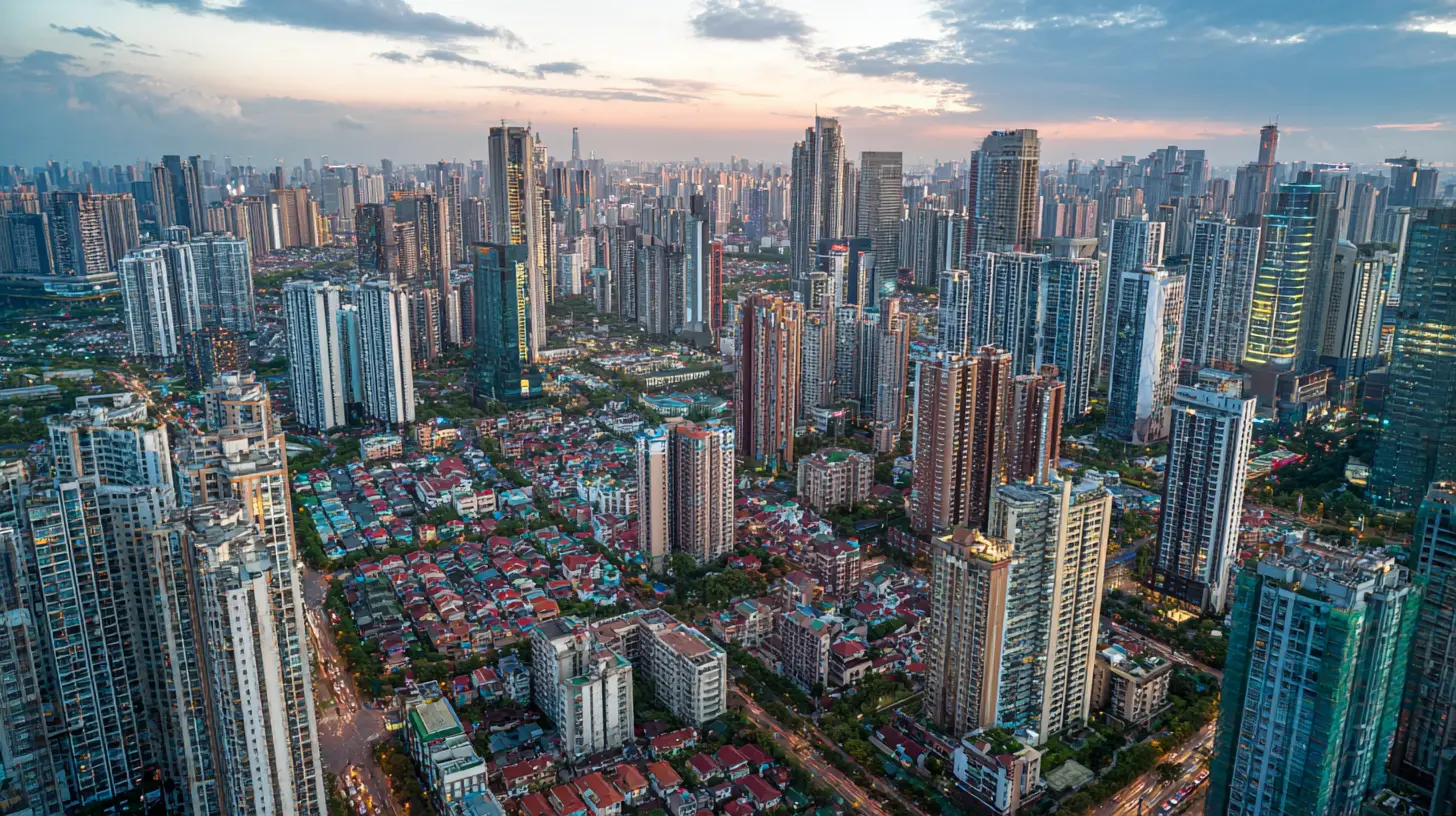
The Fluid Floorplan: Walls That Move and Spaces That Adapt
The pandemic taught us one undeniable lesson: our homes need to be versatile. The rigid, single-purpose rooms of the 20th century are obsolete. The 2027 urban home is a chameleon, designed for constant transformation.Adaptive architecture will use modular, movable wall systems (powered by quiet motors, not just elbow grease) to allow you to reconfigure your space daily. Need a private home office from 9 to 5? The walls slide out. Want a large, open entertaining space for the evening? They retreat. Your 700-square-foot apartment can functionally feel like a 1,000-square-foot loft or a cozy two-bedroom suite.
This extends to furniture. Transformative, multi-functional pieces will be standard. Your dining table descends into the floor to become a living area; your bed folds into the wall to reveal a fitness zone. It’s not about living smaller, but living smarter. Every square inch is programmed for maximum utility. This fluidity also caters to the rise of multi-generational living and remote work, allowing a single space to gracefully accommodate diverse needs without feeling cramped.
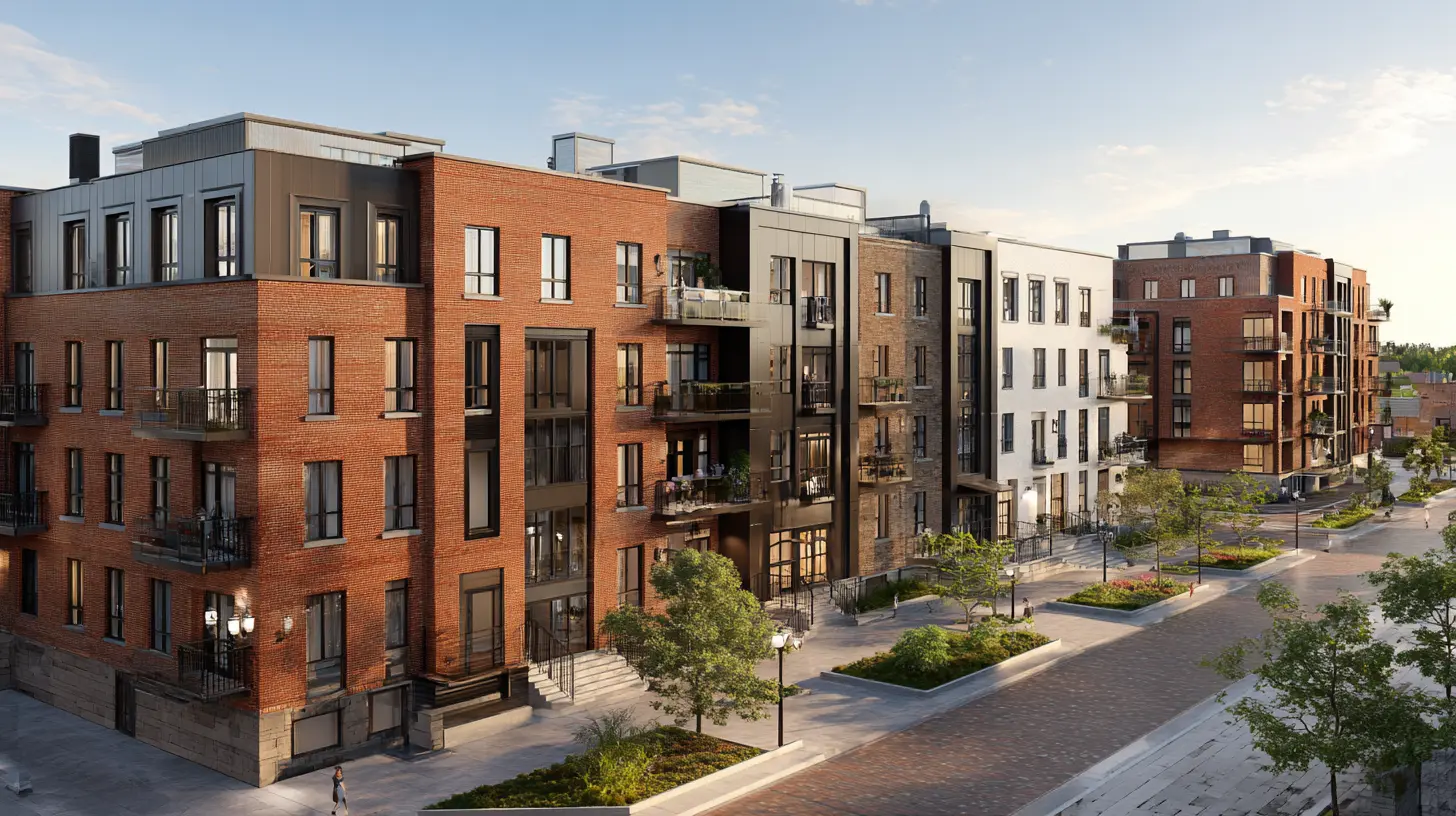
The 15-Minute City Fulfilled: Your Development Is Your Neighborhood
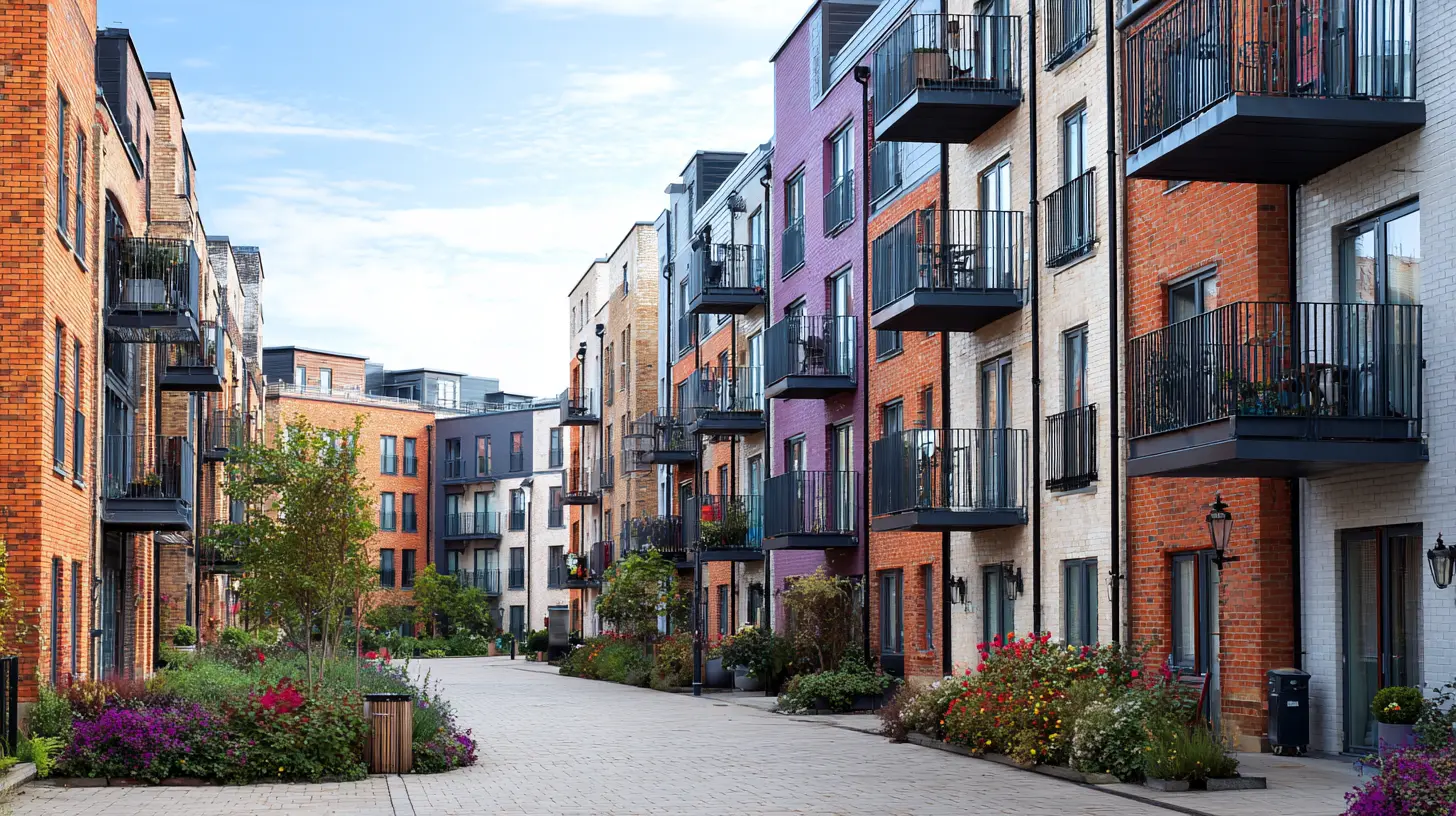
This is perhaps the most profound shift. Urban developments in 2027 won’t be isolated towers. They will be micro-districts, the essential building blocks of the “15-Minute City” model. The idea is simple: everything you need for daily life—work, food, leisure, healthcare, education—is within a 15-minute walk or bike ride.Developers will become community curators. The ground floors won’t just have vacant retail units hoping for a tenant. They will be purpose-built for a curated mix: a vertical farm grocer, a co-working hub, a primary care clinic, a childcare center, and a local artisanal workshop. Your apartment building becomes the center of your world. You’ll know your neighbors because you’ll share these amenities.
The car’s dominance will recede. Developments will feature mobility hubs instead of vast parking garages. Here, you’ll access shared electric vehicles, e-bikes, e-scooters, and have seamless integration with public transit apps. The space saved from parking will be given back to people as parks, plazas, and pedestrian pathways. Community will be designed in, not hoped for.
Wellness by Design: Buildings That Care for Your Mind and Body
Health-conscious living will be baked into the very bricks and mortar. We’re talking about biophilic design on steroids. It’s more than a few potted plants. It’s about creating a direct, immersive connection to nature within an urban setting.Expect to see atrium forests, internal climate-controlled courtyards with native plants and water features, and apartments designed around light and air flow. Advanced air filtration systems that eliminate pollutants and allergens will be standard. Circadian lighting that mimics the natural progression of daylight will regulate your sleep-wake cycle, boosting your mood and productivity.
Developments will include dedicated wellness infrastructure: not just a gym, but meditation pods, silent yoga studios, cold plunge pools, and spa-quality recovery rooms. The building itself becomes a tool for holistic health, fighting the stressors of urban life by offering a sanctuary that actively restores you.
The New Economics of Urban Living: Subscription Services and Shared Equity
How we pay for and access urban housing will also transform. The traditional model of “buy or rent” will be joined by flexible hybrids. Building-as-a-Service (BaaS) models might emerge, where you pay a monthly subscription for your apartment, which includes all utilities, maintenance, access to premium amenities, and even periodic upgrades to furniture and tech.We’ll also see a rise in community land trusts and shared-equity models embedded within developments. This is designed to tackle affordability head-on, ensuring that teachers, nurses, and artists can still live in the cities they serve. A portion of units in every new development might be earmarked for these innovative ownership structures, creating permanently affordable, economically diverse communities.
Furthermore, your home might become a micro-income generator. Your parking spot (if you have one) can be rented out via an app when you’re not using it. Your balcony solar panels could sell excess energy back to the building’s microgrid. Your apartment’s AI could manage these assets for you, turning your home into a small, smart economic unit.
The urban housing development of 2027 is a living, breathing, responsive entity. It’s a green machine, a thoughtful AI companion, a flexible shell, a community hub, a wellness center, and a smart financial asset—all rolled into one. It represents a decisive move away from housing as a passive container for life, toward housing as an active participant in it. The city of the future isn’t just a collection of taller buildings; it’s a network of smarter, kinder, more resilient neighborhoods. The revolution isn’t coming; it’s already being built. The question is, are you ready to live in it?
all images in this post were generated using AI tools
Category:
Urban HousingAuthor:

Camila King
Discussion
rate this article
2 comments
Jessamine Alvarez
In 2027, expect smart technology integration, sustainable designs, and community-focused amenities in urban housing developments.
April 28, 2026 at 10:45 AM
Camila King
Absolutely, the future of urban housing looks promising with a strong focus on sustainability and community. I'm excited to see how these innovations will reshape city living.
Holden Rodriguez
Urban housing developments in 2027 will prioritize sustainability, affordability, and smart technology integration to meet growing demands.
April 25, 2026 at 12:48 PM