Why Urban Living Will Dominate Housing Trends by 2026
27 April 2026
Let’s be honest: the suburbs had a good run. For decades, the dream was a white picket fence, a manicured lawn, and a two-car garage. But as we barrel toward 2026, something seismic is shifting in the housing market. Cities aren’t just bouncing back—they’re about to steal the show. Why? Because urban living is evolving into something more magnetic, more practical, and frankly, more exciting than ever before. If you’ve ever wondered whether the concrete jungle is calling your name, stick around. I’m going to unpack why the city life is not just surviving but thriving, and why it’s poised to dominate housing trends in just a couple of years.
The Great Urban Reawakening: Why 2026 Is the Tipping Point
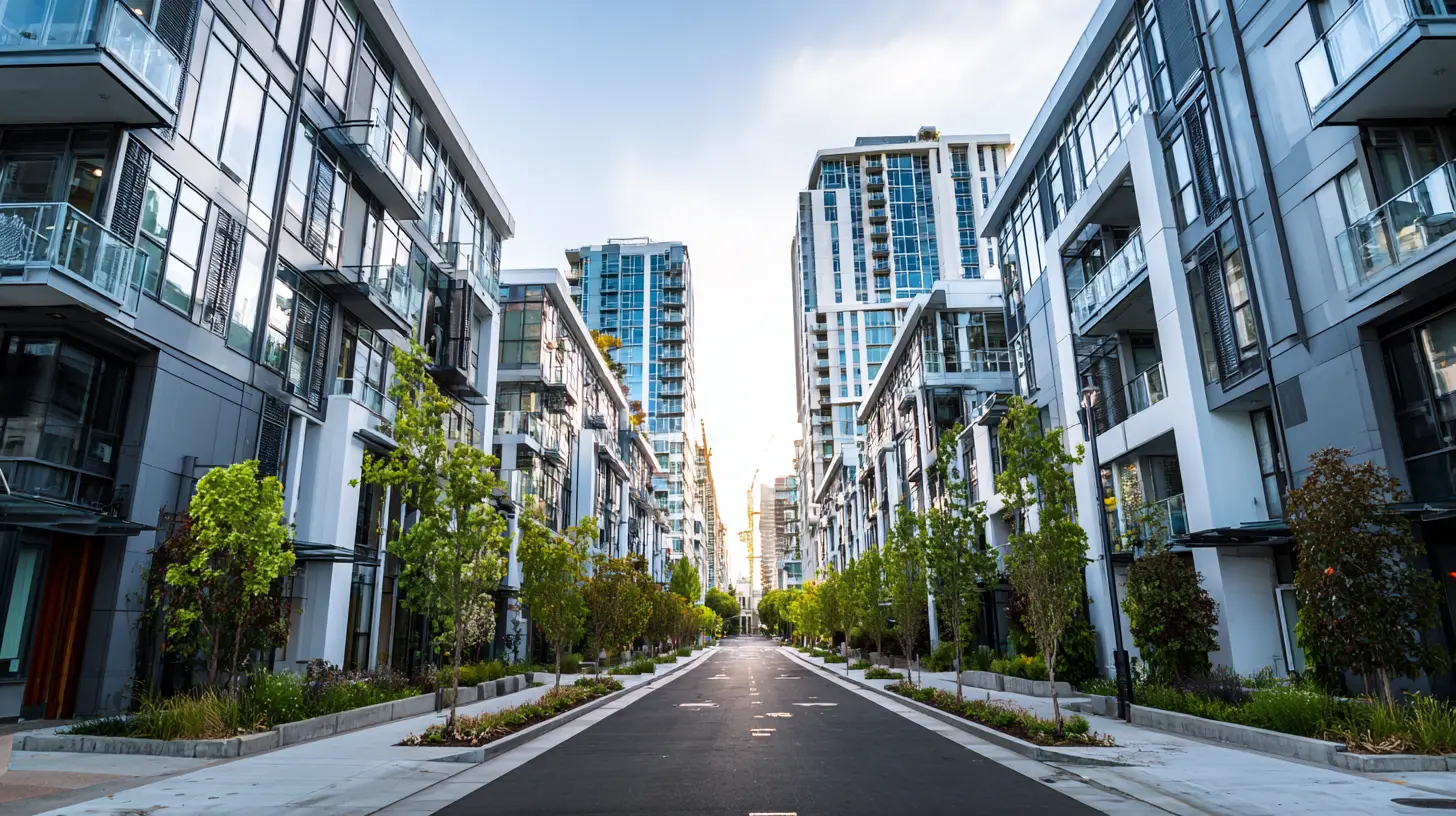
Remember the pandemic-era exodus? When everyone and their dog fled downtowns for spacious rentals in the boonies? That wave has crested, and now the tide is turning back. By 2026, we’re looking at what I like to call the "Great Urban Reawakening." It’s not just about nostalgia for city lights; it’s about a fundamental shift in how we value time, convenience, and community.Think of it like this: the suburbs were a safety blanket during a storm. But now that the skies are clearing, people are realizing that blanket was heavy, isolating, and expensive to maintain. The city, on the other hand, is like a Swiss Army knife—compact, multifunctional, and always ready for action. By 2026, housing trends will reflect this newfound appreciation for density and dynamism. Developers are already betting big on mixed-use spaces that blend living, working, and playing into one seamless experience. Why commute for an hour when your office, gym, and favorite coffee shop are all within a ten-minute walk?
The Rise of the "15-Minute City"
You’ve probably heard this buzzword floating around, but let’s make it real. The "15-minute city" concept—where everything you need is a short walk or bike ride away—isn’t just a utopian dream; it’s becoming a blueprint for urban planners. By 2026, this model will reshape neighborhoods from Brooklyn to Berlin. Imagine stepping out your door and hitting a grocery store, a park, a co-working space, and a transit hub without ever touching a steering wheel.This isn’t just about convenience; it’s about reclaiming your time. How many hours have you wasted in traffic, staring at brake lights? Urban living in 2026 will say, "No more." It’s the ultimate hustle hack: live where the action is, and you get your life back. For homeowners, this means property values in walkable districts will skyrocket. For renters, it means paying a premium for location, but saving a fortune on car payments and gas. It’s a trade-off that makes perfect sense when you crunch the numbers.
The Gen Z and Millennial Migration: A Demographic Power Shift
Let’s talk about the real drivers of this trend: the generations that don’t just tolerate cities but crave them. Gen Z and millennials are the largest demographic cohorts in history, and their preferences are rewriting the rulebook. By 2026, these groups will dominate the housing market, and guess what? They don’t want a three-bedroom ranch in the exurbs. They want sleek studios, co-living spaces, and high-rise condos with rooftop gardens.Why? Because they grew up digital. They value experiences over square footage. A sprawling lawn means nothing if you’re too tired to mow it. Instead, they’re asking, "Can I walk to a brewery? Is there a dog park nearby? Does my apartment have a co-working lounge?" Cities deliver on these questions in spades. It’s like comparing a flip phone to a smartphone: the suburbs offer basic functionality, but the city is an ecosystem of possibilities.
The Remote Work Revolution: Urban Edition
Wait—doesn’t remote work kill the need for cities? That was the initial assumption, but the reality is more nuanced. Yes, you can work from a cabin in the woods. But by 2026, most hybrid workers will realize that isolation is overrated. Humans are social creatures. We thrive on serendipitous encounters—the neighbor you meet in the elevator, the barista who knows your order, the impromptu networking at a rooftop event.Cities are leaning into this by offering "live-work-play" buildings. Picture a high-rise where your apartment is three floors above a shared office, with a gym and a speakeasy on the ground level. It’s not just a home; it’s a lifestyle hub. This is why urban housing will dominate: it adapts to how we actually live, not how we think we should live. By 2026, developers who ignore this hybrid reality will be left in the dust.
The Economic Case for Urban Housing: It’s Cheaper Than You Think
Let’s bust a myth: living in the city is always more expensive. Sure, rent per square foot is higher, but when you factor in the hidden costs of suburban life, the math flips. Think about it. In the suburbs, you need a car (or two), insurance, gas, maintenance, parking, and tolls. That’s easily $500–$1,000 per month. Add in the time cost of commuting—say, 10 hours a week—and suddenly that "cheap" suburban house isn’t so cheap.Urban living, by contrast, lets you ditch the car entirely. Many cities are investing in bike lanes, e-scooter rentals, and robust public transit. By 2026, expect to see more "car-free" buildings where parking spots are replaced by bike storage and cargo-bike rentals. This isn’t just eco-friendly; it’s wallet-friendly. You can take that saved money and invest it in a better apartment, travel, or retirement. It’s a no-brainer when you look at the bigger picture.
The "Missing Middle" Housing Boom
One of the biggest reasons urban living will dominate is the rise of "missing middle" housing. That’s a fancy term for duplexes, triplexes, courtyard apartments, and townhomes—denser housing types that fit right into existing city neighborhoods. For decades, zoning laws favored single-family homes, but that’s changing fast. By 2026, cities from Minneapolis to Portland are rewriting rules to allow gentle density.This is huge for affordability. Instead of McMansions, we’ll see more "skinny homes" and "granny flats" that let people live closer to downtown without breaking the bank. It’s like adding more lanes to a highway instead of building a new road—it just makes sense. For buyers, this means more entry-level options in prime locations. For investors, it’s a goldmine. The urban housing stock is about to get a lot more diverse, and that’s exactly what the market needs.
Sustainability: The Green Advantage of Density
Let’s get real about the planet. If you care about climate change (and you should), urban living is the most sustainable choice. A dense city apartment uses far less energy per person than a detached home. Shared walls mean less heat loss. Shared transit means fewer emissions. By 2026, eco-conscious buyers will gravitate toward cities because they align with their values.But it’s not just about guilt; it’s about cool factor. New urban developments are leading the charge with net-zero buildings, green roofs, solar panels, and rainwater harvesting. Imagine living in a tower that produces its own energy and has a community garden on the 20th floor. That’s not a sci-fi fantasy; it’s happening now. By 2026, these features will be standard, not optional. And guess what? They increase property values. You’re not just saving the planet; you’re making a smart investment.
The "Third Place" Revival
Remember the concept of a "third place"—a spot that’s not home or work, but a social hub like a café, library, or park? Suburbs have struggled with this, leaving people isolated in their homes. Cities, on the other hand, are third-place factories. By 2026, housing trends will emphasize communal spaces within developments. Think: resident lounges, co-working nooks, rooftop bars, and even shared kitchens for cooking classes.This is especially important for single-person households, which are booming. By 2026, nearly 30% of homes will be occupied by solo dwellers. These folks don’t want to eat dinner alone every night. They want a building that feels like a built-in social network. Urban developers are catching on, designing "vertical neighborhoods" where you know your neighbors by name. It’s like a dorm for adults, but with better furniture and fewer fire alarms.
Tech Integration: The Smart City Advantage
Let’s talk tech. By 2026, urban living will be seamlessly integrated with smart home technology. We’re not just talking about voice assistants and smart thermostats. I’m talking about buildings that learn your preferences—adjusting lighting, temperature, and even music as you walk through the door. Package delivery drones? They’ll land on your balcony. Grocery orders? They’ll be stored in a secure, refrigerated locker in the lobby.This level of convenience is hard to replicate in a sprawling suburb. Cities have the infrastructure to support 5G, fiber optics, and IoT devices at scale. For a Gen Z buyer, a "dumb" house in the exurbs feels like a relic. The urban smart home is more than a trend; it’s a necessity. And by 2026, if your apartment doesn’t have a smart lock, a video doorbell, and an energy monitor, you’ll feel like you’re living in the Stone Age.
The Rent vs. Buy Calculus Shifts
One of the most exciting changes by 2026 is how the rent-versus-buy equation tilts in favor of urban ownership. With rising interest rates and high suburban prices, buying a single-family home is becoming a pipe dream for many. But urban condos and co-ops? They’re more accessible. Developers are offering "co-living ownership" models where you buy a share of a building and get a private suite plus shared amenities.This lowers the barrier to entry dramatically. It’s like joining a country club, but for housing. Instead of a 30-year mortgage on a house you’ll outgrow, you buy into a flexible, liquid asset. By 2026, expect to see more "fractional ownership" platforms that let you own a piece of a prime urban property without the full price tag. It’s democratizing real estate, and it’s beautiful.
The Cultural Pull: Cities as Creative Hubs
Let’s not forget the intangibles. Cities are where culture happens. The best restaurants, galleries, music venues, and festivals are concentrated in urban cores. By 2026, people will move back not just for jobs, but for the vibrancy. After years of Zoom fatigue, we crave real human connection. You can’t replicate the energy of a street fair or a live jazz show in a cul-de-sac.This cultural gravity is a powerful magnet for young professionals and empty nesters alike. Retirees, in particular, are ditching the suburbs for downtown condos that put them steps away from theaters and museums. It’s like swapping a rocking chair for a front-row seat at the show of life. And who wouldn’t want that?
The Safety Paradox: Urban Crime vs. Suburban Boredom
I’ll address the elephant in the room: safety. Yes, cities have higher crime rates than sleepy towns. But by 2026, the narrative is shifting. Urban areas are investing heavily in community policing, lighting, and design that prioritizes safety through "eyes on the street." Plus, the suburban dream isn’t as safe as it seems—car accidents, isolation-related mental health issues, and even home invasions are real risks.The trade-off is simple: in a city, you trade a false sense of security for a richer, more engaged life. By 2026, people will realize that the biggest risk is missing out on life’s best moments. Urban living isn’t reckless; it’s calculated bravery. And it pays off in experiences you’ll never forget.
Conclusion: The City Is Calling—Will You Answer?
So, here we are. By 2026, urban living won’t just be a trend; it’ll be the dominant paradigm. The reasons are clear: convenience, community, sustainability, tech, and culture all converge in the city. Whether you’re a first-time buyer, a downsizing retiree, or a savvy investor, the urban core offers the best return on investment—not just in dollars, but in quality of life.If you’ve been sitting on the fence, wondering if the suburbs are truly your destiny, take a hard look at what cities are becoming. They’re not the crowded, chaotic messes of yesteryear. They’re curated, efficient, and bursting with opportunity. By 2026, the smart money—and the smart life—will be in the city. Don’t get left behind.
all images in this post were generated using AI tools
Category:
Urban HousingAuthor:

Camila King
Discussion
rate this article
2 comments
Falkor Marks
Urban living is set to thrive by 2026, driven by a growing preference for convenience, walkable neighborhoods, and access to amenities. As remote work evolves, cities will attract more residents seeking vibrant lifestyles and community engagement, shaping the future of housing trends in urban environments.
May 6, 2026 at 4:02 AM
Camila King
You're spot on. The shift towards urban living is all about convenience and community. As we embrace new work styles, cities will definitely evolve to meet those needs. Exciting times ahead!
Annette Matthews
Urban living is not just a trend; it’s a vibrant lifestyle choice that fosters community and innovation. As we embrace this shift towards city life, let’s celebrate the opportunities it brings for connection, creativity, and a brighter future. Here’s to thriving in urban spaces!
April 29, 2026 at 2:51 AM
Camila King
Absolutely! Urban living indeed fuels connection and creativity, making city life an exciting choice for the future. Here's to all the possibilities ahead!