What Buyers Need to Know About Home Inspections Before Making an Offer
15 August 2026
The moment you find the right house, something shifts. You can already picture the mornings on the porch, the dinners in the kitchen, the quiet of the backyard. The emotional pull is strong, and that is exactly why the home inspection matters more than almost anything else you will do in the transaction. It is the one step that forces you to slow down and look at the house as a physical object, not a dream.
Most buyers think of the inspection as a formality, a box to check before the bank releases the keys. That is a costly misunderstanding. The inspection is your only chance to see behind the walls, under the floors, and above the ceilings before you commit to the largest purchase of your life. It is not a pass-fail test. It is a tool for decision-making, and how you use it will determine whether you are buying a home or a long-term project.
The True Purpose of a Home Inspection
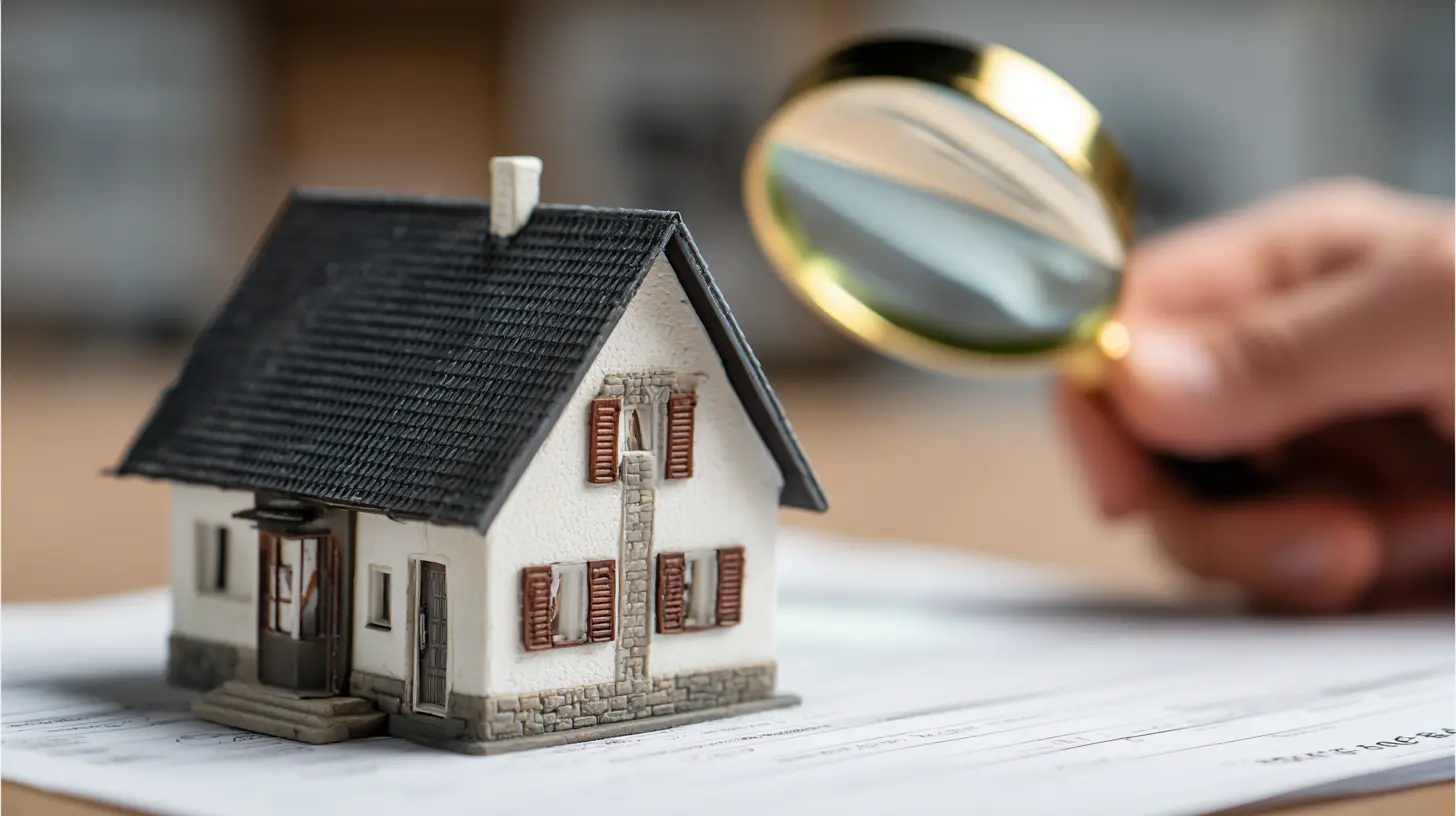
A home inspection is not a warranty. It is not a guarantee that nothing will break. It is a snapshot of the condition of the house at a specific moment in time, taken by a trained professional who looks at the major systems and components. The inspector checks the roof, the foundation, the electrical panel, the plumbing, the heating and cooling systems, the insulation, the windows, the doors, and the visible structure. They also note safety issues, like missing handrails or improperly installed smoke detectors.But here is what many buyers miss: the inspector is not there to tell you whether to buy the house. That decision is yours. The inspector gives you information. You provide the judgment. A house can have a long list of defects and still be the right home for you, if you understand the costs and the risks. Another house can have a clean report and still be a poor choice because of location, layout, or future maintenance needs that the inspector cannot see.
The inspector also cannot see everything. They do not move furniture. They do not cut into walls. They do not dig up the yard. They work with what is visible and accessible. That means the report you receive is limited by the conditions of the day. If it rained the night before, the inspector might notice a leak that would have been hidden in dry weather. If the sellers just painted the basement, the inspector might not see the water stains that were covered up. You are buying a partial picture, so you need to ask the right questions and use the report as a starting point, not an ending point.
When to Schedule the Inspection
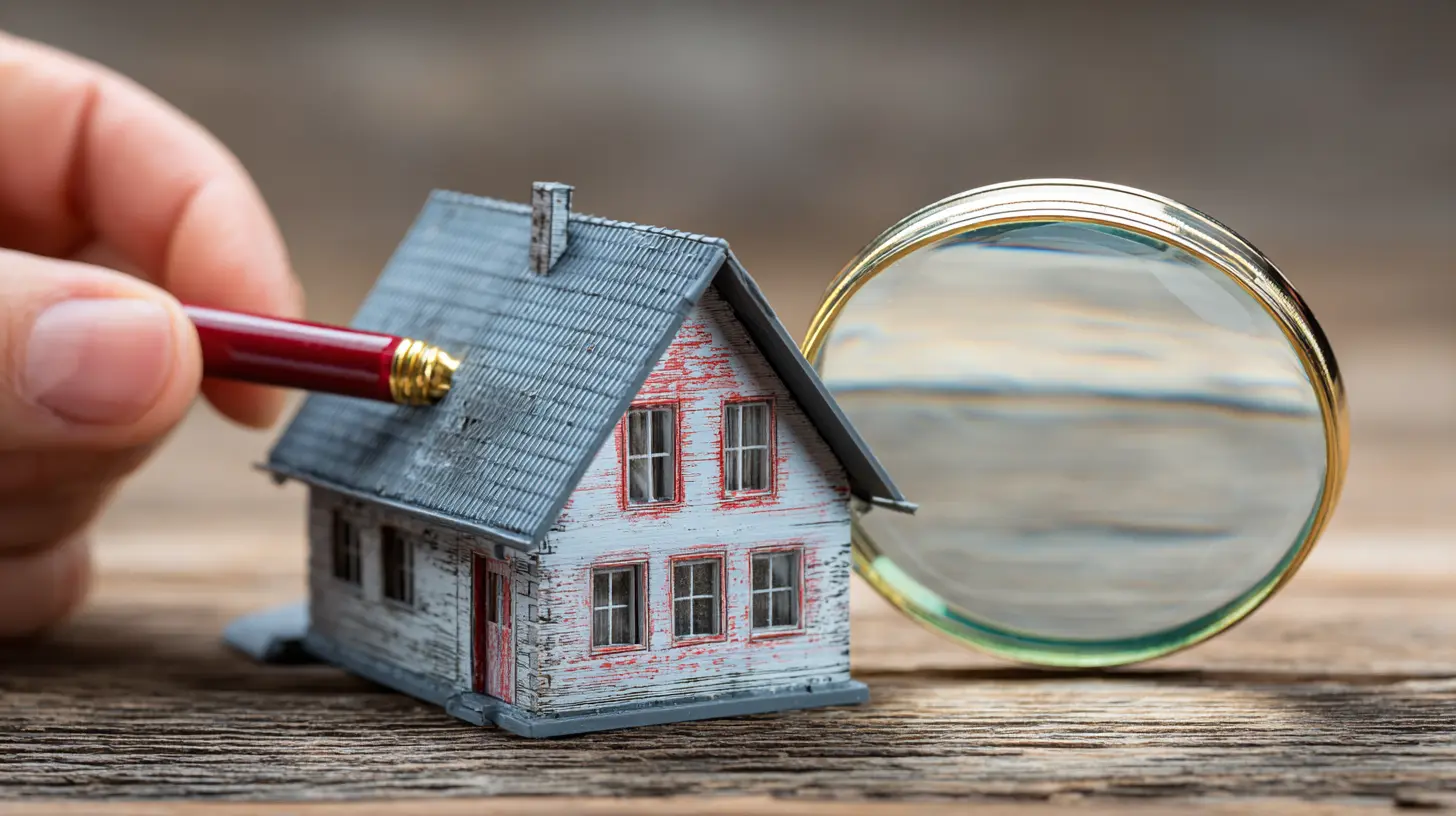
The timing of the inspection is a strategic decision that many buyers get wrong. The common approach is to wait until after the offer is accepted, which makes sense because you do not want to spend money on a house you might not get. But you also do not want to make an offer with no protection at all. The best practice is to include an inspection contingency in your offer, and then schedule the inspection as soon as possible after the seller accepts.The contingency is your escape hatch. It says that the purchase is contingent on the results of a professional inspection, and it gives you the right to negotiate repairs, request a credit, or walk away entirely if the findings are unacceptable. Without that contingency, you are buying the house as-is, no matter what the inspector finds. That is a risk that even experienced investors rarely take, and you should not take it either.
Some buyers try to save time by doing a quick walkthrough with a contractor before making the offer, thinking they can spot the obvious problems and avoid the cost of a full inspection. That is like reading the first chapter of a book and claiming you know the ending. A contractor might notice a cracked foundation or a missing gutter, but they will not check the electrical connections inside the panel or the slope of the drain lines. Those details matter, and they are exactly what a professional inspector is trained to find.

How to Choose the Right Inspector
The inspector you hire is more important than the inspection itself. A good inspector is thorough, methodical, and willing to explain what they see. A bad inspector might rush through the house in an hour, take a few photos, and hand you a generic report that could apply to any property. The difference between the two is the difference between a real diagnosis and a guess.Start by asking your real estate agent for recommendations, but do not stop there. Agents work with inspectors all the time, and they usually know who is reliable and who is not. However, keep in mind that agents have a financial interest in the deal closing. They want the sale to go through, so they might steer you toward an inspector who is known for being lenient. That is not always the case, but it is something to be aware of. You can also ask friends and family who have recently bought homes, or check online reviews from independent sources.
When you interview an inspector, ask about their credentials and experience. Are they licensed, if your state requires it? How many inspections have they done? Do they have experience with the type of house you are buying, such as an older home with knob-and-tube wiring or a newer house with a crawlspace? Do they use specialized tools like moisture meters and infrared cameras? The answers will tell you a lot about their approach.
You should also ask if you can attend the inspection. A good inspector will welcome your presence and encourage you to follow them around. This is your chance to see the house through their eyes and ask questions in real time. You will learn more in two hours on site than you will from a hundred pages of report. Some inspectors offer this freely, while others prefer to work alone and then review the findings with you. There is no right or wrong, but you should know what to expect before you hire anyone.

The Inspection Report: What to Look For
The report is the deliverable, and it can range from a simple checklist to a detailed document with photos, diagrams, and severity ratings. The format matters less than the content. You want a report that distinguishes between minor issues, major issues, and safety hazards. You want clear descriptions of what was found and where it was found, not vague statements like "evidence of moisture in basement." You want recommendations for further evaluation by a specialist when needed, such as a structural engineer or a licensed electrician.Read the report carefully, but do not panic at the first sign of trouble. Every house has issues. Even a brand-new construction will have a list of small defects, like a loose doorknob or a missing seal around a window. The question is not whether the house is perfect, but whether the problems are manageable. A cracked tile in the bathroom is cosmetic. A cracked foundation wall is structural. The difference is thousands of dollars, and the report should help you see that difference.
Pay special attention to the big-ticket items: roof, foundation, electrical, plumbing, and HVAC. These are the systems that cost the most to repair or replace, and they are the ones that can break the budget if you are not prepared. A roof that is near the end of its life might give you five more years, or it might give you one. A furnace that is twenty years old might keep running for a decade, or it might die next month. The inspector cannot predict the future, but they can tell you the age, condition, and estimated remaining life of each system. Use that information to plan your finances and your expectations.
The Most Common Mistakes Buyers Make
The first mistake is treating the inspection as a negotiating weapon rather than a learning tool. Some buyers go into the inspection hoping to find problems so they can lower the price. That approach backfires more often than not. Sellers know their homes, and they know what is likely to show up. If you come back with a list of trivial complaints, you lose credibility, and the seller might refuse to fix even the legitimate issues.The second mistake is ignoring the report after the inspection. You might be so relieved that the house is mostly sound that you skim the report and forget about the details. Months later, you discover that the water heater is on its last legs or that the attic insulation is inadequate. The report was right there, and you missed it. Treat the report as a maintenance manual. Keep it somewhere accessible and refer to it when you need to plan repairs or replacements.
The third mistake is waiving the inspection contingency to make your offer more competitive. In a hot market, some buyers do this to beat out other offers. They think they are being clever, but they are gambling with the biggest purchase of their lives. Unless you are a seasoned investor with deep pockets and a tolerance for risk, waiving the inspection is a terrible idea. You can still make a competitive offer by being flexible on closing dates or offering a higher earnest money deposit, without giving up your right to know what you are buying.
The fourth mistake is not following up on the inspector's recommendations. If the inspector says you should have a licensed contractor look at the electrical panel, do it. If they recommend a sewer scope, pay the extra hundred dollars and get it done. These follow-up evaluations are not optional extras. They are the logical next steps when the inspector finds something that needs a closer look. Skipping them is like ignoring a warning light on your dashboard and hoping it goes away.
Negotiating Repairs After the Inspection
Once you have the report, you have to decide what to do with it. You have three options: accept the house as-is, ask for repairs or credits, or walk away. The right choice depends on the severity of the issues, the condition of the market, and your own tolerance for risk and inconvenience.If the inspection reveals only minor issues, the best move is usually to accept them and move forward. Small things like a dripping faucet or a stuck window are not worth the hassle of renegotiating. You will fix them yourself after closing, and the cost will be minimal. Asking the seller to fix every tiny problem makes you look unreasonable, and it can derail the deal over a few hundred dollars.
If the inspection reveals major issues, you need to think strategically. A roof that needs replacement, a foundation that needs repair, or a furnace that is dead are all legitimate reasons to ask for concessions. The question is whether to ask for a price reduction or for the seller to make the repairs. A price reduction gives you control over the work and ensures that the repairs are done to your satisfaction. Having the seller handle the repairs can be convenient, but you have no guarantee of quality, and the seller may choose the cheapest contractor rather than the best one.
Before you make any demands, get estimates from licensed contractors. The inspector can give you a rough idea of the cost, but a contractor can give you a firm quote. Use those numbers to support your negotiation. If the roof replacement costs ten thousand dollars, ask for a credit of that amount or a reduction in the purchase price. Do not ask for more than the repairs actually cost, and do not ask for less than you need. You want a fair deal, not a windfall.
There is also the option of walking away. If the inspection reveals problems that are too extensive, too expensive, or too uncertain, you can terminate the contract and get your earnest money back. This is not a failure. It is a smart decision. You are better off losing a few hundred dollars on an inspection than buying a house that will drain your savings for years. The inspection contingency exists precisely for this reason, and you should not be afraid to use it.
The Sewer Scope and Other Optional Inspections
A standard home inspection covers a lot, but it does not cover everything. One of the most important optional inspections is the sewer scope, which involves sending a camera through the sewer line from the house to the street. This is not included in a typical inspection, and it is often overlooked by buyers. That is a mistake. A broken or clogged sewer line can cost thousands of dollars to repair, and it is not something you will notice during a walkthrough.The sewer scope is especially important for older homes, homes with large trees near the sewer line, or homes that have been vacant for a while. The cost is usually modest, often a few hundred dollars, and it can save you from a nightmare scenario. If the sewer line is in bad shape, you can negotiate a repair or a credit, or you can walk away. Without the scope, you will not know until the first time you flush a toilet and water comes up in the bathtub.
Other optional inspections include radon testing, termite inspection, mold testing, and well or septic system inspections. Radon is a radioactive gas that can seep into the home through the foundation, and it is a serious health risk in some areas. Termites can cause structural damage that is not visible to the naked eye. Mold can affect your health and your wallet, especially if it is hidden behind walls or under floors. Well and septic systems are not part of a standard inspection, and they require specialized knowledge to evaluate.
The decision to get these additional inspections depends on the house and the location. If you are buying in an area where radon is common, get the test. If the house has a crawlspace or a basement with signs of moisture, get a mold test. If the house is older and has wood framing, get a termite inspection. These are not wasted expenses. They are targeted investigations that give you a fuller picture of what you are buying.
The Walkthrough Before Closing
The inspection is not the last time you will see the house. There is also the final walkthrough, which usually happens a day or two before closing. This is your chance to confirm that the house is in the condition you agreed to buy. You should check that the repairs from the inspection have been completed, that the sellers have removed their belongings, and that no new damage has occurred since your last visit.Do not treat the walkthrough as a formality. Walk through every room, open every door, turn on every light, and flush every toilet. Look for signs of damage that might have happened during the move, like scratched floors or dented walls. Check that the appliances that are supposed to stay, such as the refrigerator and the stove, are still there and in working order. If anything is wrong, raise it with your agent before you sign the final papers. Once you close, the house is yours, and the seller is no longer responsible for anything.
The walkthrough is also a good time to read the meters, if you want to be sure about utility bills, and to take photos of the property for your records. Some buyers also use this time to meet with the sellers and get information about the house, like where the shut-off valves are or how the irrigation system works. That kind of knowledge is valuable, but it is not always possible, so do not rely on it. The inspector should have already explained the major systems to you during the inspection.
The Emotional Side of Inspections
No one talks about the emotional side of the inspection, but it is real. You have fallen in love with a house, and now a stranger is telling you that the roof is failing and the wiring is outdated. It feels personal, even though it is not. The house is not rejecting you. It is just old, or poorly maintained, or simply in need of work. The inspection report is not a verdict on your judgment. It is a list of facts.Try to separate your feelings from your decisions. It is easy to rationalize away serious problems because you want the house so badly. You might tell yourself that the foundation crack is not a big deal, or that the mold in the basement will go away with a little bleach. These are dangerous thoughts. They come from the heart, not the head, and they can lead you into a financial trap.
At the same time, do not let the report scare you away from a house that is actually a good deal. A house with problems can still be a great purchase if the price reflects the condition and you have the resources to make the repairs. Many buyers have bought their dream home at a discount because they were willing to take on a project that others were afraid of. The inspection is your tool for understanding what you are getting into, not a reason to run from every challenge.
The best approach is to set your budget for repairs before you start looking at houses. If you know you can afford ten thousand dollars in immediate repairs, you can look at houses that need that kind of work. If your budget is zero, you need to be more selective, and the inspection will be even more important. Knowing your limits before you make an offer gives you the confidence to make the right call when the report comes back.
Making the Final Decision
The inspection report is in your hands. The question is, what do you do now? The answer depends on the severity of the issues, the cost of the repairs, the price of the house, and your own financial situation. There is no formula that works for everyone. There is only your judgment, informed by the facts.If the house is fundamentally sound and the problems are minor, you should probably move forward. No house is perfect, and waiting for one that is will only leave you renting for another five years. If the house has major issues but the price is right, you can negotiate for credits or repairs and still come out ahead. If the house has major issues and the seller refuses to budge, you have to be willing to walk away. The worst decision you can make is to buy a house that you cannot afford to maintain, just because you are tired of looking.
Remember that the inspection is just one part of the process. It is not the whole story. You also need to consider the neighborhood, the schools, the commute, the taxes, and the resale value. A house can pass the inspection with flying colors and still be a poor investment because of its location. A house can fail the inspection and still be the perfect home for you, if you are ready for the work. The key is to make your decision with open eyes, not with a checklist that ignores the bigger picture.
In the end, the home inspection is a gift. It gives you knowledge that you did not have before, and knowledge is power. Use it wisely. Ask questions, get second opinions, and never be afraid to negotiate. The house is not the dream. The life you build in it is the dream. And that life starts with a solid foundation, both literally and figuratively.
all images in this post were generated using AI tools
Category:
Home InspectionAuthor:

Camila King