What to Look for in a Waterfront Second Home
19 June 2026
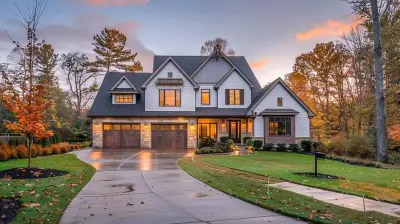
Who doesn’t dream of owning a beautiful waterfront second home? Waking up to the sound of gentle waves, sipping coffee on a sun-drenched deck, and enjoying water activities right in your backyard—sounds like a slice of paradise, right?
But before you start picturing yourself lounging by the water with a drink in hand, let’s talk about what really matters when buying a waterfront second home. It’s not just about the view; there’s a lot more to consider to ensure you make a smart investment. So, let’s dive into the must-know details before you take the plunge! 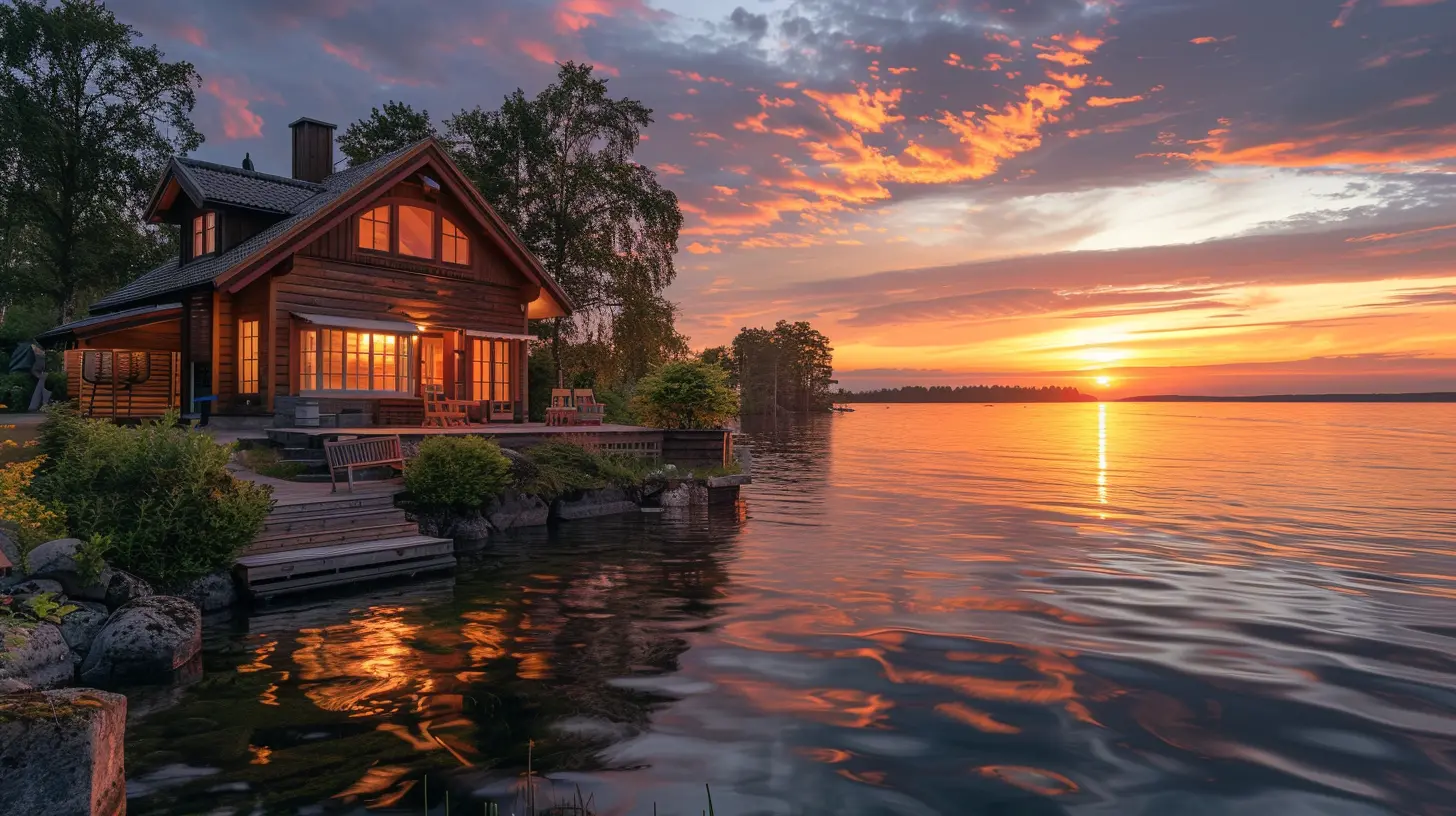
1. Location, Location, Location!
You’ve heard it before, and it still holds true—location is everything in real estate, especially when it comes to waterfront properties. But what exactly should you look for?Proximity to Essentials
While a secluded lakeside or beachfront retreat sounds dreamy, you'll still want access to grocery stores, medical facilities, and entertainment. A second home that’s too remote could turn into a hassle rather than a getaway.Weather and Climate
Different waterfronts come with different weather challenges. A coastal home means salty air and hurricanes to consider, while a lakeside retreat might face harsh winters. Make sure to research the climate before sealing the deal.Community and Lifestyle
What kind of vibe are you looking for? A lively beach town with restaurants and boat clubs, or a peaceful cabin by a quiet lake? Spend time in the area before buying to make sure it fits your lifestyle.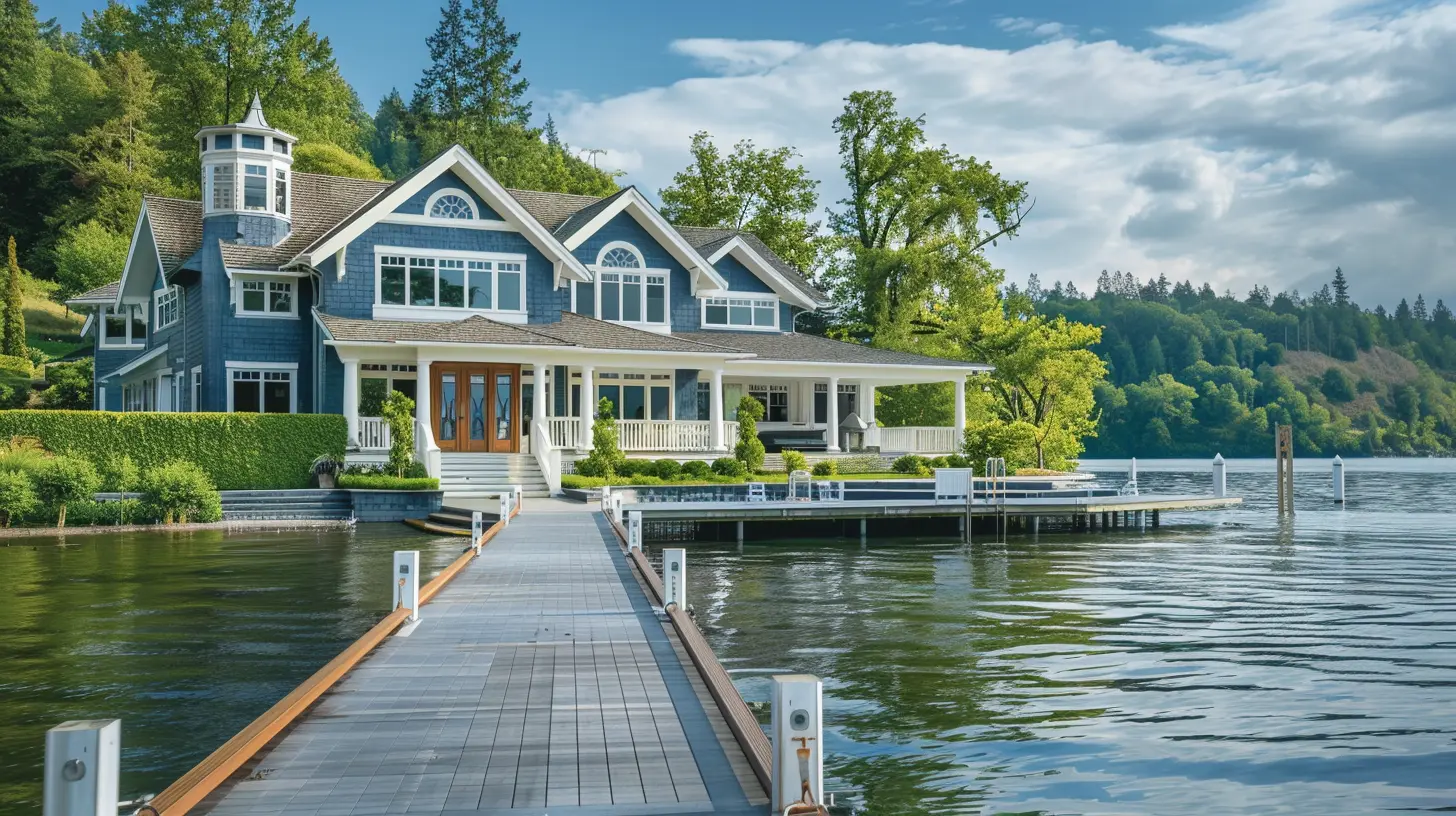
2. Type of Waterfront Property
Not all waterfront homes are created equal. Here are a few options to consider:Oceanfront
Perfect for beach lovers who want stunning views and access to sandy shores. Keep in mind that oceanfront homes often come with higher maintenance costs due to saltwater exposure and potential storm risks.Lakefront
If you love fishing, kayaking, or peaceful waters, a lakefront home might be your best bet. These properties generally involve less erosion and storm damage than oceanfront homes.Riverfront
Rivers offer a unique charm, often with less tourist traffic than beaches. However, check for flooding risks—some riverfront areas are prone to water level fluctuations.Bayfront or Canal-Side
These homes can offer the best of both worlds: calmer waters, often with boat access, and less exposure to strong ocean winds.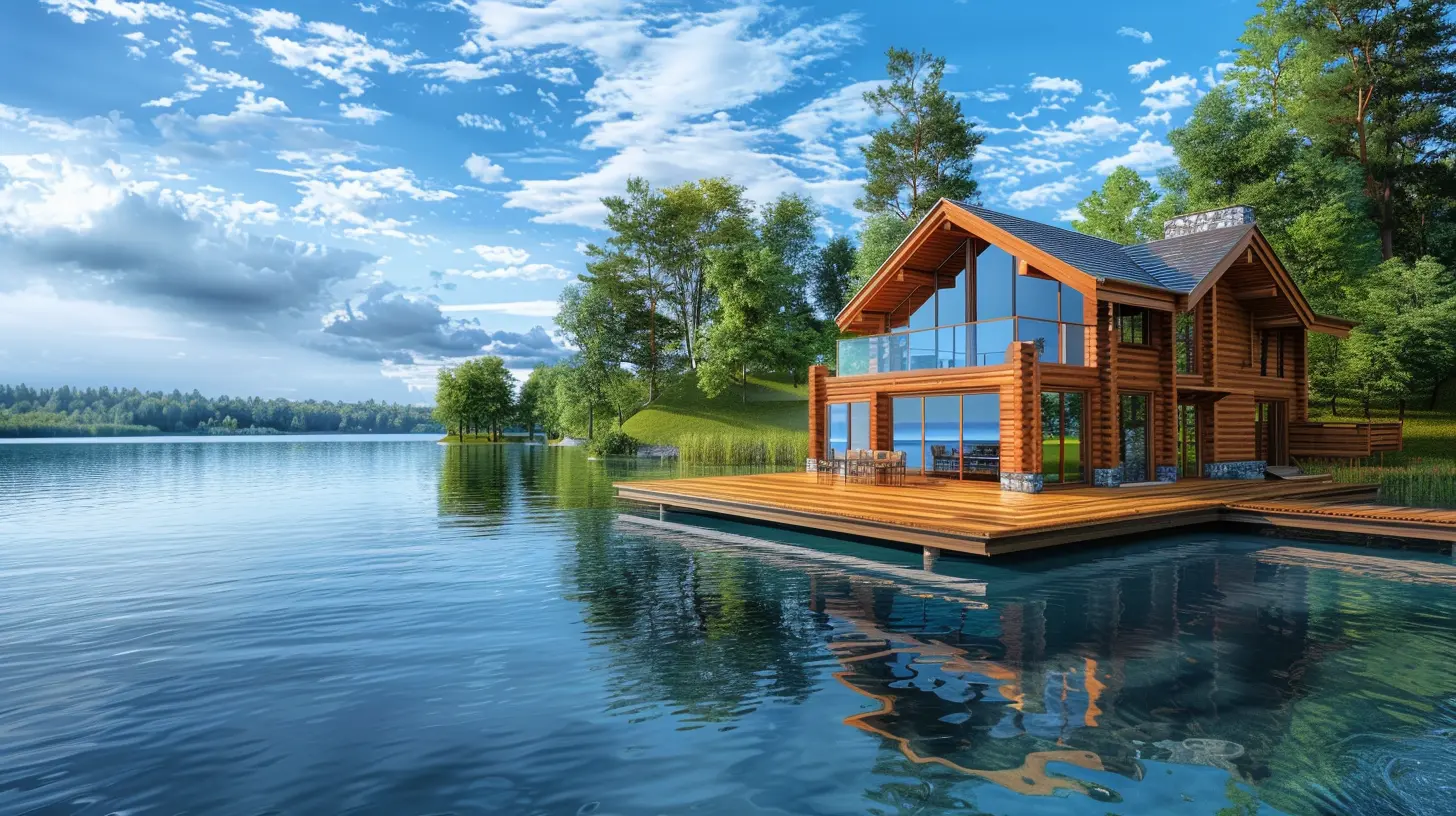
3. Water Access and Restrictions
It might sound crazy, but not all waterfront properties allow easy access to the water. Some have conservation restrictions or privately-owned shorelines that limit what you can do.Private vs. Shared Waterfront Access
Does the property come with a private dock, or do you have to share access with neighbors? A private dock can add value, but it also comes with maintenance responsibilities.Boat and Dock Regulations
If boating is a big part of your dream, check local rules on docks, boat sizes, and watercraft restrictions. Some areas limit the type of boats allowed, or require special permits.Swimming and Water Quality
Not all waterfront properties are great for swimming. Some lakes have murky water, strong currents, or even issues with algae. Always check water quality reports before falling in love with a location.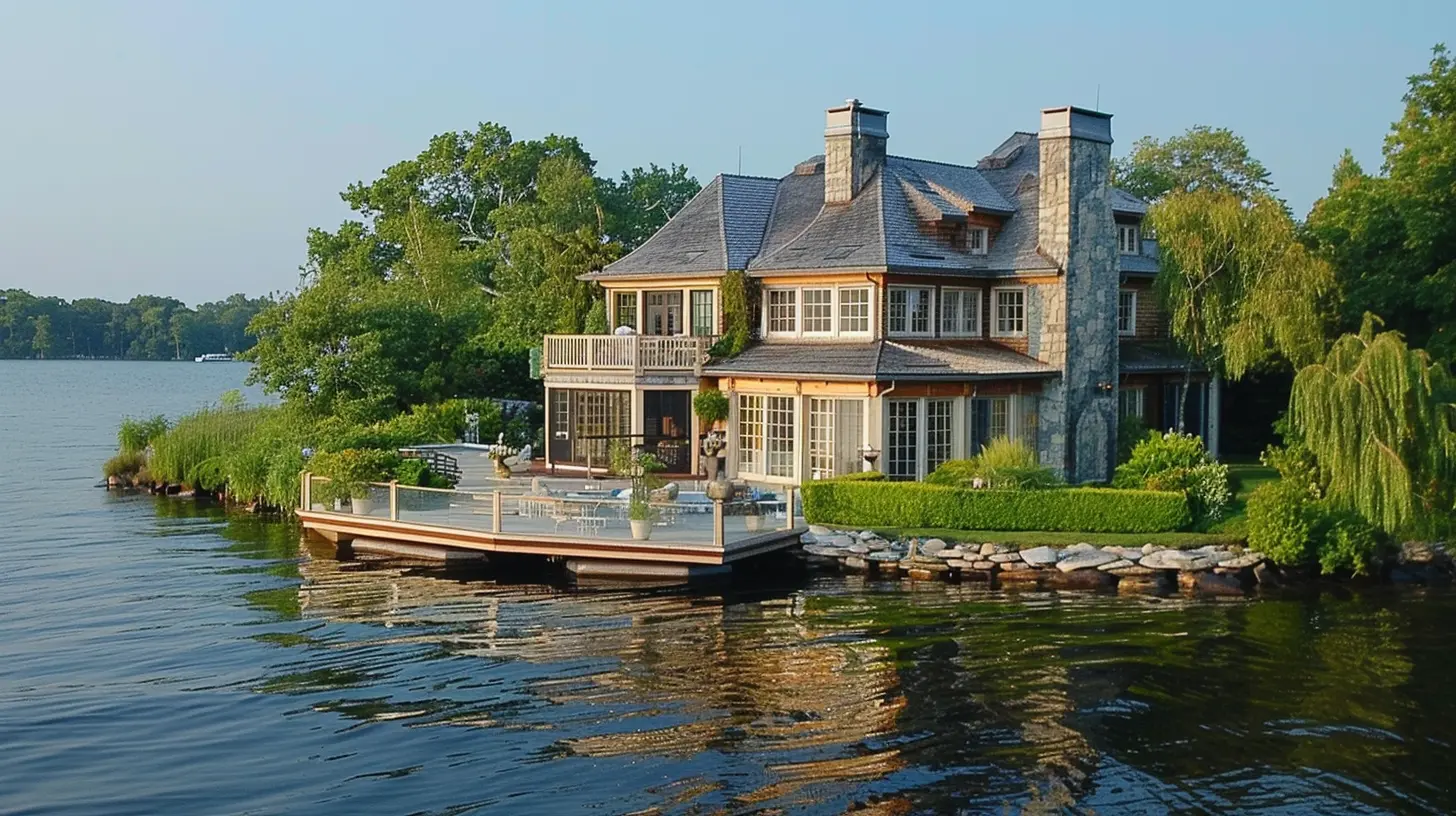
4. Maintenance and Upkeep
Waterfront homes need extra TLC compared to regular homes. The elements—whether it’s salty sea air or humid lakeside weather—can take a toll.Structural Considerations
Homes near water face unique challenges like foundation erosion, wood rot, and flood risks. Consider hiring an inspector experienced with waterfront properties.Insurance Costs
Waterfront properties often require specialized insurance, including flood and hurricane coverage. Make sure to factor this into your budget, as premiums can be pricey.Regular Maintenance Needs
- Saltwater can corrode metal fixtures and damage landscaping.- Wooden docks and decks may need frequent repairs.
- Mold and mildew thrive in humid environments—proper ventilation is key.
5. Investment Potential
Your second home is not just a retreat—it’s an investment. If you ever decide to rent it out or sell, you want to make sure you’re getting great value.Rental Income Opportunities
Waterfront homes are hot commodities in the vacation rental market. Check local short-term rental regulations if you plan to rent out your home for extra income.Resale Value Trends
Some waterfront areas appreciate more than others. Research past pricing trends and future development plans—your dream home should also be a smart investment.Property Taxes
Waterfront real estate often comes with higher property taxes. Make sure to calculate the long-term costs before committing.6. Lifestyle and Amenities
Your second home should make life more enjoyable, so think about what amenities matter most to you.Outdoor Space
A spacious deck, fire pit, or outdoor kitchen can transform your waterfront home into an entertainer’s paradise.Recreational Activities
Love fishing, jet skiing, or paddleboarding? Ensure the waterway is suitable for your favorite activities.Local Attractions
Beyond the water, consider hiking trails, golf courses, or charming downtown areas that add to your experience.7. Legal and Environmental Considerations
When it comes to waterfront real estate, there are often more rules to follow than with a traditional home.Zoning and Building Restrictions
Some areas limit what modifications you can make to protect the environment. Always check for permits before planning expansions or dock installations.Flood Zones and Risk Levels
FEMA flood maps can tell you if the home is in a high-risk area. If so, you may need flood insurance, which can be costly.Wildlife and Conservation Laws
Some areas protect wildlife habitats, which could restrict your ability to build a dock or make shoreline changes. Always verify local environmental laws before purchasing.8. The Feeling of ‘Home’
Finally, the most important factor—how does the place make you feel? Does it give you that special joy when you step onto the dock or breathe in the fresh morning air? A second home should be more than just an investment—it should be your personal escape, your sanctuary, your happy place.So, before you sign on the dotted line, take time to envision your life there. If it feels right, you may have just found your perfect waterfront retreat.
Final Thoughts
Buying a waterfront second home is an exciting journey, but it’s also a major decision that requires careful thought. From choosing the right location and factoring in maintenance costs to ensuring water access and understanding legal restrictions—there’s a lot to consider!But at the end of the day, if you do your homework, ask the right questions, and make decisions with both your heart and your head, you’ll end up with a waterfront dream home that brings joy for years to come.
So, are you ready to make waves with your new second home?
all images in this post were generated using AI tools
Category:
Second HomesAuthor:

Camila King
Discussion
rate this article
1 comments
Devin Scott
When considering a waterfront second home, prioritize location and accessibility. Assess the property's potential for long-term value and rental income. Also, evaluating environmental risks, such as flooding, is crucial. A home's charm should not overshadow practical factors that impact your investment and enjoyment long-term.
June 23, 2026 at 12:02 PM
Camila King
Absolutely, focusing on location, potential rental income, and environmental risks is key. A beautiful home is great, but practicality should always come first.