The Role of Green Spaces in Property Market Valuations
8 July 2026
Ever walked through a neighborhood with tree-lined streets, lush parks, and vibrant gardens and thought, Wow, I could live here? You’re not alone! Green spaces have an undeniable charm that can turn any concrete jungle into a picturesque paradise. But did you know that these patches of greenery have a serious impact on property values?
In this article, we’re diving deep into the fascinating relationship between green spaces and property market valuations. Whether you're a homebuyer, investor, or just someone intrigued by the magic of real estate, buckle up—because this is going to be a leafy ride!
Why Green Spaces Matter in Real Estate
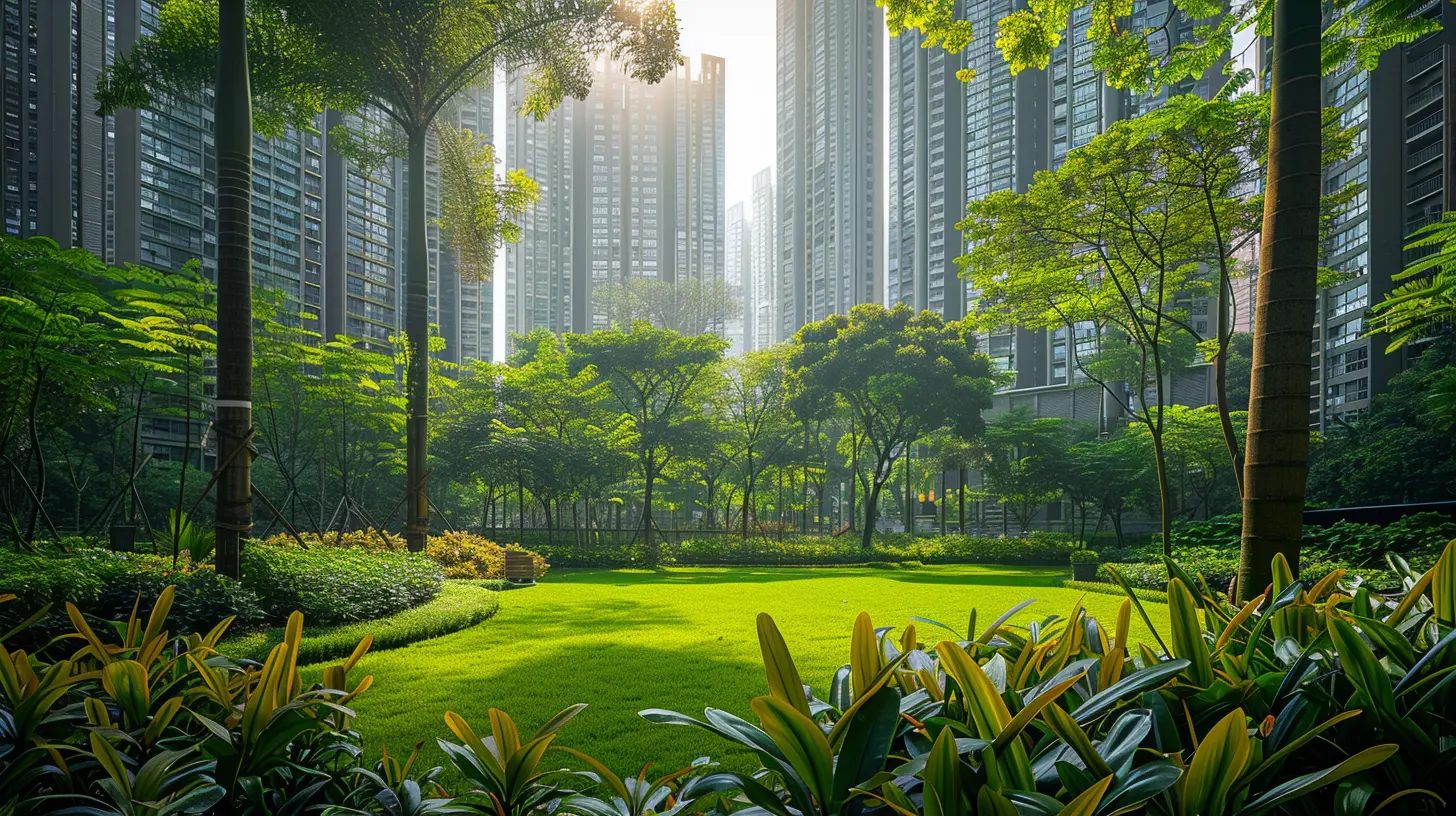
Imagine two identical houses—one next to a serene park with jogging trails, and the other in the middle of a cramped, treeless urban block. Which one would you choose? Exactly.Green spaces aren’t just about aesthetics; they’re about lifestyle, well-being, and, of course, money. Property values thrive in areas rich with greenery, and there are several reasons why:
- Better Air Quality – More trees equal fresher air. Nobody wants to live in a smog-filled environment.
- Reduced Noise Pollution – Parks and trees act as natural sound barriers. Goodbye, honking horns!
- Mental & Physical Well-being – Access to green spaces encourages outdoor activities, reducing stress and increasing overall happiness.
- Community Appeal – Neighborhoods with parks and gardens attract families, professionals, and retirees alike.
Now, let’s dig into how all this actually influences property prices.
The Impact of Green Spaces on Property Market Valuations
1. Higher Property Prices in Green-Rich Areas
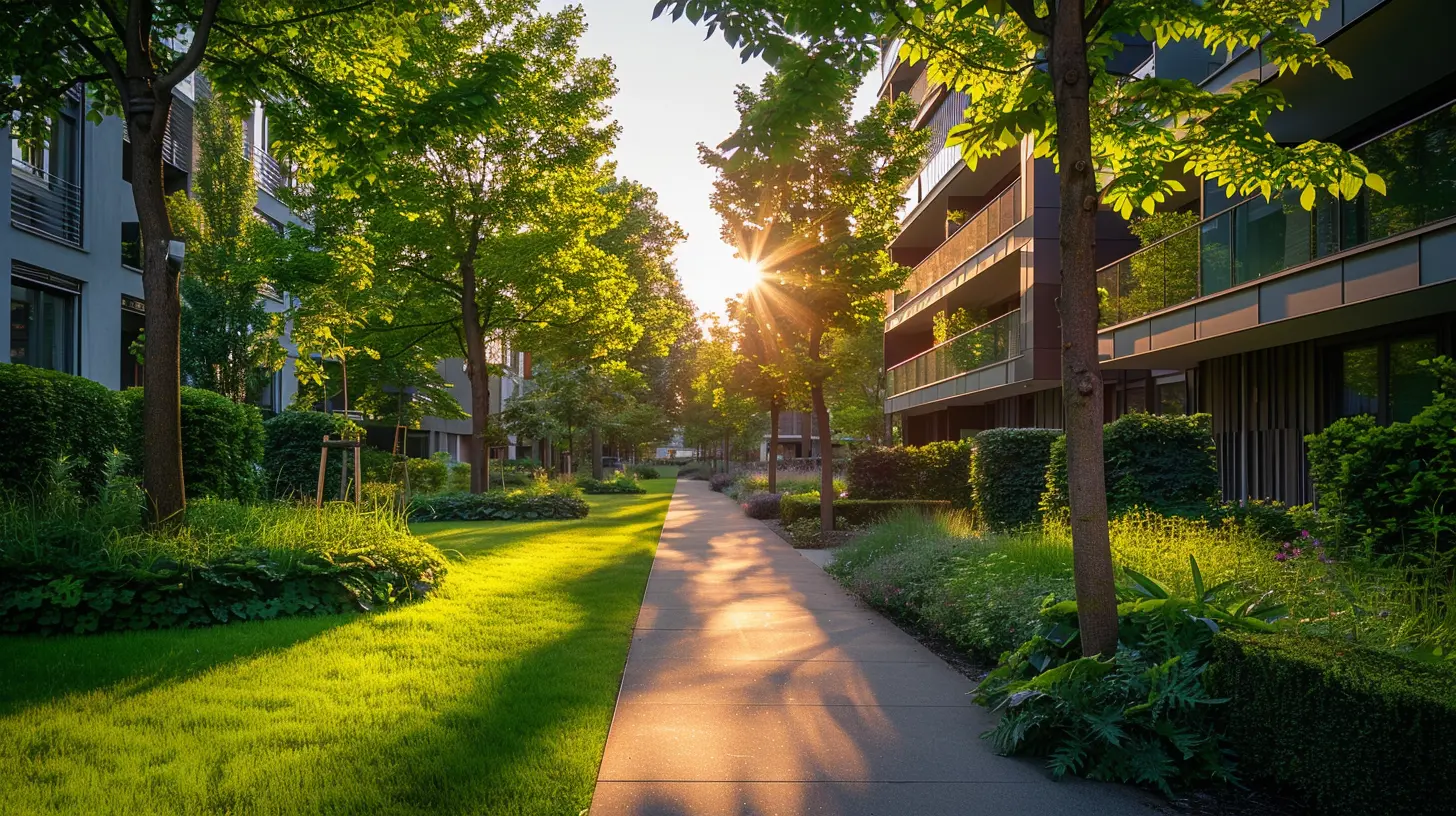
If there’s one thing real estate experts agree on, it’s this—proximity to green spaces boosts property value. Studies have shown that properties near parks, lakes, and wooded areas tend to sell for 5% to 20% more than their counterparts in concrete-heavy zones.Think about it: People are willing to pay a premium for a home that offers peace, tranquility, and a bit of fresh air. Developers are keen to build around existing green belts because they know it attracts serious buyers.
2. Faster Property Appreciation Rates
Homes near parks don’t just start off at higher prices—they also appreciate faster. Why? Because demand for greener living spaces is growing. As urbanization increases and city life becomes more chaotic, people crave nature more than ever.This means that if you invest in a home near a well-maintained park today, chances are its value will climb steadily over the years, securing you a handsome return.
3. Desirability Leads to Faster Sales
Ever tried selling a property in a dull, lifeless neighborhood? It’s like trying to sell ice to an Eskimo. Now, compare that to a lush, park-adjacent property—it practically sells itself!Buyers, especially families with young kids and pet owners, actively seek homes close to green spaces. And because demand is higher, such properties spend way less time on the market.
4. Rental Yields Are Higher
If you’re a real estate investor, listen up—green spaces aren’t just good for selling homes; they’re also great for renting them out at premium rates.Tenants are more than happy to pay extra for a home that offers easy access to nature. Whether it’s young professionals looking for peaceful jogging routes or retirees wanting a tranquil view from their balcony, rental demand skyrockets in areas with plenty of greenery.
The Science Behind Green Spaces and Property Valuations
? Nature’s Effect on Psychology
It’s no secret that nature makes us happier. Studies have linked proximity to green spaces with lower stress levels, reduced anxiety, and even increased productivity.When people feel good in a particular environment, they’re more likely to stay, invest, and recommend it to others, naturally pushing property values up.
? Environmental Benefits That Add Value
Aside from making neighborhoods look pretty, green spaces:- Reduce the urban heat island effect (meaning cooler summers!)
- Improve stormwater management (less flooding = fewer infrastructure costs)
- Promote biodiversity, leading to healthier ecosystems and wildlife preservation
All these factors make for a more sustainable and desirable living environment, which, unsurprisingly, makes property values go ka-ching!
Case Studies: Cities That Got It Right
Still not convinced? Let’s take a quick trip around the world to see how green spaces have transformed property valuations in major cities:- London, UK – Homes near Hyde Park or Regent’s Park fetch significantly higher prices than similar properties further away.
- New York City, USA – Central Park is a prime example of how green space can send property values through the roof. Apartments with park views in Manhattan command some of the highest real estate prices in the world.
- Singapore – With its “City in a Garden” initiative, Singapore has integrated greenery into its urban infrastructure, leading to a boom in sustainable real estate development.
These examples highlight a universal truth—green spaces aren’t just a luxury, they’re a necessity for thriving property markets.
How Developers and City Planners Leverage Green Spaces
Real estate developers and urban planners have caught on to the trend, and they’re making sure new projects capitalize on the value green spaces bring.1. Incorporating More Parks and Green Belts
Cities with long-term visions prioritize green spaces in their master plans. Developers, too, are designing residential communities with integrated parks, gardens, and open recreational areas.2. Vertical Gardens and Green Roofs
With space at a premium, developers are getting creative—think green roofs, living walls, and even entire buildings covered in vegetation. Not only do these features boost aesthetics, but they also improve energy efficiency, further increasing property value.3. Walkability & Outdoor Connectivity
People love walkable neighborhoods with easy access to nature. Smart urban planning ensures that residents can easily stroll, bike, or jog to nearby green spaces, making properties in such areas more attractive.
The Future of Real Estate: More Green, Please!
With climate change and sustainability becoming hot topics, green spaces are no longer just nice-to-haves—they’re must-haves. The real estate industry is evolving, and properties that embrace nature will continue to outshine those that don’t.If you’re looking to invest, buy, or even just dream about your next home, remember this—where there’s green, there’s gold.
all images in this post were generated using AI tools
Category:
Market AnalysisAuthor:

Camila King