The Pros and Cons of Owning a Second Home in a Resort Area
3 June 2026
Buying a second home in a resort area sounds like a dream, right? Waking up to breathtaking views, having a personal retreat for vacations, and even making some extra cash by renting it out—what’s not to love?
But before you sign on the dotted line, there are some serious pros and cons to consider. A second home isn’t just an escape; it’s also a big responsibility. So, let's break it all down and see if this investment truly makes sense for you.
The Pros of Owning a Second Home in a Resort Area
1. Permanent Vacation Spot
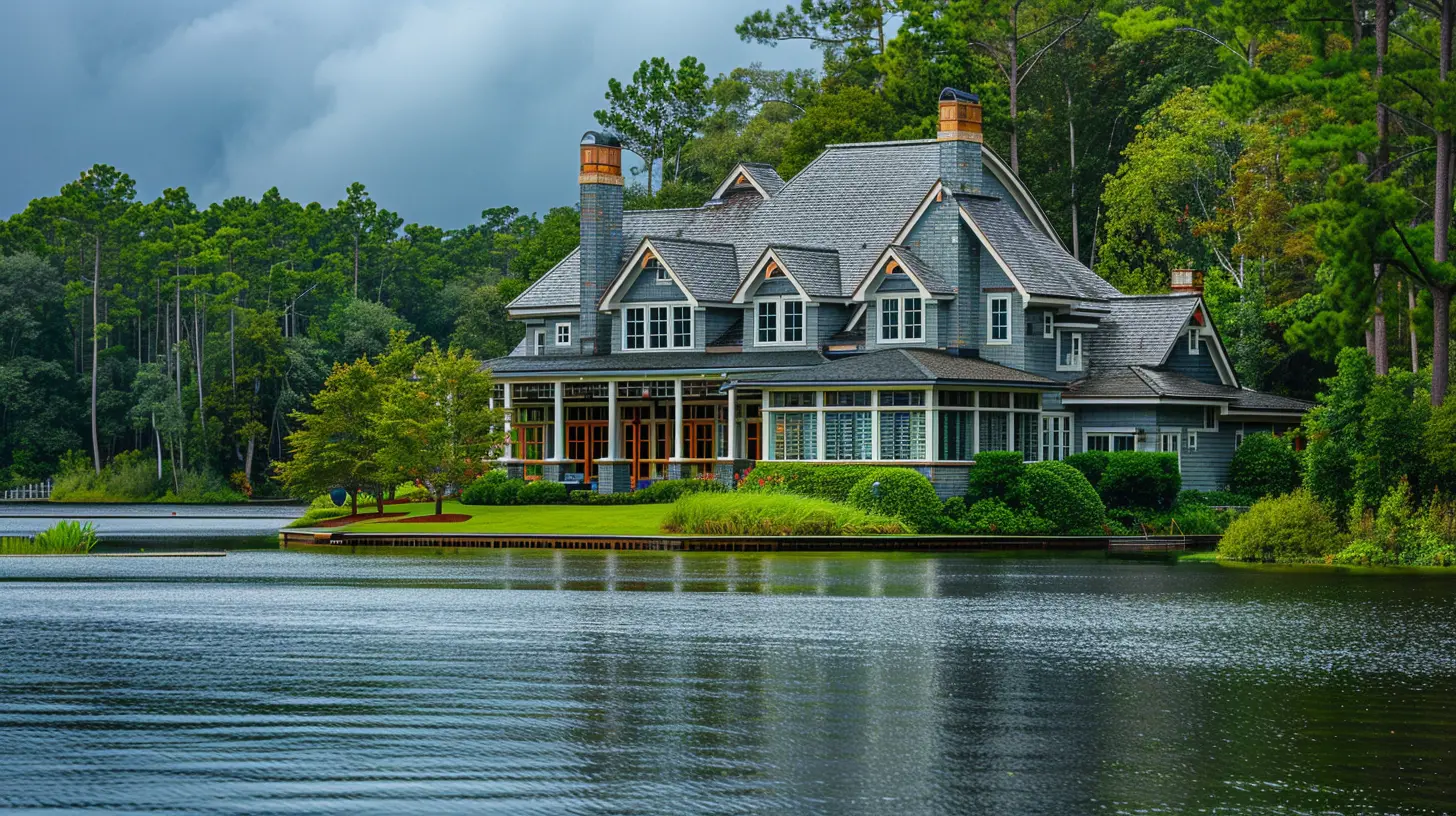
Imagine never having to worry about booking hotels or finding last-minute accommodations. When you own a second home in a resort area, you always have a place to stay. Whether it’s a beachfront villa, a cozy mountain cabin, or a lakeside retreat, you can just pack your bags and go whenever you want.Plus, there’s a sense of comfort in knowing that your vacation home is exactly how you like it—no surprises, no weird hotel policies, just your personal getaway.
2. Potential Rental Income
A second home doesn’t have to sit empty when you're not using it. Many homeowners rent out their properties on platforms like Airbnb or Vrbo, turning their vacation homes into money-making investments.If you buy in a high-demand tourist area, short-term rentals can generate significant income—sometimes even covering the mortgage and maintenance costs. However, keep in mind that rental income depends on factors like location, demand, and local regulations.
3. Long-Term Investment & Appreciation
Real estate in popular resort areas often appreciates over time. If you choose your location wisely, your second home could become a profitable long-term investment.Unlike other investments that can be volatile, property generally holds its value well. And even if market fluctuations happen, desirable resort areas tend to bounce back quickly due to constant tourist demand.
4. A Place to Retire Later
Thinking long-term? Your second home could become your retirement residence down the road. Having a familiar place to settle in when you decide to slow down is a great perk.Instead of scrambling for a new home when you retire, you’ll already have your dream spot ready. And, depending on where you buy, you might even benefit from a lower cost of living or tax advantages.
5. Tax Benefits
Depending on how you use your second home, you might qualify for certain tax deductions. If you rent it out, you could write off expenses like mortgage interest, property management fees, and maintenance costs.Even if it's just for personal use, some tax breaks still apply. However, tax rules can be complicated, so consulting a professional is always a good idea.
The Cons of Owning a Second Home in a Resort Area
1. High Upfront and Ongoing Costs
A second home isn’t just a vacation spot—it’s a big financial commitment. Besides the purchase price, you’ll have ongoing expenses to consider, such as:- Mortgage payments
- Property taxes
- Insurance (which can be higher in resort areas prone to natural disasters)
- Utilities and maintenance
- Homeowners association (HOA) fees (if applicable)
If you’re relying on rental income to cover these costs, keep in mind that there may be slow seasons when bookings drop. Always have a financial cushion to avoid stress.
2. Seasonal Markets Can Be Unpredictable
Resort areas often experience seasonal fluctuations. If your second home is in an area that thrives only during specific months (like ski resorts in winter or beach towns in summer), you might struggle to generate consistent rental income.Off-seasons can lead to vacancies, lower tourist demand, and reduced property value growth. Understanding the local market is crucial before making a purchase.
3. Property Management Hassles
If you don’t live near your second home, maintaining it can be a challenge. Hiring a property management company can ease the burden, but that comes at a cost (usually 10-30% of rental income).Even with help, things may go wrong—plumbing issues, broken appliances, or unexpected repairs. Managing these problems remotely can be frustrating and time-consuming.
4. Strict Rental Regulations
Many resort towns have strict rules for short-term rentals. Some places limit the number of rental days per year, require special permits, or even ban short-term rentals altogether.Before buying, research local rental laws carefully. What seems like a great investment could turn into a nightmare if regulations prevent you from renting out your property as planned.
5. Risk of Natural Disasters
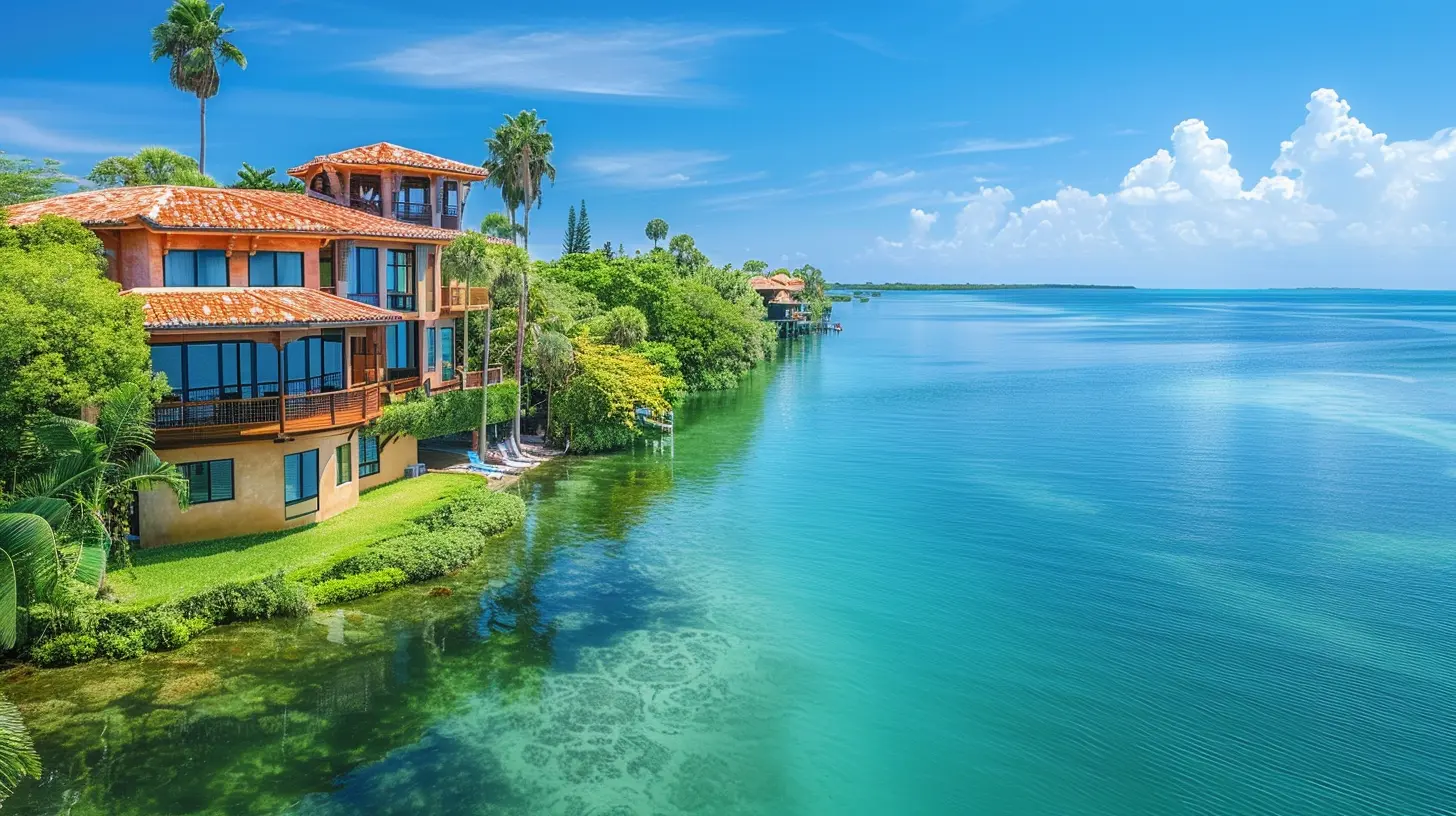
Resort areas are often located in places prone to natural disasters—beachfront homes risk hurricanes, mountain cabins can face wildfires, and lakeside properties may deal with flooding.High insurance costs and potential repairs should be factored into your decision. Also, some areas may have stricter building codes or requirements for disaster preparedness, adding to overall expenses.
6. Emotional Attachment Can Be Restrictive
While having a second home sounds great, it can limit your travel experiences. Since you’ve invested in a specific location, you may feel obligated to vacation there every time, reducing your desire to see other places.Additionally, if you ever need to sell, letting go of a property with sentimental value can be tough—especially if you’ve created years of memories there.

Should You Buy a Second Home in a Resort Area?
This decision comes down to your financial situation, lifestyle, and long-term goals. If you love a particular destination, have the financial stability to afford a second property, and plan to use or rent it strategically, then owning a second home can be rewarding.However, if you’re relying heavily on rental income, aren’t prepared for maintenance costs, or prefer flexibility in where you vacation, a second home might not be the best investment.
Tips Before Buying:
- Run the Numbers: Make sure you can afford the home without relying too much on rental income.- Research the Market: Understand the demand, seasonality, and property value trends in the area.
- Check Local Regulations: Verify rental restrictions, tax implications, and insurance requirements.
- Plan for Maintenance: Either handle it yourself or budget for a management company.
- Think Long-Term: Consider if you’ll still want to own and visit this property in 10-20 years.
At the end of the day, a second home in a resort area can be a fantastic investment or an expensive mistake—it just depends on how well you’ve done your homework.
Final Thoughts
Owning a second home in a resort area can bring a lifetime of wonderful memories, financial opportunities, and a dedicated place to unwind. But it’s not for everyone. With the right planning and mindset, it can be both a rewarding lifestyle choice and a smart investment.So, is a second home in a resort area your dream come true or a financial headache? The answer lies in how well you're prepared to handle both the perks and the pitfalls.
all images in this post were generated using AI tools
Category:
Second HomesAuthor:

Camila King
Discussion
rate this article
1 comments
Kimberly Franklin
Owning a second home can offer relaxation and investment, but consider maintenance costs carefully.
June 17, 2026 at 2:43 AM
Camila King
Absolutely, maintenance costs can add up quickly. It's essential to weigh those against the potential benefits of relaxation and investment.