Safety Tips for Apartment Living as a Student
29 May 2026
Moving into an apartment as a student is a huge milestone. It’s your first taste of real independence—no more dorm rules, no more shared bathrooms with an entire floor of strangers, and no more dining hall food (unless you actually liked it). But with that newfound freedom comes responsibility, especially when it comes to your safety.
Your apartment should be your safe haven, a place where you can study, relax, and binge-watch Netflix without worry. But let’s be real—living on your own, especially in a new city, can carry some risks. From break-ins to fire hazards, there are plenty of things to be mindful of.
So, how can you make sure your apartment remains a safe and secure space? Here are the essential safety tips every student should know. 
1. Choose a Safe Neighborhood
Before you even sign your lease, do some research on the area. Sure, the apartment might have a rooftop pool and a state-of-the-art gym, but if it’s in an unsafe neighborhood, it’s probably not worth it.- Check crime reports online. Websites like NeighborhoodScout and CrimeMapping can give you an idea of how safe the area is.
- Visit the neighborhood at different times of the day. Does it feel safe to walk around at night?
- Talk to current residents or other students who live nearby. Word-of-mouth is often the best way to get honest opinions.
A great apartment in a terrible area isn't a great apartment at all. Safety comes first. 
2. Secure Your Doors and Windows
You’d be surprised how many break-ins happen because someone simply left a door or window unlocked. It sounds basic, but always make sure:- Your front door is locked—even when you’re home.
- Windows are secured, especially if you’re on the first or second floor.
- If your apartment allows it, invest in a door jammer or security bar for added protection.
If your locks seem flimsy, ask your landlord to replace them. They may not always agree, but it’s worth a shot. 
3. Be Smart About Your Keys
Losing your keys happens, but how you handle it makes all the difference.- NEVER hide a spare key under a doormat or in a flowerpot. Those are the first places intruders check.
- If you need a spare, leave it with a trusted friend.
- If you lose your key, get your locks changed. Don’t take any chances.
And if your apartment has a keypad entry, don’t share the code with too many people. The fewer who know, the better. 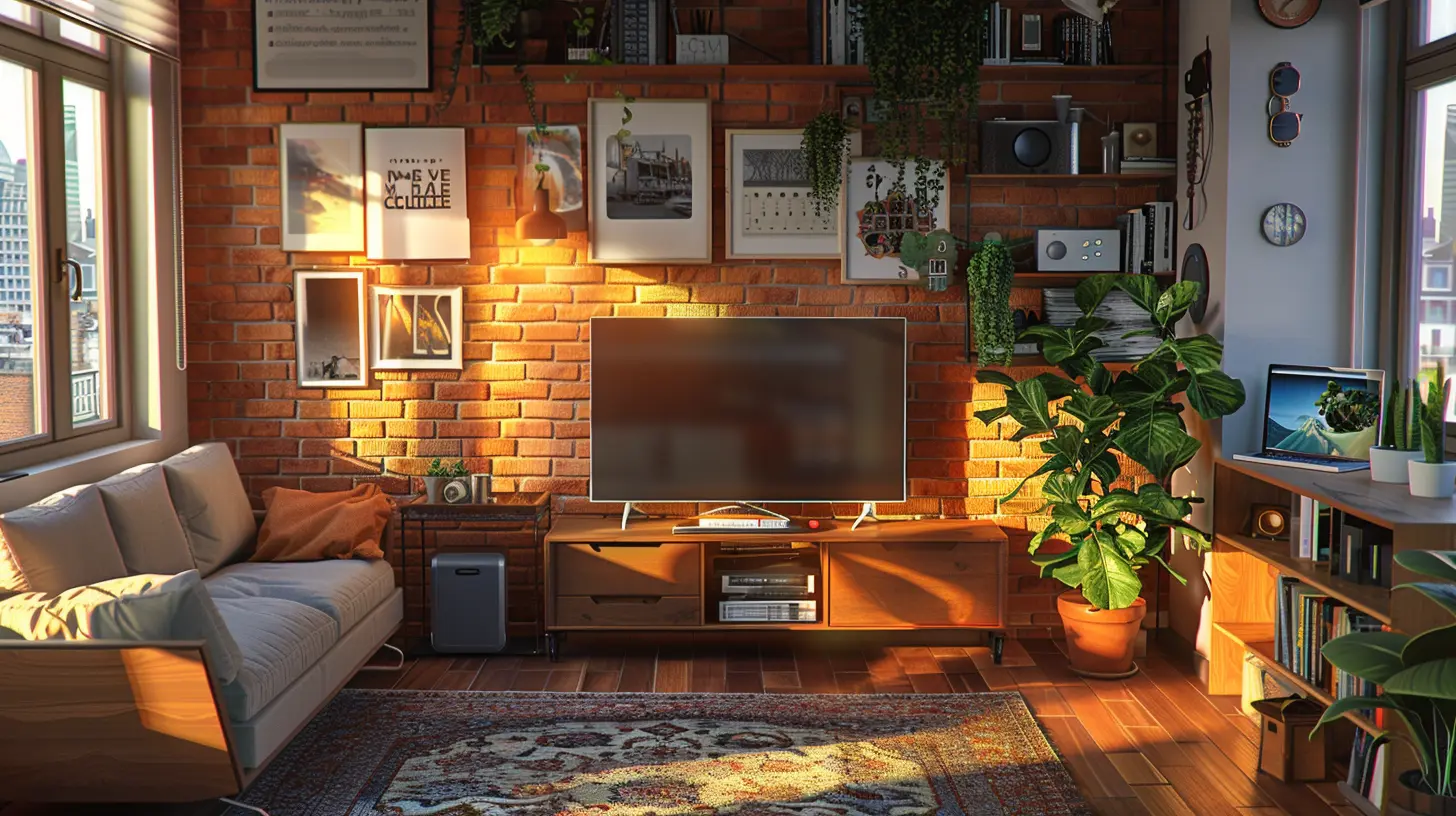
4. Get to Know Your Neighbors
You don’t need to be best friends, but at least introduce yourself. Having a good relationship with your neighbors can make a big difference in your safety.- Friendly neighbors are more likely to watch out for you and notify you (or the authorities) if something seems off.
- If you ever lock yourself out or need someone to grab a package for you, they’ve got your back.
- They can give you a heads-up about any suspicious activity in the building.
A strong sense of community within your apartment complex makes everyone safer.
5. Be Cautious with Visitors
Your apartment isn’t a public space, so be mindful of who you let inside.- Don’t allow strangers to follow you into your building just to be "polite.”
- If someone knocks on your door claiming to be from maintenance or management, verify their identity before letting them in.
- Always use a peephole or security camera (if available) to check before opening the door.
Better safe than sorry, right?
6. Keep Valuables Out of Sight
If someone can see your laptop, phone, or expensive gadgets from your window, you might be unintentionally inviting trouble.- Use curtains or blinds, especially at night.
- Avoid leaving valuables near windows.
- If you have a lot of expensive tech (laptops, cameras, gaming consoles), consider renter's insurance. It can be a lifesaver if anything gets stolen.
Think of it this way—if they can’t see it, they won’t be tempted to take it.
7. Be Mindful with Social Media
We get it—you want to post that cute pic of your new apartment. Just be smart about what you share online.- Don’t post your full address or apartment number.
- Avoid sharing personal details about your daily routine (like when you're not home).
- If you're going on vacation, wait until you're back to post all those amazing travel photos.
Oversharing online makes it easier for the wrong people to track your movements.
8. Don’t Ignore Fire Safety
Fires are more common in apartments than you’d think. A small mistake—like leaving a candle burning—can quickly turn into a disaster.- Never leave candles unattended.
- Check that your smoke detectors work (and replace batteries if necessary).
- Be careful with space heaters and extension cords; they’re common fire hazards.
- Have an escape plan. Know where the nearest exits are in case of a fire.
A little fire safety awareness goes a long way.
9. Be Cautious with Deliveries and Ride-Sharing
Getting food delivered or taking an Uber is part of student life, but don’t get too comfortable with strangers knowing where you live.- If possible, meet delivery drivers outside instead of having them come to your door.
- When using ride-share services, always double-check the license plate and ask the driver who they’re picking up before getting in.
- If you live alone, avoid using your full name on delivery apps. A simple initial or nickname can offer an extra layer of privacy.
A little caution can prevent a lot of problems.
10. Trust Your Gut
You know that little voice inside that tells you something “just doesn’t feel right”? Listen to it.- If you feel like someone is following you, don’t ignore it. Cross the street, enter a store, or call someone.
- If something seems off about your apartment (a door slightly open, things moved around), don’t enter—call the authorities instead.
- If a situation makes you uncomfortable, remove yourself from it as soon as possible.
Your instincts are often your first line of defense.
Final Thoughts
Living in an apartment as a student is exciting, but staying safe should always be a priority. A few smart precautions can help ensure that your living space remains a secure sanctuary.Lock your doors, be aware of your surroundings, trust your gut, and, most importantly—don’t take safety for granted. After all, your apartment isn’t just a place to sleep; it’s your home. And home should always feel safe.
all images in this post were generated using AI tools
Category:
Student HousingAuthor:

Camila King
Discussion
rate this article
2 comments
Parker McMillen
Great tips for students navigating apartment life! Safety is so important, especially when balancing studies and social life. Taking these precautions can really make a difference in feeling secure at home. Thanks for sharing these practical and relatable insights for anyone starting this journey!
July 12, 2026 at 10:29 AM
Quorra Martinez
Remember, locks keep out intruders but don't forget to hide your leftover pizza. It's the real treasure!
June 3, 2026 at 11:53 AM
Camila King
Great point! Pizza is definitely a treasure worth protecting. Stay safe and snack smart!