Is Now the Right Time for a Second Home Purchase?
26 May 2026
Let's be honest—buying a second home is a pretty big decision. Whether you're dreaming of a cozy cabin in the woods, a breezy beach house, or even an income-generating rental property, the idea of a second home can feel both exciting and intimidating. But here's the million-dollar question: is now the right time to make that leap?
Well, it's not a one-size-fits-all answer. There are several factors—personal, financial, and even emotional—that come into play. Let’s break it all down, piece by piece, so you can decide whether now is the perfect time to dive into your second home dreams or if it’s better to sit tight for a little while longer.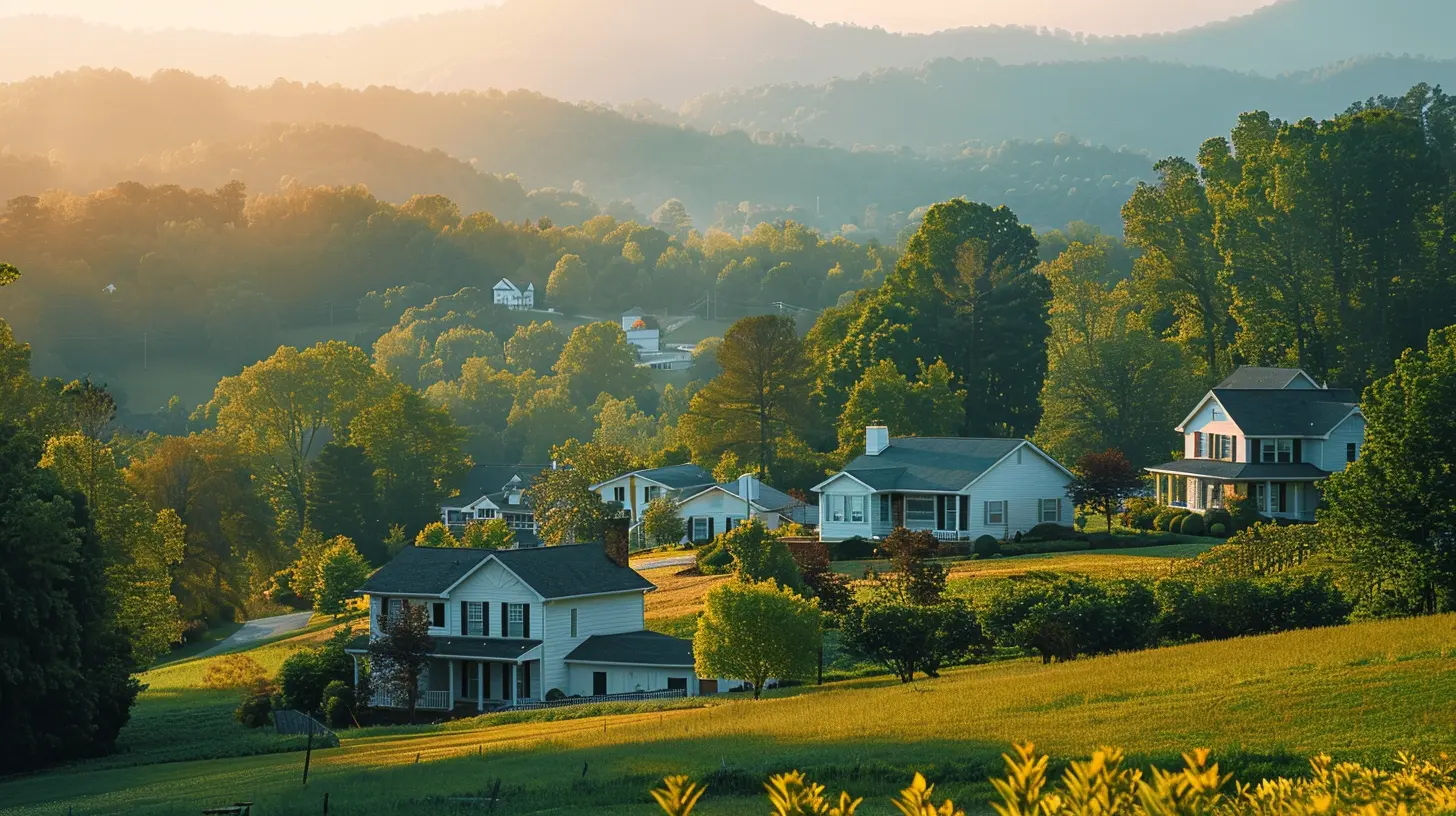
Understanding Your Motivation: Why Do You Want a Second Home?
First things first—what’s driving your desire for a second home? Is it purely lifestyle, like having a vacation retreat to escape to on weekends? Or maybe an investment opportunity to generate rental income? Perhaps you're thinking about a combination of both?Having clarity about your motivation will heavily influence whether now is the right time to take the plunge. For example:
- If it’s a lifestyle choice, you're probably looking for convenience, comfort, and personal enjoyment. In that case, the emotional value of having your "happy place" might outweigh short-term financial concerns.
- If it’s an investment, the numbers need to make sense. Rental demand, property appreciation, and market trends in your desired location become critical factors to evaluate.
Take a moment and ask yourself: What's your “why”? Without a clear answer, buying a second home can feel like you're tackling a jigsaw puzzle with missing pieces.
What’s the Current Real Estate Market Like?
Alright, let’s talk about the elephant in the room: the housing market. Is the market booming, dipping, or somewhere in between? Understanding current market trends is essential because timing can significantly impact your costs and future profits.Here’s what you need to consider:
- Interest Rates: The higher the mortgage interest rates, the more expensive your monthly payments will be. On the flip side, when rates are low, financing your second home becomes much more affordable.
- Housing Prices: Keep an eye on whether prices in your desired location are rising or stabilizing. A hot, competitive market might mean you’ll have to stretch your budget more than you’d like, while a slower market might bring negotiating power to the table.
- Inventory Levels: If homes are flying off the market faster than you can blink, competition will be fierce. But if inventory is healthy, you might have room to shop around for the best deal.
A good tip? Speak to a trusted local real estate agent or do some digging online to get a pulse on the market’s vibe. 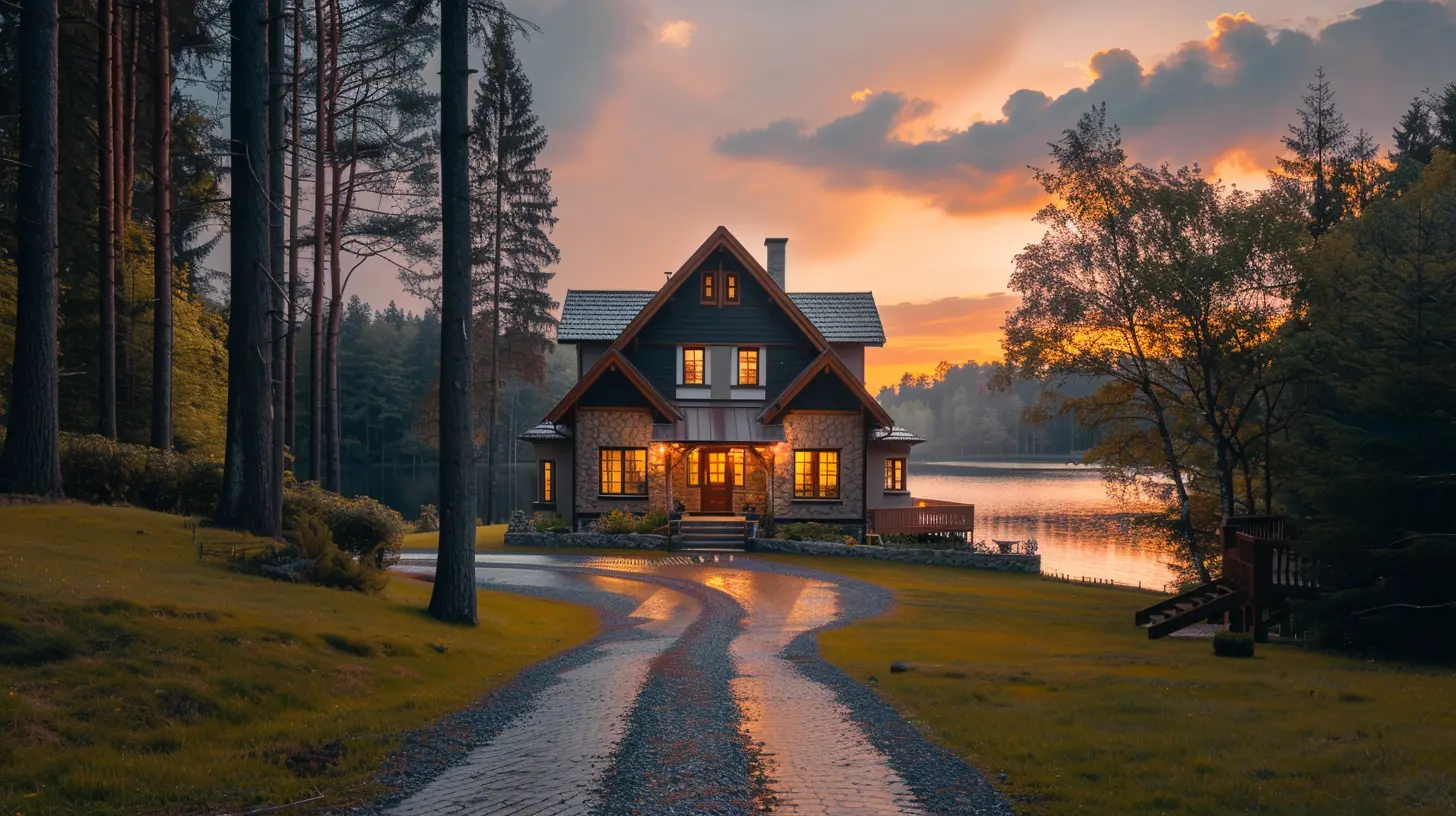
Can You Comfortably Afford It Right Now?
Let’s be real—owning any home comes with responsibilities, but owning two homes? That’s a whole new level of financial commitment. So before you get caught up dreaming about waterfront views or mountain escapes, make sure your budget can handle it.Here’s a checklist to consider:
- Down Payment: Lenders typically require a larger down payment—sometimes 20–30%—on second homes. Do you have enough saved up without draining your emergency fund?
- Monthly Carrying Costs: Think about mortgage payments, property taxes, homeowner’s insurance, utilities, and potential HOA fees. Include these in your calculation to avoid surprises.
- Maintenance Costs: A second home doesn’t take care of itself. From leaky roofs to lawn care, ongoing maintenance costs can add up quickly.
- Rental Potential (If Applicable): If your plan for affording the home includes renting it out part-time, consider how realistic those projections are. What happens if you can’t find tenants during the off-season?
Pro tip: Play it safe by crunching the numbers with a financial advisor who can help you spot any blind spots in your budget.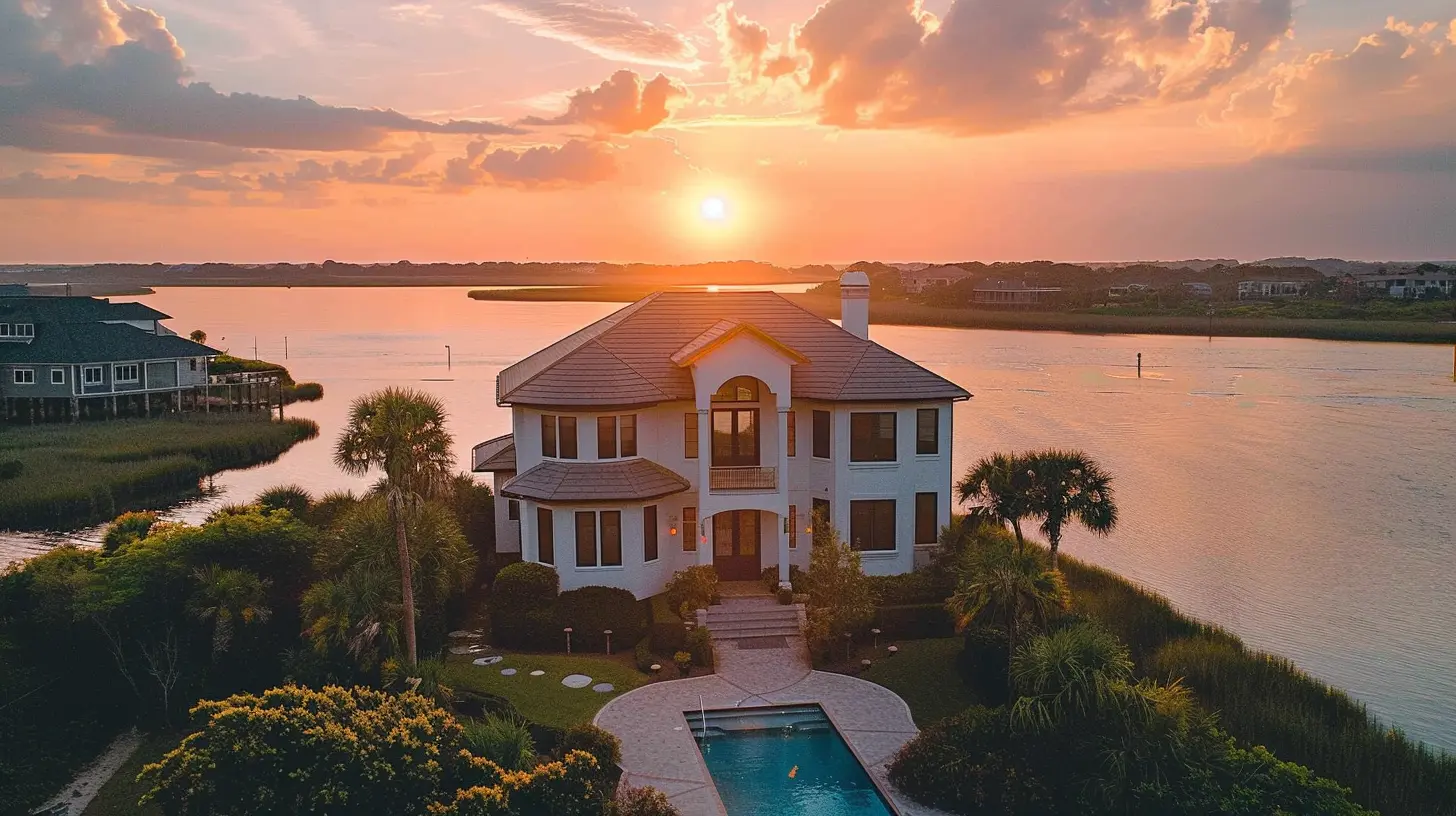
Is the Location Working for You?
When it comes to real estate, you’ve heard it before: location, location, location. A second home is no exception. Think long-term here because this decision can significantly affect your overall experience and potential return on investment.Here’s what to consider when choosing your spot:
- Accessibility: Is the home easy to reach? If it takes you hours of travel to get there, how often will you really use it?
- Weather and Seasons: A beachfront property might sound dreamy until you consider hurricane season. Similarly, a snowy mountain retreat may come with hidden costs like winterizing or year-round maintenance.
- Local Amenities: Are there shops, restaurants, and activities nearby? Convenience matters, especially if you’re planning to rent the property out to vacationers.
- Future Growth: Research the area’s development plans. Are there any upcoming projects that could increase property values—or maybe harm the vibe you’re looking for?
A location that aligns with your goals (whether lifestyle or investment) can make all the difference between joy and regret down the line.
Do You Have the Time and Energy to Manage It?
Here’s something people sometimes overlook when dreaming of a second home: it’s a time commitment. From upkeep to managing potential renters, owning a second property requires ongoing work. Are you ready for it?If not, you can always outsource. Hiring a property management company can save you headaches, but it’s an additional expense to factor into your budget. And if you’re buying in a remote location, things like emergency repairs or routine inspections might become a logistical challenge.
Think of it like adopting a puppy—it’s exciting at first, but it comes with responsibilities. If you don’t have the resources or time to care for the property, it could quickly turn from a source of relaxation to a source of stress.
Are You Thinking About the Long-Term Picture?
What’s your endgame? Buying a second home isn’t just about the here and now; it’s about how it fits into your life several years down the road.Ask yourself:
- Are you planning on using this property for retirement someday?
- Will this house be passed down to future generations, or will you sell it once it appreciates?
- Are you prepared for the possibility of market fluctuations?
Thinking long-term can help you decide how to structure your purchase. For example, if the plan is retirement, you might prioritize finding a low-maintenance property. If it’s a short-term investment, you'd focus on high-demand rental areas and cash flow potential.
Final Thoughts: Is Now the Time to Go for It?
So, is now the right time for a second home purchase? The answer depends on you, your finances, and your goals. If you’re financially ready, the market looks favorable, and you’ve found a location that ticks all your boxes, it might be the golden moment.But if you’re feeling unsure, don’t rush it. The real estate market ebbs and flows, and the perfect time to buy is when you’re fully prepared—mentally, emotionally, and financially.
Think of it like planting a tree: the best time may have been ten years ago, but the second-best time is when the conditions are truly right.
all images in this post were generated using AI tools
Category:
Second HomesAuthor:

Camila King
Discussion
rate this article
1 comments
Cara Perez
Great insights on the current market trends! It's a challenging decision, but the points you've raised will surely help potential buyers weigh their options effectively. Thank you for sharing!
May 28, 2026 at 11:22 AM
Camila King
Thank you for the thoughtful comment! I'm glad you found the insights helpful. Happy decision-making!