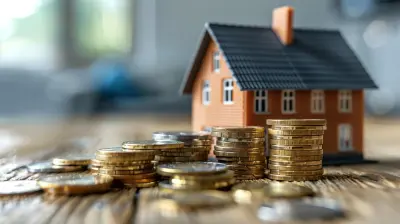
Real Estate Cycles: When to Buy, Hold, or Sell
28 June 2026
If you're thinking about getting into real estate—or even if you're already in the game—you've probably asked yourself: _“Is this the right time to buy?”_ Maybe you've wondered if it’s time to sell and cash out, or perhaps you’re sitting on a property, unsure if holding is your best move.
Here's the truth: understanding real estate cycles is like having a roadmap in a city where everyone else is just guessing. It won’t make you omniscient, but it sure gives you a powerful edge.
So, let’s break down the real estate cycle in plain English. No jargon. No fluff. Just real, actionable advice.
What Are Real Estate Cycles Anyway?
Real estate cycles are like the seasons of the property market. Just like the weather changes—the market does too.Imagine four seasons: Boom (Summer), Slowdown (Fall), Recession (Winter), and Recovery (Spring). The real estate market goes through these stages over and over again. Whether you're a seasoned investor or just starting, knowing where we are in the cycle helps you make smart moves.
The Four Phases of the Real Estate Cycle
Let’s zoom in and look at each phase so you can understand what’s really happening under the hood.1. Recovery Phase – The Market’s Springtime ?
This stage follows a downturn or recession. The economy starts to stabilize, and there's a subtle shift in the air. You might not see a huge jump in prices yet, but the signs are there—low interest rates, increased employment, and more investor confidence.What to Do:
- ✅ Buy smart. This is when you hunt for undervalued or distressed properties.
- ? Rehab and reposition. If you're into flipping, this is your goldmine.
- ? Research, research, research. Not all cities recover at the same pace.
Why it matters: This phase often offers the best deals—before prices soar.
2. Expansion Phase – The Hot Market ?
Ah, summer. Everything's heating up. Demand rises. Prices spike. Builders start building again. Inventory moves fast, and everyone, from investors to first-time buyers, wants in.What to Do:
- ✅ Buy if it still makes sense—but be picky.
- ? Hold onto solid properties for rental income or appreciation.
- ? Avoid overpaying. Don’t let FOMO (fear of missing out) cloud your judgment.
Pro tip: This is prime time for _refinancing_, locking in lower rates before the market peaks.
3. Hyper Supply Phase – The Oversaturated Market ?
This is fall. Builders got too excited during the boom, and now there's too much supply. Vacancy rates start rising. Rental growth slows. Tougher competition for tenants and buyers.What to Do:
- ? Chill on buying unless you spot a hidden gem.
- ? Hold, but monitor performance closely.
- ? Get ready to sell if your equity has grown and your ROI is slipping.
Heads up: This phase isn’t an immediate crash—but the warning lights are blinking.
4. Recession Phase – The Market’s Winter ❄️
Things get cold real quick. Prices dip. Demand dries up. Mortgage delinquencies may rise. Fear takes over. But guess what? This is also when fortunes are made—for those who are prepared.What to Do:
- ? Buy opportunistically. Distressed sales, foreclosures, and short sales become common.
- ? Hold if your cash flow is strong—don’t panic sell.
- ? Sell only if you must, ideally before deep discounts hit.
Silver Lining: Recessions are temporary. The smart play is long-term.
So… When Should You Buy, Hold, or Sell?
Let’s break this down in everyday terms.? When to Buy
- During recovery and early expansion.- When interest rates are low.
- When you find motivated sellers and undervalued gems.
- If the rents justify the price.
- When you’ve done the math—and it _actually works_.
? Think of buying like shopping during a clearance sale. The best time isn’t when the mall is packed (peak market). It’s when the shelves are full and no one’s paying attention.
⏳ When to Hold
- In expansion and hyper supply if your property still cash flows well.- When appreciation is strong, and the market’s still climbing.
- If taxes and interest rates are stable and manageable.
- You believe the area still has solid growth potential.
? Holding real estate is like aging a bottle of wine. The longer you hold (strategically), the sweeter the return—if the cork doesn’t dry out.
? When to Sell
- During late expansion or early hyper supply.- If your equity has grown and your cash-on-cash return is falling.
- When capital gains taxes are favorable (hello, 1031 Exchange).
- Or simply when you’ve met your financial goals.
? Selling isn't evil. Sometimes cashing out and reinvesting is the smartest move you can make.
How to Know What Phase We’re In
Now you’re probably wondering, "_Okay, so how do I figure out what phase we're in?_"Great question. Here's what to keep an eye on:
? Market Indicators
- Vacancy rates: Rising vacancies signal oversupply.- Rental growth trends: Slowing rent hikes mean demand is easing.
- New construction starts: A sudden spike? We may be peaking.
- Days on market: Homes sitting longer? Market’s cooling.
- Property prices vs. income/rent: If homes are overpriced compared to wages and rents, watch out.
? Economic Factors
- Interest rates (hint: rising rates = cooling demand)- Unemployment trends
- Inflation and wage growth
- Consumer confidence surveys
Combine these clues like a detective piecing together a mystery. No single signal tells the whole story, but together they paint a picture.
Regional Market Differences: One Size Doesn’t Fit All
Here's the kicker—real estate is hyper-local.One city might be booming while another is crashing. For example, Austin, TX might be deep in expansion while Detroit is still crawling out of recovery.
Always study your target market. Look at local job creation, infrastructure projects, migration trends, and school ratings. What’s happening in the national economy might not reflect what’s happening in your neighborhood.
Timing the Market vs. Time in the Market
Let’s clear something up.Trying to perfectly time the market is like trying to catch a falling knife—you’ll probably get hurt.
Instead, focus on buying right, managing well, and holding long-term (when applicable).
Real estate’s beauty lies in its compounding power. Appreciation, rent increases, mortgage pay-down—it all adds up. You don’t need to “hit the top.” You just need to be consistent, smart, and patient.
Common Mistakes to Avoid
Let’s keep it real. Even savvy investors make mistakes. Here’s what to steer clear of:- ❌ Getting too emotional. Always run the numbers.
- ❌ Overleveraging. Debt is powerful—but dangerous if overdone.
- ❌ Ignoring the cycle. Don’t buy high and sell low.
- ❌ FOMO-driven buying. Just because others are buying doesn’t mean it’s smart.
- ❌ Neglecting due diligence. If you wouldn’t skip a home inspection, don’t skip market research.
Wrapping It Up – Make the Cycle Work for You
Real estate isn’t a wild gamble—it’s a strategic game. And every successful player understands the cycle.Remember, it's not about reacting to the market—it's about anticipating it.
Know the phase. Know your goal. Make the move that matches both.
Because when you master the rhythm of real estate cycles, you're no longer dancing in the dark. You’re leading.
all images in this post were generated using AI tools
Category:
Market AnalysisAuthor:

Camila King
Discussion
rate this article
1 comments
Lincoln Pope
Understanding real estate cycles is crucial for making informed decisions. Timing your buy, hold, or sell strategy can significantly impact your investment returns and overall success.
July 1, 2026 at 3:51 AM