What You Need to Know About Renting During Study Abroad
2 June 2026
Studying abroad is one of the most exhilarating experiences of your life. New country, new people, and a whole lot of independence—it sounds like a dream, right? Well, until reality hits and you realize you need a place to live. Renting in a foreign country can be daunting, but don’t worry—I’ve got you covered. From navigating legal requirements to avoiding rental scams, here’s everything you need to know before signing that lease. 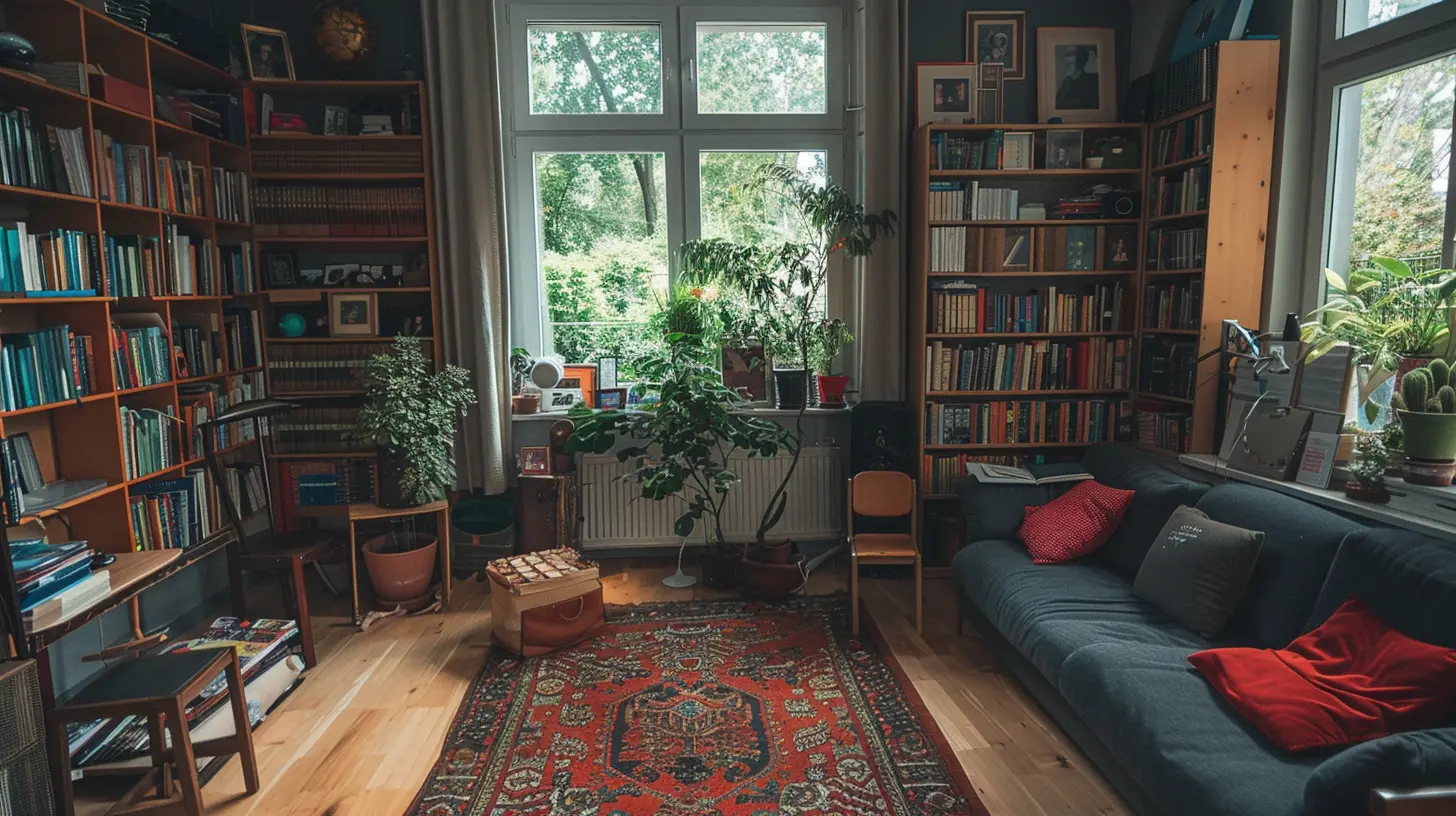
1. Start Your Search Early—Like, Yesterday
You wouldn’t leave packing for your trip until the night before your flight, right? (Okay, maybe you would—but don’t gamble with renting.) The best rentals get snatched up fast, especially in big cities with tons of international students. Start searching at least three to six months before you arrive to secure a good deal.Where to Look for Rentals?
- University Housing Portals – Some universities offer accommodation or recommend trusted rental platforms.- Facebook Groups & Local Listings – Many students find apartments through expat groups. Just beware of scams (more on that later).
- Real Estate Websites – Websites like Zillow, Rightmove, or local alternatives can have great listings.
- Student Housing Platforms – Sites like Uniplaces or HousingAnywhere specialize in student rentals.

2. Know Your Rental Options
Not all housing is created equal. Depending on your budget and comfort level, you might want to consider:A. Student Dorms
Pros:✅ Affordable
✅ Close to campus
✅ Easy way to make friends
Cons:
❌ Limited space
❌ Shared kitchens & bathrooms
❌ Strict rules (no parties, early curfews)
B. Shared Apartments
Pros:✅ More independence
✅ Split rent & utilities
✅ Usually more space than a dorm
Cons:
❌ Roommates can be a hit or miss
❌ Different cleanliness standards (a.k.a. dirty dishes war)
❌ Possible landlord disputes
C. Private Apartments
Pros:✅ Full privacy
✅ No messy roommates
✅ More control over your space
Cons:
❌ Higher rent
❌ Utility bills add up
❌ Might be harder to find as a foreign student
Choose wisely—your housing situation can make or break your study abroad experience. 
3. Understanding Rental Contracts—Read the Fine Print!
Nobody likes reading legal jargon, but skipping over your lease terms can land you in deep trouble. Here’s what to look for:✅ Lease Duration: Some landlords prefer long-term tenants. Make sure your lease aligns with your study period.
✅ Deposit & Fees: Landlords usually require a security deposit (one to three months’ rent). Check if it's refundable.
✅ Utilities & Fees: Ask if rent includes electricity, water, internet, and heating—these costs add up!
✅ Early Termination Clause: Plans change. Know the conditions for breaking your lease without losing all your money.
✅ Furnished vs. Unfurnished: A furnished place saves you from buying furniture, but expect a slightly higher rent.
If something in the contract feels sketchy, don’t just sign blindly—better safe than sorry. 
4. Beware of Scams—Because They’re Everywhere
Rental scams are rampant, especially in cities with a high demand for student housing. Here's how to avoid getting ripped off:? If It Looks Too Good to Be True, It Probably Is – A luxury apartment at a dirt-cheap price? Red flag.
? Never Wire Money Before Seeing the Place – If a landlord asks for a deposit before a viewing, run.
? Fake Listings Exist – Some scammers copy legitimate ads and change contact details. Double-check the listing on multiple platforms.
? Look for Online Reviews – If others have been scammed by the same person, chances are, you’ll find complaints online.
When in doubt, go through a verified rental platform or a real estate agent to ensure legitimacy.
5. Budgeting Like a Pro—Because Broke Student Life Is Real
Between tuition, food, flights, and weekend trips, your bank account will take a hit. Accommodation will likely be your biggest expense, so plan wisely.What Should You Budget For?
- Rent – Varies by city and country. Expect to pay more in big cities like London, Paris, or New York.- Utilities – Heating, water, electricity, and Wi-Fi can add an extra 20-30% to your costs.
- Transportation – If your place is far from campus, you’ll need to factor in public transport costs.
- Groceries & Essentials – Cooking at home saves money compared to eating out.
- Security Deposit – Usually equivalent to 1-3 months' rent (keep this in mind when calculating upfront costs).
Pro tip: Use budget tracking apps like Mint or YNAB to keep an eye on your spending—it’s way too easy to blow your savings on takeout and weekend getaways.
6. Location Is Everything—Choose Wisely
Your dream apartment won’t mean much if it takes you two hours to get to class every day. Consider these factors when picking a location:? Proximity to Campus – Living near your university can save time and transport costs.
? Public Transportation – If you’re further from campus, ensure you have easy access to buses, trains, or metro stations.
?️ Nearby Amenities – Are there grocery stores, cafes, and pharmacies within walking distance?
?️ Safety – Check local crime rates before committing to a neighborhood.
Use Google Maps & Street View to get a feel for the area before making any decisions.
7. Living With Roommates—Because Sharing Is (Sometimes) Caring
If you’re renting a shared apartment, brace yourself—living with roommates can be a blessing or a nightmare. Some tips to keep the peace:✅ Set House Rules – Agree on cleaning schedules, noise levels, and shared expenses.
✅ Communicate Openly – If something bothers you, talk it out instead of letting resentment build.
✅ Respect Boundaries – Everyone needs personal space. Don't be that roommate who eats someone else's food.
A good roommate can become a lifelong friend, but a bad one? Let’s just say—it’s a test of patience.
8. Adjusting to Cultural Differences
Moving to a new country means adapting to different rental norms. What’s normal in your home country might not fly where you’re studying.- In some countries, renting without a guarantor is nearly impossible. If you don’t have a local guarantor, be prepared to provide a larger deposit.
- Rental etiquette varies: In Japan, for example, landlords may expect a "gift money" payment, while in Germany, long-term rentals often come unfurnished.
- Landlords may have different expectations: Some may be hands-off, while others might drop by unannounced (which can be annoying).
Do some research so you’re not blindsided by cultural differences.
Final Thoughts
Renting during your study abroad adventure doesn’t have to be stressful—as long as you plan ahead, stay cautious, and know your rights. Finding the perfect place might take some effort, but once you're settled in, you’ll be free to focus on making unforgettable memories.So, ready to find your new home? Get searching—because the best spots won’t wait around forever!
all images in this post were generated using AI tools
Category:
Student HousingAuthor:

Camila King
Discussion
rate this article
2 comments
Anisa McInnes
Renting while studying abroad can be a daunting task. Research local markets, understand lease terms, and prioritize safety to ensure a smooth experience. Happy renting!
July 15, 2026 at 10:24 AM
Inez Holland
Embrace adventure and find your perfect home abroad!
June 13, 2026 at 4:55 AM