Mitigating Risks When Investing in Multifamily Properties
21 December 2025
Investing in multifamily properties can be a lucrative venture, offering steady rental income and long-term appreciation. However, like any investment, it comes with its own set of risks. Whether you’re a seasoned investor or a newbie looking to dive into the real estate market, understanding these risks—and more importantly, how to mitigate them—is crucial.
In this guide, we’ll break down the biggest challenges investors face when buying multifamily properties and share actionable tips to minimize potential pitfalls. 
1. Understanding the Common Risks in Multifamily Investments
Before we jump into mitigation strategies, let’s first understand what risks you're up against when investing in multifamily real estate.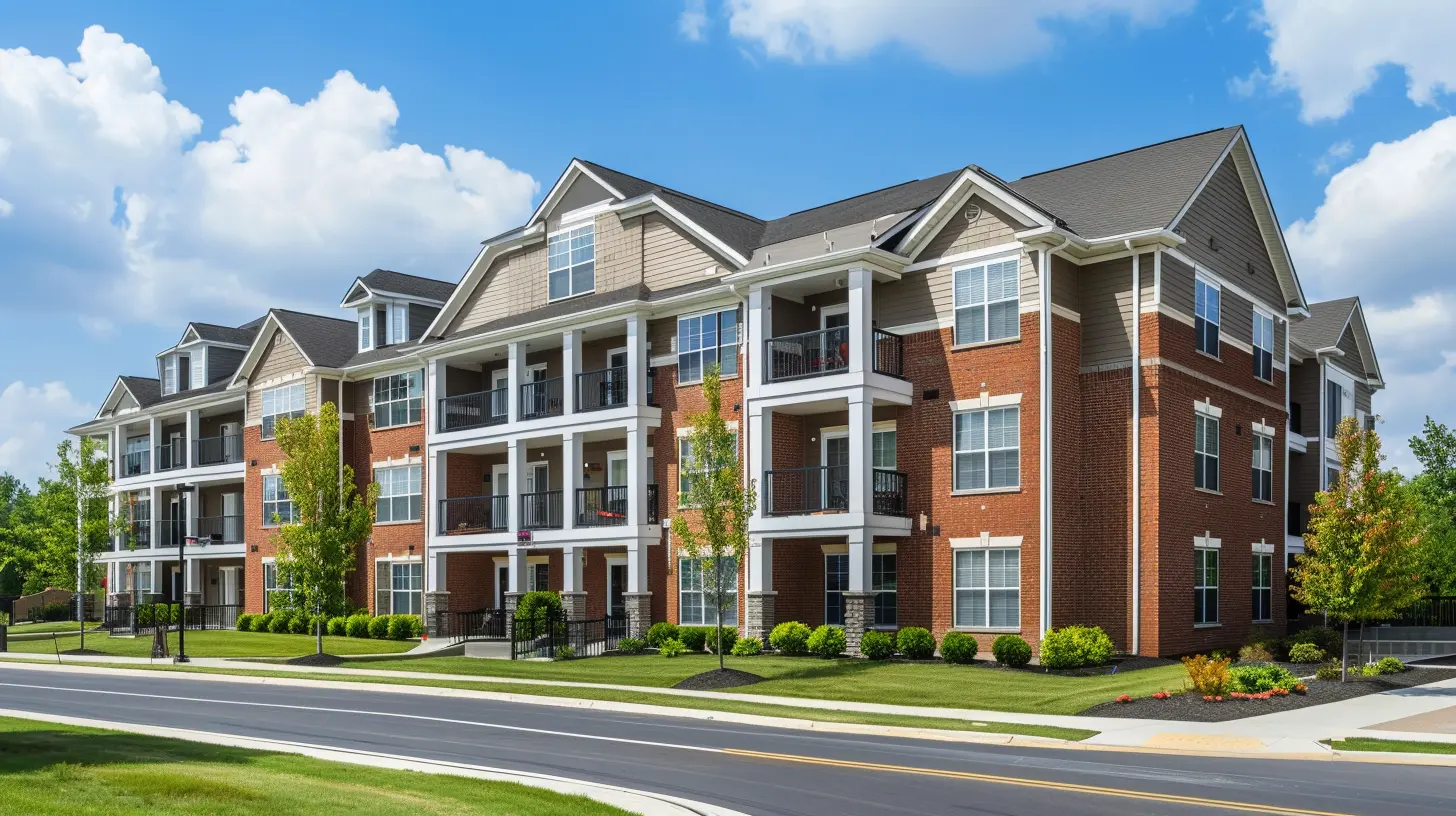
1.1 Market Volatility
The real estate market can be unpredictable. Economic downturns, changing interest rates, and shifting demand all impact rental income and property values.1.2 High Operating Costs
Multifamily properties come with significant expenses—maintenance, repairs, property management, taxes, and insurance. Miscalculating these costs can eat into profits.1.3 Tenant Risks
Problematic tenants can lead to late payments, property damage, and even legal battles. A high vacancy rate can also impact cash flow.1.4 Financing Challenges
Securing financing for multifamily investments isn’t always easy. Lenders have strict requirements, and high interest rates can affect profitability.1.5 Regulatory and Compliance Issues
From zoning laws to tenant rights, legal compliance is a must. Failing to adhere to local regulations can result in fines or lawsuits.
2. Strategies to Mitigate Risks in Multifamily Investing
Knowing the risks is only half the battle. Let’s explore the best ways to safeguard your investment and maximize returns.2.1 Conduct Thorough Market Research
Before buying a multifamily property, spend time researching the market.- Analyze neighborhood trends, job growth, and population growth.
- Review historical rental rates and vacancy trends.
- Check the supply and demand for rental properties in the area.
Investing in a strong rental market lowers the risk of vacancies and ensures a consistent rental income.
2.2 Be Conservative with Financial Projections
It’s easy to be optimistic about your investment, but realistic financial planning is crucial.- Account for routine maintenance costs and unexpected repairs.
- Factor in potential vacancy periods.
- Consider increasing interest rates when financing.
Having a financial cushion ensures that you won’t struggle when unexpected costs arise.
2.3 Screen Tenants Effectively
The wrong tenant can turn your investment into a nightmare. Avoid this by:- Running background checks, credit reports, and eviction history.
- Calling previous landlords for references.
- Setting clear rental criteria to attract responsible tenants.
A well-screened tenant is more likely to pay on time and take care of your property.
2.4 Diversify Your Rental Portfolio
If you’re planning to scale your real estate investments, don’t put all your eggs in one basket.- Invest in multifamily properties across different markets.
- Consider a mix of property types (e.g., small apartment buildings vs. duplexes).
Diversification spreads risk and protects your portfolio if one market experiences a downturn.
2.5 Hire a Reliable Property Manager
Managing a multifamily property on your own can be overwhelming. A great property manager:- Handles tenant screening and rent collection.
- Manages repairs and maintenance.
- Ensures legal compliance with local landlord-tenant laws.
While hiring a property manager adds an extra expense, it can save time, reduce stress, and improve tenant satisfaction.
2.6 Secure Proper Insurance Coverage
Never overlook insurance—it's your financial safety net.- Get landlord insurance to cover property damage, liability, and loss of rental income.
- Consider additional coverage for natural disasters, vandalism, or theft.
Adequate insurance ensures that unexpected issues don’t drain your cash flow.
2.7 Stay Updated on Legal and Regulatory Changes
Regulations and housing laws change over time. Keep yourself informed about:- Rent control laws that could impact pricing.
- Fair housing laws to avoid legal disputes.
- Local zoning changes that may affect property value.
An experienced real estate attorney or property manager can help navigate these legal aspects.
2.8 Maintain a Strong Emergency Fund
Even the best-planned investments encounter surprises. Having an emergency fund set aside for unexpected repairs, vacancies, or legal issues prevents financial strain.A good rule of thumb? Keep at least 3-6 months’ worth of operating expenses in reserve.
2.9 Buy Smart: Don't Overpay
Overpaying for a multifamily property can cripple your investment from the start.- Compare recent sales of similar properties in the area.
- Get a professional appraisal and property inspection.
- Negotiate aggressively to secure the best possible deal.
A well-negotiated price increases your profit margins and reduces financial risk. 
3. Final Thoughts: Smart Investing Leads to Bigger Rewards
Multifamily properties are a fantastic way to build wealth, but they’re not without risks. With proper research, smart financial planning, and good management, you can effectively mitigate these risks and maximize your investment's potential.Remember, real estate investing isn’t about quick wins—it’s about long-term strategy. Stick to the fundamentals, make informed decisions, and your multifamily properties will serve you well for years to come.
all images in this post were generated using AI tools
Category:
Multifamily PropertiesAuthor:

Camila King
Discussion
rate this article
2 comments
Georgia McVaney
Investing in multifamily properties requires diligent research and risk assessment. Diversifying your portfolio, understanding market trends, and maintaining strong tenant relationships are essential strategies for safeguarding your investment and ensuring long-term success.
December 23, 2025 at 4:22 AM
Camila King
Thank you for your insightful comment! You're absolutely right—thorough research, diversification, and strong tenant relationships are key to mitigating risks in multifamily investments.
Daria Gill
Great insights! I'm curious about the specific strategies for assessing risk. How do factors like location and tenant demographics influence your decision-making process in multifamily investments?
December 22, 2025 at 4:56 AM
Camila King
Thank you! When assessing risk in multifamily investments, location is crucial; it affects demand and property value. Additionally, tenant demographics inform our understanding of rental trends and potential volatility. We analyze these factors through market research and data analytics to make informed decisions.