Is Coastal Erosion a Concern? What to Know Before Buying a Beachfront Second Home
11 May 2026
Who doesn’t dream of sipping coffee on the deck of a beachfront home while watching the waves roll in? Owning a second home on the coast sounds like a dream come true. But before you make that big investment, there’s something important you need to consider—coastal erosion.
Yep, that picture-perfect view might not be as permanent as you think. So, is coastal erosion really a concern, or is it just one of those scary terms thrown around? Let’s break it down in a way that makes sense, so you know what to expect before signing on the dotted line. 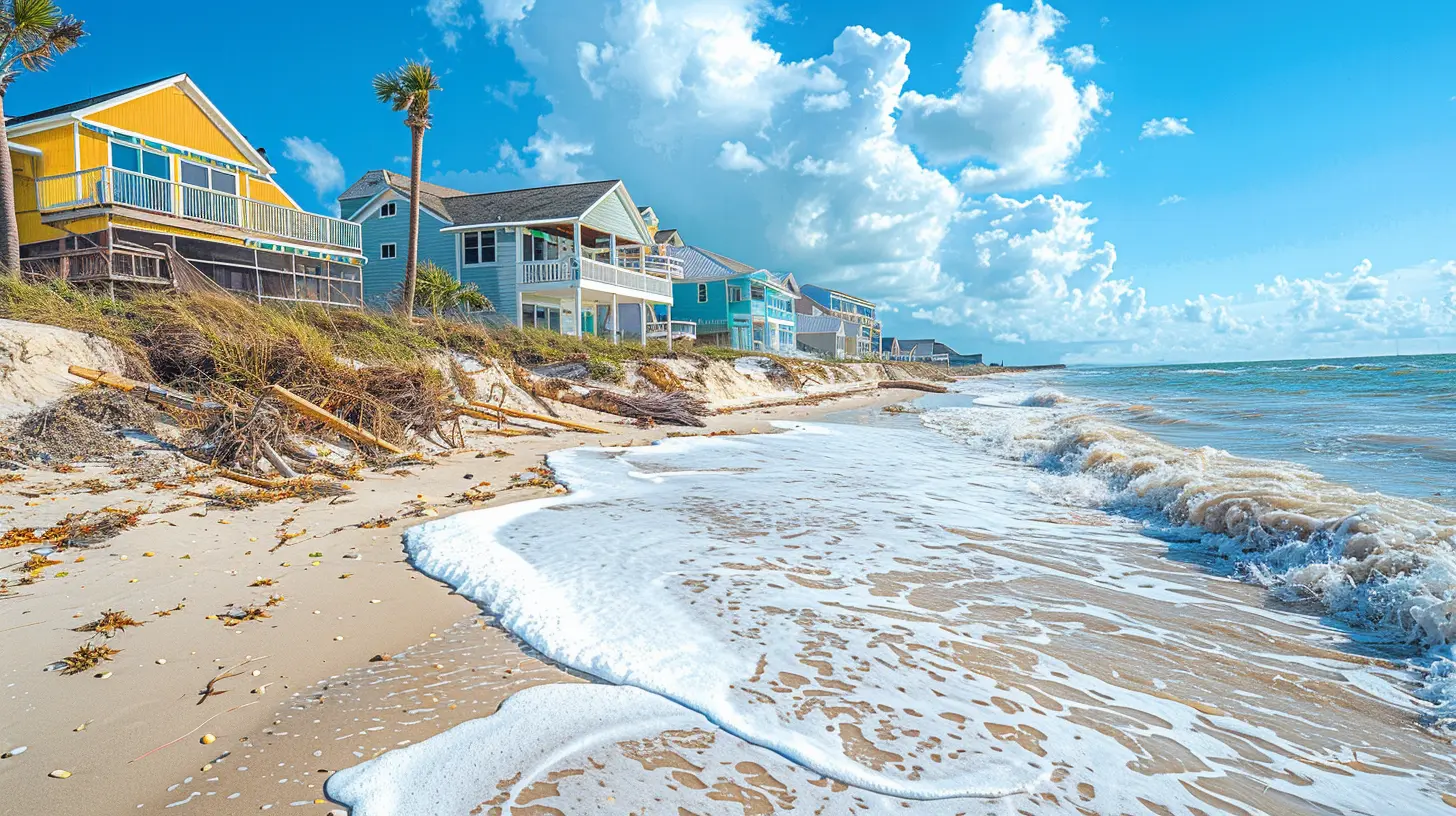
? What Is Coastal Erosion, and Why Should You Care?
Coastal erosion is basically the process of land being worn away by natural forces like waves, tides, and wind. Over time, this can cause beaches to shrink, cliffs to collapse, and—worst case scenario—homes to become unlivable.Sounds pretty intense, right? Well, it’s not as apocalyptic as it sounds, but it’s definitely something to factor in when buying a beachfront second home.
How Fast Does Coastal Erosion Happen?
It depends. Some areas see inches of erosion per year, while others might lose several feet annually. Factors like storms, rising sea levels, and human activity (think construction and seawalls) can speed up the process.If your dream home sits on a beach that’s shrinking at an alarming rate, that’s a red flag. The last thing you want is to invest in a house that could be uncomfortably close to the water in just a few years. 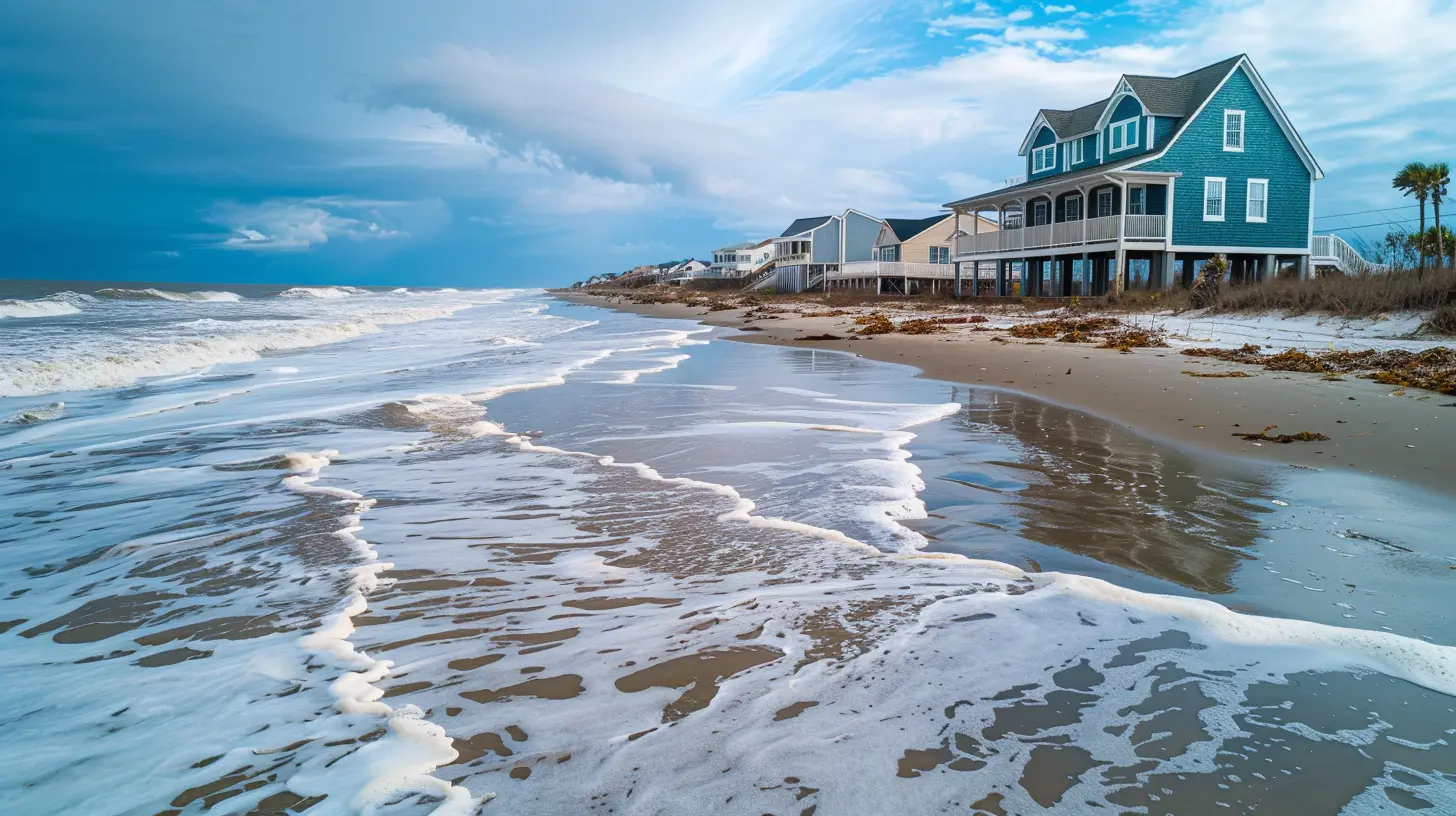
? Buying a Beachfront Second Home? Here’s What You Need to Know
Before you sign that contract, here are some things to consider to make sure your slice of paradise doesn’t disappear into the sea.1. Research the Shoreline History
Would you buy a used car without checking its history? The same rule applies here. Ask for historical data on shoreline changes in the area. Many local government agencies keep records of erosion trends.If the coastline has retreated significantly in the past 10–20 years, you might want to think twice. Also, check out satellite images from services like Google Earth to compare how the shoreline has changed over time.
2. Understand Local Regulations and Building Codes
Some areas have strict building codes to prevent homes from being too close to eroding shorelines. Others might require special permits to build sea walls or protective barriers.Find out:
✔️ How far back you’re allowed to build
✔️ If there are any restrictions or repair limitations
✔️ Whether the area is legally protected from certain reinforcements
3. Insurance Can Be a Nightmare
Normal homeowner’s insurance doesn’t usually cover losses due to coastal erosion. You might need additional coverage, and trust me, that can get pricey.Look into:
- Flood insurance (FEMA’s National Flood Insurance Program is a good place to start)
- Specialized erosion-related coverage
- Storm protection policies
And don’t just assume you can get coverage—some high-risk areas might not qualify for certain policies, making things even trickier.
4. Consider the Effects of Climate Change
Yep, it’s a biggie. Rising sea levels and stronger storms mean erosion is happening faster in some places. What may seem like an ideal location now could look very different in 20 years.Ask these questions:
- What’s the projected sea level rise in this area?
- Have recent storms caused significant damage nearby?
- Are there any government or community projects addressing erosion? 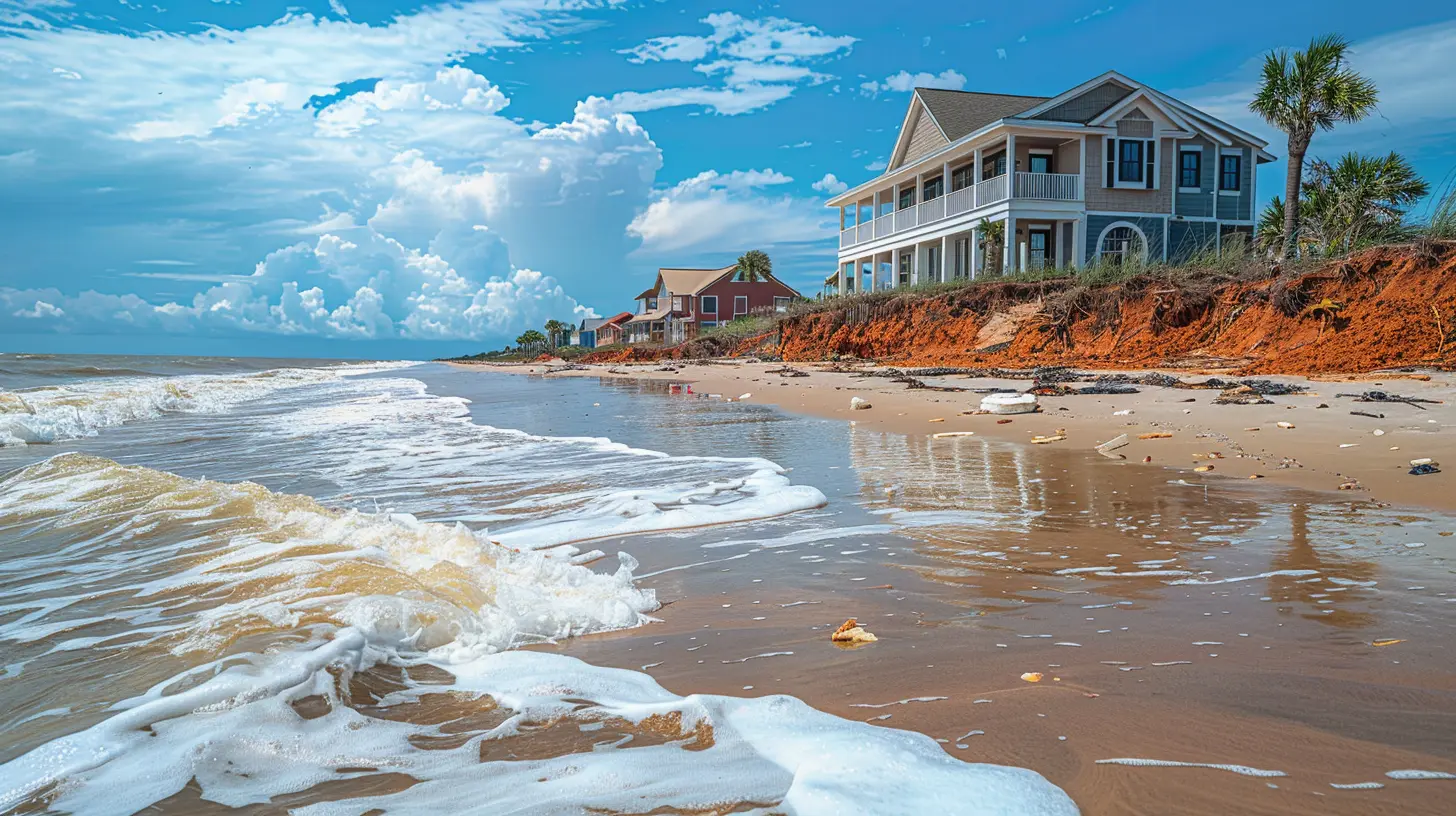
? Strategies to Reduce Your Risk
So, does that mean you should ditch the idea of buying a beachfront second home altogether? Not at all! It just means you need to be smart about it.1. Buy in an Area with Natural Barriers
Some beachfront properties are better protected than others. Homes that sit behind:- Cliffs
- Sand dunes
- Natural vegetation
...tend to be less vulnerable to erosion compared to those built directly on sandy beaches.
2. Invest in Reinforcement Methods
If erosion is a concern in your area, consider protective measures like:- Seawalls (though controversial, they can help in some cases)
- Beach nourishment (adding sand to eroded beaches)
- Retaining walls or bulkheads
Some of these solutions require permits, so check with local authorities before making changes.
3. Work With a Local Expert
A real estate agent who specializes in coastal properties can save you a ton of headaches. They’ll understand the risks, regulations, and market trends better than a general agent.Also, consider hiring:
✔️ A geotechnical engineer to assess soil stability
✔️ A surveyor to check for past erosion history
✔️ A contractor experienced in coastal construction 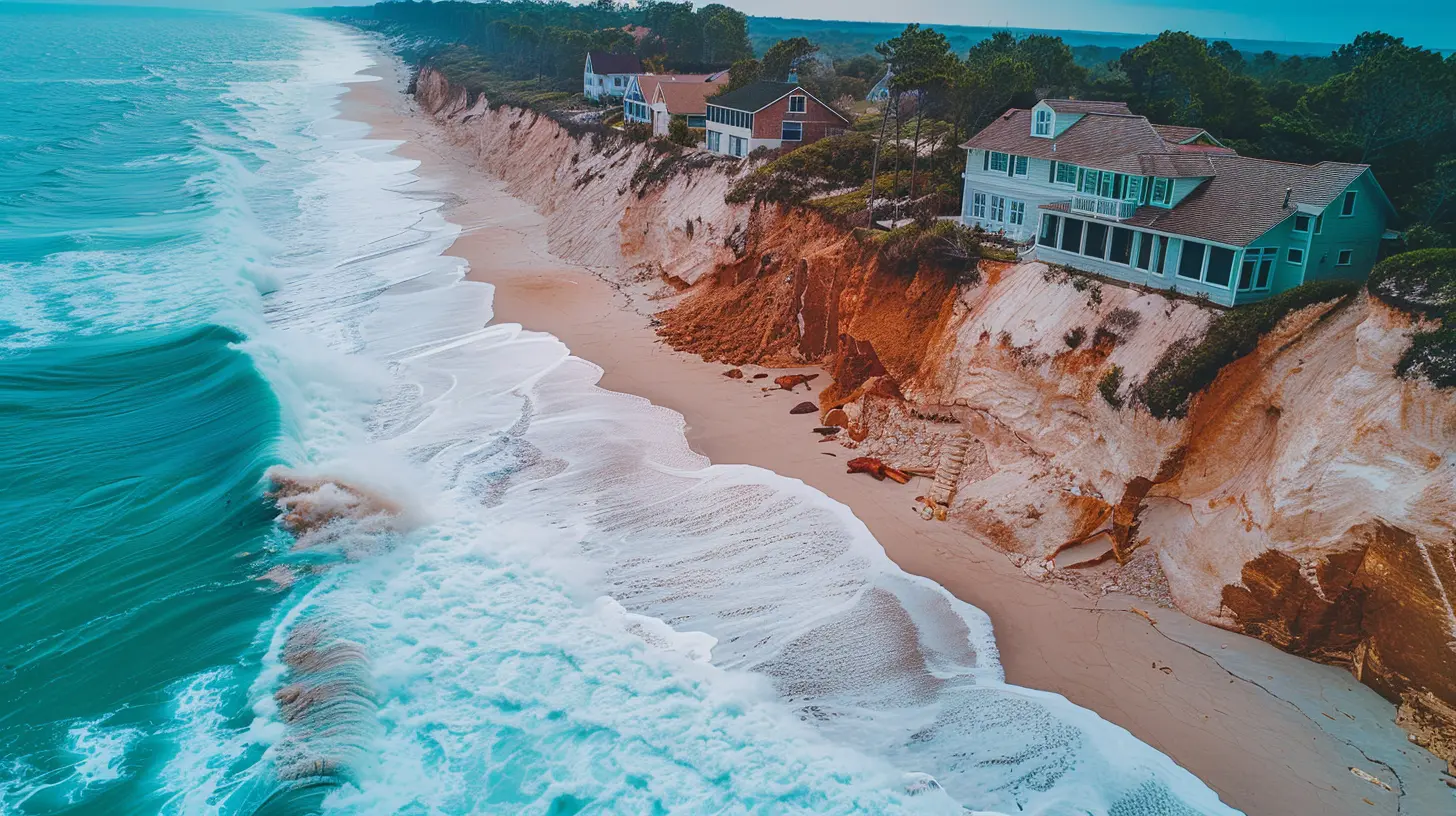
? Is a Beachfront Second Home Still Worth It?
Despite the risks, beachfront homes are still a great investment—if you do your homework. The key is to choose wisely and understand the potential trade-offs.Here’s what you gain:
✔️ A breathtaking view and tranquil environment
✔️ A high-demand rental property if you plan to rent it out
✔️ A relaxing getaway for vacations and retirement
On the flip side:
❌ Higher maintenance costs
❌ Potential for property loss due to erosion
❌ Insurance hurdles and policy costs
If you go in informed and plan for the future, the pros can definitely outweigh the cons.
? Final Thoughts
So, is coastal erosion a concern? Absolutely. But does that mean you should abandon your dream of owning a beachfront second home? Not necessarily.Do your research, weigh the risks, and take smart precautions. A house on the beach can be a fantastic investment and a personal paradise, as long as you make a well-informed decision.
At the end of the day, it’s all about balance—just like the waves lapping at the shore.
all images in this post were generated using AI tools
Category:
Second HomesAuthor:

Camila King
Discussion
rate this article
2 comments
Tabitha McNeely
Buying a beachfront home sounds dreamy until Mother Nature decides to throw a tantrum. Coastal erosion is like that uninvited guest at a party-one minute you're dancing, the next you're figuring out how to relocate your sandcastle!
June 3, 2026 at 8:23 PM
Camila King
You're right! The beauty of beachfront living comes with its challenges. It's essential to consider the long-term effects of coastal erosion before making that dream purchase.
Darius West
Consider erosion risks carefully to protect your investment long term.
May 20, 2026 at 11:03 AM
Camila King
I completely agree. Erosion can impact property value, so it's crucial to assess risks before making a purchase.