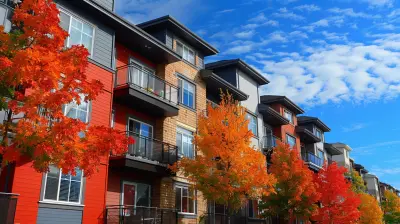
Mixed-Income Developments: A Pathway to Affordable Housing Solutions
21 January 2026
Housing affordability has become one of the most pressing issues of our time. As home prices and rent costs skyrocket, many families struggle to find a place to live that doesn’t break the bank. But what if there was a way to create vibrant communities where people from all income levels could live together comfortably?
That’s where mixed-income developments come into play. These communities are designed to integrate individuals from different financial backgrounds, promoting economic diversity and offering a potential solution to the affordable housing crisis. But do they really work? And if so, how do they impact the neighborhoods they’re built in?
Let’s dive into the concept of mixed-income developments and see whether they truly help bridge the housing gap.

What Are Mixed-Income Developments?
Mixed-income developments are residential communities that combine market-rate housing with affordable housing units. Instead of separating low-income residents into distinct areas, these developments integrate them alongside middle- and higher-income households.The goal? To foster inclusive, economically diverse neighborhoods that provide opportunities for people of all income levels.
Unlike traditional public housing, where lower-income families are clustered in one area, mixed-income housing is designed to eliminate economic segregation. These developments can include a variety of housing types, such as:
- Apartments with a mix of subsidized and market-rate units
- Townhomes that are sold at different price points
- Single-family homes that cater to various income levels
This approach isn’t just about affordability—it’s about community-building.
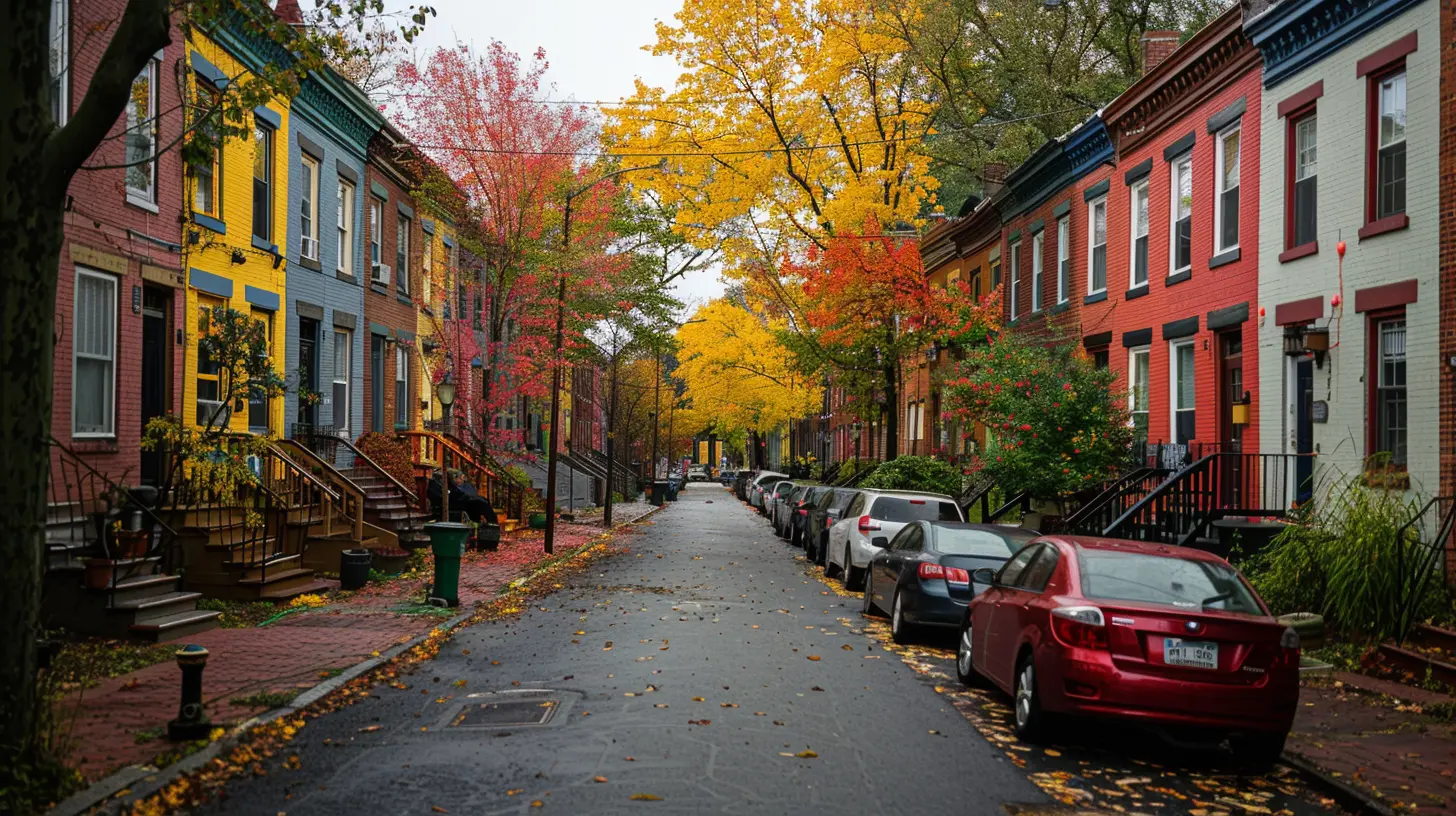
Why Mixed-Income Housing Matters
Affordable housing problems aren’t new. But the idea of integrating low-income families into wealthier neighborhoods is gaining traction because of its potential benefits.Here’s why mixed-income housing could be the solution we need:
1. Reduces Concentrated Poverty
Traditional low-income housing developments often face challenges like higher crime rates, underfunded schools, and limited access to job opportunities. When lower-income residents are integrated into mixed-income communities, they gain access to better schools, job markets, and safer environments—things that can help break the cycle of poverty.2. Encourages Economic Mobility
Living in a neighborhood with higher-income individuals can create networking opportunities that wouldn’t exist in low-income areas. Kids get access to better schools, adults have better chances of finding jobs, and families are exposed to new economic possibilities.3. Balances Community Development
By mixing different income levels, these developments can revitalize neighborhoods without causing extreme gentrification. Instead of displacing low-income families, they integrate them into the growth process, creating a more diverse and stable community.4. Reduces Social Stigma Around Affordable Housing
Let’s be real—traditional low-income housing often carries a negative reputation. But when affordable housing is integrated seamlessly within a high-quality development, it normalizes the idea that safe, attractive housing should be available to everyone.
Challenges of Mixed-Income Developments
While mixed-income developments offer many benefits, they aren’t perfect. Like any solution, they come with their own set of challenges.1. Resistance From Existing Residents
Not everyone is thrilled when they hear about affordable housing being introduced into their neighborhood. Some higher-income residents worry about property values dropping or increased crime rates—concerns that often stem from misconceptions rather than reality.2. Ensuring Inclusivity and Equity
Just because low-income residents live in the same buildings as wealthier neighbors doesn’t automatically mean they receive the same opportunities. Social divisions can still exist, and creating a truly inclusive community requires mindful planning.3. Financial Feasibility
Developing mixed-income housing requires balancing subsidies and market-rate pricing in a way that makes financial sense. If the numbers don’t add up, developers may hesitate to take on these projects.4. Long-Term Sustainability
Maintaining a mixed-income community over time requires proper policies and investment. If housing prices rise too much, lower-income residents may still be pushed out. Long-term affordability measures must be in place to ensure stability.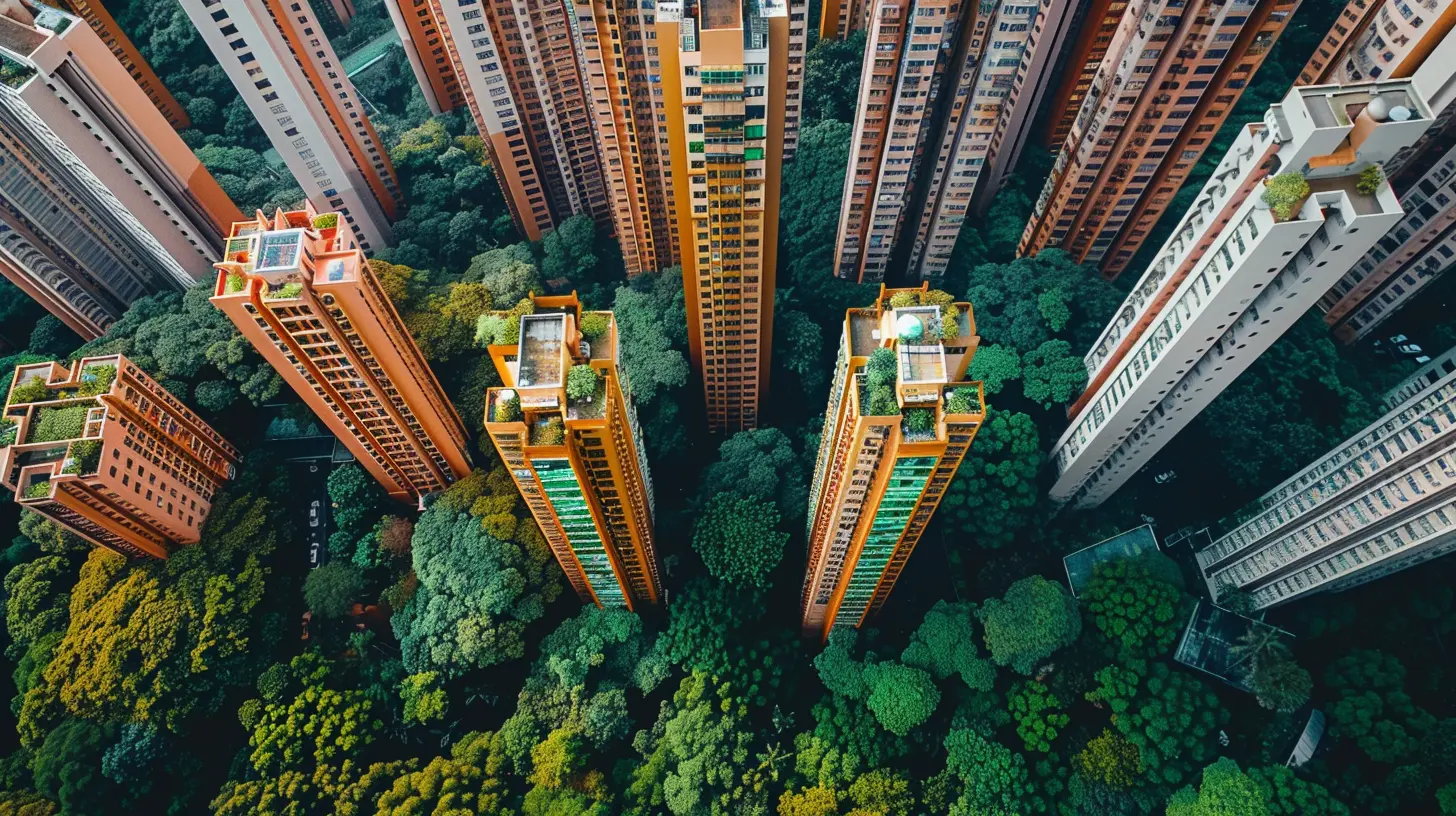
Success Stories: Where Mixed-Income Housing Works
Despite the challenges, some cities have successfully implemented mixed-income developments with great results.Harbor Point – Boston, MA
Harbor Point transformed one of the most notorious public housing projects into a thriving mixed-income community. With a mix of affordable and market-rate units, the development brought economic diversity and revitalized the area without displacing existing residents.Pueblo del Sol – Los Angeles, CA
Once a run-down public housing project, Pueblo del Sol is now a highly successful mixed-income community. It provides affordable housing while also offering higher-end residences, creating a balanced and inclusive neighborhood.Park DuValle – Louisville, KY
Park DuValle was built to replace a deteriorating public housing complex. Today, it’s a national model for mixed-income developments, featuring rental apartments, townhomes, and single-family homes catering to different income levels.How Can We Support More Mixed-Income Developments?
Creating more mixed-income communities isn’t just up to the government—it requires cooperation from developers, policymakers, and local residents. Here’s how we can encourage the development of more inclusive housing:1. Implement Strong Zoning Policies
City officials should adopt inclusionary zoning policies that require new developments to include a mix of income levels. This ensures that affordable housing is built alongside market-rate units.2. Offer Incentives for Developers
Building mixed-income housing comes with financial risks, so incentives like tax breaks, grants, and low-interest loans can encourage developers to take on these projects.3. Educate Communities
Many residents resist affordable housing due to stereotypes and misconceptions. Public education campaigns can help shift perceptions and highlight the benefits of mixed-income neighborhoods.4. Prioritize Long-Term Affordability
Mixed-income developments should be designed with long-term affordability in mind. This could mean setting rent or price controls on a portion of the units to prevent lower-income residents from being priced out over time.
Final Thoughts
Mixed-income developments aren’t a perfect solution, but they’re a step in the right direction when it comes to addressing the affordable housing crisis. By integrating residents from different financial backgrounds, these communities help break down economic barriers and create more inclusive neighborhoods.While challenges exist, the potential benefits—reduced poverty concentration, economic mobility, and strong community development—make it a promising pathway toward a more affordable housing future.
If we truly want to address housing inequality, we need more than just policies—we need real change. And mixed-income developments just might be a key piece of that puzzle.
all images in this post were generated using AI tools
Category:
Affordable HousingAuthor:

Camila King
Discussion
rate this article
2 comments
Carmel Rocha
Mixed-income developments represent a pragmatic approach to tackling the affordable housing crisis. By integrating diverse income levels, these projects foster community cohesion while providing essential housing options. Strategic planning and investment in such initiatives are vital for sustainable urban growth and equity.
January 28, 2026 at 4:00 AM
Camila King
Thank you for your insightful comment! I completely agree that mixed-income developments are key to creating inclusive communities and addressing the affordable housing crisis effectively.
Arwen Lee
This article highlights the importance of mixed-income developments in promoting affordable housing. By integrating diverse income levels, these projects foster community resilience and inclusivity. A promising solution indeed!
January 25, 2026 at 9:52 PM
Camila King
Thank you for your thoughtful comment! I'm glad you found the article's emphasis on mixed-income developments and their potential to enhance community resilience and inclusivity valuable.