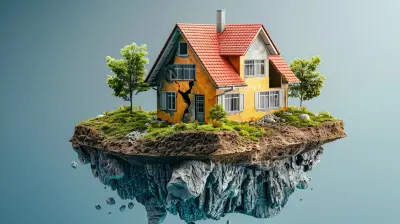
How to Assess the Resale Value of a Property
20 February 2026
When it comes to real estate, buying a home isn’t just about finding a comfortable place to live—it’s also a significant financial investment. If you plan to sell in the future, understanding the resale value of your property is crucial. After all, no one wants to purchase a home only to lose money when it's time to move on.
But how do you accurately assess the future resale value of your property? What factors determine whether your home will appreciate or depreciate over time? In this guide, we’ll break it all down so you can make a smarter, future-proof investment. 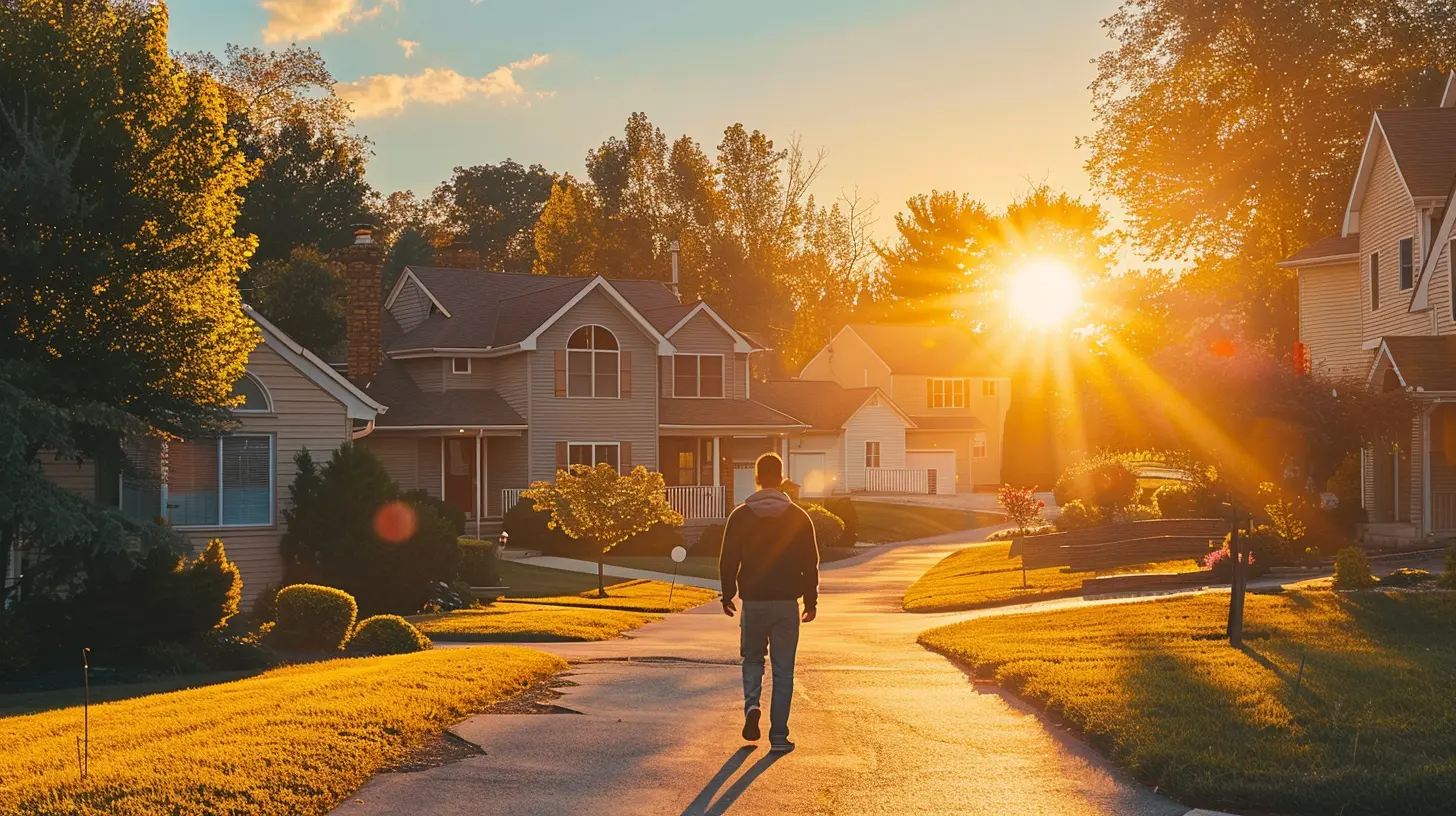
1. Location: The Golden Rule of Real Estate
You've probably heard it before—location, location, location! But what does that actually mean for resale value?A property located in a desirable neighborhood will always fetch a higher price than one in an area with lower demand. So, what makes a location desirable?
- Proximity to essentials – Homes close to schools, hospitals, shopping centers, and public transportation tend to hold their value better.
- Crime rates – Low-crime neighborhoods attract more buyers and can increase property value.
- Economic growth – Areas with upcoming commercial developments, job opportunities, and business expansions are great places to invest in real estate.
- Future infrastructure projects – If new highways, railways, or government projects are planned nearby, chances are your property’s value will rise.
If you're buying a home, do your research on the area. Look at historical price trends and see how the neighborhood has evolved over the years. 
2. Property Size and Layout
Bigger isn’t always better, but it certainly plays a role in how much your property will be worth in the future.- Square footage matters – Homes with larger living spaces generally have higher resale value. However, too much space in an undesirable location might not guarantee a high return.
- Functional layout – An odd, inconvenient layout can be a dealbreaker. Homes with open floor plans, ample storage, and practical room divisions tend to have a broader appeal.
- Number of bedrooms and bathrooms – More bedrooms and bathrooms typically mean a higher resale value, especially for family-friendly properties.
A well-proportioned home with a smart layout will attract more buyers, making resale much easier. 
3. Condition and Age of the Property
A brand-new home usually has a higher resale value than an old one that hasn't been maintained. However, that doesn’t mean older homes can’t be worth a lot—especially if they've been well cared for.- Regular maintenance – A property with a solid maintenance history (roof repairs, plumbing updates, HVAC servicing) can hold its value better.
- Updated interiors – Modern kitchens, renovated bathrooms, and fresh paint jobs can significantly boost a home’s resale potential.
- Structural integrity – A home with foundational issues, water damage, or pest infestations will drop in value quickly.
If you're selling in the future, keeping your home in top shape is one of the best ways to maintain—and even increase—its worth. 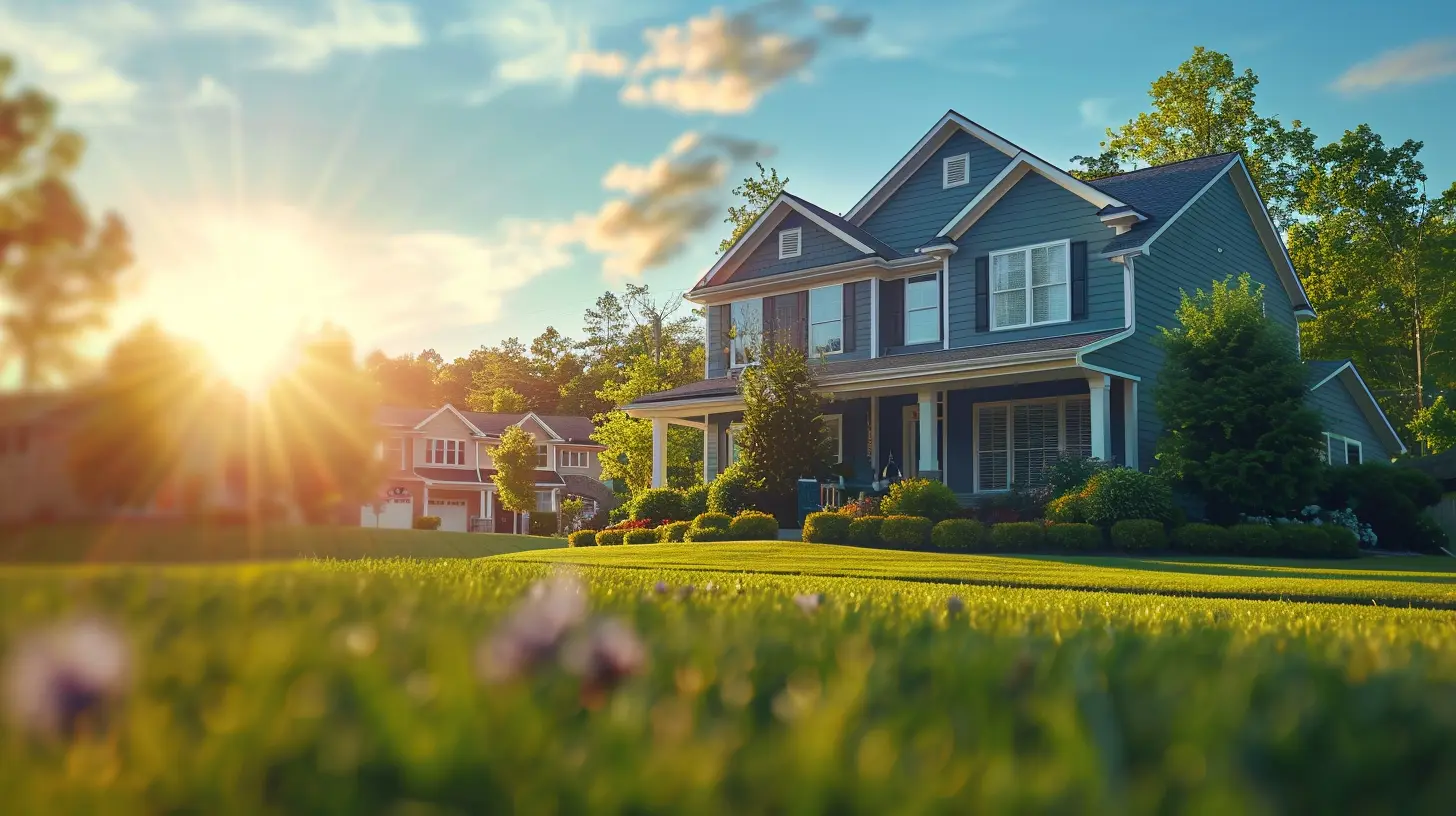
4. Market Trends and Economic Conditions
Sometimes, the real estate market is booming, and selling your home is a breeze. Other times, home prices stagnate or decline due to economic downturns. The state of the market plays a significant role in your property’s resale value.- Is it a buyer’s or seller’s market? In a seller’s market (when demand is high and supply is low), home values increase. In a buyer’s market (when supply outpaces demand), prices may drop.
- Interest rates and inflation – Higher mortgage rates can cool down the market, while lower rates often encourage buyers to purchase homes at higher prices.
- Local real estate trends – Some areas might be experiencing a surge in demand, while others might be slowing down. Keep an eye on whether property values in your location are rising or falling.
While the market is unpredictable, staying informed about local and national trends can help you time your sale for the highest potential return.
5. Curb Appeal and First Impressions
Never underestimate the power of first impressions! A well-maintained exterior can dramatically improve your home's resale value.- Landscaping – A neatly trimmed lawn, fresh mulch, and vibrant flowers can instantly boost curb appeal.
- Exterior upkeep – Chipped paint, broken shutters, or a cracked driveway can make buyers hesitant. Investing in minor exterior upgrades can pay off.
- Front entrance – A stylish front door, good lighting, and a welcoming entrance can make a home more inviting.
A home that looks good on the outside is more likely to attract buyers willing to pay a higher price.
6. Comparable Sales (Comps)
One of the easiest ways to gauge your home’s potential resale value is by looking at comparable properties (also known as "comps").Comps are similar homes in your area that have recently been sold. By comparing their sale prices, you can estimate how much your home might sell for in the future.
- Size and layout – Look at homes with similar square footage and floor plans.
- Location – Properties in the same neighborhood offer the most accurate comparison.
- Age and condition – A recently renovated home will likely sell for more than one in poor condition, even if they have the same layout.
Real estate agents and online listings can help you find comparable sales in your area.
7. Home Improvements and Upgrades
Not all home improvements will guarantee a higher resale value, but certain upgrades can make a big difference.High-Value Home Upgrades:
- Kitchen remodels – Modern kitchens are a major selling point for buyers.- Bathroom renovations – Updated bathrooms can add significant value.
- Energy-efficient features – Solar panels, smart thermostats, and better insulation attract eco-conscious buyers.
- Finished basements or attics – Extra usable space can boost your home's appeal.
Low-Value Upgrades:
- Luxury extras – Pools, extravagant landscaping, and custom-built features might not have the best return on investment.- Overly personalized decor – Unique color schemes or custom-built rooms may limit your potential buyer pool.
Before making renovations, consider whether the cost of upgrades will yield a good return when selling.
8. HOA and Community Rules
If your home is in a neighborhood with a Homeowners Association (HOA), its resale value might be affected by the community’s rules and fees.- Well-maintained communities – Homes in HOA-managed neighborhoods tend to have better curb appeal and higher values due to strict maintenance guidelines.
- HOA fees – If the monthly fees are too high, some buyers may be discouraged.
- Restrictions – Some HOAs have strict rules on exterior modifications, rental policies, and even parking regulations.
Before buying, check the HOA policies to ensure they won’t negatively impact your resale potential.
9. Rental Potential and Demand
If you ever plan to rent out your property before selling, consider its rental potential.- High-demand rental areas – Homes in college towns, near business districts, or in tourist destinations often have better appreciation rates.
- Short-term vs. long-term rental appeal – Some homes work better for short-term Airbnb-style rentals, while others are better suited for long-term leases.
- Rental income trends – If the area has rising rental rates, that’s a good sign for property value appreciation.
A property that doubles as a strong rental investment can increase its long-term resale value.
Final Thoughts
Assessing the resale value of a property isn’t an exact science, but considering these factors can give you a solid estimate of its future worth. Location, condition, market trends, and smart home improvements all contribute to whether your investment will grow over time.Whether you're planning to sell soon or years down the line, being proactive about maintaining and enhancing your property will always pay off. So, before making a purchase or listing your home, take a step back and ask—is this property future-proof?
all images in this post were generated using AI tools
Category:
Residential Real EstateAuthor:

Camila King
Discussion
rate this article
2 comments
Dana Nguyen
This article beautifully captures the essential factors in evaluating a property's resale value. Understanding market trends, neighborhood dynamics, and property conditions can make all the difference. It's a valuable guide for both buyers and sellers, ensuring informed decisions for a secure financial future. Thank you for sharing!
February 23, 2026 at 1:40 PM
Camila King
Thank you for your thoughtful feedback! I'm glad you found the article valuable in navigating the complexities of property resale value.
Fenris Reed
Evaluating resale value involves analyzing location trends, property condition, comparable sales, and market demand. Stay informed about neighborhood developments to ensure a smart investment.
February 21, 2026 at 5:48 AM
Camila King
Thank you for your insightful comment! You're absolutely right—location, condition, comparables, and market demand are crucial factors to consider for maximizing resale value. Staying updated on neighborhood developments is key to making informed investment decisions.