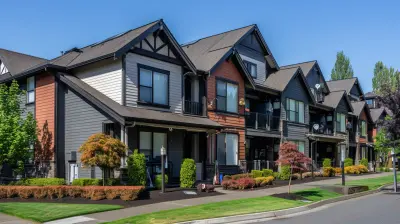
What Real Estate Experts Are Saying About Market Saturation
14 April 2026
The real estate market is a dynamic and ever-changing landscape. Investors, homebuyers, and sellers often hear the term "market saturation", but what does it really mean? More importantly, how does it impact property values, investment opportunities, and potential sales?
To get a clearer picture, we’ve tapped into insights from real estate experts who have closely observed market trends. In this article, we’ll break down what market saturation is, what experts are saying about it, and how it can impact your real estate decisions.
What Is Market Saturation in Real Estate?
Market saturation occurs when there are more properties available for sale than there are buyers willing to purchase them. Essentially, supply outpaces demand. When this happens, it often leads to slower sales, price reductions, and a more competitive market for sellers.However, not all saturation is bad. Some experts argue that a balanced market—where neither buyers nor sellers have the upper hand—can be beneficial for long-term stability. But when the market becomes oversaturated, it may cause property values to stagnate or even decline.
How Do Experts Measure Market Saturation?
Real estate professionals use several key indicators to determine whether a market is saturated. Here are a few metrics they monitor:
1. Housing Inventory Levels
A high number of unsold properties sitting on the market is a major red flag. If homes aren’t selling quickly, it could mean there are more listings than interested buyers.2. Days on Market (DOM)
The DOM metric indicates how long properties sit before getting sold. A sudden increase in DOM can suggest that buyers are hesitant, leading to potential market saturation.3. Price Trends
When prices drop significantly or sellers start offering incentives to attract buyers, it’s often a sign that demand is weakening relative to supply.4. New Construction Activity
If new developments continue at an aggressive pace without enough buyers to absorb the inventory, saturation may follow.5. Interest Rates & Economic Conditions
Higher interest rates can reduce buying power, leading to fewer home sales. Likewise, economic downturns can slow demand, even with available homes on the market.
What Real Estate Experts Are Saying About Market Saturation
So, what do the pros think? Let's take a look at expert perspectives.1. Industry Analysts Warn of Regional Saturation
Many real estate analysts agree that while the market may not be saturated nationwide, certain regions are experiencing an excess supply of homes. This is especially true in cities where developers have aggressively built new properties without matching demand.Example: Some metropolitan areas have seen an increase in high-rise condos, but with fewer buyers entering the market, these units remain unsold for extended periods.
2. Investors See Market Saturation as an Opportunity
Some real estate investors actually welcome saturation. Why? Because when supply outpaces demand, prices typically drop. For investors, this means buying properties at a discount and holding them until the market rebounds.However, seasoned investors caution that not every saturated market is a goldmine. They advise looking at long-term growth potential, economic trends, and job opportunities in the area before making a move.
3. Realtors Advise Sellers to Be Strategic
For homeowners looking to sell in a saturated market, real estate agents suggest pricing homes competitively and improving curb appeal. When buyers have multiple choices, a well-presented and well-priced home stands out.Some agents also recommend staging properties effectively, using digital marketing, and offering incentives like covering closing costs or including home warranties to attract buyers.
4. Economists Highlight the Role of Interest Rates
Many economists believe that housing demand is heavily tied to interest rates. A rise in mortgage rates decreases affordability, reducing the number of potential buyers in the market. If rates climb too high, market saturation can become a bigger issue.5. Homebuilders Adjust Strategies
Developers and homebuilders are adjusting their strategies based on market conditions. Some are slowing down new construction projects to avoid adding to the oversupply, while others are offering discounts or revising home designs to appeal to shifting buyer preferences.
Is Market Saturation Good or Bad?
It depends on which side of the transaction you're on.- For Buyers: A saturated market is great news! More options, price drops, and negotiating power make it easier to find the perfect home at a better price.
- For Sellers: It can be challenging. Increased competition might lower prices, which means sellers may have to wait longer or adjust expectations.
- For Investors: It presents opportunities, but only for those who do their homework. Buying in a saturated market requires careful analysis to ensure the investment will pay off in the long run.
How to Navigate a Saturated Market
If you're thinking of buying, selling, or investing in real estate, here are some expert-backed strategies to stay ahead:For Buyers:
✅ Take your time – With plenty of inventory, you don’t need to rush into a decision.✅ Negotiate aggressively – In a saturated market, sellers may be more willing to lower prices or offer perks.
✅ Look for hidden gems – Some homes might be overlooked due to minor cosmetic issues but offer great value.
For Sellers:
✅ Price it right – Overpricing in a saturated market can leave your home sitting for months.✅ Make your property stand out – Consider staging, upgrading appliances, or improving curb appeal.
✅ Hire an experienced agent – A knowledgeable real estate professional can help you navigate market conditions.
For Investors:
✅ Analyze local economic trends – Avoid areas where job losses or declining population could hurt property values.✅ Target undervalued properties – Look for homes that need minor renovations but are in high-demand neighborhoods.
✅ Be patient – Saturated markets can shift, and patience often leads to better deals.
Final Thoughts
Market saturation isn't necessarily a bad thing—it’s simply a phase of the real estate cycle. While sellers may need to adjust expectations and work a little harder to attract buyers, buyers and investors can benefit from lower prices and more choices.Real estate experts agree on one thing: the market is always evolving. Whether you're looking to buy, sell, or invest, understanding the signs of market saturation and adapting accordingly can make all the difference.
What are your thoughts on the current real estate market? Are you seeing signs of saturation in your area? Let us know in the comments!
all images in this post were generated using AI tools
Category:
Market AnalysisAuthor:

Camila King
Discussion
rate this article
2 comments
Aaron Lee
Exciting insights! Market trends keep evolving—great opportunities ahead!
April 18, 2026 at 4:13 AM
Camila King
Thank you! It's indeed an exciting time in real estate as we navigate these evolving trends. Opportunities abound!
Reece Allen
Great insights on market saturation! Understanding these trends is crucial for informed real estate decisions.
April 15, 2026 at 2:41 AM
Camila King
Thank you! I'm glad you found the insights helpful. Staying informed is key in this market.