How Construction Delays Alter Real Estate Supply and Pricing
8 April 2026
Let’s be real — nothing throws a wrench into the gears of a thriving real estate market quite like a construction delay. You’ve probably seen it: a shiny new development promised to open next month sits wrapped in scaffolding six months later. The truth is, when construction grinds to a halt, the ripples spread far and wide, especially across supply and pricing.
Whether you're a homebuyer anxiously awaiting your move-in date, a real estate investor crunching numbers, or even just someone curious about why prices go haywire from time to time, this topic digs into how those delays can have major impacts.
Why Construction Delays Happen in the First Place
Before we dive into how delays shake up the market, let's talk about what causes them. Spoiler alert: It’s not always just weather or lazy work crews. A lot goes on behind the scenes.1. Permits and Red Tape
Ever heard the phrase “hurry up and wait”? That’s basically how developers feel about building permits. Approvals from city councils, zoning departments, and environmental agencies can take months — even years in some areas. One missing signature can bring everything to a standstill.2. Labor Shortages
Skilled labor is becoming scarcer, especially in booming markets. If plumbers, electricians, or drywall specialists are tied up elsewhere, projects sit unfinished. No crew? No progress.3. Supply Chain Disruptions
Remember the pandemic-era plywood and steel shortages? Even something as small as missing doorknobs can delay final inspections. When materials get stuck in shipping containers halfway across the globe, it’s game over (at least temporarily).4. Weather and Natural Disasters
Mother Nature doesn’t check the construction schedule. Heavy rain, snowstorms, high winds — they all slow things down. In areas prone to hurricanes or flooding, entire timelines can be reset.5. Design Changes and Financing Problems
Sometimes, developers change course midway through – reworking designs or switching materials – which adds time. Or worse, the money runs dry. When investors pull out or loans get delayed, the entire project may pause until financing is secured.
Fewer Homes, Fewer Options: The Supply Crunch
Now let’s connect the dots. When construction delays hit, especially across multiple projects, the first casualty is housing supply.The Housing Pipeline Gets Clogged
Developers rely on tight schedules to release units into the housing market. When builds are delayed, new housing inventory gets pushed back. Imagine a bakery baking a hundred loaves of bread a day, but their oven breaks. Suddenly, there’s not enough bread to go around. That’s kind of what happens to housing supply when construction stalls.Existing Homes Carry the Weight
With fewer new builds hitting the market, buyers turn to existing homes — creating more competition. More demand, same supply? You guessed it: prices start creeping up.Rental Markets Feel the Squeeze Too
If people can’t move into new homes, they stay in rentals longer, which further stretches already-tight rental inventories. Landlords take note, and yup — rents go up too. It becomes a domino effect across the board.
Rising Prices: The Inevitable Domino Effect
When supply shrinks and demand holds steady (or worse, increases), prices naturally rise. It’s basic economics, but let’s unpack how delays specifically fan the flames.Per-Unit Costs Increase
The longer a unit takes to build, the more it costs to complete. Materials become more expensive, labor costs rise, and interest on loans accumulates. Developers don’t just eat those costs — they pass them on to buyers.Market Scarcity Drives Bidding Wars
In hot markets, people don’t want to wait. So they battle over what’s already built. A home listed for $500K might end up selling for $550K after five offers and a bidding war. Prices aren’t just rising — they’re skyrocketing.Investor Behavior Skews the Market
Investors (particularly in growth markets) often swoop in when they smell a shortage. If they see a slowdown in new inventory, they’ll snap up available homes — reducing stock even further. And guess what? They might hold onto those properties or rent them out for a pretty penny.Pre-Sales Lose Their Luster
In many markets, developers sell homes before they’re completed — sometimes before they’re even started. But when delays become common, buyers grow wary. Who wants to pay for something that might take years longer than expected? This weakens demand for presales and causes pricing inconsistencies.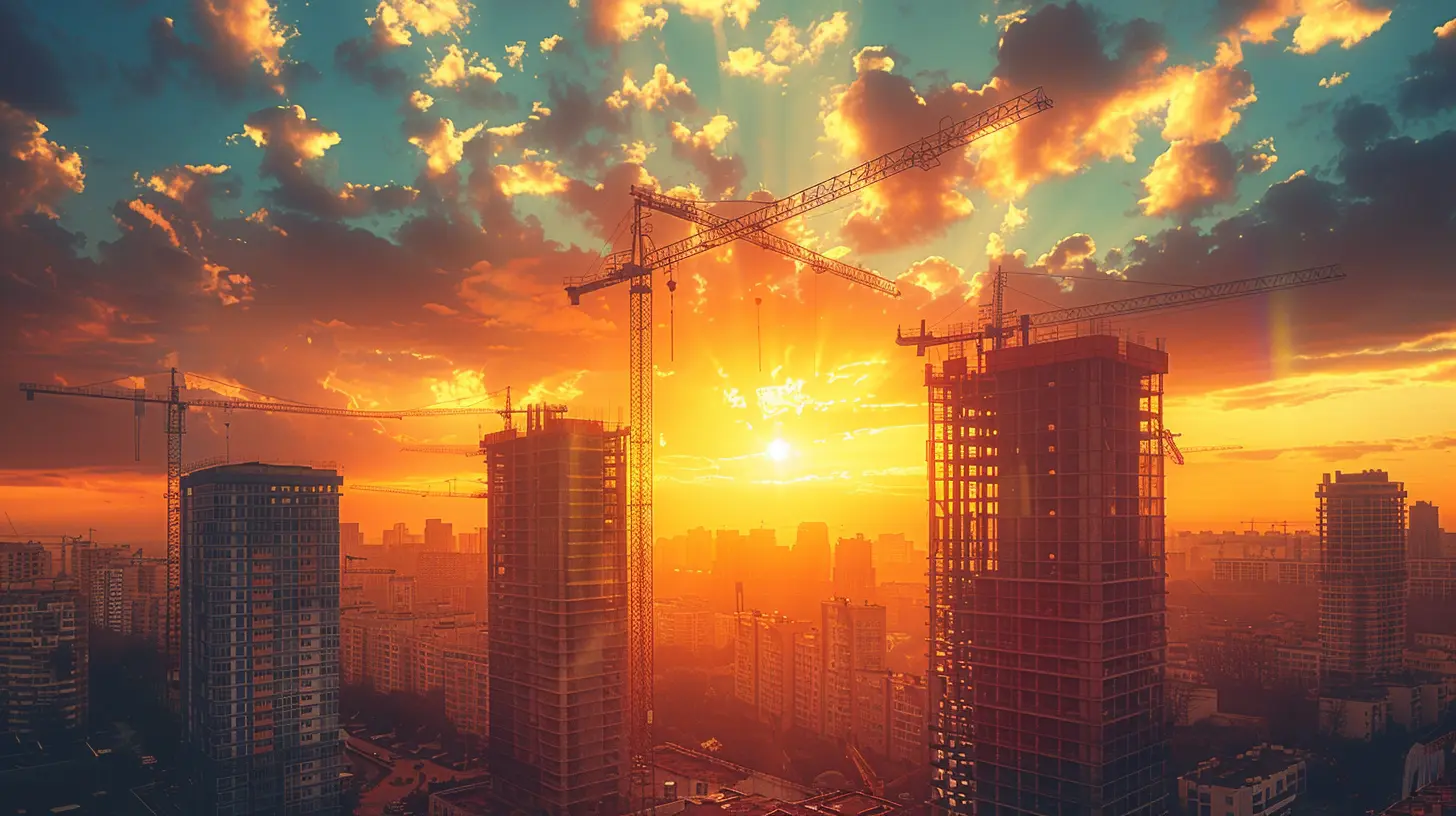
The Long-Term Impacts No One Talks About
Sure, short-term price hikes and delayed move-ins are frustrating. But what about the bigger picture? Construction delays can reshape entire markets over time.Urban Migration Patterns Shift
If a city becomes notorious for construction delays, people might avoid moving there altogether. Others may move out toward suburbs or other regions where housing is more readily available. Over time, this changes everything — from commuting patterns and school zone popularity to retail development and infrastructure investments.Trust in Developers Declines
Buyers aren’t just spending money; they’re investing faith. When delays become routine, buyer confidence takes a hit. They may become reluctant to buy newly built homes in the future, preferring established neighborhoods instead.New Regulations and Oversight
As frustration builds, local governments sometimes step in. This can lead to stricter construction timelines, penalties for delays, or incentives for early completion. While this might sound good, it can also increase bureaucratic red tape — yet another roadblock.A Real-Life Scenario: The Ripple of a Single Delay
Let’s put this into a real-world lens.Imagine a new 200-unit condo development is supposed to open in downtown Miami. Thousands of people are lining up, some even putting down deposits.
Then the delay hits. Why? A shortage of electrical panels from overseas.
Now:
- Those 200 families are stuck in limbo — either renting longer or crashing with relatives.
- Competing buildings nearby see a spike in prices because, hey, they’re ready now.
- Contractors and suppliers scramble to reschedule, which messes with their other commitments.
- And the city sees less revenue from property taxes, slowing funding for schools, roads, and more.
That one delay? It causes shockwaves across the board.
Can We Fix This?
Honestly, there’s no magic bullet. But there are steps developers, governments, and even buyers can take to minimize the damage.Developers Can:
- Build in buffer time and budgets.- Vet suppliers and diversify the supply chain.
- Communicate transparently with buyers from day one.
Governments Can:
- Streamline permit processes.- Offer incentives for on-time completion.
- Encourage skilled trade education to fill labor gaps.
Buyers Can:
- Do due diligence on developer history.- Ask for construction timelines and contingency plans.
- Be cautious with pre-construction purchases unless timelines are clear.
Conclusion: A House Isn’t Just Bricks and Mortar
You know, we often think of homes as just structures — four walls, a roof, maybe a porch. But behind every home is a journey. And when construction delays get in the way, they alter more than just schedules. They change prices, reshape communities, and challenge our patience.The next time you see a half-finished building on your drive to work, remember — it’s not just a hunk of concrete. It’s a signal. A ripple. A missing piece in the vast and delicate puzzle that is the real estate market.
It’s a reminder that in real estate, time isn’t just money — it’s everything.
all images in this post were generated using AI tools
Category:
Market AnalysisAuthor:

Camila King
Discussion
rate this article
2 comments
Quincy McKnight
Embrace the challenges of construction delays as opportunities for innovation and resilience. Together, we can navigate change and shape a brighter real estate future!
April 10, 2026 at 4:11 AM
Camila King
Absolutely, challenges in construction can spark creativity and adaptability. They push us to find new solutions and ultimately strengthen the real estate market.
Shannon Davis
Delays tighten supply, driving up prices.
April 9, 2026 at 10:45 AM
Camila King
You're right. Delays can create shortages in supply, leading to higher prices in the real estate market. It's a challenging cycle.