What Urban Homebuyers Are Looking for in 2026
16 April 2026
Let’s be honest—the urban homebuyer of 2026 isn’t just buying four walls and a roof. They’re investing in a lifestyle, a statement, and a personal ecosystem. The city dweller’s dream has evolved, accelerated by technological leaps, climate realities, and a fundamental rethinking of what “home” means in a densely packed world. So, what’s on their must-have list? It’s no longer just about granite countertops and a good school district. We’re talking about homes that are chameleons, tech hubs, and climate fortresses all rolled into one. Buckle up; we’re diving into the future of urban living.
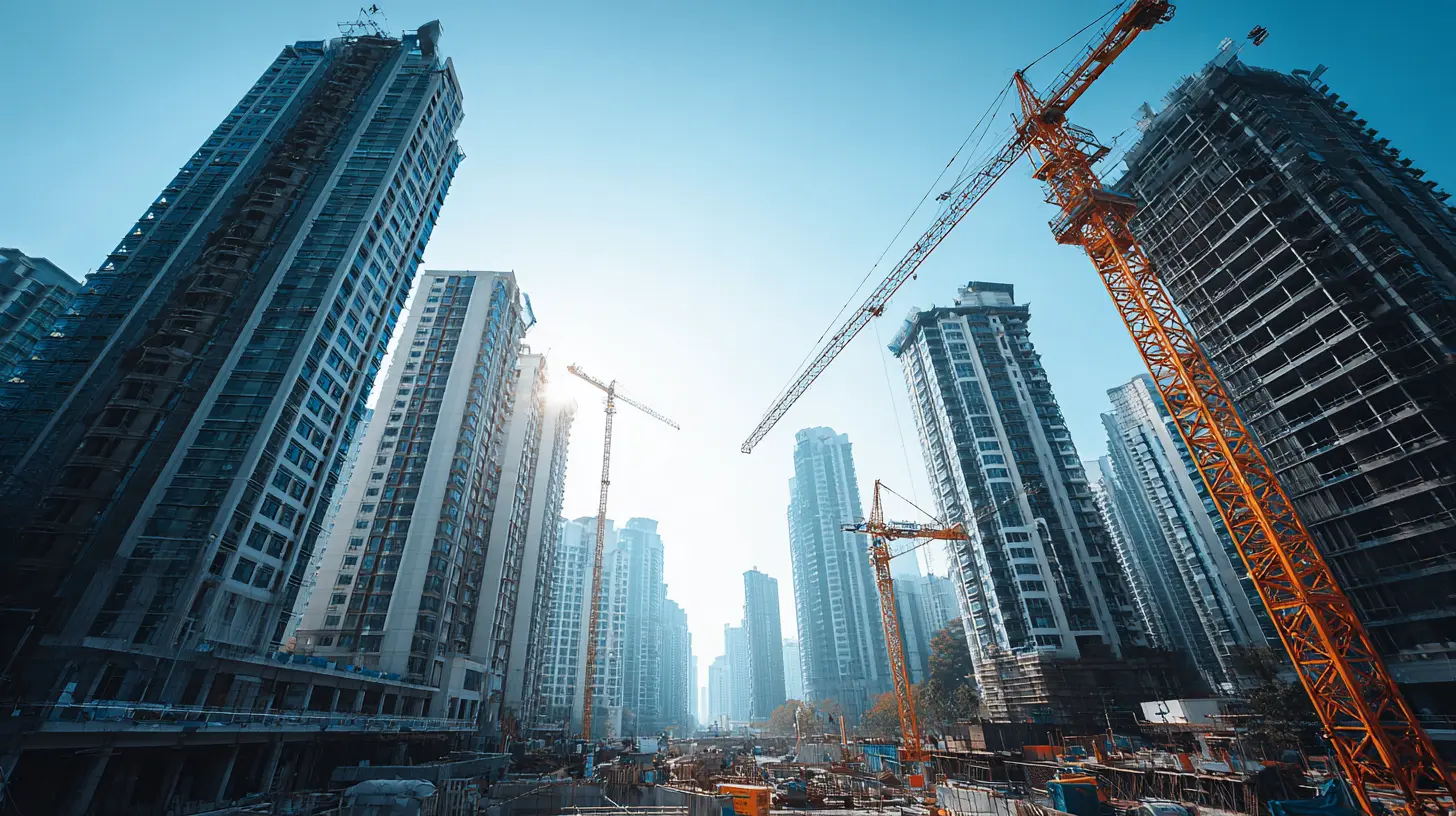
The Great Reshuffle: From Square Footage to "Smart Footage"
Remember when bigger was always better? That mantra is gathering dust. The 2026 urban buyer is a master of spatial alchemy. They’re not looking for vast, echoing rooms but for intelligent, adaptable spaces that earn their keep every single hour of the day. Think of it as moving from square footage to “smart footage.”A living room that transforms into a private yoga studio at 6 AM, a home office by 9 AM, and an immersive cinema by 8 PM isn’t a fantasy; it’s an expectation. We’re seeing the rise of the multifunctional core—a central living area designed with modular, movable furniture, sound-dampening partitions, and smart lighting that can change a room’s mood and purpose with a voice command. The home itself becomes a responsive partner, not just a container. Why have a dedicated guest room that sits empty 340 days a year when a sleek, wall-bed Murphy system in your office can do the job perfectly? Efficiency is the new luxury.
Tech That Breathes: The Invisible, Intuitive Ecosystem
Here’s where it gets sharp. The tech-savvy buyer of 2026 is over clunky apps and a dozen different remotes. They want ambient intelligence. The technology won’t be something you see; it will be something you feel. It’s the difference between a tool and an environment.Imagine a home that anticipates you. Your circadian lighting system gently brightens to simulate sunrise, nudging you awake. The air quality sensors detect rising pollen and automatically engage advanced filtration before you even sneeze. Your fridge doesn’t just tell you you’re out of milk; it analyzes consumption patterns, adds it to a sustainable delivery order, and suggests a recipe for dinner based on what’s already inside. This isn’t about gadgets; it’s about a seamless, integrated ecosystem that reduces cognitive load. Security? Think facial-recognition-enabled entry that greets you by name and discreetly alerts you to an unknown person at the door, all without a blaring alarm. The urban home is becoming a living, breathing entity that manages its own health—and yours.
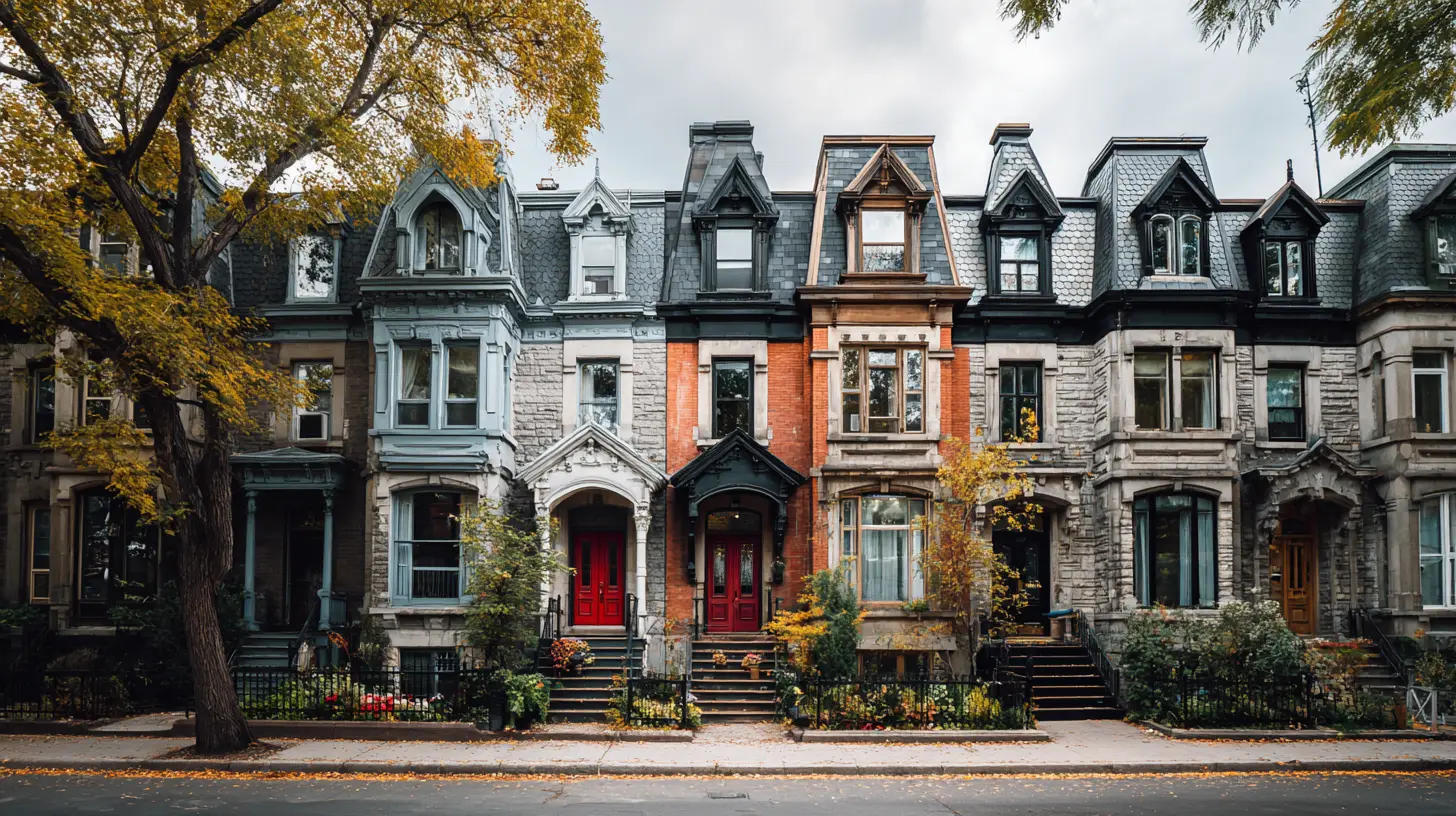
The Green Imperative: Beyond Solar Panels
Sustainability has moved from a nice-to-have feature to the non-negotiable foundation. But in 2026, it’s evolved. It’s not just about slapping some solar panels on the roof and calling it a day. Today’s urban buyer is looking for resilient and regenerative living. They’re not just trying to reduce their carbon footprint; they’re seeking a home that actively contributes to personal and planetary well-being.We’re talking about biophilic design taken seriously. This means large, energy-efficient windows that provide a tangible connection to green spaces (even if it’s just a well-designed communal courtyard), interior living walls that purify air and reduce stress, and the use of natural, non-toxic materials like cork, mycelium insulation, and reclaimed wood. Water reclamation systems will be standard in forward-thinking developments, capturing rainwater for irrigation and greywater uses. But the real shift is towards energy independence. Homebuyers will prioritize buildings with integrated renewable sources (solar, perhaps even small-scale wind), coupled with next-generation home battery systems. Why? It’s not just about virtue; it’s about grid resilience. In an era of increasing climate volatility, a home that can keep the lights on and the temperature stable during an outage is a safe haven. It’s a climate-proof investment.
The 15-Minute Neighborhood: Hyper-Local is King
Location, location, location has been reborn. The prime urban location in 2026 isn’t just a prestigious zip code; it’s the self-sufficient, walkable ecosystem. The pandemic taught us the value of our immediate surroundings, and that lesson has stuck. The ultimate urban luxury is time and convenience.Enter the dominance of the “15-minute neighborhood” concept. The ideal urban home is a hub within a 15-minute walk or bike ride of everything: a genuine grocery store (not just a convenience mart), a healthcare clinic, a great coffee shop, a park, a pharmacy, and a transit node. The car becomes an occasional tool, not a daily necessity. This hyper-local focus fosters community, reduces stress, and promotes a healthier lifestyle. Developers aren’t just building apartments; they’re curating micro-communities with ground-floor retail, public plazas, and shared amenities that encourage interaction. The home extends beyond its front door into a vibrant, supportive, and convenient immediate world.
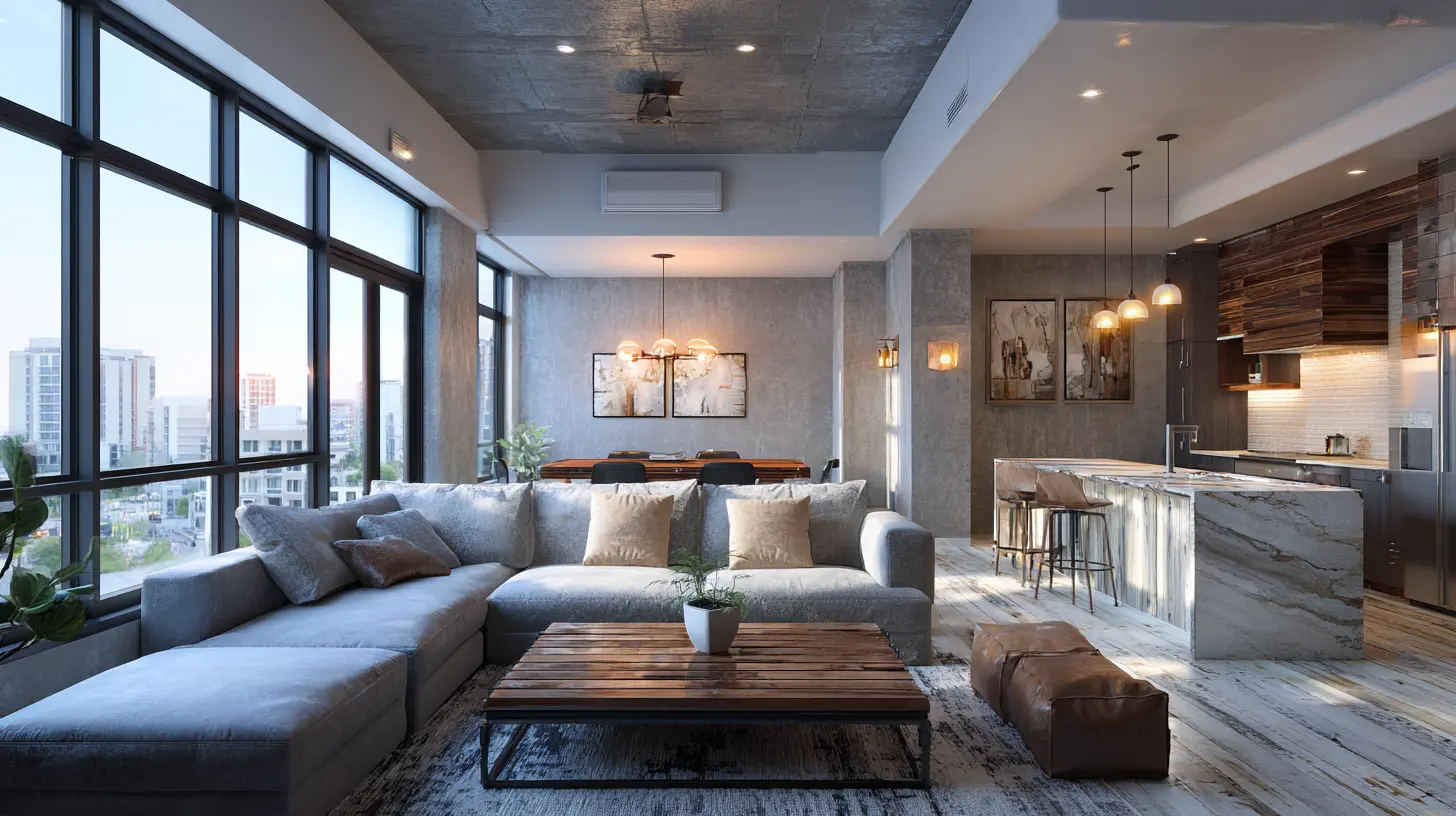
Community and Connection: The New Amenities War
Speaking of community, the amenity wars have escalated. The standard gym and rooftop BBQ are table stakes. The 2026 buyer is looking for meaningful, third-space amenities that build connection and cater to a holistic lifestyle.What does this look like? Think co-working lounges with enterprise-grade wifi and soundproof pods that are actually better than your dining table. Not just a gym, but a wellness studio with booking for on-demand yoga classes, meditation pods, and even a recovery room with cold plunges. Pet spas with grooming stations and indoor dog runs. Secure, tech-enabled package rooms with cold storage for groceries. Urban farming plots or sophisticated hydroponic gardens where residents can grow their own herbs and vegetables. Some forward-thinking developments might even offer shared tool libraries, maker spaces, or music rooms. The goal is to provide services and spaces that residents would otherwise have to seek (and pay for) outside their building, fostering a sense of belonging and turning a building of strangers into a network of neighbors.
The Flexible Floorplan: Walls That Move
We touched on adaptable spaces, but this deserves its own spotlight. The way we work, live, and play has become fluid, and our homes must keep up. The rigid two-bedroom, one-living-room layout is facing extinction.Demand for flexible, or “pod-based,” floor plans will skyrocket. Buyers will look for homes designed with non-load-bearing walls, allowing them to reconfigure spaces as their lives change. Need a nursery? Partition off a section of a larger room. Kids moved out? Open it back up into a grand entertaining space or create a dedicated hobby room. This is facilitated by advances in construction and smart home tech—wireless power, modular plumbing rough-ins, and centralized climate control that can adapt to new room layouts. The home becomes a lifelong companion, able to morph through life’s stages without the need for a disruptive and expensive move. It’s the ultimate in personalization and long-term value.
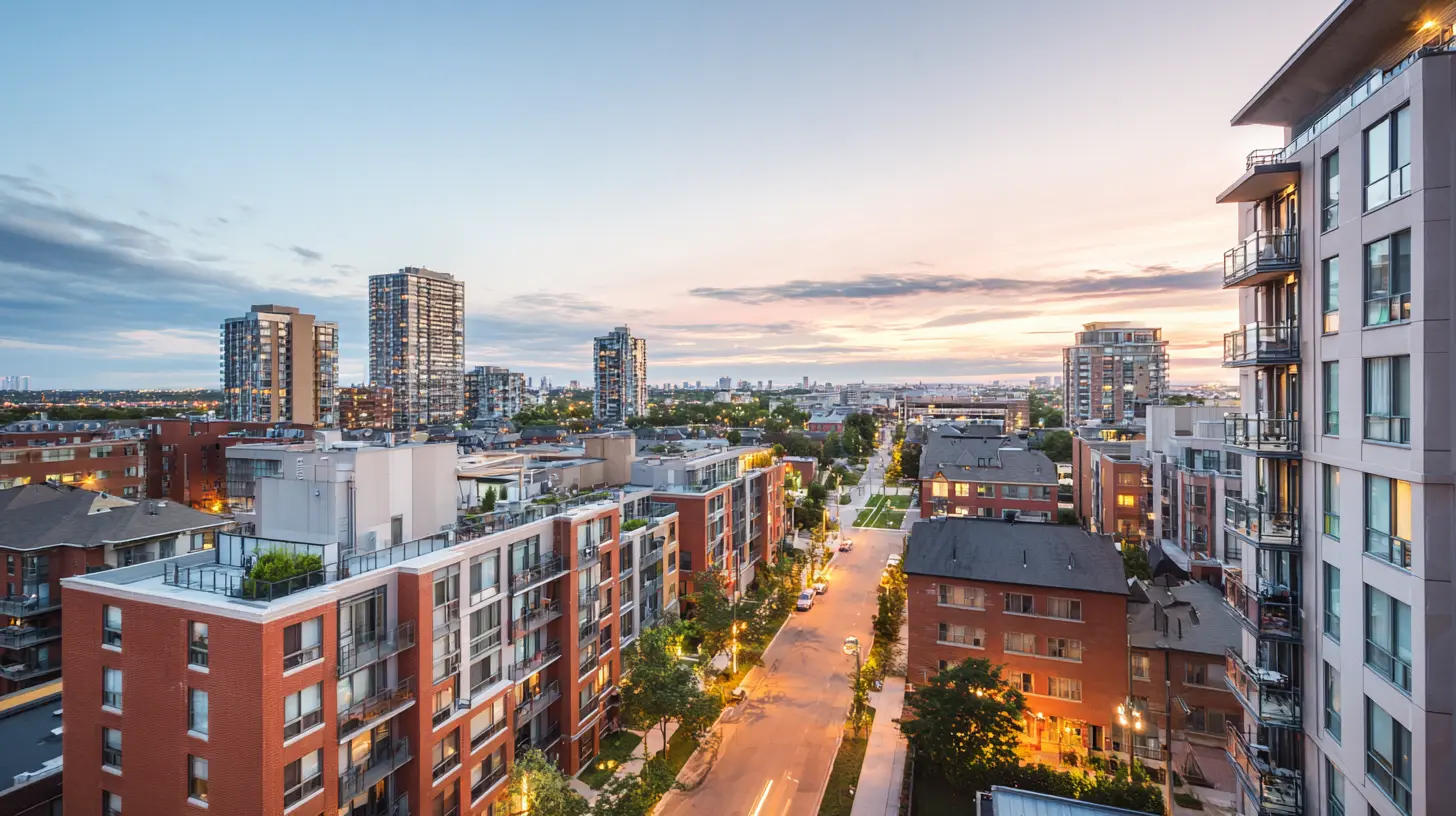
Privacy in the Fishbowl: Acoustic and Digital Sanctuaries
Living in a dense urban environment means constant proximity to others. The 2026 homebuyer, more connected than ever digitally, is desperately seeking physical and digital privacy. Their home must be a sanctuary from the sensory overload of the city.This means superior acoustic engineering is a top-tier selling point. Double or even triple-glazed windows that mute street noise, soundproofing between units that actually works, and the use of materials that absorb sound internally. But it goes further. Digital privacy and security will be paramount. With a house full of IoT devices, buyers will demand robust, built-in network security—think separate networks for guest devices and smart home systems, and clear data policies from developers about what is collected and how it’s used. The ability to truly “disconnect” within a space, with designated tech-free zones or rooms with signal-dampening materials, will become a coveted feature. In a world that’s always “on,” the right to be “off” in your own home is priceless.
Conclusion: The Home as a Personal Platform
So, what is the urban homebuyer of 2026 truly looking for? They are investing in a personal platform for living. A platform that is adaptable, intelligent, sustainable, connected to its neighborhood, protective of their well-being, and responsive to their evolving story. It’s less of a static asset and more of a dynamic partner.The successful urban home of the very near future won’t shout about its features. It will quietly, efficiently, and beautifully facilitate a better life. It will give time back, reduce anxiety, foster health, and provide resilience. For developers, builders, and sellers, the message is clear: stop selling boxes. Start selling curated, intelligent, and resilient lifestyles. The urban dream has been upgraded, and it’s smarter, greener, and more personal than ever before. The question is, are we ready to build it?
all images in this post were generated using AI tools
Category:
Urban HousingAuthor:

Camila King
Discussion
rate this article
2 comments
Elidi McNeil
As we approach 2026, urban homebuyers will prioritize sustainability, smart technology, and community-oriented spaces. Understanding these evolving preferences is crucial for real estate professionals to meet demands and succeed in the competitive urban market. Adapt or get left behind!
April 26, 2026 at 3:36 AM
Camila King
Absolutely agree. It's essential for real estate professionals to stay ahead of these trends and create spaces that align with buyers' values. Adapting to these needs will be key for success.
Kairo Velez
I'm fascinated by the evolving preferences of urban homebuyers! What trends do you think will shape their choices in 2026—sustainability, technology, or community spaces?
April 16, 2026 at 2:27 AM
Camila King
Thank you for your interest! I believe a blend of sustainability and technology will be key, with a strong emphasis on community spaces as urban buyers seek environments that promote both well-being and connection.