Urban vs. Suburban: Where to Buy Your Second Property
14 March 2026
Buying a second property is an exciting venture. Whether you're looking for an investment, a vacation home, or a future retirement spot, choosing between an urban or suburban location is a significant decision.
Each option has its perks and challenges—city living offers convenience and culture, while the suburbs provide space and tranquility. So, which one is right for you? Let's break down the pros and cons to help you make an informed decision. 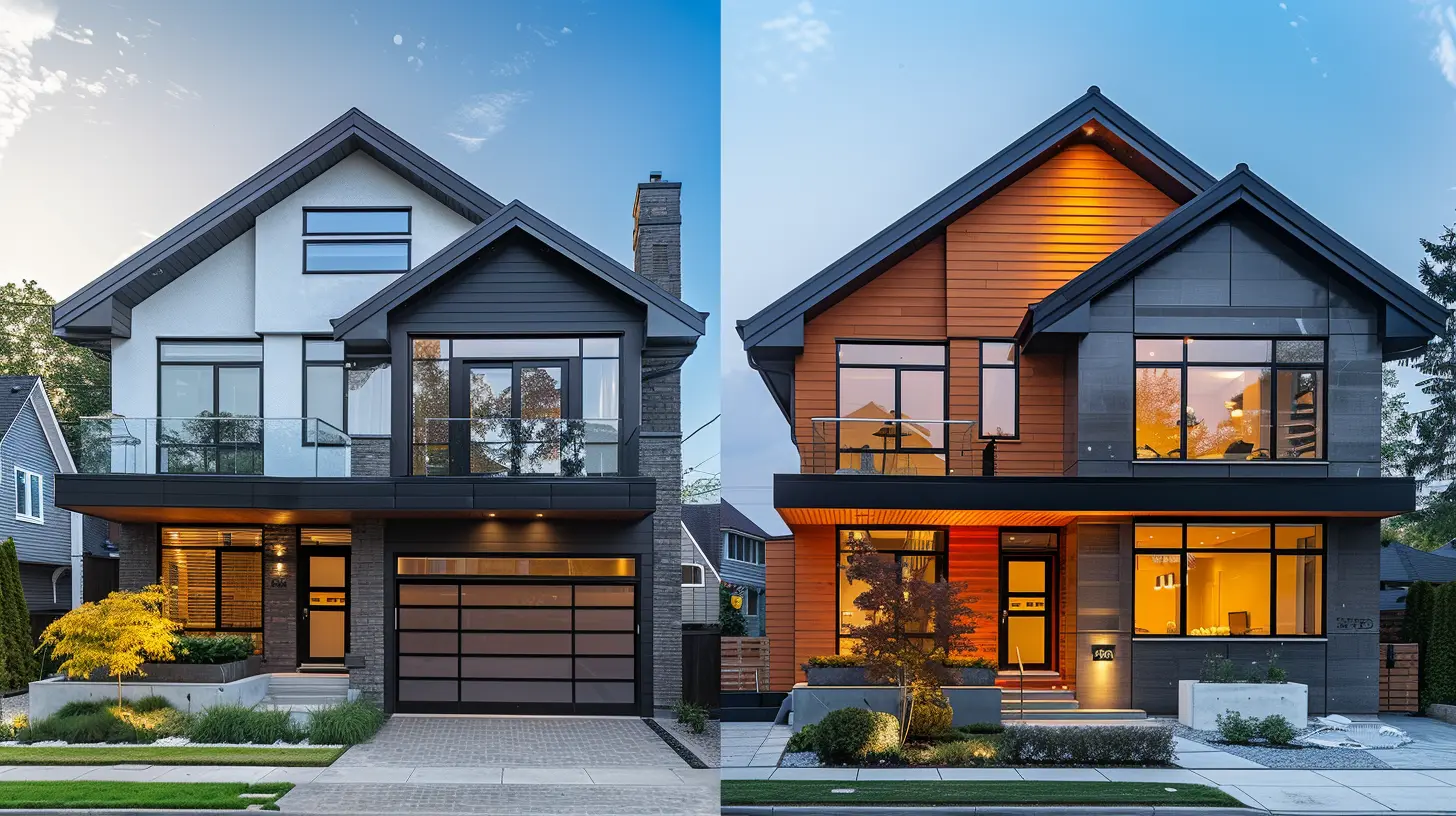
The Appeal of an Urban Second Property
1. Access to Amenities and Lifestyle
If you thrive on the energy of a bustling city, an urban second property might be your best bet. Imagine stepping out of your front door and having shops, restaurants, entertainment venues, and cultural events just a short walk away.Cities are designed for convenience—public transport, medical facilities, and educational institutions are all within easy reach. Whether you want to rent out your unit or use it yourself, the urban lifestyle attracts young professionals, students, and tourists, ensuring high rental demand.
2. Strong Investment Potential
Real estate in major cities tends to appreciate faster due to high demand.- If you're looking to buy purely for investment, an urban property can offer steady rental income.
- Short-term rental platforms like Airbnb thrive in metropolitan areas, creating opportunities for passive income.
However, it's important to note that property prices in cities are typically higher, and competition can be fierce. Maintenance costs, property taxes, and homeowners' association fees might also be steeper than in suburban areas.
3. Minimal Maintenance and High Security
Urban properties, especially condos or apartments, require less maintenance than a suburban house with a yard. Many buildings offer 24/7 security, concierge services, and amenities like gyms and pools, making them ideal for a second home where you won’t be present full-time.If you're looking for a lock-and-leave property, cities provide convenience and safety that suburbs might lack. 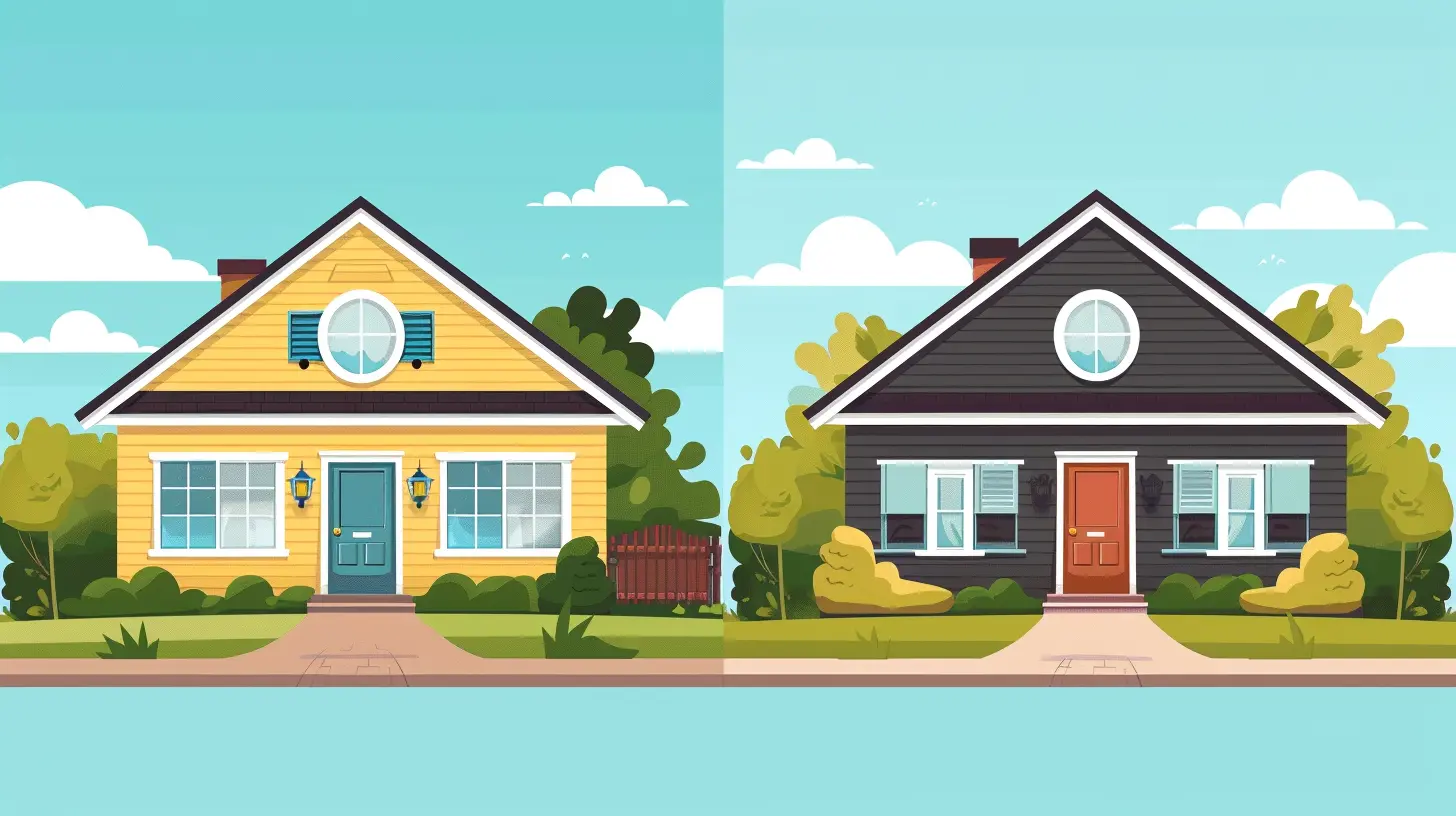
The Drawbacks of an Urban Property
1. Higher Cost of Living
Urban living comes with a price—literally. Home prices, property taxes, and homeowner fees can add up quickly. Even everyday expenses like groceries, parking, and entertainment tend to be higher in a city.If you're planning to rent out the property, ensure that rental income will cover these costs and still leave you with a profit.
2. Limited Space
City properties are usually smaller. You might have to compromise on square footage, outdoor space, or even parking. If space is a priority for you, this could be a dealbreaker.
The Suburban Advantage
1. More Space for Your Money
One of the biggest selling points of a suburban second home is affordability. You’ll likely get a larger property with more bedrooms, backyard space, and even a garage—all for the same price (or even less) than a small apartment in the city.If you’re looking for a quiet getaway from the daily grind, a suburban property offers peace, privacy, and room to breathe.
2. Family-Friendly Environment
Thinking of using your second home for family vacations or renting it out to long-term tenants? Suburban areas are ideal for families, offering:- Good schools
- Parks and recreational areas
- Safer and quieter neighborhoods
Due to these benefits, suburban properties tend to attract stable, long-term renters like families or retirees, ensuring reliable rental income.
3. Lower Cost of Living
Not only is real estate more affordable in the suburbs, but everyday expenses—groceries, dining, utilities—are often cheaper as well. Property taxes and insurance rates also tend to be lower, making suburban properties more cost-effective in the long run.
The Downsides of a Suburban Property
1. Less Rental Demand and Appreciation
While suburban homes can be great for long-term tenants, they don’t always generate as much rental income as urban properties. If you plan to use your second home for vacation rentals, a suburban location may not be as attractive to short-term guests.Similarly, property appreciation in the suburbs can be slower compared to cities. If your goal is high resale value, this is something to consider.
2. Dependence on a Car
Unlike cities, most suburban areas require a car to get around. Public transportation might be limited, meaning you or your tenants will need to drive everywhere—work, shopping, entertainment.This could be a downside if you're looking for a property with easy walkability and accessibility.
Making the Right Choice for Your Second Property
So, urban vs. suburban—which is better? The answer depends on your personal and financial goals.Ask yourself:
- Why are you investing in a second property? (Rental income, vacation home, retirement?)
- Do you prioritize convenience or space?
- Are you looking for short-term gains or long-term appreciation?
- What’s your budget, and can you afford the maintenance costs?
- Who will be using the property—yourself, renters, or both?
Neither option is inherently better than the other—it’s all about what aligns with your lifestyle and investment strategy.
Best for Investors Seeking High Returns
If rental income and property appreciation are your main priorities, an urban property could be the smartest move. Cities have a strong demand for rentals—whether long-term or short-term—offering a higher return on investment.Best for a Second Home or Future Retirement
If you want a peaceful getaway with more space and affordability, the suburbs could be an ideal choice. You’ll have a comfortable home for yourself, your family, and even future retirement.Final Thoughts
Buying a second property is a big decision that requires careful thought. Whether you choose an urban condo or a suburban house, both offer unique advantages.Consider your finances, lifestyle, and long-term goals before making a move. Do the math, weigh the pros and cons, and most importantly—choose a location that aligns with your vision of a perfect second home.
No matter where you decide to buy, investing in real estate is always a smart way to build wealth and secure your future. Happy house hunting!
all images in this post were generated using AI tools
Category:
Second HomesAuthor:

Camila King
Discussion
rate this article
2 comments
Hunter McFarlane
This article beautifully captures the unique charm and opportunities of both urban and suburban living. It’s a thoughtful guide for anyone considering a second property. Ultimately, it’s about finding the right fit for your lifestyle and future. Thank you for sharing!
March 15, 2026 at 9:08 PM
Camila King
Thank you for your kind words! I'm glad you found the article insightful in exploring the unique advantages of urban and suburban living. Happy property hunting!
Corin Forbes
This article beautifully highlights the key considerations when choosing between urban and suburban properties. Each option offers unique advantages depending on lifestyle and investment goals. Whether you prefer the vibrancy of city life or the tranquility of the suburbs, it's essential to align your choice with your personal values and needs.
March 15, 2026 at 11:28 AM
Camila King
Thank you! I'm glad you found the article insightful. Choosing between urban and suburban properties truly depends on individual lifestyle preferences and investment objectives.