Urban vs. Suburban: Analyzing Real Estate Shifts
2 April 2026
The real estate game is changing faster than your favorite TikTok trends. One minute, everyone’s obsessed with high-rise city living, and the next, they’re packing up for suburban bliss. So what’s really going on? Who’s winning—urban jungles or peaceful cul-de-sacs?
Buckle up, because we’re diving deep into the shifts happening in real estate and how they’re shaking up homebuyers’ preferences.
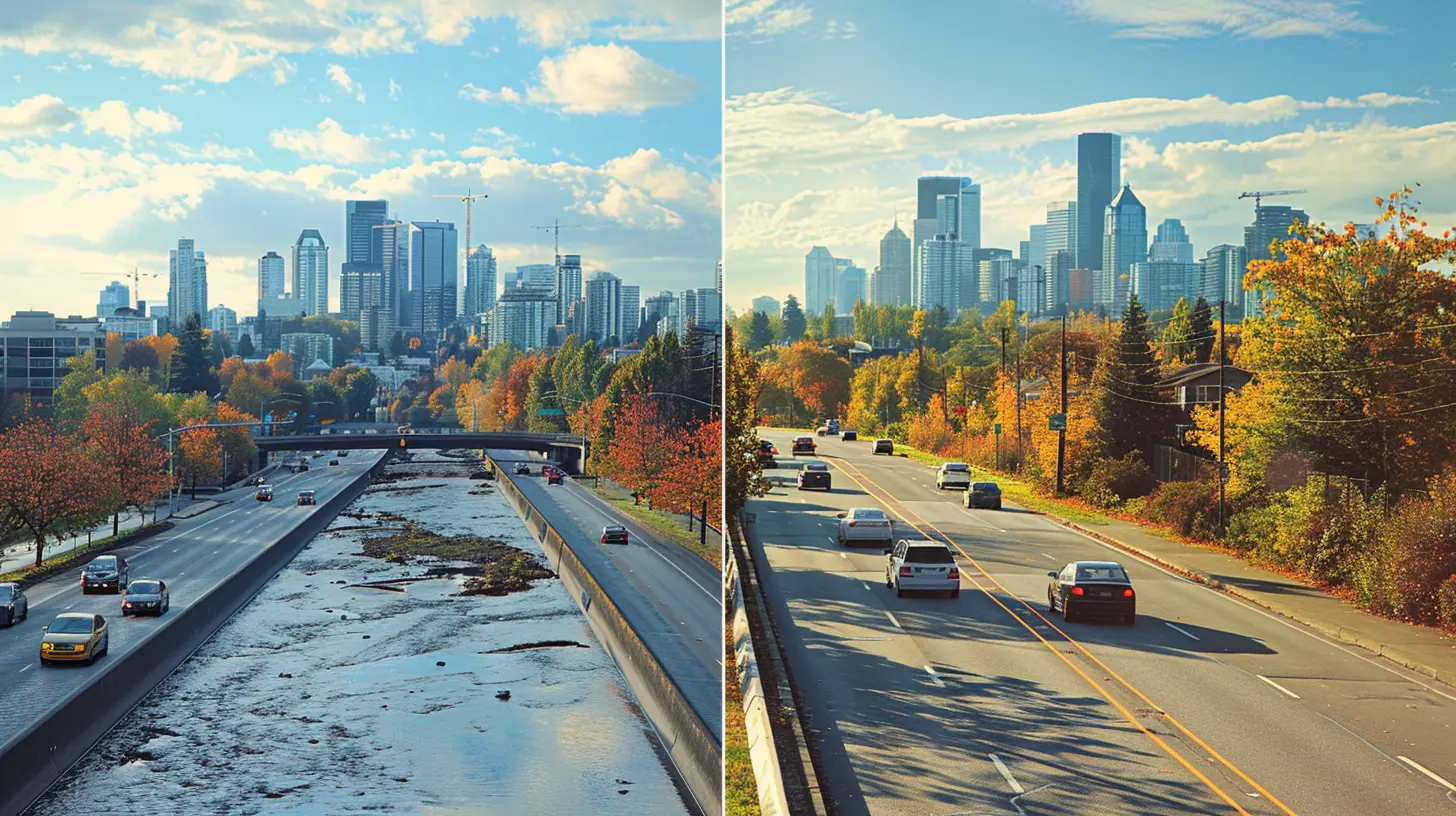
The Urban Appeal—Still Holding Strong?
Let’s be honest—urban living has a certain je ne sais quoi. Skyscrapers, nightlife, unbeatable food scenes—what’s not to love? But in recent years, the city’s once-undeniable charm has been facing some serious competition from its suburban counterpart.1. Convenience Is King
Living in the city means everything is at your doorstep. Work, entertainment, restaurants, and even those overpriced yoga classes are just a stone’s throw away. No need for a car when you can hop on public transit (or, let’s be real, Uber everywhere).But convenience comes at a cost—literally. Rent and home prices in major cities have skyrocketed. So, while living downtown keeps you close to the action, it also keeps your savings account dangerously low.
2. The Social Factor
Cities attract a vibrant mix of people. Whether you’re networking for your next big job or forming your weekend brunch squad, there’s always someone new to meet. Plus, cultural diversity means authentic tacos on Monday, sushi on Tuesday, and a French patisserie on Wednesday.But here’s the catch—social doesn’t always mean social. Despite being surrounded by people 24/7, city dwellers often report feeling isolated. Weird, right? Turns out, packed sidewalks and crowded coffee shops don’t automatically lead to deep connections.
3. Career Opportunities
If you’re chasing career growth, cities are where the magic happens. Corporate headquarters, tech startups, creative hubs—they’re all concentrated in bustling urban centers. Job opportunities are plentiful, and salaries tend to match the high cost of living.However, remote work has thrown a curveball into this once-solid argument. More people are realizing they don’t have to live in expensive cities to land their dream jobs. Suddenly, the suburbs are looking like a pretty sweet deal.
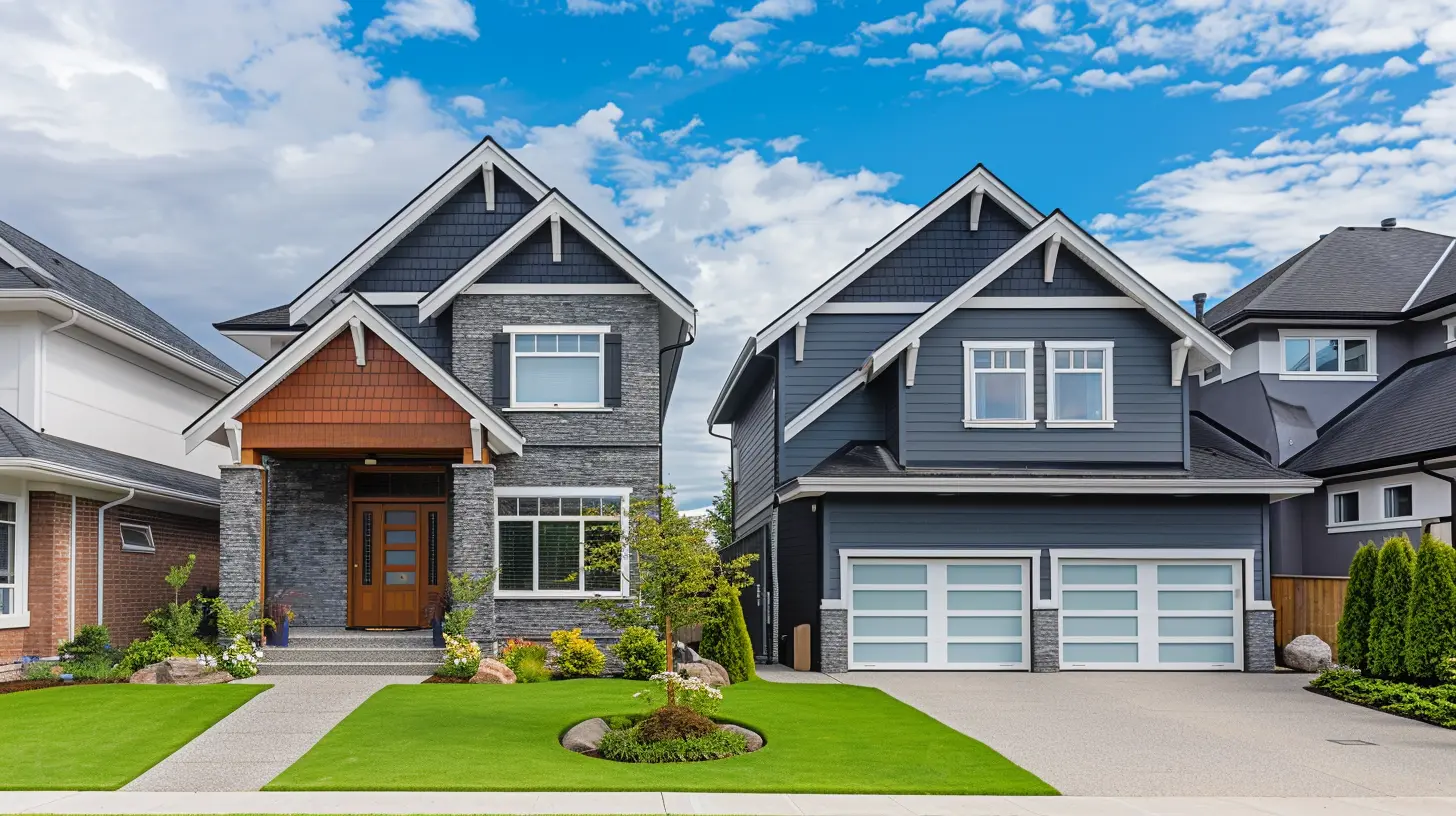
The Suburban Surge—Why More People Are Packing Their Bags
Ah, the suburbs. Once dismissed as boring and too quiet, they’re now the hottest ticket in real estate. So, what’s fueling this suburban surge?1. More Bang for Your Buck
Let’s get real—home prices in cities are outrageous. Drop that same budget in the suburbs, and suddenly, you’re looking at a spacious home with a backyard! Yes, an actual backyard where you can host barbecues and let your dog run wild.Affordability is a major reason why people are shifting towards suburban living. Lower property taxes, bigger homes, and more space for the money? Sign me up.
2. Work-From-Home Culture Changed the Game
Remember when everyone was obsessed with open-concept city apartments? Yeah, that changed real quick when the world started working from home. Suddenly, people needed offices, not just a tiny desk crammed into the corner of their studio.With remote work now the norm for many industries, commuting is becoming less of a factor in where people choose to live. That means suburban homes with dedicated workspaces are more in demand than ever.
3. More Space, Less Stress
Let’s be honest—cities can be exhausting. The noise, the traffic, the constant hustle—sometimes, it’s just too much. The suburbs offer a quieter, more peaceful vibe that’s hard to resist after years of fast-paced city living.And let’s not forget about safety. Crime rates tend to be lower in suburban neighborhoods, which is a big plus, especially for families.
4. The Family Factor
Speaking of families, if you’ve got kids (or are thinking about it), the suburbs start to look like paradise. Better school districts, safer streets, and room to grow make suburban neighborhoods the go-to choice for young families.Plus, no more cramped apartments—your little ones can actually have a playroom instead of turning your living room into a jungle gym.
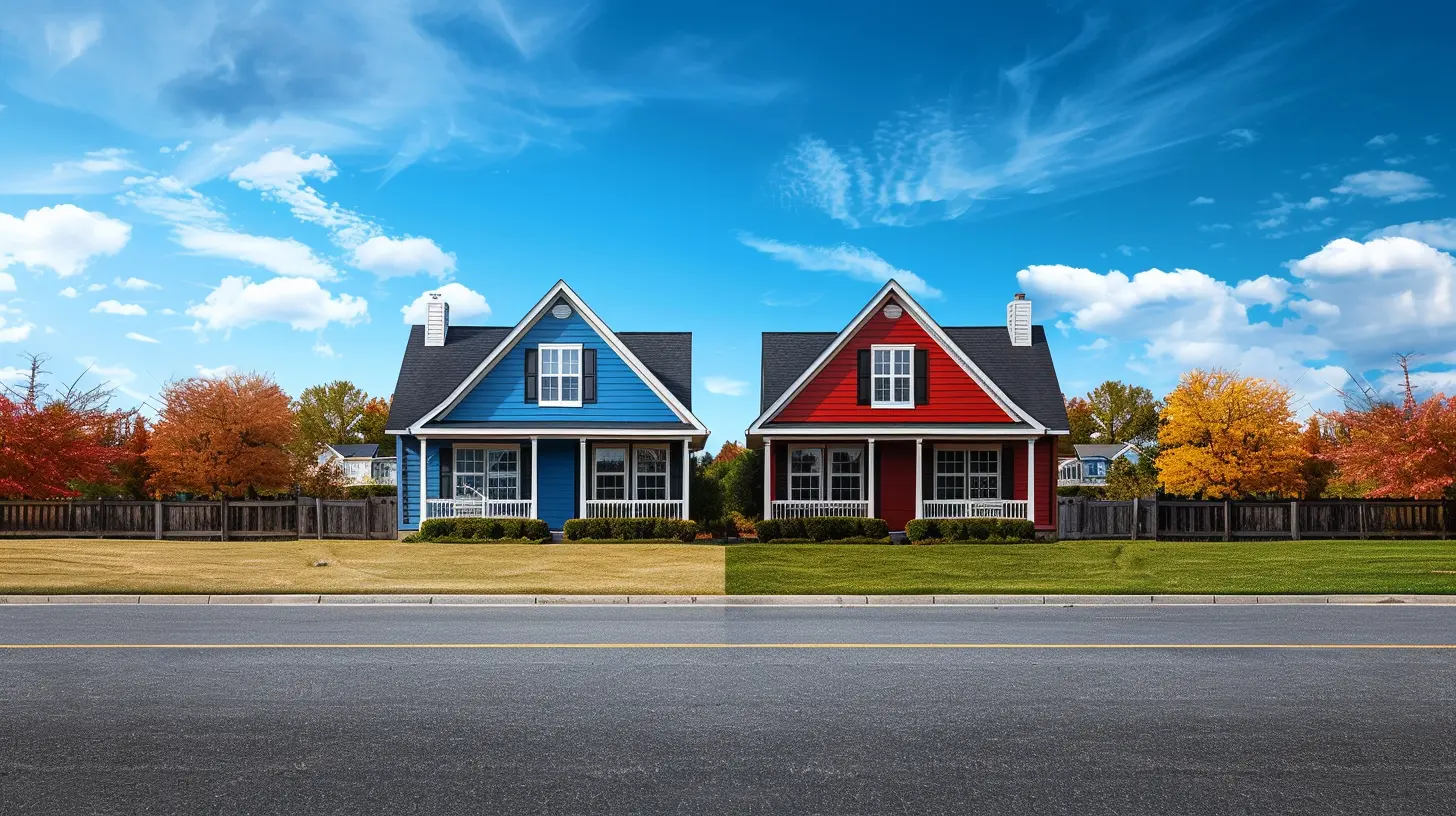
Urban vs. Suburban: The Great Debate Continues
With all these shifts happening, who’s really coming out on top—urban dwellers or suburban homeowners? Well, it depends.1. The Rise of Hybrid Living
Some buyers are getting the best of both worlds by choosing homes in smaller cities or close-in suburbs. These areas offer a mix of city conveniences without the crazy price tags. Win-win, right?2. Investment Opportunities
For real estate investors, both urban and suburban markets offer potential. Cities still attract young professionals and renters, while suburban homes are in high demand for families looking to settle down.If you’re thinking long-term, suburban properties might offer better appreciation as more people seek space and affordability. But urban real estate isn't dead—it's just evolving.
3. The Future of Real Estate
So, what’s ahead for the market? One thing’s for sure—flexibility is key. Buyers want options, whether that’s a city apartment with a balcony or a suburban home with a home office and a yard.As remote work, housing costs, and lifestyle preferences continue to shift, the real estate landscape will keep evolving. And if history tells us anything, it's that trends come and go—so both urban and suburban living will continue to have their moment in the spotlight.
Final Thoughts
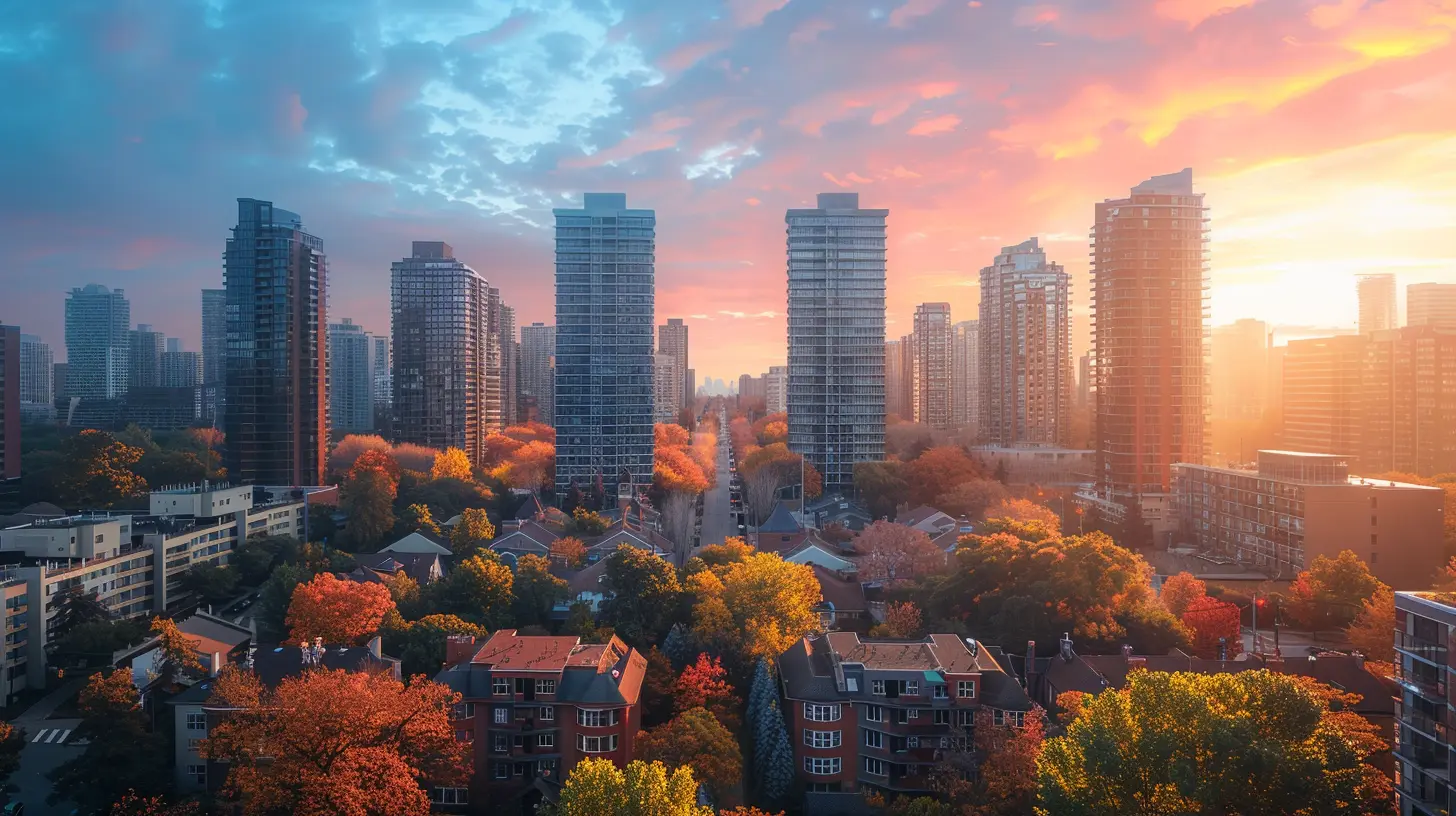
At the end of the day, it’s all about what works for you. City life might be thrilling, but suburban peace has its perks too. Whether you’re drawn to the energy of the urban hustle or the tranquility of the suburbs, real estate is all about finding your perfect fit.So, where do you see yourself? Bustling city streets or tree-lined suburban roads? Whatever you choose, make sure it’s a place that feels like home.
all images in this post were generated using AI tools
Category:
Market AnalysisAuthor:

Camila King
Discussion
rate this article
2 comments
Journey Daniels
As we navigate the evolving landscape of urban and suburban real estate, it's essential to balance lifestyle preferences with market trends, recognizing that individual needs and values ultimately shape the best living environment for each person.
April 12, 2026 at 2:50 AM
Camila King
Absolutely, finding that balance between lifestyle choices and market dynamics is key to fostering communities that truly resonate with residents' values.
Miriam Duffy
This analysis highlights the evolving dynamics between urban and suburban markets, emphasizing shifting preferences driven by remote work and lifestyle changes. Understanding these trends is crucial for informed investment decisions moving forward.
April 4, 2026 at 10:39 AM
Camila King
Thank you for your insightful comment! Understanding these dynamics is indeed essential for making informed investment choices in today's market.