The Subtle Impact of Climate Change on Property Markets
23 March 2026
Climate change is a topic we often associate with extreme weather, rising sea levels, and global temperature shifts. But what about its impact on the real estate market? It’s happening right before our eyes, and sometimes, it’s not as obvious as you might think.
For homebuyers, investors, and even renters, climate change is reshaping the way we approach property markets. Whether it's fluctuating insurance premiums, shifting demand, or hidden costs creeping into homeownership, the impact is undeniable.
So, how exactly is climate change influencing property markets? Let’s break it down.
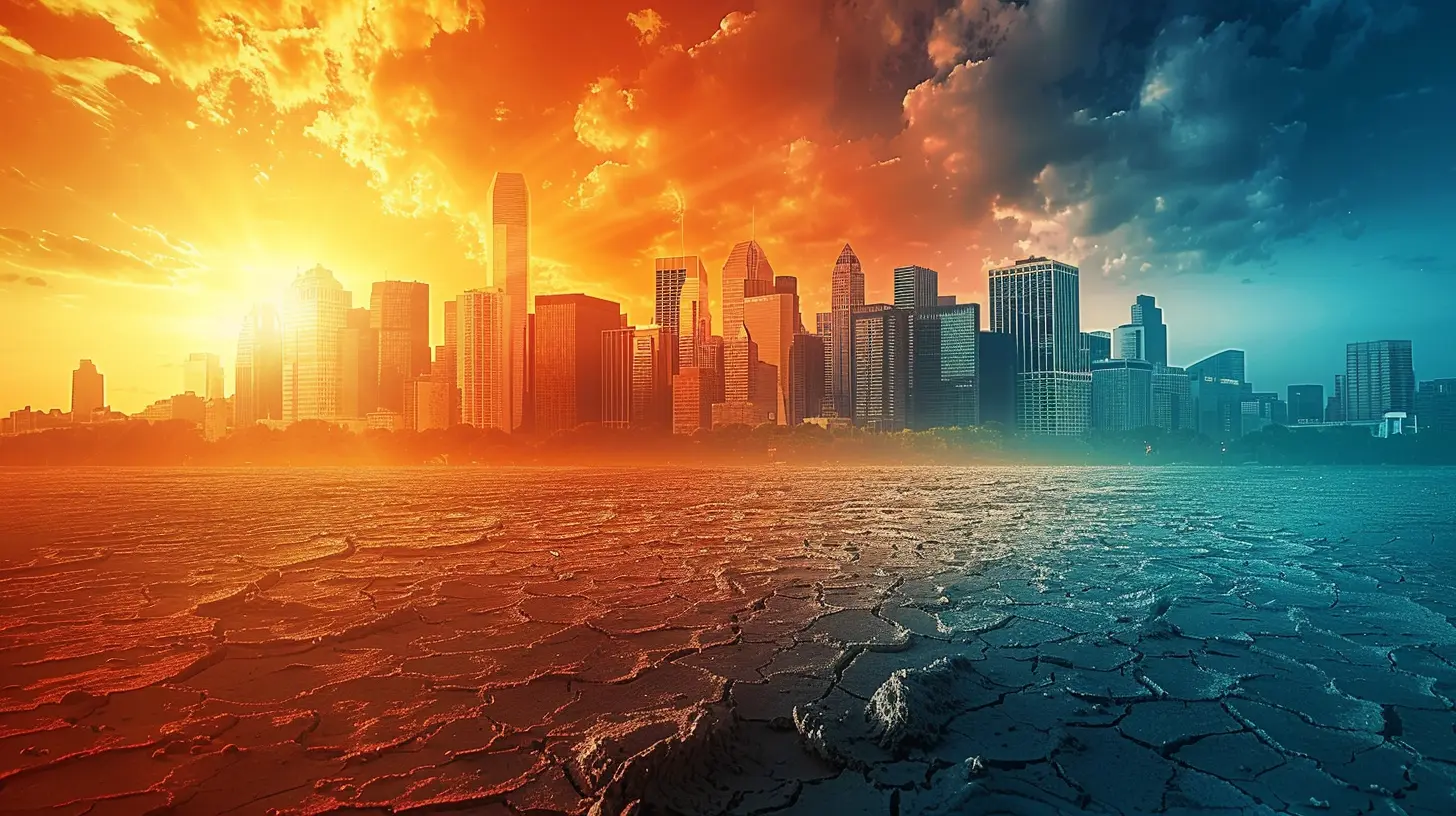
Climate Change and Real Estate: An Unseen Connection
At first glance, it might not seem like climate change and real estate have much in common. But when you dig a little deeper, the connection becomes crystal clear. Changing weather patterns, increased natural disasters, and new government regulations are all playing a role in shaping where and how people buy homes.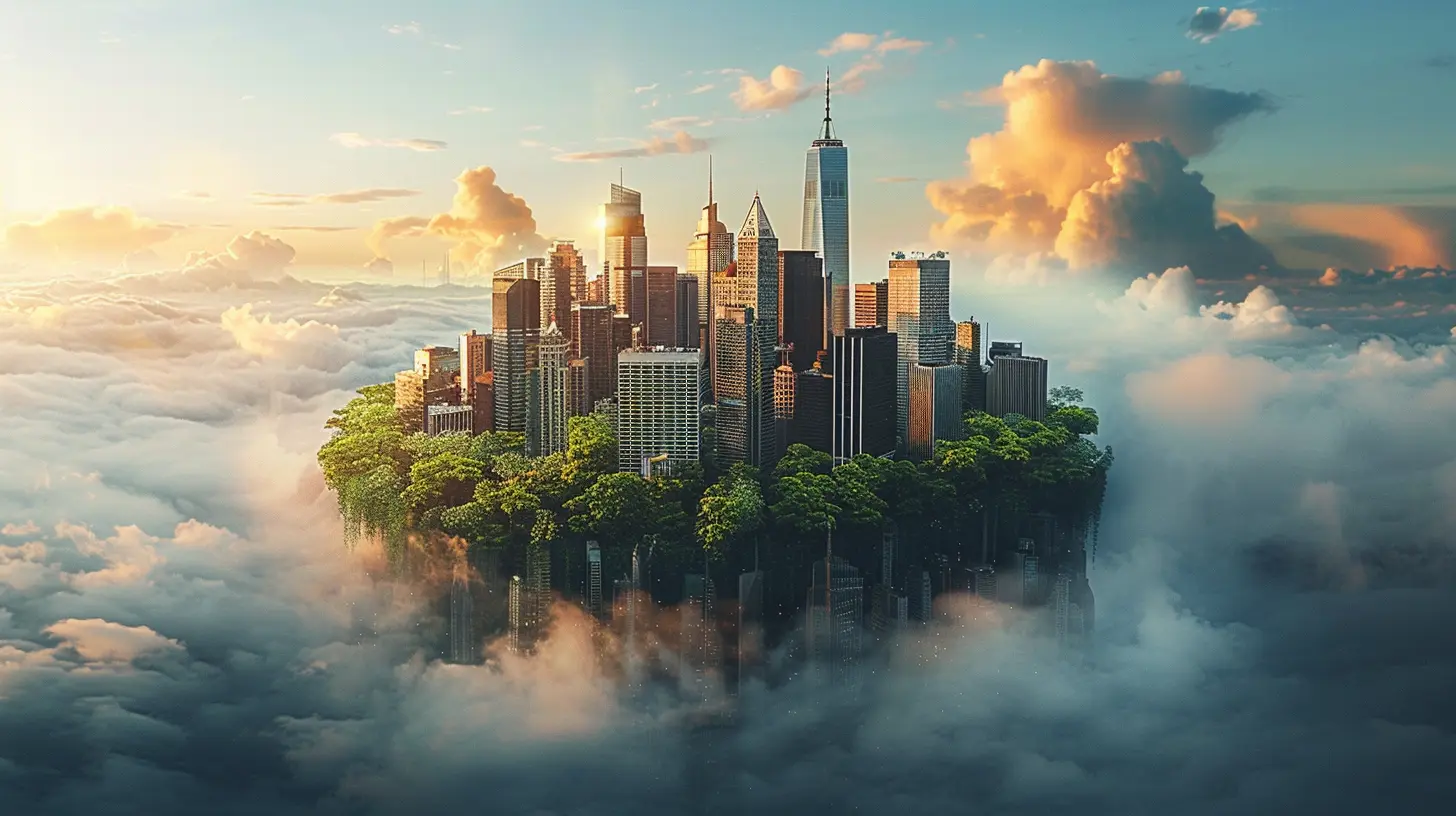
1. Rising Insurance Costs
Ever noticed how home insurance premiums seem to climb every year? Well, climate change is a big reason why.With more frequent hurricanes, wildfires, and floods, insurance companies are paying out larger claims than ever before. To offset their risks, they increase premiums or, in some cases, stop offering coverage in high-risk areas altogether.
For homeowners in vulnerable regions, this means paying a lot more just to protect their property—sometimes even making homeownership unaffordable.
2. Shifting Housing Demand
Certain areas once considered prime real estate are now losing their appeal due to climate-related risks. Coastal cities and regions prone to wildfires are seeing a shift in buyer interest.On the flip side, areas further inland that were previously overlooked are starting to gain traction. Buyers are prioritizing safety and long-term sustainability over location alone.
Think about it: Would you rather buy a beachfront home that might be underwater in 20 years or a property in an area with fewer environmental risks? For many, the answer is becoming clearer.
3. Decreased Property Values in High-Risk Areas
As climate risks increase, property values in vulnerable areas are starting to dip. Why? Because fewer people are willing to take on the financial and emotional burden of owning a home in regions plagued by wildfires, floods, or hurricanes.Buyers are doing their homework—checking flood maps, researching fire zones, and considering a property's long-term viability before making a purchase. If a property is seen as too risky, its value drops, sometimes drastically.
4. Stricter Building Codes and Regulations
Governments are stepping in to address climate-related risks with stricter building codes and regulations. While this is great for long-term sustainability, it also means added costs for developers and homeowners.For example, new developments in flood-prone areas might require elevated foundations, impact-resistant windows, and better drainage systems. These changes add up, making new homes more expensive to build and buy.
5. The Rise of "Climate-Resilient" Real Estate
With all these challenges, some builders and investors are getting ahead of the curve by focusing on climate-resilient properties.This includes building homes with:
- Fire-resistant materials
- Elevated foundations to prevent flooding
- Energy-efficient features like solar panels and smart water management systems
Buyers are starting to see the value in these properties, even if they come with a slightly higher price tag. After all, a home that can withstand climate shifts is a smart long-term investment.
6. Migration Trends Are Changing
One of the most surprising impacts of climate change on real estate? Migration patterns.Areas hit hardest by extreme weather events are seeing residents pack up and leave. On the other hand, cities with milder climates, lower exposure to climate risks, and ample resources are experiencing a surge in new residents.
Places like the Midwest, once overlooked in favor of coastal hotspots, are now gaining popularity as people seek safer, more sustainable places to live.
7. Hidden Costs of Homeownership
Climate change is also leading to unexpected costs for homeowners.- Higher utility bills – More extreme temperatures mean homeowners are using more energy to heat or cool their homes.
- Increased maintenance costs – Homes in areas experiencing more frequent storms or environmental stress need more upkeep.
- Potential resale struggles – If climate risks increase in a region, owners may face difficulties selling their homes in the future.
Even if these costs aren't immediately obvious, they add up over time, making homeownership less affordable in certain areas.
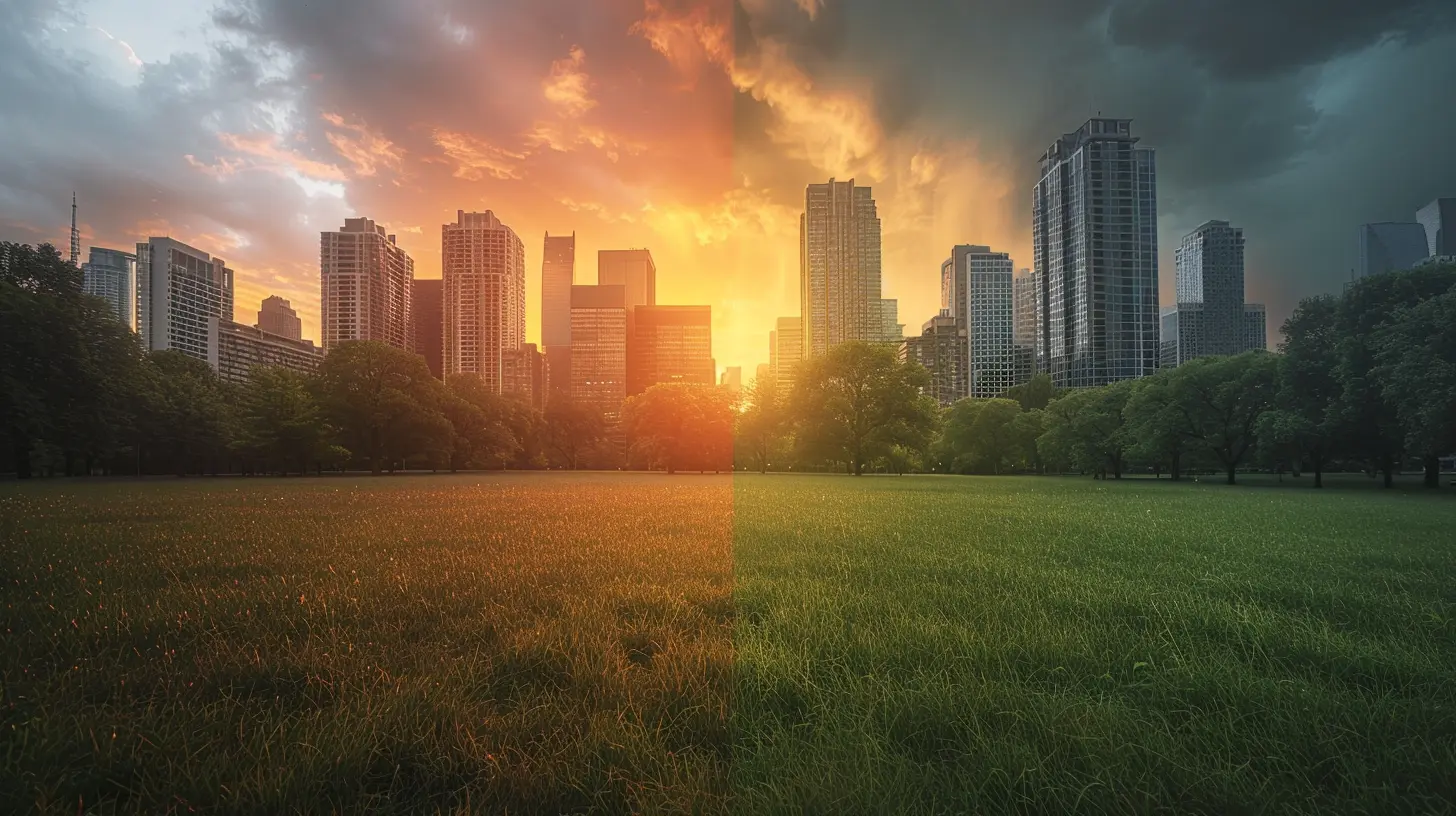
What Can Homebuyers and Investors Do?
Climate change isn't going away, so how can buyers and investors protect themselves in an evolving market?1. Research Before You Buy
If you're in the market for a new home, don’t just focus on aesthetics—dig into the environmental risks of the area. Check flood maps, fire zones, and long-term weather predictions before making a decision.2. Consider Long-Term Resilience
Look for properties that are built to withstand climate change. Features like energy-efficient appliances, proper drainage systems, and elevated foundations can make a world of difference in the long run.3. Pay Attention to Insurance Costs
Before buying, get an insurance quote to understand the true cost of homeownership in an area. If insurance is too high or difficult to secure, it might be a red flag.4. Think About Future Demand
Investors should consider how climate change will affect demand in certain regions. Properties in low-risk areas will likely hold their value better than those in climate-vulnerable zones.5. Stay Informed About Government Regulations
Changes in policies and building requirements can impact property values and costs. Keeping up with new regulations ensures you're making informed decisions.
Final Thoughts
Climate change might not be the first thing that comes to mind when thinking about real estate, but its impact is real—and growing. From rising insurance costs to shifting migration trends, the housing market is quietly adapting to our planet’s changing climate.If you're buying, selling, or investing, it's more important than ever to consider how environmental factors will shape the future of real estate. A little foresight now can make all the difference in protecting your investment down the road.
all images in this post were generated using AI tools
Category:
Market AnalysisAuthor:

Camila King
Discussion
rate this article
2 comments
Zoey McQuade
Embracing the challenges posed by climate change can unlock innovative opportunities in real estate. By prioritizing sustainability and resilience, we can create thriving communities that not only withstand environmental shifts but also inspire future generations. Act now!
March 27, 2026 at 12:17 PM
Camila King
Thank you for your insightful comment! Embracing sustainability not only addresses climate challenges but also paves the way for innovative, resilient real estate solutions that benefit communities for years to come.
Leo Ortiz
This article brilliantly highlights the often-overlooked ways climate change is reshaping property markets. It’s a reminder that, as investors and homeowners, we must think beyond immediate trends and consider how environmental factors could impact property values and community resilience in the long term. Insightful and necessary reading!
March 25, 2026 at 5:32 AM
Camila King
Thank you for your thoughtful comment! I’m glad you found the article insightful and necessary. It's crucial to consider these long-term impacts on property markets.