The Role of Lifestyle Trends in Housing Market Evolution
25 December 2025
The housing market is like a living, breathing entity—it shifts and evolves based on the way people choose to live their lives. Our homes aren’t just four walls and a roof anymore; they’re reflections of our lifestyle choices, personal preferences, and societal shifts. This constant change is why real estate trends are so closely tied to how people live, work, and play.
So, what role do lifestyle trends play in shaping the housing market? And how are developers, investors, and homebuyers adapting? Let’s break it down. 
1. The Influence of Remote Work on Housing Preferences
Remote work has flipped the traditional housing market on its head. People no longer need to live near their offices, which has led to a mass migration from expensive city centers to suburban and even rural areas.- Bigger Homes, More Space: With home offices becoming essential, buyers are looking for properties with extra rooms, dedicated workspaces, or even backyard studios.
- Location Independence: People are prioritizing affordability and quality of life over proximity to an office. Cities with a lower cost of living have seen an influx of new residents.
- Smart Home Tech: Remote workers rely on fast, reliable internet and smart home features like automated lighting, security systems, and energy-efficient appliances.
The ability to work from anywhere is transforming not only where people live but also what they look for in a home. 
2. Sustainable Living and Eco-Friendly Homes
Sustainability isn’t just a buzzword anymore—it’s a movement that’s shaping real estate in a big way. Buyers are more conscious about their environmental footprint than ever, demanding homes that align with their values.- Energy-Efficient Homes: Features like solar panels, energy-efficient windows, and smart thermostats are becoming standard rather than luxury add-ons.
- Green Building Materials: Sustainable construction materials, such as bamboo flooring and recycled steel, are gaining popularity.
- Smaller Carbon Footprint: Walkable neighborhoods and access to public transportation are becoming key selling points for homebuyers looking to minimize car dependency.
Eco-consciousness is no longer just a trend—it’s a fundamental shift in how homes are built and sold. 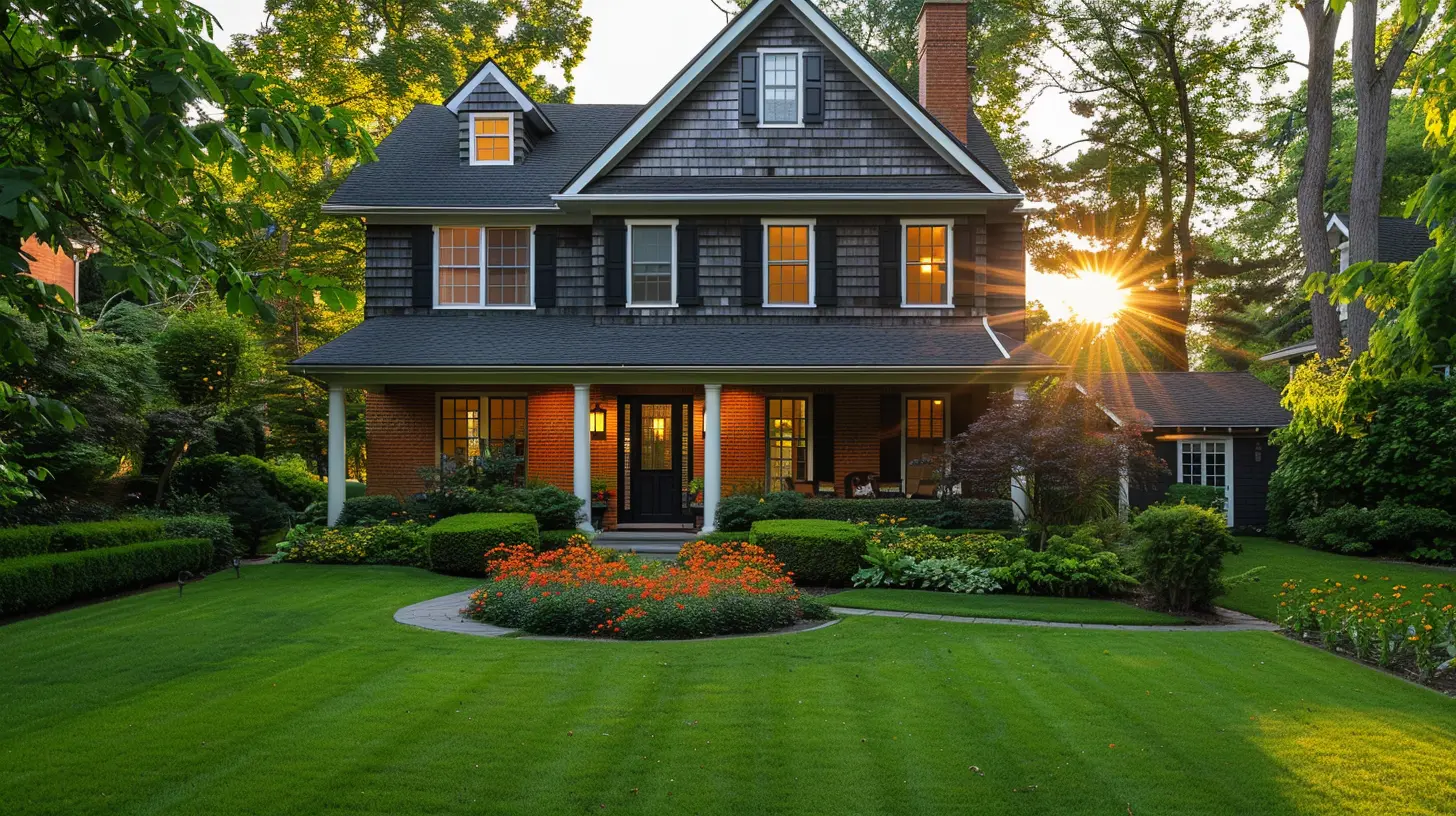
3. The Rise of Multi-Generational Living
The concept of multi-generational living—where multiple generations of a family live under one roof—is making a big comeback. Economic factors, cultural influences, and changing lifestyles all contribute to this growing trend.- Larger Homes with Separate Living Spaces: Floorplans now include guest suites, separate entrances, or even full in-law apartments.
- Financial Benefits: Sharing expenses helps families combat rising housing costs while pooling resources.
- Stronger Family Connections: Many families see this as a way to stay close while ensuring elderly parents or young children have support.
Builders are recognizing this demand and designing homes with flexible layouts to cater to multiple generations under one roof. 
4. The Demand for Walkable Communities and Mixed-Use Developments
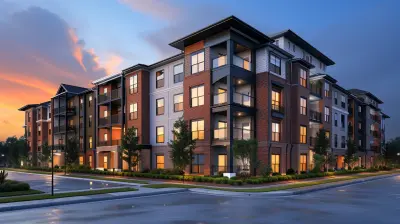
People today crave convenience. They want to live in places where grocery stores, coffee shops, and entertainment spots are just a few steps away. This has led to a resurgence in mixed-use developments.- Live, Work, Play Communities: Cities and suburbs alike are seeing a rise in walkable neighborhoods with restaurants, shopping, and office spaces all within reach.
- Less Car Dependency: With rising gas prices and concerns about sustainability, people prefer areas where they can bike, walk, or use public transport.
- Stronger Sense of Community: Walkable areas tend to foster more social interaction, creating a tight-knit neighborhood feel.
Developers are responding by designing spaces that prioritize accessibility, convenience, and community engagement.
5. Minimalism and the Tiny Home Movement
Bigger isn’t always better, and more people are realizing that less can actually be more. The tiny home movement continues to gain momentum as buyers look for simplified, clutter-free living.- Lower Costs, More Freedom: Tiny homes allow homeowners to cut down on expenses, reduce debt, and even live mortgage-free.
- Mobility & Flexibility: Some choose tiny homes on wheels, enabling them to travel while still having a permanent residence.
- Sustainable Living: With a smaller footprint, tiny homes are inherently more eco-friendly and cost-effective.
While not for everyone, minimalism is driving a segment of the market towards smaller, more efficient living spaces.
6. Luxury Real Estate and the Desire for High-End Amenities
On the flip side of minimalism, luxury real estate is seeing a boom in demand for high-end amenities and personalized experiences. Affluent buyers aren’t just looking for a home; they want a lifestyle.- Home Wellness Centers: Gyms, yoga studios, saunas, and even meditation rooms are becoming highly desirable features.
- Smart Home Integration: Automation systems controlling lighting, security, and entertainment are must-haves in the luxury market.
- Resort-Style Living: Rooftop pools, home theaters, and private wine cellars are no longer considered extravagant but rather expected in high-end homes.
For buyers with the budget, luxury real estate is all about combining comfort with cutting-edge technology and top-tier amenities.
7. The Impact of Aging Populations on Housing Needs
As the Baby Boomer generation ages, the demand for senior-friendly housing is skyrocketing. People are looking for homes that will accommodate them as they grow older, leading to a rise in:- Single-Level Homes: Stair-free living is more appealing for those looking to age in place.
- Accessible Features: Wider doorways, grab bars in bathrooms, and slip-resistant flooring are becoming key considerations.
- Active Adult Communities: More 55-plus communities are popping up, offering social activities, healthcare services, and low-maintenance living.
The housing market is adjusting to make homes more age-friendly and accessible for older populations.
Final Thoughts
Lifestyle trends play a massive role in shaping the housing market. Whether it’s the shift to remote work, the desire for sustainable living, or the growing need for multi-generational homes, these changes dictate what people look for in a home.For buyers, staying ahead of these trends means making smarter investment decisions. For developers, it’s about constructing homes that meet evolving demands. And for real estate professionals, understanding these shifts is key to staying competitive in an ever-changing market.
At the end of the day, the housing market isn’t just about real estate—it’s about people and how they want to live. As lifestyles continue to evolve, so will the places we call home.
all images in this post were generated using AI tools
Category:
Market AnalysisAuthor:

Camila King
Discussion
rate this article
2 comments
Annabelle Peterson
Who knew that avocado toast and yoga mats could determine our housing market? At this rate, my dream home better come with a brunch nook and a meditation corner—because nothing says 'home sweet home' like zen and zesty!
December 31, 2025 at 4:04 AM
Camila King
It's true! Lifestyle trends like avocado toast and yoga mats are shaping buyer preferences, making spaces that promote wellness and leisure increasingly desirable in the housing market.
McFarland
As lifestyle preferences evolve, so too does the housing market; it's a reflection of our values and aspirations. Understanding these shifts can illuminate the future of living spaces.
December 30, 2025 at 12:49 PM
Camila King
Absolutely! The housing market is a dynamic reflection of our changing values and lifestyle preferences, and recognizing these trends is key to anticipating future living spaces.