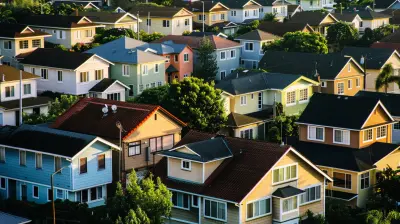
The Role of Foreign Investment in Local Property Markets
28 March 2026
The real estate market is like a balancing act—supply, demand, pricing, and economic stability all work together to keep things in check. But when foreign investors step in, things can shift in unexpected ways. Some see it as a blessing, pumping money into local economies, while others worry about soaring prices and affordability issues.
So, what’s the real impact of foreign investment on local property markets? Let’s break it down. 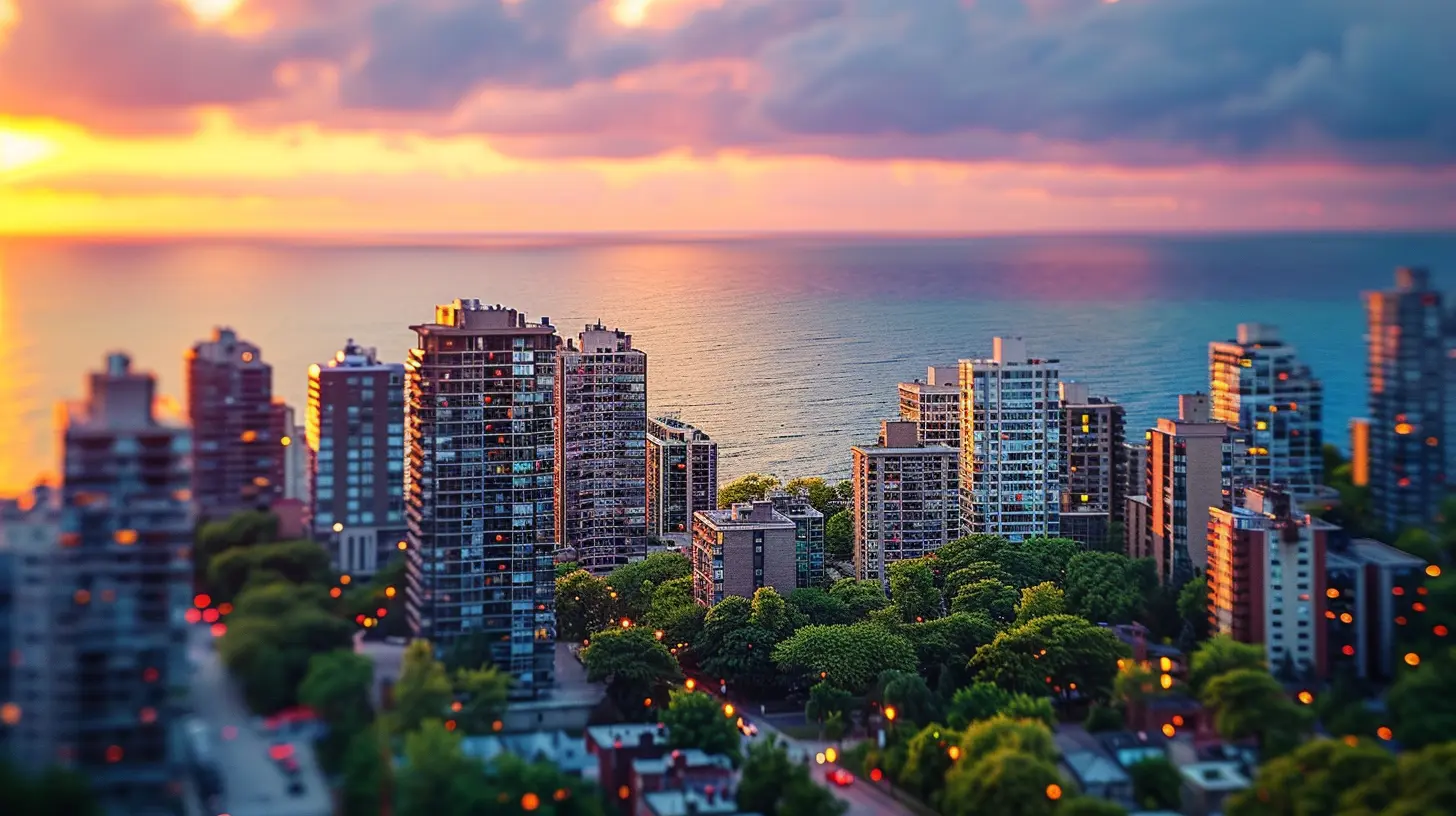
Why Foreign Investors Are Drawn to Local Real Estate
Foreign investors aren't randomly throwing money into real estate markets—they have solid reasons to do so. Here are some key factors influencing their decisions:1. Strong Economic Growth & Stability
Countries with political stability and strong economies tend to attract foreign investors like bees to honey. When local economies are thriving, investors see an opportunity to make solid returns on investment (ROI) with minimal risk.2. Favorable Exchange Rates
A weaker local currency can make properties more affordable for foreign buyers. They can get more for their money, making investments in certain markets extremely attractive.3. High Rental Yields
Some cities offer incredible rental yields, meaning investors can earn a steady income from renting out properties. This is especially enticing in places where rental demand is high due to tourism, job markets, or student populations.4. Safe-Haven Investment
Real estate is often seen as a "safe-haven" asset. When economic instability or political tension rises in their home country, foreign investors look for secure places to park their wealth—often in real estate markets abroad.5. Residency & Visa Perks
Some countries offer residency or citizenship programs in exchange for significant real estate investment. This can be a major incentive for investors looking for a second home or a global foothold.
The Positive Impact of Foreign Investment
Foreign investment isn’t necessarily a bad thing. In fact, it can contribute significantly to an economy in various ways:1. Economic Growth & Job Creation
When foreign investors pump money into real estate, they help stimulate economic activity. This trickles down to local construction jobs, real estate agents, legal professionals, and even interior designers. More demand means more work for everyone involved.2. Property Value Appreciation
A healthy level of foreign investment can boost property values, benefiting local homeowners. Higher valuations mean better equity, and that’s great news for those looking to sell or refinance.3. Increased Development & Infrastructure
Foreign interest often leads to more real estate developments, from luxury apartments to commercial spaces. This, in turn, pushes local governments to improve infrastructure—better roads, public transport, and amenities that benefit both locals and investors alike.4. Boosts in Tourism & Short-Term Rental Markets
Foreign property investors, especially those investing in vacation homes, often contribute to thriving short-term rental markets. Platforms like Airbnb flourish in cities with high investment activity, bringing in more tourists and supporting local businesses.
The Downsides of Foreign Investment
Of course, it’s not all sunshine and rainbows. Some local markets struggle with the side effects of heavy foreign investment.1. Skyrocketing Property Prices
When wealthy foreign investors start buying up properties, demand outpaces supply, sending prices through the roof. This makes it increasingly difficult for local buyers—especially first-time homeowners—to afford a place of their own.2. Housing Shortages
In some cases, investors buy properties just to hold them as assets, leaving them vacant for most of the year. This "ghost housing" effect reduces available housing stock, making rentals scarce and driving up rental prices.3. Market Volatility
Real estate markets affected by foreign capital can become highly volatile. A sudden policy change, currency fluctuation, or global economic downturn can cause foreign investors to pull out, leading to price crashes and market instability.4. Unequal Investment Distribution
Foreign investment often pours into high-end luxury properties rather than affordable housing. This can create a skewed market where developers focus on luxury projects while ignoring the need for mid- and lower-income housing.
How Governments Can Balance Foreign Investment
Governments worldwide have grappled with how to regulate foreign investment without scaring off potential investors. Some of the measures taken include:1. Foreign Buyer Taxes & Restrictions
Many countries have imposed additional taxes on foreign investors to prevent excessive property speculation. For instance, Canada and Australia have introduced hefty foreign buyer taxes to keep the market from overheating.2. Vacancy Taxes
To combat empty properties in high-demand areas, some cities introduce vacancy taxes. This encourages foreign investors to either rent out their properties or sell them rather than leaving them unused.3. Residency Requirements
Certain countries restrict property purchases to foreigners unless they fulfill residency requirements. This prevents non-residents from driving up housing costs without contributing to the local economy.4. Affordable Housing Initiatives
Governments also incentivize affordable housing development by requiring developers to allocate a portion of their projects for lower-income buyers. This helps counteract the negative effects of foreign-driven luxury real estate.Is Foreign Investment Good or Bad?
Like most things in life, foreign investment in real estate is a double-edged sword. When balanced correctly, it provides a much-needed boost to the economy, enhances infrastructure, and supports local real estate markets. But when left unchecked, it can make housing unaffordable, create market instability, and widen economic inequality.The trick lies in regulation. Striking a balance between welcoming foreign capital and protecting local buyers is crucial. Wise policies, fair taxation, and investment incentives that benefit all stakeholders can create a win-win situation for both locals and foreign investors.
What’s your take? Do you think foreign investment helps or hurts local housing markets? Let us know in the comments!
all images in this post were generated using AI tools
Category:
Market AnalysisAuthor:

Camila King
Discussion
rate this article
2 comments
Zanya Lee
Foreign investment can be a double-edged sword for local property markets. While it fuels development and raises property values, it can also push locals out of their neighborhoods. Striking a balance is crucial for sustainable community growth.
March 29, 2026 at 7:37 PM
Camila King
Thank you for your insightful comment! Indeed, balancing foreign investment with local needs is essential for fostering sustainable community development while preserving housing affordability.
Fern Velez
Foreign investors in local property markets are like tourists at an all-you-can-eat buffet: they bring excitement, sometimes overstay their welcome, but ultimately help the local economy thrive. Just remember, if they start asking for sushi in the neighborhood diner, it might be time to draw a line!
March 29, 2026 at 12:27 PM
Camila King
Thanks for your insightful analogy! It's crucial to balance the benefits of foreign investment with the needs of the local community. Your point about maintaining local character is well taken!