The Pros and Cons of Living On-Campus vs. Off-Campus
19 January 2026
Starting college is a thrilling new chapter, full of change, adventure, and, yes—some pretty big decisions. One of the first choices you’ll face is where to live. Should you go for the “all-in college experience” of living on-campus, or venture out into the real world by living off-campus?
Honestly, there’s no one-size-fits-all answer. Both options come with their own set of perks and pitfalls, and what works for one student might be a total disaster for another. So, let’s take an honest look at the pros and cons of living on-campus versus off-campus. If you’re stuck in decision paralysis (like most of us were), this might just help you figure out what’s best for you.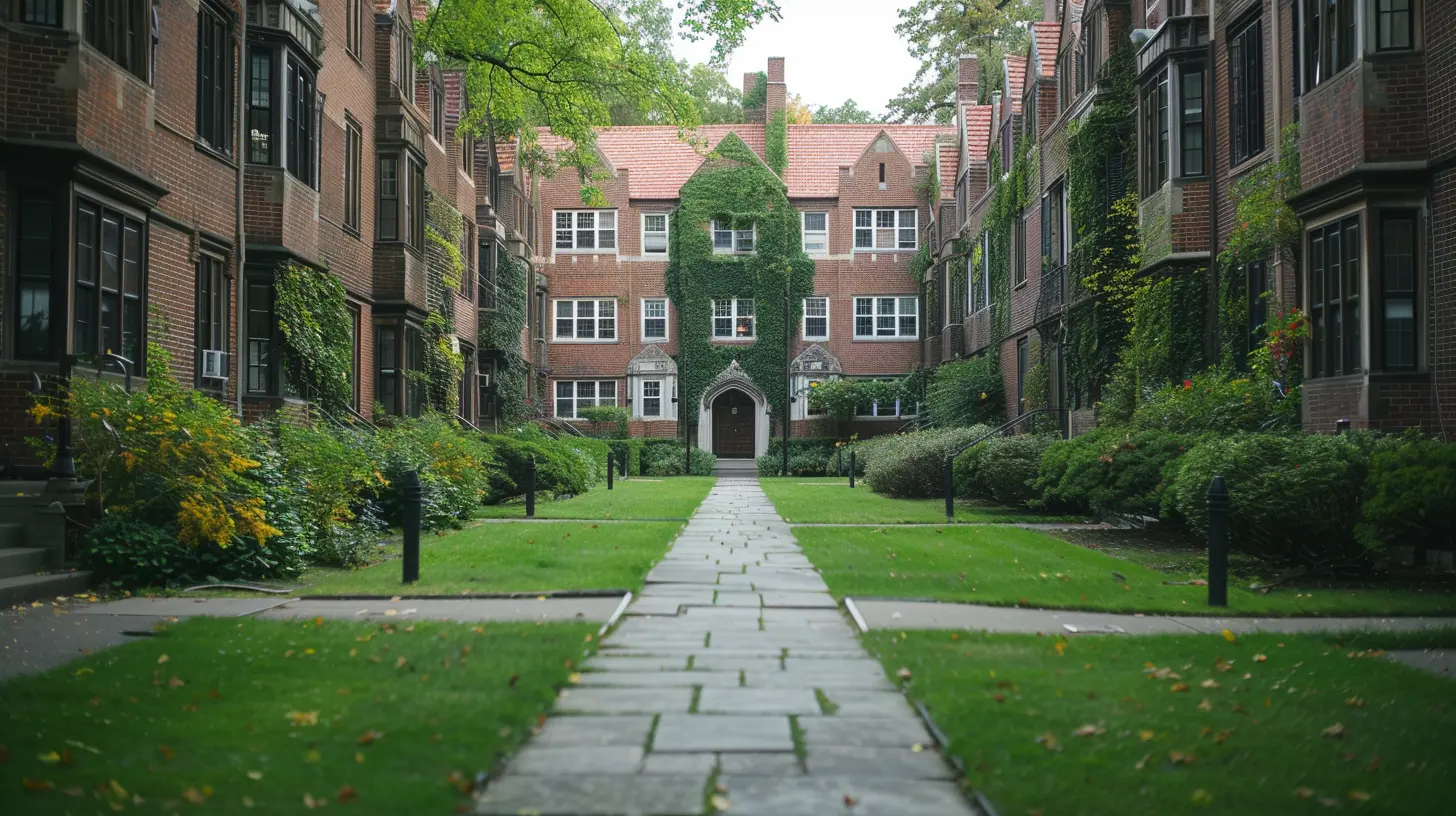
On-Campus Living: The Heart of the College Experience
Living on-campus is kind of like diving headfirst into the college bubble. Everything you need is usually just a short walk away—from classes to coffee shops to your favorite campus hangout spots.✅ Pros of Living On-Campus
1. Convenience Is the Name of the Game
Let’s be real: when your class is a five-minute stroll from your bed, sleeping in becomes an art form. Living in a dorm means you’re constantly within arm's reach of your classes, dining halls, and other campus resources. No car? No problem.2. Built-In Social Life
Dorm life = instant community. Whether it’s your roommate, floormates, or random people you meet in the laundry room, you’re constantly surrounded by fellow students. It’s a little like summer camp—only with exams and ramen.3. Everything’s Included
Most student housing covers your utilities, internet, and sometimes even meals. That means fewer bills to juggle and fewer stress-inducing phone calls with customer service reps.4. Campus Security
There’s a certain peace of mind that comes with 24/7 campus security. Living on-campus tends to feel safer, especially for freshmen who might not know the area well yet.5. Academic Boost
Studies have shown that students who live on-campus often perform better academically. Why? Probably the combination of being closer to resources and being more involved in campus life.❌ Cons of Living On-Campus
1. Lack of Privacy
Let’s talk about shared bathrooms. And roommates. And thin walls. Privacy is practically nonexistent in most dorms. If you’re someone who recharges solo, dorm life can be draining.2. Strict Rules
Curfews, guest policies, RA check-ins—living on-campus can feel a bit like still being under your parents’ roof. Want to throw a party? Good luck with that.3. It’s Not Always Cheaper
People often assume dorm life is cheaper, but sometimes, it’s actually the opposite. Especially at private universities, on-campus housing can really drain your wallet.4. Limited Cooking Options
If you love to cook, prepare to grieve. Most dorms have limited or no kitchen space, pushing students toward meal plans, takeout, or microwave dinners.5. It's Temporary
Most schools only guarantee housing for a year or two. After that, you're back at square one—scrambling for your next living arrangement.
Off-Campus Living: A Taste of the Real World
Off-campus living is like dipping your toes into adulthood. You get more independence, more space, and (let’s be honest) fewer awkward run-ins in the hallway.✅ Pros of Living Off-Campus
1. Sweet, Sweet Freedom
Want to have friends over until 2 a.m.? Go for it. Want to paint your bedroom walls purple? No one’s stopping you. Living off-campus means fewer rules and more control over your personal space.2. More Privacy, More Space
Most apartments or rental houses are way more spacious than a dorm room. Plus, you can actually choose your roommates—or decide not to have any at all.3. Real-World Skills
Paying bills, buying toilet paper, dealing with a cranky landlord—living off-campus forces you to adult, fast. It’s challenging, sure, but also super rewarding.4. Can Be More Affordable
Depending on the area and whether you split costs with roommates, off-campus living can actually save you money. Especially if you're savvy about budgeting and avoid luxury apartments that scream “Instagram influencer starter pack.”5. Better Food Options (Yes, Please)
No more meal plans! You get to cook your own meals, and having your own fridge and oven feels like a tiny luxury. Say goodbye to mystery meat and hello to spontaneous taco nights.❌ Cons of Living Off-Campus
1. Transportation Troubles
Living off-campus often means commuting to class. That could mean walking, biking, bussing, or—God forbid—dealing with campus parking.2. More Responsibility
With freedom comes, you guessed it, responsibility. Leaky faucet? You’ll probably have to call the landlord (and wait days). Forgot to pay the electricity bill? Enjoy your candlelit study session.3. Isolation
When you live off-campus, especially far from school, you might miss out on spontaneous hangouts and those random once-in-a-lifetime campus moments. It's easier to feel disconnected.4. Lease Hassles
Getting your own place means signing leases, putting down security deposits, and dealing with rental agreements that can be confusing or restrictive. Some landlords even ask for a full year's lease, regardless of your academic calendar.5. Furnishing Woes
Most apartments don’t come fully furnished. That means buying (or borrowing) a bed, desk, chairs, dishes, and more. It adds up—fast.
So… Which One Is Better?
Honestly? It depends on you.Are you a social butterfly who thrives on being in the thick of campus life? On-campus might be your thing. Prefer your own space and don't mind the “real-world” responsibilities? Off-campus could be the better move.
It also depends on your financial situation, your school’s location, your major, and your personality. If you’re studying architecture and pulling all-nighters in the library, living close by might save your sanity. If you’re attending a commuter school or want a quiet place to study and recharge, off-campus may suit you better.
Mixing It Up: The Hybrid Experience
Some students take a blended approach—living on-campus for the first year or two, then moving off-campus once they’ve gotten the lay of the land. This strategy can be the best of both worlds: you start with the social network and structure of dorm life, then transition into independent living once you’re more settled.Tips for Making Either Option Work
No matter where you live, success comes down to how you manage your space, time, and relationships. A few evergreen tips:- Set boundaries—whether it’s with roommates or landlords or your RA.
- Budget smart—track your spending and stick to a plan.
- Stay connected—even if you live off-campus, make the effort to be involved.
- Carve out "you time"—living with people is fun, but it can also be draining.
- Know your rights—learn about tenant laws or housing policies.
Final Thoughts
At the end of the day, living on-campus vs. off-campus isn’t just about where you sleep—it’s about how you want to live. College is a time of massive growth, and your living situation can play a huge role in shaping your experience.Don’t overthink it. No matter where you live, you’re going to have unforgettable moments, build lifelong friendships, and learn more than you ever thought possible—about both your major and yourself.
So weigh the pros and cons, trust your gut, and remember: you can always change it up if it’s not working out. It's your college journey—make it your own.
all images in this post were generated using AI tools
Category:
Student HousingAuthor:

Camila King
Discussion
rate this article
2 comments
Uriel McKeever
Balance convenience with independence for best choice.
January 31, 2026 at 3:29 AM
Camila King
Thank you for your insight! Striking that balance truly enhances the college experience.
Starling Allen
Choosing between on-campus and off-campus living depends on lifestyle priorities—make your decision wisely!
January 25, 2026 at 1:43 PM
Camila King
Thank you for your insight! Lifestyle priorities indeed play a crucial role in this decision.