The Legal Challenges of Buying Property in Historical Districts
31 January 2026
Buying property in a historical district sounds like a dream, right? Cobblestone streets, charming architecture, and a sense of history around every corner. But before you get too caught up in the romance of owning a piece of the past, there are some serious legal hurdles to consider.
From zoning laws to preservation restrictions, navigating the legal landscape of these unique properties can feel like walking through a minefield. But don’t worry—I’ve got you covered. In this article, we’ll break down the major legal challenges of buying property in a historical district so you can make an informed decision without any nasty surprises. 
What is a Historical District?
Before diving into the legal stuff, let’s define what a historical district actually is. Basically, it’s a designated area recognized for its cultural, architectural, or historical significance. These districts often have strict rules to preserve their character and prevent modern developments from overshadowing their charm.Historical districts can be established at the local, state, or national level, each with its own set of regulations. If you’re considering buying property in one, it’s crucial to know what you’re getting into—because trust me, the rules can be more complicated than you think. 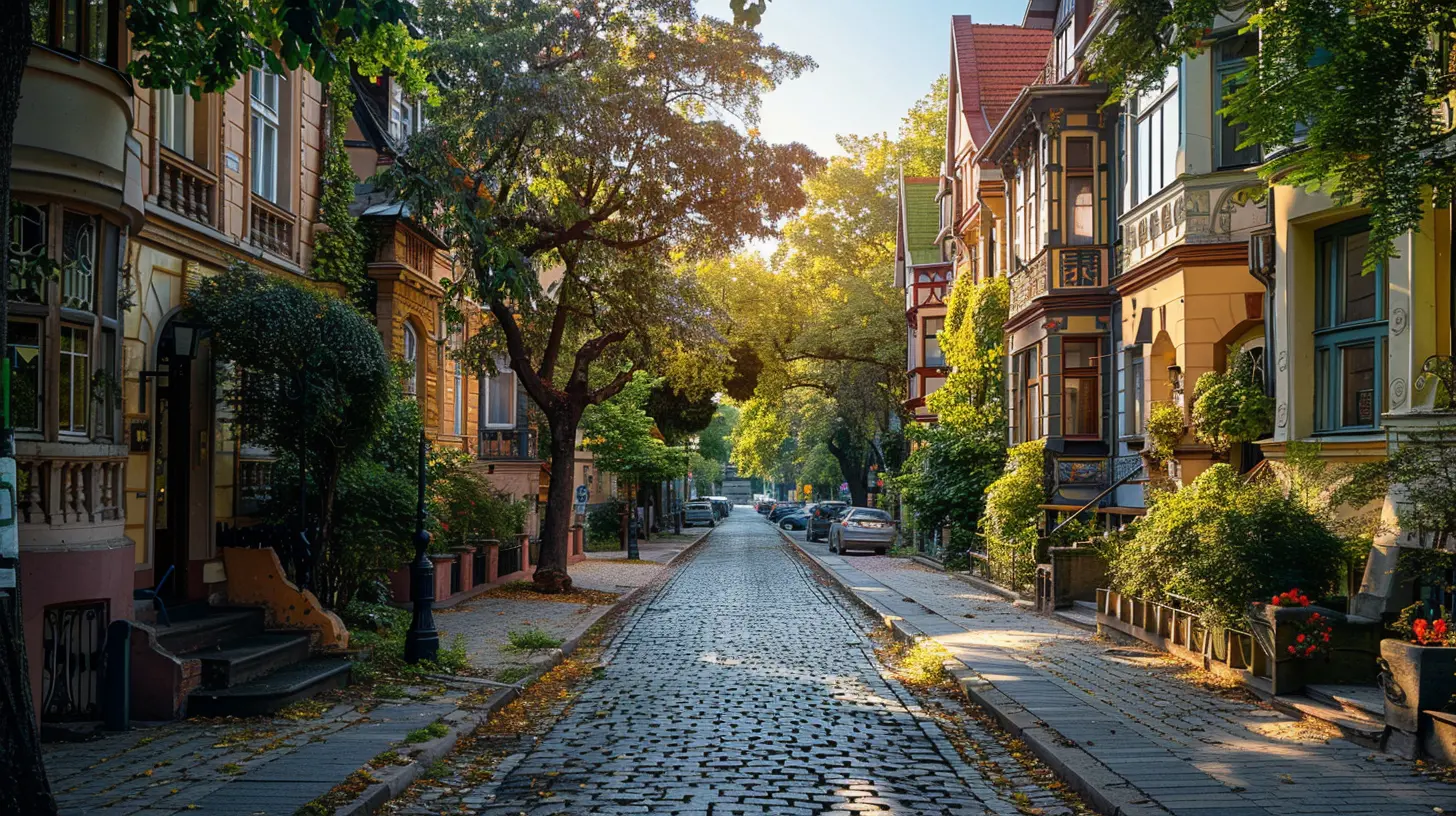
Legal Challenges of Buying Property in Historical Districts
1. Strict Building and Renovation Restrictions
One of the biggest hurdles when buying in a historical district? You can’t just do whatever you want with the property.Many of these districts have preservation laws in place to maintain the architectural integrity of the area. That means:
- You might need approval before making any changes to the exterior.
- Materials and designs must fit the district’s historical aesthetic.
- Some renovations may be completely off-limits (like tearing down an old porch or replacing wooden windows with PVC).
So, if you dream of buying a historic home and giving it a modern facelift, think twice—it might not be allowed!
2. Zoning Laws Can Be a Nightmare
Zoning regulations in historic districts are often stricter than in other areas. These rules dictate how properties can be used, expanded, or even landscaped.For example, if you’re buying a historic building thinking you’ll turn it into a trendy café, the zoning laws might not allow it. Even residential changes—like adding a garage or building an extension—can be met with resistance from local preservation boards.
Before you buy, check your local zoning laws to avoid legal headaches down the road.
3. Higher Costs for Maintenance and Repairs
Here’s something buyers often overlook: maintaining a historical property can cost a fortune.Since historical homes must often be repaired with authentic materials and techniques, costs can skyrocket. A new roof? You might need historically accurate shingles. New windows? You’ll probably have to custom-make them to match the original design.
Plus, you might be required to work with specialized contractors who charge more for their expertise. If you’re on a tight budget, this could turn your dream home into a financial nightmare.
4. Limited Insurance Options
Insuring a historic property isn’t as simple as insuring a regular home. Many insurance companies view these properties as high risk because:- They often require costly repairs.
- Their age can make them more vulnerable to damage.
- Some materials used in old properties aren’t up to modern safety standards.
Because of this, standard home insurance policies might not cut it. You may need specialized coverage, which can be more expensive. Make sure you check insurance options before you commit to buying.
5. Navigating Local Preservation Commissions
Most historical districts have a Historic Preservation Commission that oversees renovations and ensures properties maintain their historical integrity. While their goal is noble, dealing with them can be frustrating.These commissions often require:
- Extensive approval processes for any changes.
- Detailed paperwork, sometimes including historic research.
- Public hearings where neighbors might object to your plans.
Even something as simple as painting your house might require jumping through bureaucratic hoops. If you’re not a fan of red tape, living in a historic district might test your patience.
6. Restrictions on Modern Upgrades
Love smart home features? Thinking of installing solar panels? In many historical districts, modern upgrades are either heavily restricted or banned altogether.This can include:
- Solar panels that alter the visual character of the property.
- Energy-efficient windows and doors that don’t match the original design.
- Modern security systems that require visible changes to the home.
While some districts allow certain updates (as long as they’re discreet), others are completely against modern modifications. Check the regulations before you buy so you’re not stuck in the past—literally.
7. Potential Legal Disputes and Fines
Think you can just make changes and deal with the consequences later? Bad idea.Violating historical district regulations can lead to:
- Hefty fines for unauthorized renovations.
- Legal battles with preservation groups or neighbors.
- The forced removal of unapproved renovations (which can be expensive to undo).
In some extreme cases, homeowners have even been sued for altering historical properties without proper approval. So before you pick up that sledgehammer for a renovation project, make sure you have the green light from local authorities. 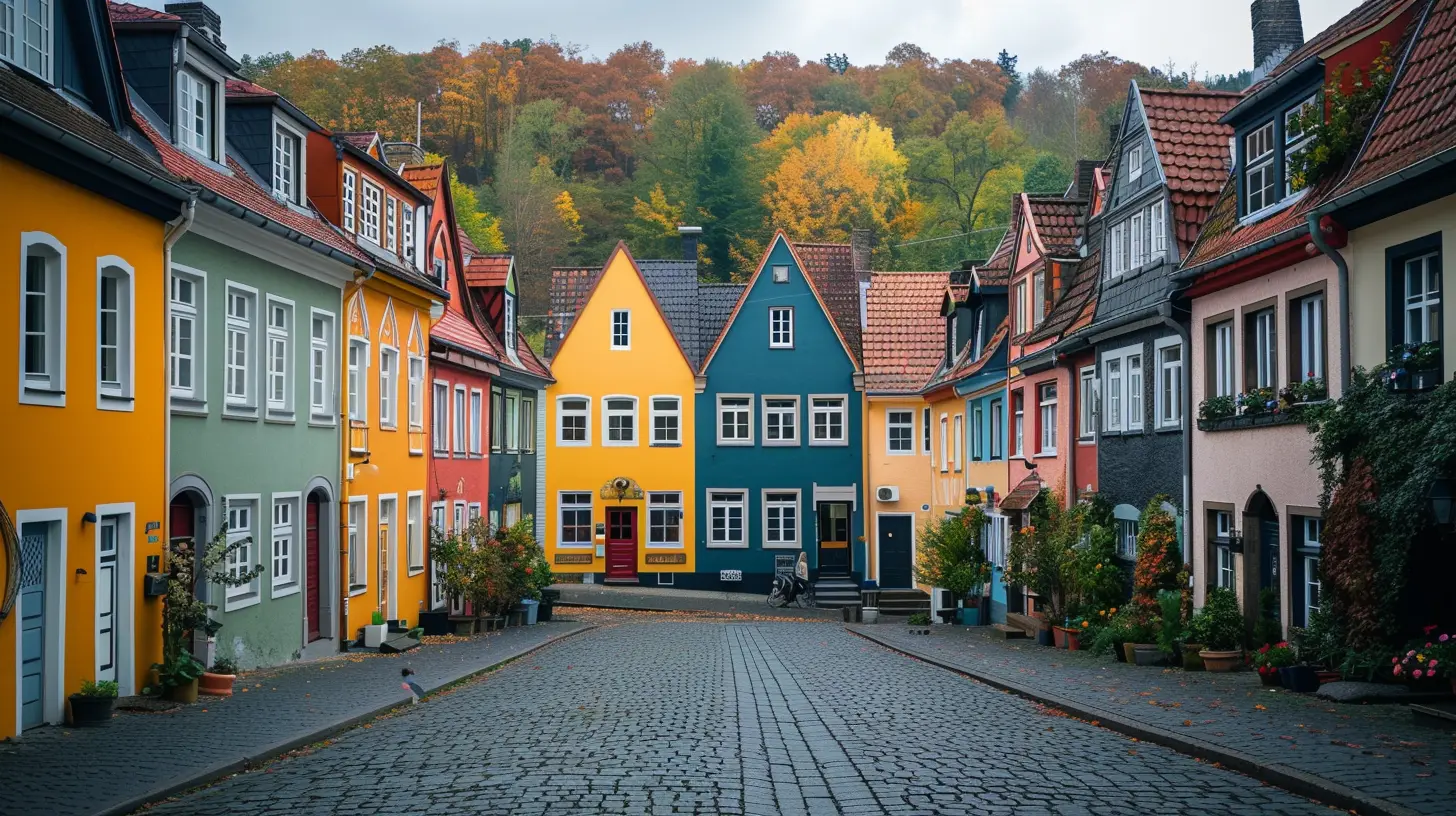
Is Buying in a Historical District Worth It?
Now that we’ve covered the major legal challenges, you might be wondering: Is it really worth buying in a historic district?Honestly, it depends on your priorities. If you love the charm and history of these properties—and you’re okay with the rules—then yes, it can absolutely be worth it.
Living in a historic district often comes with perks like:
✔ A strong sense of community (neighbors tend to be very invested in preservation).
✔ Potential tax incentives for maintaining a historic home.
✔ Increased property value over time due to the neighborhood’s unique appeal.
But if you’re someone who loves creative freedom with your property or doesn’t want to deal with bureaucratic red tape, a historical district might not be the right fit. 
Final Thoughts
Buying property in a historical district isn’t for the faint of heart. It comes with strict rules, higher costs, and legal challenges that can make ownership more complicated than buying a home in a regular neighborhood.However, if you’re passionate about preserving history and willing to navigate the hurdles, it can be an incredibly rewarding experience. Just do your homework, consult with local preservation offices, and talk to current homeowners before making your decision.
At the end of the day, owning a historic home is like being the caretaker of a piece of history. It’s a responsibility—but one that comes with undeniable charm and character. Are you up for the challenge?
all images in this post were generated using AI tools
Category:
Legal ConsiderationsAuthor:

Camila King
Discussion
rate this article
2 comments
Olympia Reese
Purchasing in historical districts can be a labyrinth of legal twists and turns. What hidden secrets lie beneath the charm of these properties? Unraveling the mystery is just the beginning.
February 8, 2026 at 4:48 AM
Camila King
Absolutely, navigating the intricate regulations and potential restrictions in historical districts can reveal both unique opportunities and significant challenges. It's essential to thoroughly research and understand these nuances before making a purchase.
Caroline Butler
Navigating the legal labyrinth of historical districts? It's like dancing in a museum: stunning, but watch your step! Understanding regulations is key to preserving charm while avoiding costly missteps. History should be cherished, not complicated!
January 31, 2026 at 3:29 AM
Camila King
Absolutely! Balancing preservation with regulation is crucial for maintaining the unique charm of historical districts while ensuring a smooth property buying experience.