The Impact of Location on Your Student Housing Experience
18 June 2026
When you're heading off to college or university, choosing where to live is a big decision. You might be tempted to find the cheapest place available, but have you thought about how location affects your daily life? The truth is, where you live can make or break your student experience.
From commutes to social life, proximity to amenities, and even your academic performance—location plays a massive role in shaping your time as a student. So, let’s dive deep into how the right (or wrong) location can impact your student housing experience. 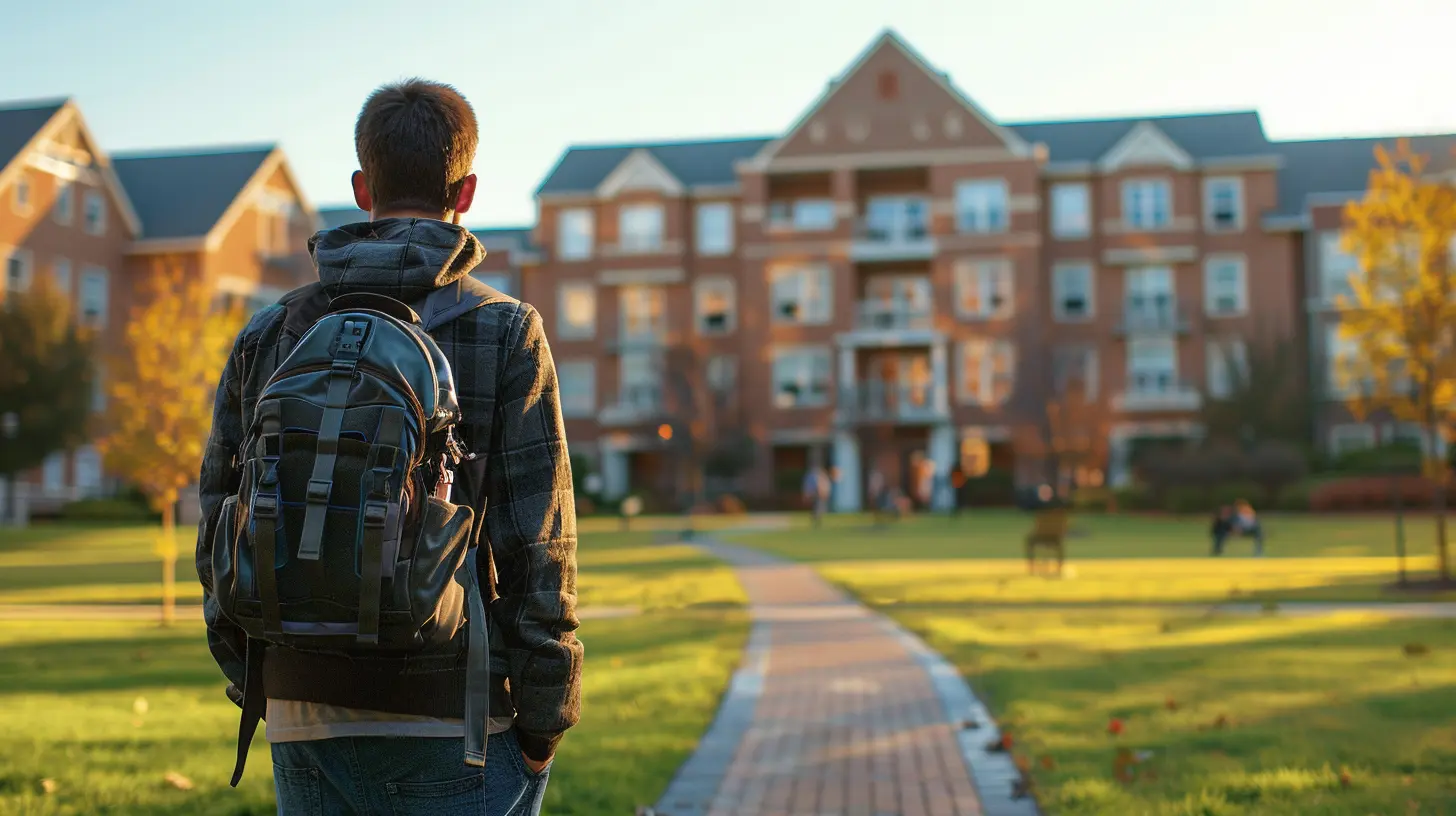
1. Proximity to Campus – The Ultimate Convenience
One of the most critical factors in student housing is how close it is to your campus. Living near your university means you’re just a short walk or bike ride away from lectures, libraries, and study groups. No more waking up at the crack of dawn just to make those dreaded 8 AM classes!How Close Is Too Close?
While living right next to campus is incredibly convenient, it can also be noisy, especially if you’re near student pubs, dorms, or sports facilities. If you like peace and quiet, consider a place that’s close enough to walk but far enough to escape the chaos.The Commute Factor
If you live further from campus, you’ll probably have to rely on public transport or a car. While this might not seem like a big deal initially, long commutes can add up—both in cost and time. The stress of rushing to catch a bus or sitting in traffic can take a toll on your productivity and well-being.
2. Cost of Living – Finding the Right Balance
Location directly impacts how much you’ll pay for rent, groceries, and daily expenses. Student housing near major universities tends to be pricey, whereas properties slightly farther out are often more affordable.Urban vs. Suburban Living
Living in the city center offers convenience, but it comes with a hefty price tag. On the flip side, suburban areas might offer lower rent, but you’ll need to factor in transportation costs.Shared Housing – A Smart Way to Cut Costs
If you want to live in a prime location without breaking the bank, consider sharing an apartment or house with roommates. Not only does this split expenses, but it also creates a built-in social circle.
3. Accessibility to Public Transport
Even if you don’t have a car, the location of your student housing should have easy access to public transportation. Trains, buses, and bike-sharing services can make commuting easier and save you money compared to owning a car.Walkability Matters
Check if your neighborhood is walkable. Can you easily get to grocery stores, cafes, or your gym on foot? Living in a pedestrian-friendly area can make daily errands less of a hassle.Late-Night Safe Travels
If you often study late in the library or hang out with friends, consider how safe and accessible the area is at night. Do buses run late? Is it well-lit and secure? Choosing a location with reliable transport around the clock can make a big difference.
4. Social Life & Entertainment
Your student years aren't just about studying—they're also about making friends, creating memories, and having fun. The location of your housing plays a big role in shaping your social experience.Near Student Hangout Spots
Living near student bars, restaurants, and social hubs makes it easier to meet new people and build lasting friendships. Being part of the action helps you stay engaged in campus life.Too Much Fun? The Downside of Party Zones
While partying can be fun, living in a high-energy area has its downsides. Loud music, street noise, and late-night revelers can make it hard to focus when you need a quiet night in.Parks and Nature—A Breath of Fresh Air
If you’re someone who enjoys the outdoors, consider a location with access to parks or green spaces. Nature can provide a relaxing escape from academic stress and help you stay active.5. Safety – Your Peace of Mind Matters
No matter how great the location seems, safety should always be a top priority. Before settling on a place, do some research on crime rates and security measures in the area.How to Check if an Area Is Safe
- Look up local crime stats online.- Ask current students or locals about their experiences.
- Check if the streets are well-lit at night.
- Look for properties with security features like gated entries or CCTV.
Emergency Services & Support
Being close to hospitals, pharmacies, and campus security can be a lifesaver in times of emergency. A safe environment helps you focus on studies without constant worry.6. Access to Essentials – Food, Shopping, and Healthcare
Imagine running out of groceries or getting sick and having to travel miles just to find a store or doctor. The convenience of nearby essentials is something many students overlook—until they need them.Grocery Stores & Restaurants
A location with supermarkets, affordable eateries, and coffee shops nearby saves time and effort. Eating well is crucial for energy and productivity, and having options close by makes life easier.Healthcare & Pharmacies
You never know when you might catch a cold or need urgent medical help. Living near a healthcare facility ensures you can get treatment without unnecessary delays.7. Study-Friendly Environment
Living in a noisy, distracting area can severely impact your ability to focus. A good study environment is crucial for academic success.Libraries & Study Cafés
If your student housing is far from campus, ensure there are quiet study spots nearby. Cozy cafés with Wi-Fi can be great alternatives if you need a change of scenery.Quiet vs. Busy Areas
Think about your study habits. If you need total silence, avoid housing near nightclubs or busy streets. But if you thrive in a lively atmosphere, a central location might be perfect.8. Future Benefits – Think Beyond Just College Years
Your student housing choice isn’t just about the present—it can affect your future career and networking opportunities.Proximity to Internships & Job Centers
If you're planning to work part-time or do internships, living near business districts or companies in your field can be a huge advantage. This makes commuting to work much easier.Building Connections
Networking is just as important as academic success. Living in a well-connected, student-friendly area increases your chances of meeting professionals, professors, and future colleagues.Final Thoughts
There's no one-size-fits-all answer to the perfect student housing location. What works for one person might not work for another. However, balancing cost, convenience, safety, and social life can lead to a fulfilling college experience.Before you sign that lease, take the time to consider these factors carefully. The right location can enhance not just your studies, but your entire student life. Choose wisely—you’ll thank yourself later!
all images in this post were generated using AI tools
Category:
Student HousingAuthor:

Camila King
Discussion
rate this article
2 comments
Lillian McNab
Location makes all the difference! Choose wisely for a great student housing adventure ahead!
August 3, 2026 at 4:25 AM
Zorion Taylor
This article highlights a crucial aspect of student life. The right location can significantly enhance the experience, providing access to amenities, safety, and a vibrant community. Great insights for both students and landlords.
June 24, 2026 at 12:34 PM
Camila King
Thank you for the feedback! I'm glad you found the article insightful. Location truly plays a vital role in shaping a student's experience.