The Benefits of Buying a Home in a Low-Interest Market
11 February 2026
Buying a home is one of the biggest financial decisions you'll ever make. It’s not just about finding your dream house with the white picket fence or the sleek downtown condo with a view. Timing plays a huge part in how much that dream actually costs you. One of the most powerful — and often overlooked — timing factors? Interest rates.
If you’ve been sitting on the fence about buying a home, now might be the right time to jump in. Especially if the market is offering low-interest rates. Let’s break it down together and talk about why buying a home in a low-interest market could be one of the smartest moves you’ll ever make.
What Exactly Is a Low-Interest Market?
Before we dive deeper, let’s get on the same page.A “low-interest market” simply means that the interest rates on loans — especially mortgages — are lower than usual. The Federal Reserve (yep, the folks who control interest rates) tends to lower rates when they want to stimulate the economy. When that happens, banks and lenders follow suit, and suddenly, borrowing money (like for a home loan) becomes a lot cheaper.
Now, you might be thinking, “Okay, cool... but how does that really affect me?”
Well, let’s just say it can impact WAY more than just your monthly payment.
Lower Interest = Lower Monthly Payments
This is the big one — let’s address it right away.When interest rates are low, your mortgage payments shrink. Let’s say you’re looking at a $300,000 house. If you lock in your mortgage at a lower rate, say 3% instead of 6%, you could be saving hundreds — yes, hundreds — of dollars a month.
That’s money you can put toward home improvements, savings, travel, or hey, even just a better coffee every morning.
Seriously, why give the bank more of your paycheck than you have to?
You Can Afford More Home
Ever wonder what kind of place you'd get on your budget? Well, here’s some encouraging news: In a low-interest market, your buying power goes up.Think of your loan as a balloon — when interest deflates, the buying power inflates. The money you would’ve spent on high interest now goes toward the actual home. You might snag that extra bedroom, a bigger backyard, or even a better neighborhood than you thought possible. And all without increasing your monthly payments.
It’s like getting upgraded to first-class because all the middle seats were cheaper that day. Who wouldn’t want a little luxury for less?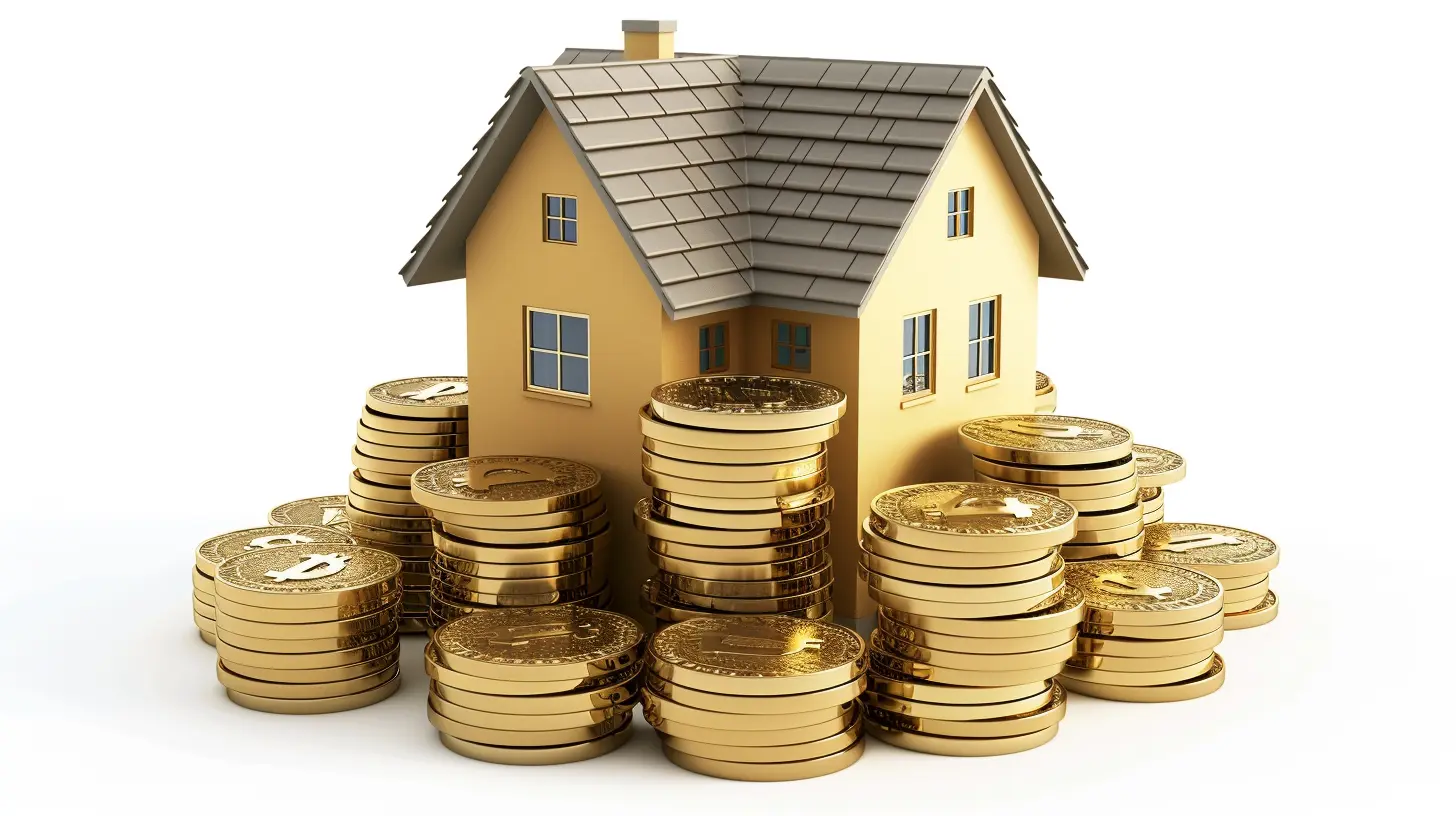
Easier Qualification for Mortgages
Low-interest markets often bring more flexible lending environments.Banks and mortgage lenders WANT to lend more when rates are low. That means they’re more open to approving buyers with decent credit and stable income, even if you’re not swimming in cash.
So, if you’ve been hesitant because you're worried you won't qualify, the current market might actually work in your favor. There’s a warm welcome mat out there if you’re ready to walk through the door.
You’ll Pay Less Over the Life of Your Loan
Let’s not forget the long game here.When you lock in a lower interest rate, you're not just saving this year or even next year. If you’re taking out a 30-year fixed-rate mortgage, that rate sticks with you for three decades (unless you refinance... but that’s a whole other topic).
A lower interest rate could save you tens of thousands of dollars over the life of your loan. Imagine what else you could do with that kind of money — send a kid to college, take a once-in-a-lifetime vacation... or retire early.
Wouldn’t it feel amazing knowing you kept that cash in your pocket instead of handing it over to the bank?
More Room to Build Equity Faster
Let’s talk equity — the magic word in real estate.Equity is basically the difference between what your home is worth and what you still owe on it. The more quickly you build equity, the faster you can access it when needed — through home equity loans or lines of credit — or use it when you eventually sell.
Low interest rates help here, too. Because you're paying less in interest, a bigger chunk of your monthly mortgage goes toward paying off the principal — what you actually owe. That means your debt goes down faster, your equity goes up faster, and you build real wealth a lot sooner.
It’s like climbing a mountain — would you rather hike up in heavy boots or light sneakers?
Refinancing Won’t Be Your Go-To Strategy Later
Here’s something most people don’t think about: When you buy in a low-interest market, you're less likely to feel the need to refinance later.People refinance their homes to get better interest rates and lower their payments. But if you bought your home when rates were already rock-bottom? You probably nailed it the first time. That means less paperwork, fewer closing costs, and more stability in knowing your rate is staying put.
Long story short, you're locking in a killer deal upfront. That peace of mind? Priceless.
A Great Time for First-Time Buyers
If you’re a first-time homebuyer, this could be your golden hour.Low-interest markets often coincide with incentives aimed specifically at people buying their first home. We’re talking about government-supported loans with lower down payments, or grants that help with closing costs.
Pair those perks with low rates, and you’re looking at a much smoother — and more affordable — entry into homeownership.
First home jitters? Totally normal. But knowing the numbers are in your favor can make the leap feel more like a hop.
More Sellers = More Choices
Here’s a little secret: low-interest markets also benefit sellers.When buyers get motivated by low rates, sellers see increased demand. That makes them more willing to list their homes. So guess what? You get more options to choose from.
More homes on the market means there’s a higher chance you’ll find one that checks all your boxes — without having to bend over backwards or compromise on your must-haves.
It’s like shopping during a big sale — more inventory, better deals, and a little less pressure to settle.
Safer Investment in an Uncertain Economy
These days, the economy feels like it’s always riding a rollercoaster, right?Real estate has always been one of the more stable and reliable long-term investments. And when you buy during a low-interest market, you’re stepping into that investment with more confidence.
Lower rates mean smaller payments, which makes your financial risk feel a lot more manageable. Even if the market gets bumpy, your low rate acts like a seatbelt keeping you safe.
And hey, people always need places to live. That fact doesn’t change — no matter how wild the economy gets.
Final Thoughts: Timing Is Everything
Here’s the truth: you can't control the market, but you can control when you enter it.Buying a home during a low-interest market isn’t just about scoring a deal — it’s about setting yourself up for future financial security. From lower monthly payments and increased buying power to long-term savings and fast equity building, the benefits are real and undeniable.
So, if you've been waiting for a sign, this might just be it.
Take a deep breath, grab a coffee, and start exploring your options. Whether you’re buying your first home, upsizing for your growing family, or investing in your future — a low-interest market could be the perfect foundation to build on.
You’re not just buying a home; you’re buying peace of mind.
all images in this post were generated using AI tools
Category:
Residential Real EstateAuthor:

Camila King
Discussion
rate this article
2 comments
Nadia Bryant
This article beautifully captures the immense advantages of buying a home in a low-interest market. It’s not just about financial savings; it’s also about building a future and creating a place to call your own. Thank you for sharing these insights—they're truly inspiring for anyone considering homeownership!
February 16, 2026 at 3:41 AM
Camila King
Thank you for your kind words! I'm glad you found the insights helpful and inspiring for future homeowners.
Lola Parker
This article sparks great curiosity about the advantages of purchasing a home in a low-interest market! I'm eager to learn how lower rates could impact affordability and long-term investment potential. It’d be fascinating to explore strategies for maximizing these benefits in today’s evolving real estate landscape!
February 11, 2026 at 4:23 AM
Camila King
Thank you for your enthusiasm! Lower interest rates can significantly enhance affordability and boost long-term investment potential. Stay tuned for insights and strategies in our upcoming sections!