Student Housing Trends That Are Shaping the Market
17 July 2026
The student housing market has undergone significant transformations in recent years. With shifting preferences, technological advancements, and evolving economic conditions, today’s students are looking for more than just a place to crash after a long day of classes. They want comfort, convenience, and an experience that enhances their academic and social lives.
So, what’s driving these changes? Let’s break down the biggest student housing trends that are reshaping the market. 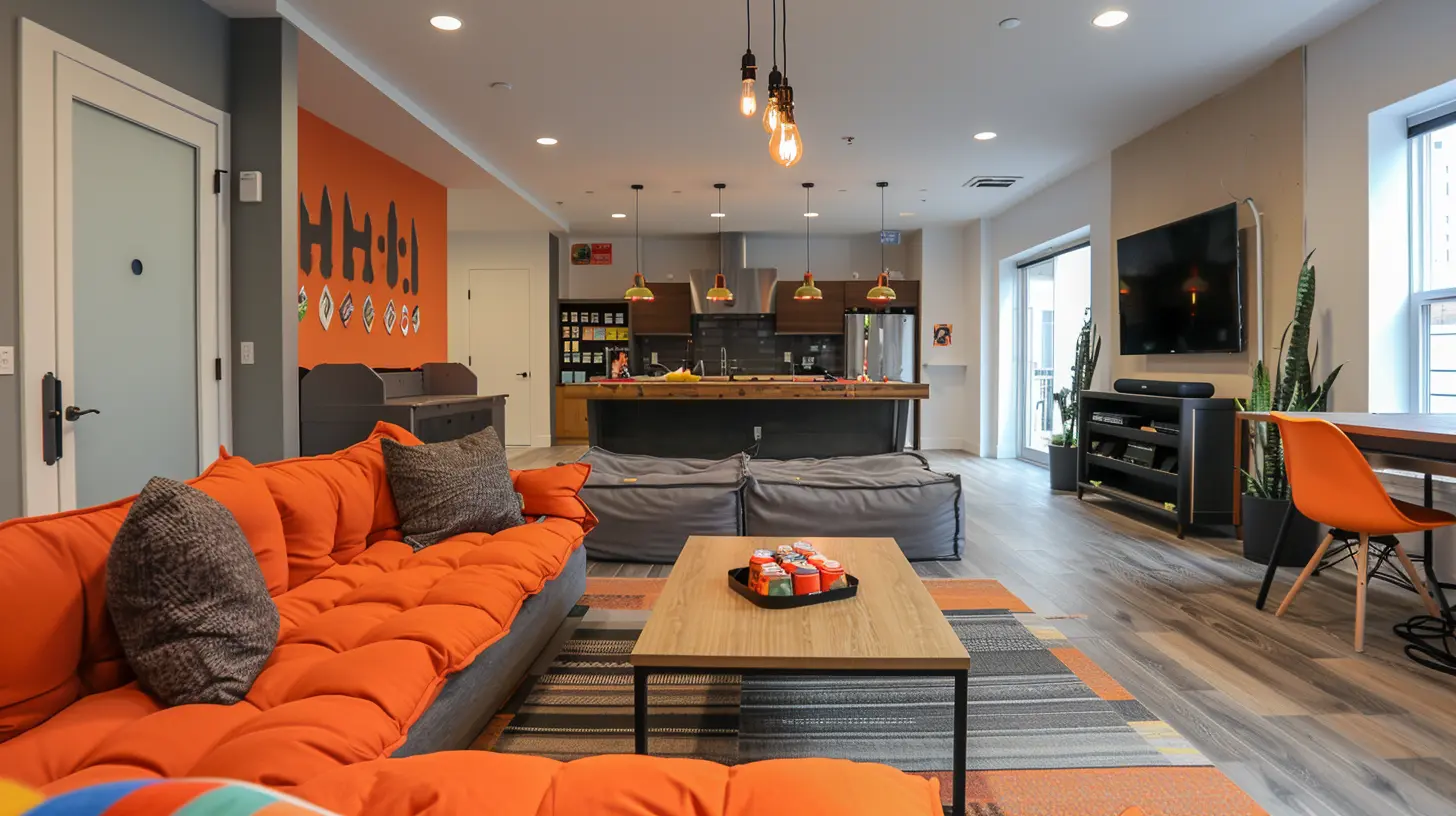
1. Rising Demand for Purpose-Built Student Accommodation (PBSA)
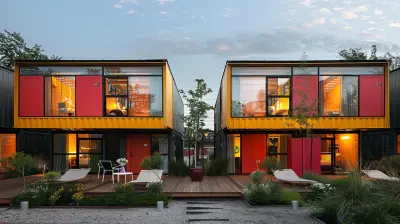
Gone are the days when students settled for cramped dorm rooms or outdated shared apartments. The demand for purpose-built student accommodation (PBSA) is soaring, and for good reason.PBSA properties are designed specifically for students, offering modern amenities like high-speed internet, study lounges, recreational areas, and even fitness centers. These accommodations focus on safety, convenience, and community, making them a preferred choice for students and parents alike.
Why Is PBSA Gaining Traction?
- Better Amenities: Students today expect top-notch facilities that support both their academics and lifestyle.- Security: With keycard entries, CCTV surveillance, and on-site security, PBSA offers a much safer environment than traditional housing.
- Hassle-Free Living: Many PBSA options come fully furnished with utilities included, making budgeting easier.
Investors and developers are taking note, leading to a boom in PBSA construction in major university towns. 
2. The Rise of Co-Living Spaces
Co-living isn't just for young professionals anymore. This trend is making waves in the student housing sector, offering community-driven living spaces that blend affordability with convenience.What Makes Co-Living Appealing to Students?
- Affordability: Compared to private rentals, co-living setups often include utilities, Wi-Fi, and common area maintenance, reducing hidden costs.- Social Interaction: Moving to a new city for college can be overwhelming, and co-living fosters a built-in community.
- Flexibility: Short-term leases give students more freedom, especially for those on exchange programs or internships.
With co-living, students can avoid the stress of hunting for roommates, splitting bills, or dealing with unreliable landlords. It's a win-win for both students and property owners. 
3. Tech-Integrated Living Spaces
Let’s be honest—students practically live on their devices. So, it’s no surprise that smart technology is becoming a major selling point in student accommodations.How Is Tech Transforming Student Housing?
- Smart Locks & Keyless Entry: No more lost keys—students can unlock doors with their smartphones.- High-Speed Wi-Fi & Streaming Services: Fast internet is a non-negotiable for today's students, whether for studying or binge-watching Netflix.
- Automated Maintenance Requests: Rental apps allow students to report issues and track repairs in real time.
- IoT-Enabled Energy Efficiency: Smart thermostats and lighting help cut down on wasted energy and save on bills.
Tech-savvy students expect seamless connectivity and automated solutions, making smart homes a key differentiator in the housing market. 
4. Sustainability and Eco-Friendly Housing
Sustainability isn’t just a buzzword anymore—it’s a necessity. Students are becoming increasingly aware of their environmental impact and want their housing choices to reflect their values.What Makes a Student Housing Sustainable?
- Energy-Efficient Appliances & Solar Panels: Reducing electricity consumption helps lower costs and carbon footprints.- Recycling & Composting Initiatives: Many student housing facilities now have dedicated waste management programs.
- Sustainable Building Materials: Developers are incorporating recycled materials and energy-efficient designs to reduce waste.
Green living is no longer an option—it’s an expectation. And students are willing to pay a premium for accommodations that align with their eco-conscious mindset.
5. The Shift Toward Fully Furnished Apartments
Furnishing an apartment can be pricey, and most students don’t have the time or budget to decorate a rental. That’s why fully furnished apartments are becoming increasingly popular.Why Are Students Choosing Fully Furnished Rentals?
- Convenience: Moving in is as simple as bringing personal belongings—no need to buy furniture or kitchen essentials.- Cost-Effective: Purchasing furniture for short-term use doesn’t make financial sense for most students.
- Aesthetic Appeal: Many furnished rentals are modern, stylish, and Instagram-worthy, making them more attractive to students.
Landlords and developers are recognizing the demand for turnkey living solutions and are catering to a generation that values ease and efficiency.
6. Increased Focus on Mental Health & Well-Being
College life can be stressful—exams, deadlines, and social pressures all take a toll. As a result, student housing providers are prioritizing mental health and well-being more than ever.What Are Housing Providers Doing to Support Students?
- Wellness-Focused Amenities: Yoga studios, meditation rooms, and quiet study spaces are becoming standard features.- On-Site Counseling & Support Services: Many accommodations offer access to mental health professionals and wellness programs.
- Community-Oriented Spaces: Encouraging social interaction helps combat loneliness and fosters a sense of belonging.
Mental health isn’t just an afterthought anymore—it’s a crucial factor in student housing design.
7. Location, Location, Location!
The phrase might be old-school, but it still rings true. Proximity to campus, public transport, and local amenities remains one of the biggest factors influencing student housing choices.Why Do Students Prefer Central Locations?
- Less Commute Time: Students want to minimize travel time to classes, libraries, and social hotspots.- Access to Restaurants & Cafés: Being close to vibrant food scenes is a major perk for university students.
- Convenience of Public Transport: Not all students have cars, so accessible bus and metro routes are essential.
Well-located properties continue to hold strong appeal, ensuring steady demand and rental value appreciation.
8. The Impact of Inflation & Rising Costs
Let’s face it—rent isn't getting any cheaper. With inflation driving up living expenses, affordability is becoming a critical concern for students and their families.How Is the Market Adapting?
- More Financial Aid & Grants: Universities and governments are expanding housing assistance programs.- Hybrid Living Solutions: Some students are opting for shared accommodations or co-living spaces to cut costs.
- Rent Caps & Regulations: Some cities are introducing policies to ensure student rents remain reasonable.
Affordability will continue to shape where and how students choose to live in the coming years.
Wrapping Up: What’s Next for Student Housing?
The student housing market is more dynamic than ever, with trends shifting towards comfort, tech integration, sustainability, and affordability. As students become more discerning, landlords and developers must keep up with evolving expectations to stay competitive.Whether it’s smart apartments, eco-friendly buildings, or co-living setups, the future of student housing is all about creating spaces that enhance the student experience rather than just providing a roof over their heads.
For those in the real estate sector, understanding these trends isn’t just useful—it’s essential. Adapting to student preferences will dictate which properties thrive and which get left behind.
all images in this post were generated using AI tools
Category:
Student HousingAuthor:

Camila King