Should You Buy a Second Home in a Master-Planned Community?
9 December 2025
So, you’re toying with the idea of buying a second home. Maybe you want a weekend getaway, a retirement retreat, or just a place to escape when life gets a little too chaotic. But here’s the real question: should that second home be in a master-planned community (MPC)?
Ah, the allure of a perfectly curated neighborhood where everything from the streetlights to the walking trails is designed with intention. But is it all sunshine and neatly trimmed lawns, or is there a hidden catch? Let’s break it down in a way that won’t make your eyes glaze over.
What Exactly is a Master-Planned Community?
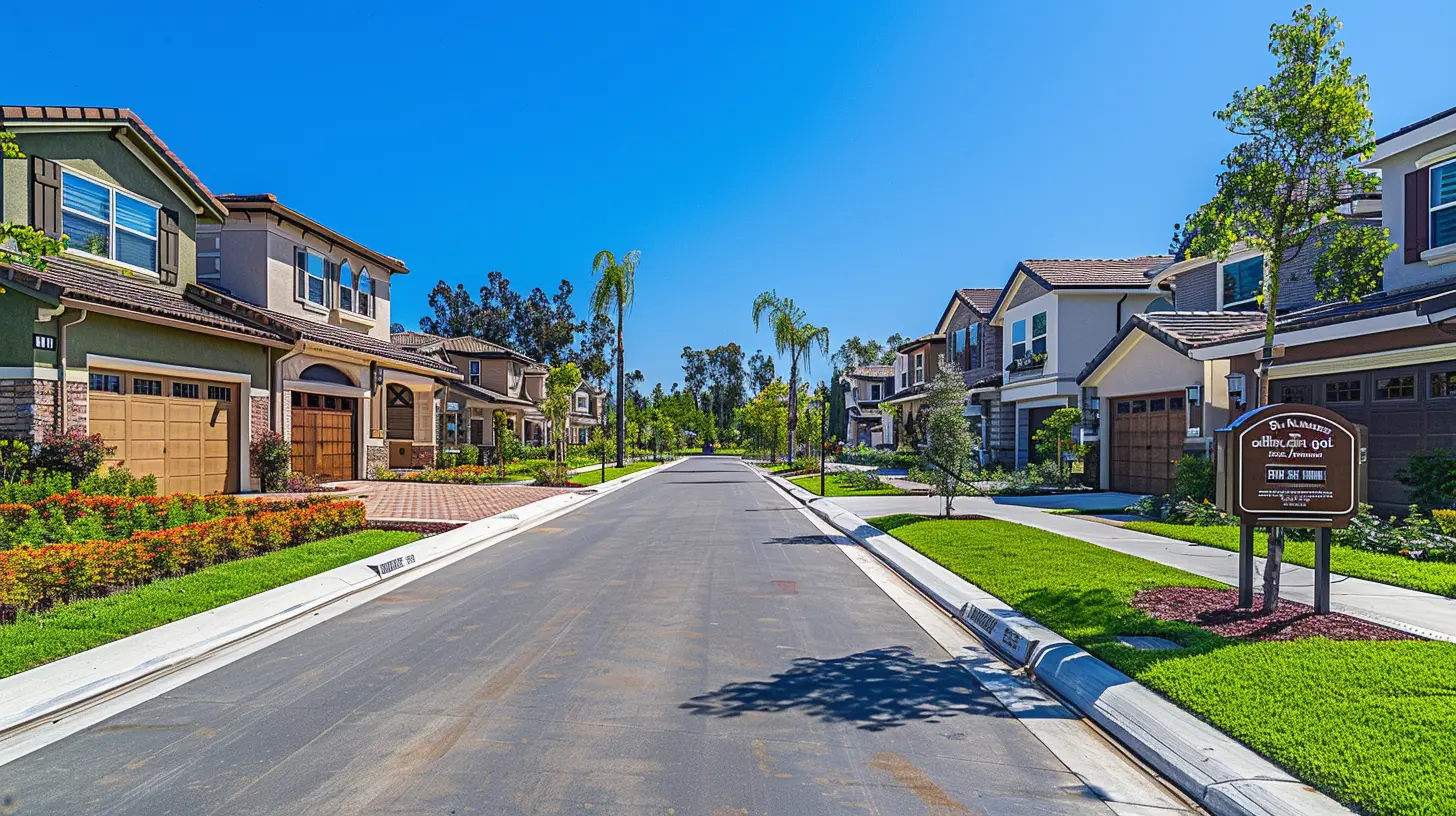
If you’ve ever driven through a neighborhood where everything looks like it belongs in a lifestyle magazine, congratulations—you’ve spotted a master-planned community.MPCs are large-scale residential developments that come with a variety of amenities, like golf courses, parks, pools, fitness centers, and even shopping and dining areas. They’re basically small towns designed to offer convenience, luxury, and a sense of community.
Think of them as the Disneyland of homeownership—structured, appealing, and designed for maximum enjoyment. But just like any well-organized experience, there are both perks and pitfalls.
The Pros of Buying a Second Home in a Master-Planned Community
Let’s start with the shiny, attractive reasons why an MPC might be your best bet for a second home.1. Resort-Like Living (Without the Resort Prices)
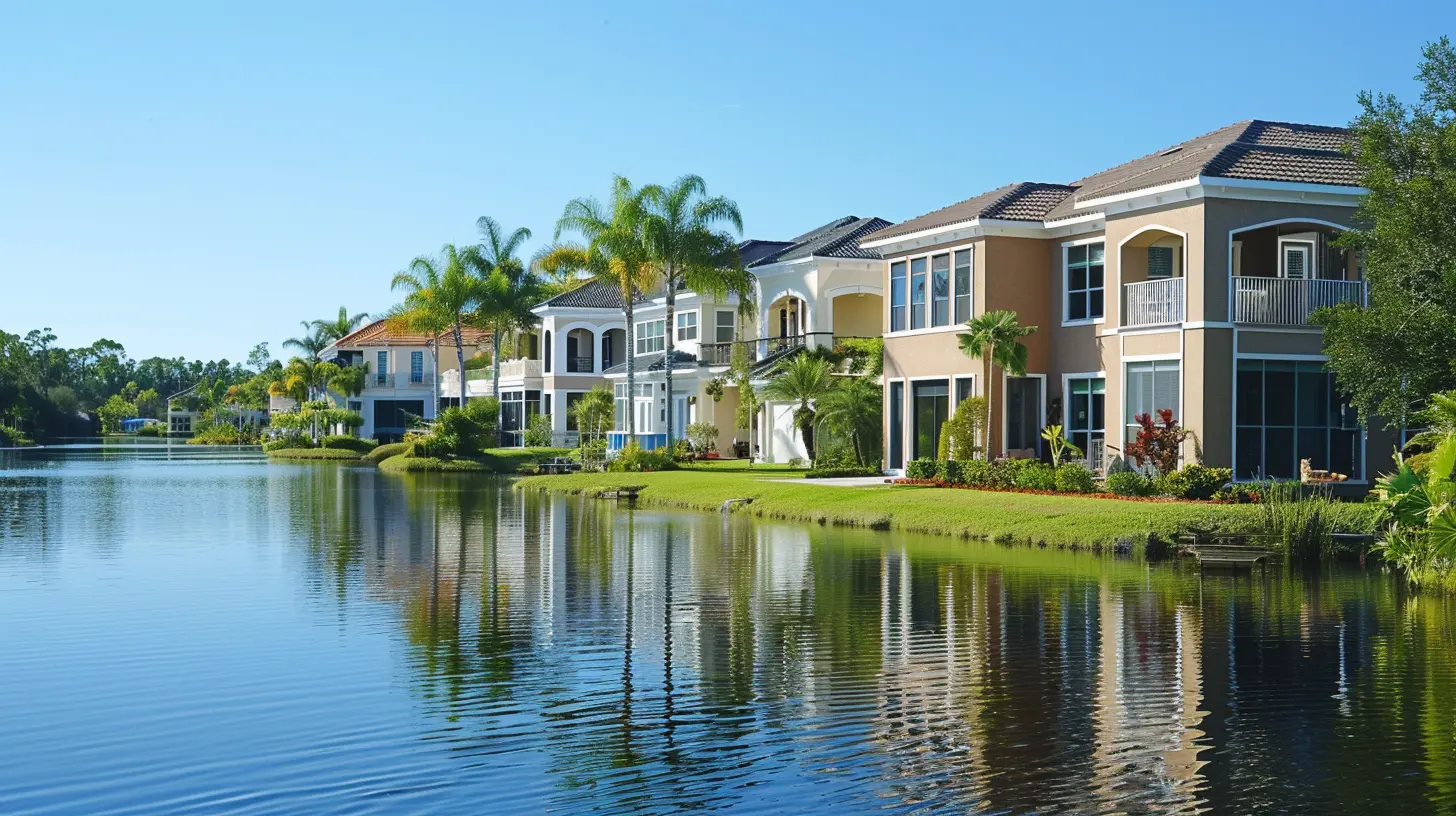
Imagine stepping out of your front door and having access to a private golf course, a community pool, and walking trails lined with perfectly planted flowers. MPCs are designed to provide a resort-like experience without the hassle of booking an expensive vacation.2. High Property Values & Strong Appreciation
If you’re looking at your second home as an investment, MPCs often hold their value well. Thanks to their well-maintained common areas, strict building guidelines, and appealing amenities, homes in these communities tend to appreciate faster than their counterparts in non-planned neighborhoods.3. Built-In Social Life
Moving into an MPC is like getting a VIP pass to a never-ending social event. With community clubs, HOA-sponsored gatherings, and common spaces designed for mingling, befriending your neighbors is almost inevitable. If you plan to use your second home frequently, this built-in social scene could be a huge plus.4. Safety & Security
Master-planned communities often prioritize safety, with gated entrances, neighborhood patrols, and even security cameras. If you’re buying a second home, chances are you won’t be there full-time, and knowing your property is in a secure environment brings peace of mind.5. Hassle-Free Maintenance
Many MPCs have homeowner associations (HOAs) that take care of things like landscaping and exterior maintenance. While HOA fees can sometimes feel like a burden, they ensure your property (and the entire community) stays in top shape—no overgrown lawns or peeling paint in sight.6. Endless Amenities at Your Doorstep
Forget driving across town for a decent gym, a walking trail, or a coffee shop. Many MPCs have everything on-site, making it easy to enjoy a relaxing lifestyle with minimal effort.
The Cons of Buying a Second Home in a Master-Planned Community
Of course, nothing in life (or real estate) is perfect. Let’s talk about the potential downsides of owning a second home in an MPC.1. HOA Fees & Rules Can Be… A Lot
Ah, the infamous homeowner association. While they help maintain property values and keep the community looking neat, they also come with a long list of rules and fees. Want to paint your front door neon green? Think again. HOAs enforce strict guidelines, sometimes to the point of being a little too controlling.2. Less Customization & Character
If you love the idea of a home with quirky charm and unique features, an MPC might not be your best bet. These communities tend to have a uniform aesthetic, which can feel a bit cookie-cutter. If your dream second home is something more eccentric, you might feel creatively stifled.3. Higher Initial Costs
Sure, MPCs offer fantastic amenities, but they come at a cost. Homes in these communities often have a higher price tag compared to similar properties in non-master-planned areas. You’re paying for convenience, security, and curated design—so be prepared to shell out a little extra.4. Restrictions on Short-Term Rentals
Thinking about turning your second home into an Airbnb or a vacation rental when you’re not using it? Not so fast. Many MPCs have strict rules against short-term rentals to maintain the integrity and privacy of the community. If generating rental income is part of your plan, double-check the policies before investing.5. Can Feel a Bit… Manufactured
Some people love the idea of a well-organized, planned-out neighborhood. Others find it a little too Stepford Wives for their taste. If you crave spontaneity, organic growth, and a mix of architectural styles, an MPC might feel a little too polished for comfort.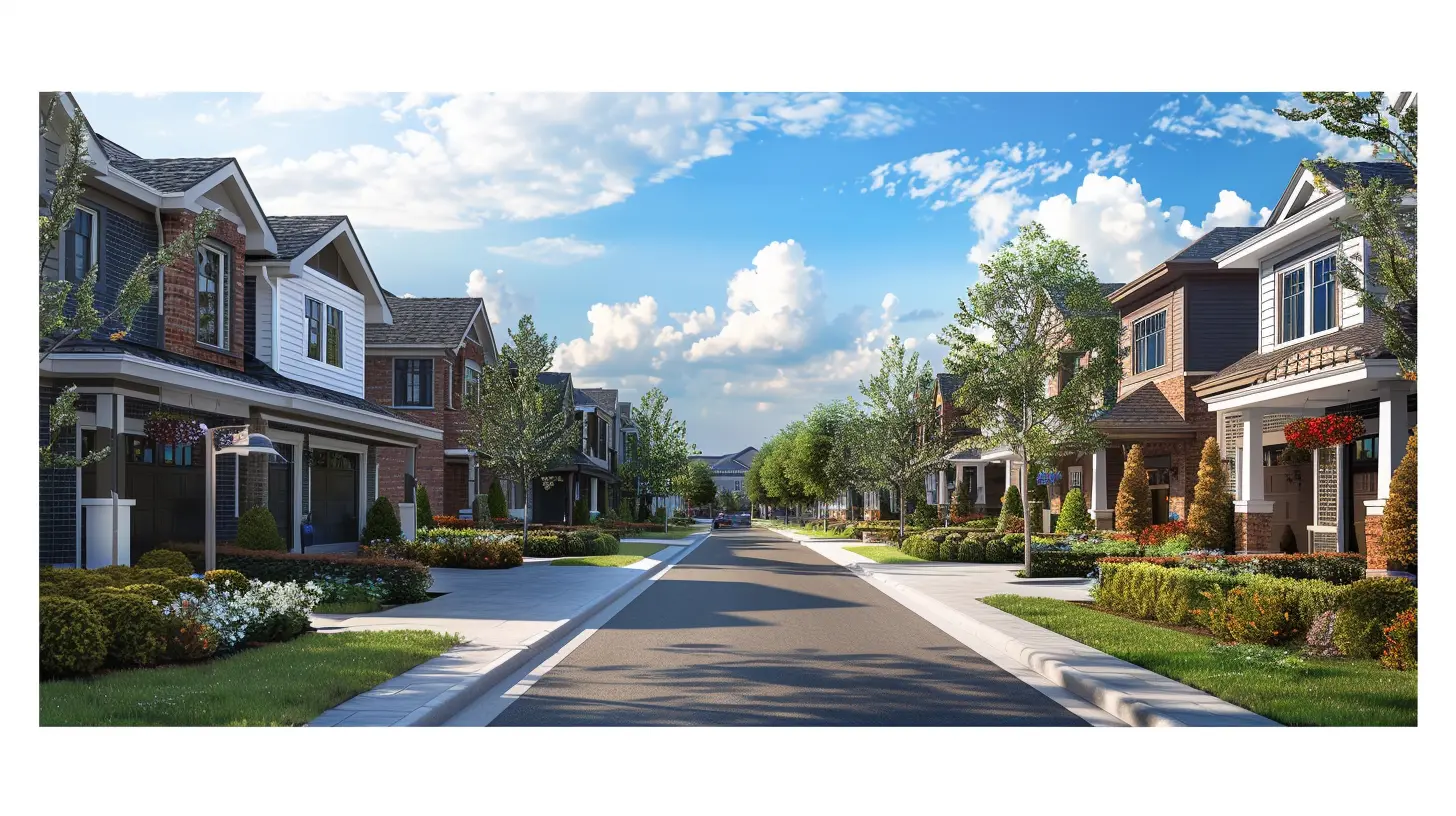
Who Should Consider Buying a Second Home in an MPC?
So, is an MPC the right choice for your second home? It depends on what you’re looking for.✔ Great for:
- People who love a structured, low-maintenance lifestyle.
- Retirees looking for a peaceful, amenity-packed getaway.
- Families who want a secure and community-driven second home.
- Buyers looking for strong property appreciation and long-term investment potential.
✖ Maybe Not Ideal for:
- Free spirits who like unique, customizable homes.
- Investors planning to rent out their second home short-term.
- Those who dislike HOA regulations and fees.
- People who prefer a more diverse and organically grown neighborhood vibe.
Final Verdict: Is a Second Home in an MPC Worth It?
At the end of the day, buying a second home in a master-planned community comes down to lifestyle preferences and priorities. Want a maintenance-free, amenity-filled escape with a built-in social scene? An MPC could be your dream come true. Prefer something more unique, with fewer rules and a little more freedom? You might want to look elsewhere.Whatever you decide, one thing’s for sure—buying a second home should enhance your life, not complicate it. So, weigh the pros and cons, consider your future plans, and most importantly, choose a place where you’ll genuinely love to spend your time.
Happy house hunting!
all images in this post were generated using AI tools
Category:
Second HomesAuthor:

Camila King
Discussion
rate this article
2 comments
Zia Bishop
In lush enclaves where dreams entwine, A second home can feel divine. Master-planned wonders, serenity’s grace, A sanctuary found, a cherished space. Embrace the life that blooms anew, Your heart's calling, a vision true.
December 13, 2025 at 4:38 AM
Camila King
Thank you for your beautiful words! They perfectly capture the essence of finding a second home in a master-planned community—truly a blend of luxury and tranquility.
Azriel Pruitt
Investing in a second home in a master-planned community can offer not just a retreat, but a vibrant lifestyle filled with possibilities!
December 10, 2025 at 4:19 AM
Camila King
Absolutely! A second home in a master-planned community can enhance your lifestyle with amenities and a strong sense of community, making it a worthwhile investment.