Short-Term Rentals: Navigating Zoning and Local Rental Regulations
4 January 2026
So, you're thinking about diving into the world of short-term rentals? Whether you're looking to cash in on the booming Airbnb market or just rent out your spare room for some extra dough, there's one big, gnarly hurdle standing in your way—local regulations.
Yes, folks, the powers that be (ahem, local governments) have plenty to say about what you can and can't do when it comes to short-term rentals. And if you don’t play by the rules, you could end up with hefty fines—or worse, a cease-and-desist order that kills your hosting dreams before they even take off.
So buckle up, because we’re about to navigate the wild world of zoning laws, rental permits, and what it really takes to legally run a short-term rental property.
What Are Zoning Laws, and Why Do They Matter?
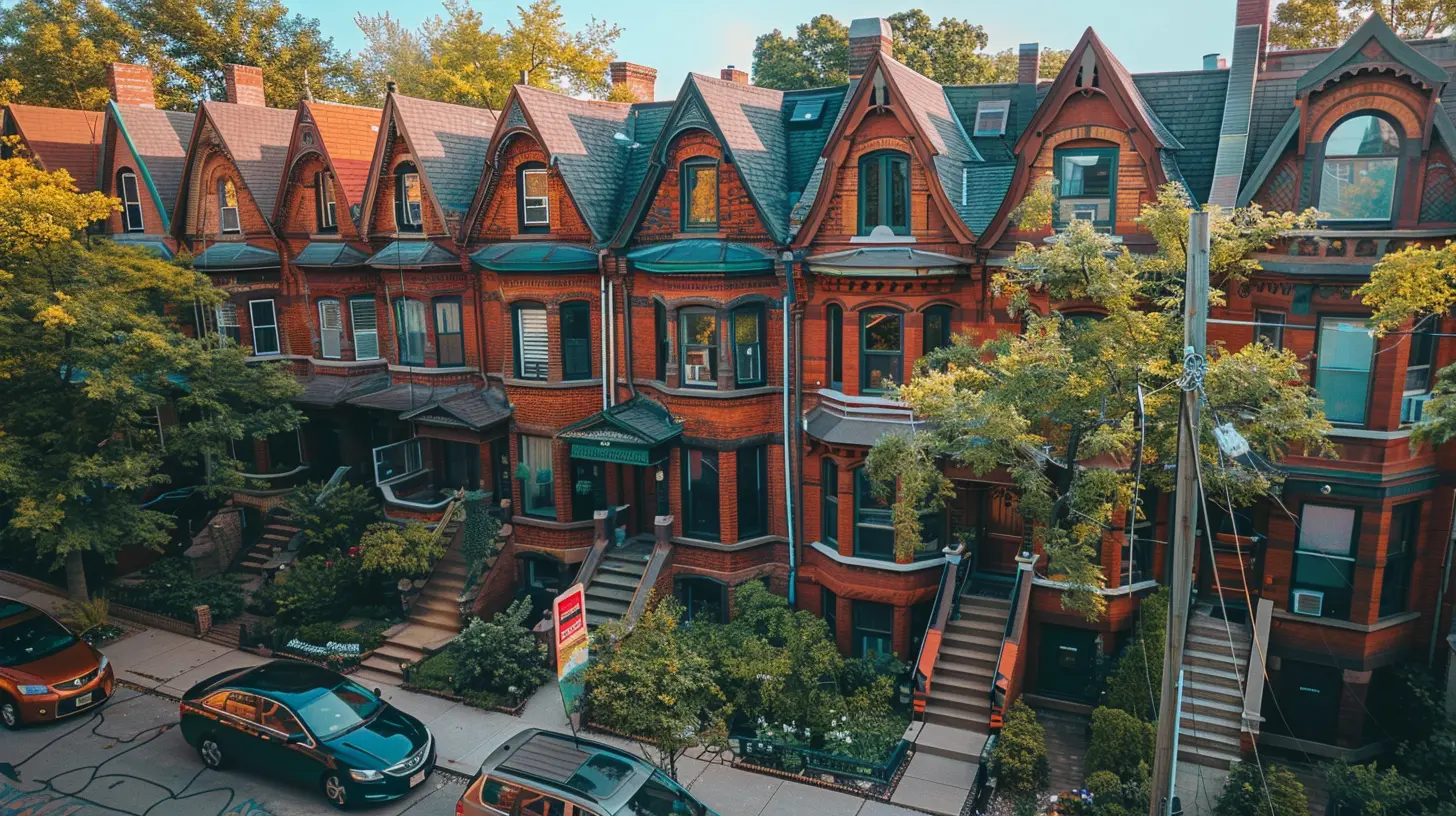
Zoning laws are like the nosy neighborhood watchdog of real estate. They determine how properties can be used—whether for residential, commercial, or industrial purposes. When it comes to short-term rentals, these laws decide whether you can legally rent out your place for a few nights at a time.Some cities embrace short-term rentals with open arms (hello, tourist dollars!), while others throw down major restrictions faster than you can say "booking request."
Local governments enforce zoning laws to maintain neighborhood integrity, control housing availability, and prevent disruption from constant guest turnover. Some areas even have "overlay zones" that allow or prohibit short-term rentals in specific neighborhoods.
How to Check Zoning Laws in Your Area
Before listing your property on Airbnb or Vrbo, do yourself a favor and check your local zoning laws. Here’s how:1. Visit Your City or County Website – Many municipalities have zoning maps and rental regulations available online.
2. Call the Local Zoning Office – Sometimes, the good old-fashioned way of speaking to a human is best.
3. Hire a Real Estate Attorney – If you want to be extra cautious, consulting an expert can save you future headaches.

Short-Term Rental Permits and Licenses
Alright, so your zoning laws check out—great! But wait, there’s more. Many cities require permits and licenses before you can legally operate a short-term rental.The process usually involves submitting an application, paying fees, and agreeing to comply with local housing and safety codes. Some cities limit the number of STR permits issued, meaning you might find yourself on a waiting list (ugh).
Common Permit Requirements
- Business License – Because renting out a property, even for short stays, is considered a business in many areas.- Short-Term Rental Permit – Some cities require this specific permit to regulate and track STR properties.
- Safety Inspections – Expect fire alarms, carbon monoxide detectors, and emergency exits to be part of the checklist.
- Host Residency Requirements – Some cities only allow STRs in primary residences, meaning you must live on the property.
HOA and Condo Rules—Don’t Forget These!
Even if your city technically allows short-term rentals, your homeowners association (HOA) or condo board might have other ideas.Many HOAs and condo associations have strict bylaws that either prohibit or heavily restrict short-term rentals. If you think you can sneak around the rules, think again—HOAs don’t play. Penalties can range from daily fines to potential legal action.
Before you invest in an STR property, make sure your building or community allows it. Otherwise, you could be signing yourself up for a legal disaster.

The Tax Man Wants His Cut—Short-Term Rental Taxes
Ah yes, the government always finds a way to get involved. Taxes on short-term rentals can be tricky because they often include multiple layers:- Hotel or Occupancy Tax – Some cities require STR hosts to collect and remit taxes just like traditional hotels.
- State Sales Tax – Many states classify short-term rentals as taxable lodging.
- Income Tax – Because, let’s be real, the IRS wants their share of your rental income.
Some platforms, like Airbnb, handle tax collection for you. But if they don’t, you’ll need to figure out how to stay compliant—otherwise, expect some angry letters from your local tax authority.
Rental Restrictions: Night Limits and Guest Caps
Think you can rent out your place year-round? Not so fast. Some cities impose rental restrictions to prevent neighborhoods from turning into full-time hotel districts.Common restrictions include:
- Night Limits – Some cities cap the number of nights you can rent per year (e.g., 90 nights max).
- Primary Residence Rule – You might only be allowed to rent your primary home and not a second property.
- Guest Limits – Some areas restrict the number of guests you can host at one time.
Regulations like these are meant to protect housing availability by preventing investors from turning long-term rentals into full-time STRs.
How to Stay on the Right Side of Short-Term Rental Laws
Now that you know all the hoops to jump through, let’s talk about how to keep your short-term rental business legal.1. Read the Fine Print – Ignorance isn’t an excuse when it comes to rental regulations.
2. Get the Right Permits & Licenses – If your city requires them, don’t skip this step.
3. Follow HOA & Condo Rules – Because fighting with your HOA is a nightmare you don’t want.
4. Pay Taxes on Time – Stay ahead of the game to avoid penalties.
5. Keep Up with Changing Regulations – Laws aren’t set in stone; stay updated so you don’t get blindsided.
What Happens If You Ignore the Rules?
Think you can slip under the radar? Think again. Cities are cracking down on illegal short-term rentals, and the penalties aren’t pretty.- Fines That Hurt – Some cities charge daily fines that can rack up to thousands in no time.
- Property Blacklisting – Your listing could be shut down permanently.
- Legal Action – If you go head-to-head with city authorities, be prepared to lawyer up.
It’s just not worth the risk!
Final Thoughts
Short-term rentals can be a lucrative and exciting venture, but only if you do it the right way. Don't let zoning laws, HOA restrictions, or tax nightmares ruin your rental dreams.Stay informed, follow the rules, and keep your rental legal and profitable. Because trust me—there’s nothing sassy or fun about a cease-and-desist letter landing in your inbox.
all images in this post were generated using AI tools
Category:
Legal ConsiderationsAuthor:

Camila King
Discussion
rate this article
2 comments
Loretta McQuade
Thank you for this insightful article on short-term rentals! Your exploration of zoning and local regulations provides valuable guidance for property owners. Understanding these complexities is crucial for compliance and success in the rental market. I appreciate the practical tips shared here. Looking forward to more informative content!
January 20, 2026 at 12:30 PM
Camila King
Thank you for your kind words! I'm glad you found the article helpful. Stay tuned for more insights on short-term rentals!
Ashley McNeely
Short-term rentals: where you can rent out your home while dodging zoning rules like you're in a game of real estate hide-and-seek!
January 17, 2026 at 4:47 AM
Camila King
While short-term rentals can offer flexibility, it's crucial to understand and comply with local zoning regulations to avoid potential pitfalls.