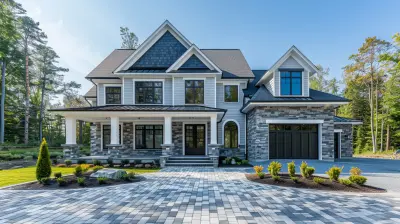
Renovating an Old House: Where to Start and What to Consider
12 February 2026
Ah, renovating an old house—equal parts dream and “what-have-I-gotten-myself-into.” If you've recently signed the dotted line on a charming fixer-upper that smells faintly of mothballs and nostalgia, congrats! You're in for quite the ride. But before you start tearing out shag carpet or power-washing lead paint (please, don’t do that), let’s get our ducks in a row.
This guide will walk you through the chaotic, dusty, wallet-threatening glory that is old house renovation. From figuring out where to even begin to making smart choices that won’t make your future self want to cry into a pile of invoices—we’ve got you.
So strap on your toolbelt, channel your inner Bob Vila (or Chip Gaines), and let’s dive in.
First Things First: Don’t Swing That Sledgehammer Yet
Take a Breath and Assess the Situation
Yes, that wallpaper depicting colonial soldiers is hideous. But before you rip everything apart like a home improvement tornado, take a step back. Start with a thorough assessment.Ask yourself:
- What’s the current condition of the house?
- Are there any safety concerns (looking at you, brittle wiring from 1932)?
- What absolutely MUST be fixed before anything else?
Bring in the professionals—home inspectors, electricians, plumbers, and maybe even someone who can sense ghosts (just kidding… unless?). They’ll help you figure out what you're up against.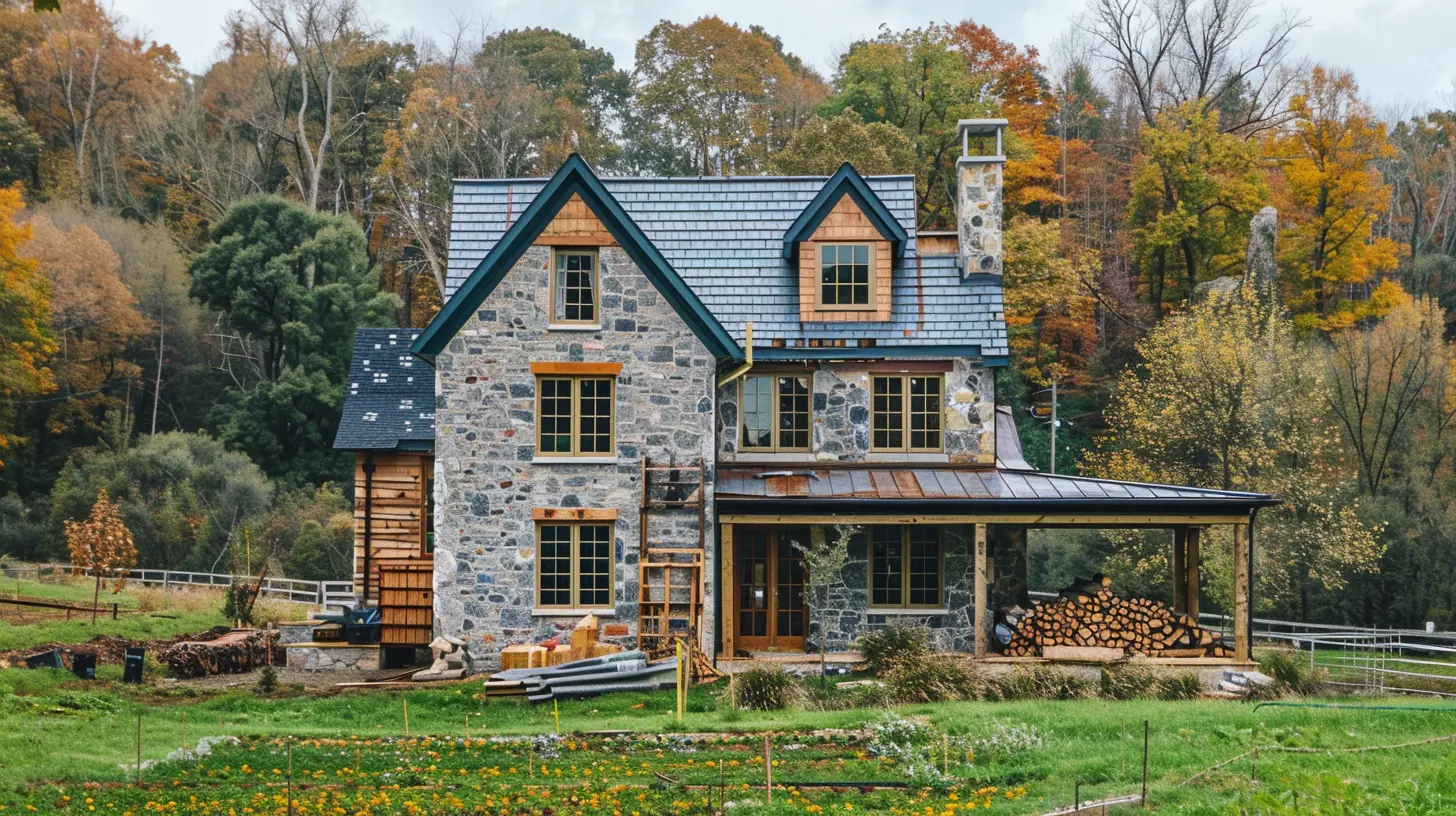
Step One: Make Friends With Your Budget
Money Talks. A Lot.
Renovating an old house is like playing poker with your bank account—it can be fun, thrilling, and you might even win big on resale, but it’s not without risk. Get cozy with your budget early.Be realistic. Plan for:
- Major systems updates (electrical, plumbing, HVAC)
- Structural repairs
- Cosmetic updates (this is the fun stuff, but it doesn’t come first!)
- The “Oh no!” fund (because surprises will happen—probably behind that weird bulge in the wall)
A good rule of thumb? Add 20% to your original estimate. Old houses have secrets—usually expensive ones.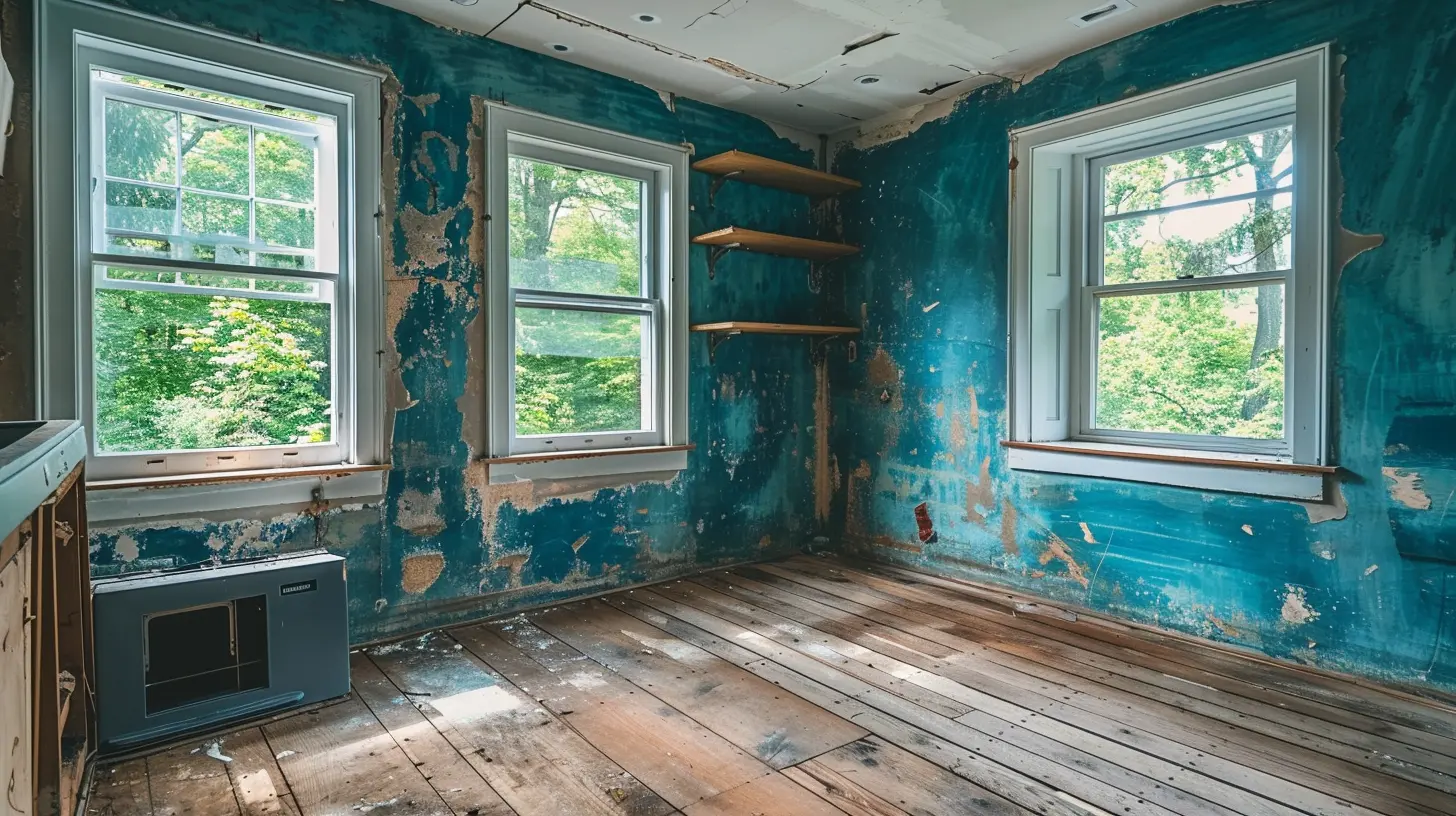
Step Two: Prioritize Safety and Structural Issues
If the Roof’s in the Living Room, You’ve Got a Problem
Before you get carried away installing shiplap and vintage light fixtures, make sure your house won’t collapse on you. Not to be dramatic, but seriously… safety first.Look out for:
- Foundation cracks
- Leaky roofs
- Rotten wood
- Termite damage
- Outdated or DIY electrical work (cue the flickering lights)
You wouldn’t put whipped cream on a pancake stack that's on fire, right? Same idea here. Fix the serious stuff before making it pretty.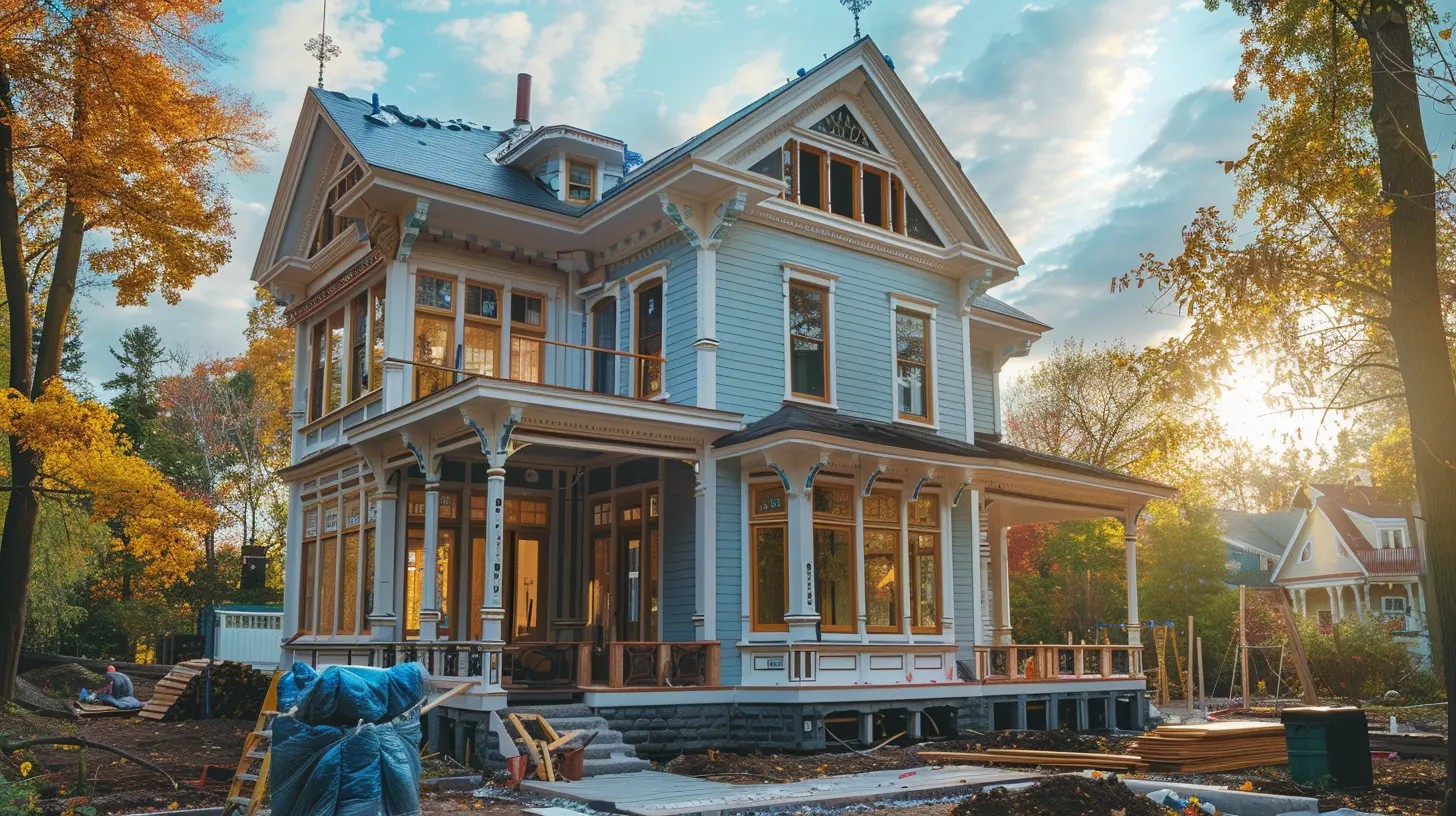
Step Three: Check for Historical Restrictions
Just Because You Own It, Doesn’t Mean You Can Touch It
Some old homes come with historical designations. Which is super cool… until you realize that replacing those drafty windows is going to take 14 permits, an appeal to the historic council, and a small blood sacrifice.If your home is in a historic district:
- Research local regulations
- Understand what changes are allowed
- Work with approved contractors who’ve danced this dance before
Trust me, the historic committee does not play around—especially when it comes to vinyl siding.
Step Four: Systems Check – The Unsexy MVPs
The Stuff No One Sees… Until It Breaks
Updating your electrical, plumbing, and HVAC systems might not be as Instagram-worthy as restoring that clawfoot tub, but they’re the real MVPs of any renovation.Electrical
If your fuse box looks like a spaghetti monster had an anxiety attack, it’s time for an upgrade. Old electrical systems aren’t just inconvenient—they can be dangerous.Plumbing
Do your pipes groan like they’ve seen things? Copper or PEX replacements might be in your future. And if you're dealing with galvanized pipes... oof. Just start over.HVAC
Many old homes were built when central air was science fiction. Modernizing your heating and cooling will not only make the house livable but also boost resale down the road.Step Five: Layout Love – Keeping It Classic but Livable
Open Concept vs. Historic Character: The Eternal Struggle
You might dream of knocking down every wall to create an open concept kitchen-dining-living-palooza. But with historic homes, you gotta tread lightly.Preserve the charm while updating for modern living:
- Keep original woodwork, trim, and built-ins if possible
- Mix period-appropriate design with functional updates
- Don’t rip out every wall—sometimes the quirks are the best part!
That slightly crooked hallway? It’s not a flaw—it’s a feature. (Or a ghost. Either way, character!)
Step Six: Insulation Nation
Old Houses = Drafty Houses
Back in the day, insulation was more of a suggestion than a requirement. If you’d rather not have your heating bill rival your mortgage, beef up your insulation game.Options include:
- Blown-in insulation for walls and attics
- Spray foam (great for hard-to-reach spots)
- Insulated windows (if you’re allowed to replace them)
Bonus Tip: Draft stoppers under doors are a cheap fix with a big impact. And they look adorable. Win-win.
Step Seven: Cosmetic Updates – Finally, the Fun Part!
Now You Can Paint That Ceiling Pink (If You Want)
Once the heavy lifting is done, it’s time to let your creativity loose. Paint, flooring, lighting, and finishes—this is where your house starts to feel like home.Ideas to keep in mind:
- Play up the vintage character with statement pieces
- Mix old and new for a cozy, lived-in vibe
- Respect the home’s architectural style (sorry, mid-century modern fans—maybe save the spaceship couch for the basement)
And remember: Just because it’s an old house doesn’t mean it has to look like your great-aunt’s parlor. You can keep the soul and still modernize the outfit.
Step Eight: Bring in the Pros (or Become One on YouTube)
DIY is Great… Until It Isn’t
We all love a good weekend project. But know your limits. There’s a big difference between repainting cabinets and rewiring a 100-year-old electrical panel by flashlight at 2 AM.Hire professionals for:
- Electrical
- Plumbing
- Structural alterations
- Anything that might void your insurance or require permits
Pro Tip: Interview multiple contractors. Ask for references. Don’t just go with “my cousin’s friend who does rehabs on the side.” That’s how horror stories start.
Step Nine: Embrace the Chaos (With Snacks)
Renovation is a Journey—One With Dusty Detours
There will be delays. There will be days where nothing happens and others where everything breaks at once. There might be tears. Possibly yours. Possibly your contractor's.Keep your sanity by:
- Setting realistic timelines
- Expecting hiccups
- Taking breaks (mental health matters, folks)
- Celebrating small wins (that working bathroom? Throw a party)
And stockpile snacks. Hangry decision-making is dangerous.
Step Ten: Resale or Forever Home? Have an Exit Strategy
Flip It or Keep It?
You might have bought this old beauty with dreams of flipping it for a fat profit—or maybe it's your forever haven. Either way, be smart with your renovation choices.For resale:
- Prioritize updates buyers care about (bathrooms, kitchens, systems)
- Avoid overly personal decor
- Keep an eye on neighborhood comps
For living:
- Make choices that make your life easier and happier
- Personalize fearlessly (hello, rainbow tile!)
Just remember—whether you stay for years or sell next season, it should be a place you love at the end of the day.
Final Thoughts: It’s All Worth It (Eventually)
Renovating an old house is not for the faint-hearted or thin-walleted. It’s messy, slow, and occasionally infuriating. But it’s also incredibly rewarding. There’s something magical about breathing new life into a home with a past—giving it a future that’s just as bright.So, if you’re knee-deep in plaster dust wondering if you’ve made a terrible mistake—take heart. You’re transforming history, one project at a time. And someday soon, you’ll look around your beautifully renovated space and whisper those three little words:
“It was worth it.
all images in this post were generated using AI tools
Category:
Home RenovationAuthor:

Camila King
Discussion
rate this article
2 comments
Tobias Thompson
Prioritize structural integrity, update systems first, and respect historical elements to enhance value sustainably.
February 16, 2026 at 3:41 AM
Camila King
Thank you for your insightful comment! Prioritizing structural integrity and updating systems while respecting historical elements is crucial for sustainable renovation.
Paris Gray
Prioritize structural integrity before aesthetic improvements in renovations.
February 15, 2026 at 3:45 AM
Camila King
Absolutely! Structural integrity is the foundation of any renovation. Ensuring the safety and stability of the home should always come first before focusing on aesthetics.