Population Growth and Its Direct Impact on Housing Prices
13 July 2026
Have you ever wondered why home prices seem to skyrocket just when more people start moving into your city or neighborhood? It’s not just your imagination playing tricks on you—there’s a direct connection between population growth and rising housing prices. Whether it's urban sprawl or booming job markets pulling in new residents, the real estate market reacts quickly and, often, a bit dramatically.
In this article, we’ll unpack how population growth affects the housing market in very real, very noticeable ways. We'll talk supply and demand, infrastructure, zoning, investor behavior, and even the emotional side of buying a home in a crowded market. You don’t need an economics degree to understand this—just a little time and curiosity.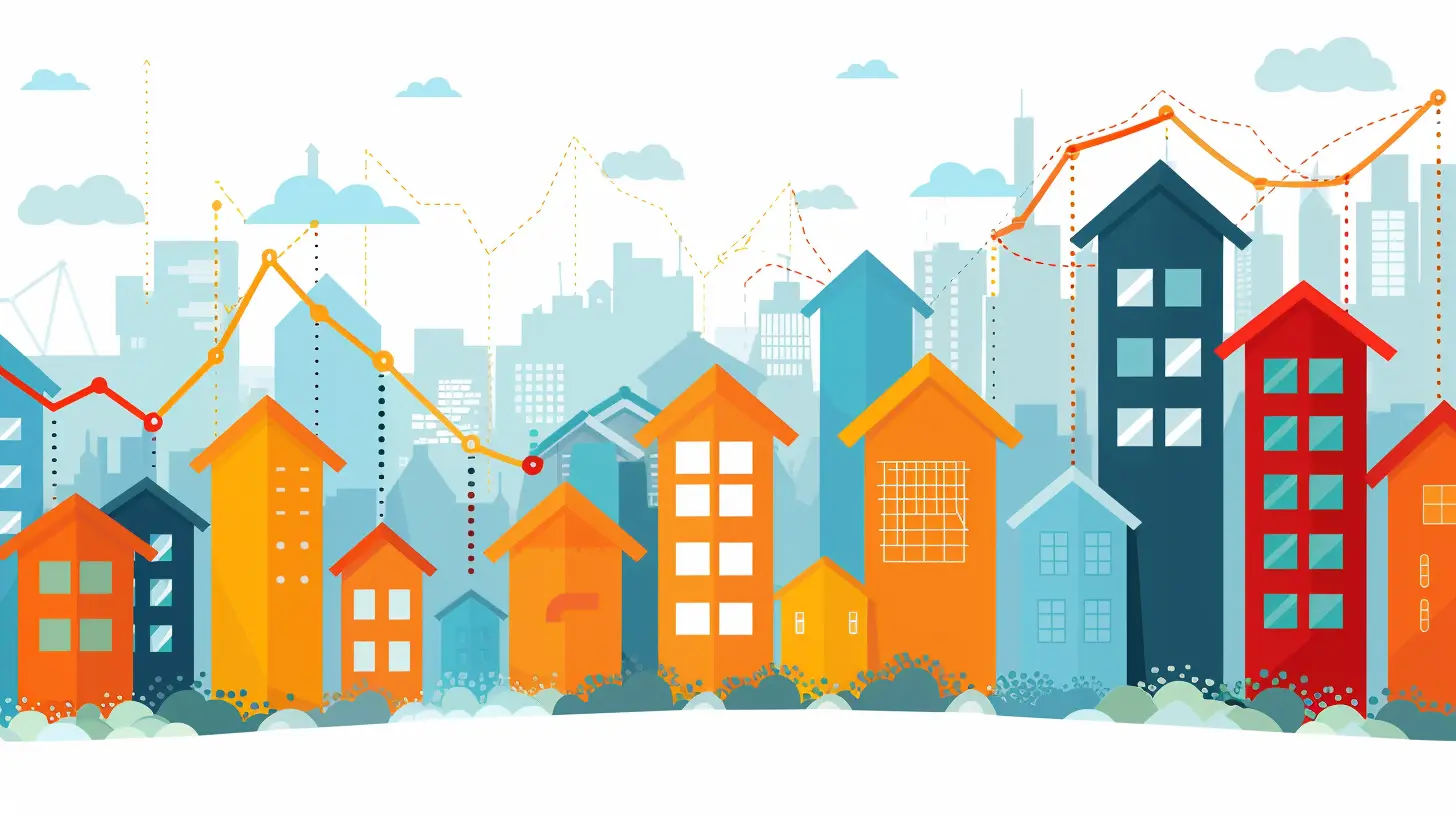
Table of Contents
1. The Basics: What Happens When a City Grows?2. Supply and Demand 101
3. The Domino Effect on Housing Prices
4. Rental Markets: Not Just Buyers Feeling the Pinch
5. Why New Construction Isn't Always the Answer
6. Zoning Laws and Urban Planning Challenges
7. Gentrification: A Growth Side Effect
8. Investor Behavior During Population Booms
9. Winners, Losers, and the Middle Ground
10. What This Means for Future Homebuyers
11. Final Thoughts

The Basics: What Happens When a City Grows?
Alright, let’s start simple.When more people move into a city, they need something essential—someplace to live. It doesn’t matter whether they're students, young professionals, growing families, or retirees. Each new resident increases demand for housing.
Think of it like a pizza party. If you order a pizza for four friends, and suddenly three more show up, there’s less pizza per person unless someone orders another pie. In real estate, that extra pizza (or housing, in this case) doesn't arrive instantly. That wait time? That’s where prices start climbing.
Supply and Demand 101
Let’s dust off our old Econ 101 notes—but don’t worry, we’ll keep it painless.When population increases faster than the housing supply, demand outpaces availability. This imbalance pushes prices higher. Sellers and landlords can afford to charge more because there are more people competing for the same spaces.
Buyers get into bidding wars, rentals see spikes, and affordable housing? That becomes a rare gem.
This is one of the most fundamental rules of economics: more demand + limited supply = higher prices.
The Domino Effect on Housing Prices
Population growth doesn’t just push prices up in the obvious ways. There’s a domino effect across the entire housing ecosystem.- Starter homes vanish fast as first-time buyers flood the market.
- Luxury developments pop up everywhere, catering to wealthier newcomers.
- Older neighborhoods get revitalized, which sounds nice until long-time residents get priced out.
It’s not just about having more people—it’s about how those people change the market dynamics entirely.
Rental Markets: Not Just Buyers Feeling the Pinch
Think this only affects homebuyers? Think again.As cities grow, so does the rental population. Some can’t afford to buy just yet, while others prefer renting for flexibility. Either way, landlords recognize a golden opportunity and raise rents accordingly.
In fast-growing cities, rents can go up so quickly that wage growth can’t keep up. For renters, this means dedicating more of their income to housing—and sometimes, relocating altogether.
It’s like musical chairs. There are more players than seats, and the "rent" music picks up speed.
Why New Construction Isn't Always the Answer
Now, you might be thinking, “Why not just build more homes?”Ah, if only it were that simple.
Here’s the deal: constructing new homes takes time, money, labor, and—perhaps most importantly—land. And in popular areas, land is either too expensive or already spoken for.
Even when new developments go up, they often cater to higher-end buyers. Why? Because developers want to maximize profits. Affordable housing isn’t usually as profitable, and public funding doesn't always bridge that gap.
So yeah, new homes help, but they’re not the magic fix we sometimes hope for.
Zoning Laws and Urban Planning Challenges
Let’s talk red tape.Zoning laws and urban planning decisions play a huge role in how cities respond to population growth. These regulations determine what can be built and where. In many areas, outdated zoning laws restrict high-density housing, like apartment complexes or townhouses.
NIMBYism (Not In My Back Yard) also hits hard—residents often oppose new developments fearing increased traffic, noise, or changes in the neighborhood's character.
The result? Growth gets bottlenecked. Even when demand says "go," city regulations say "hold up."
Gentrification: A Growth Side Effect
You've probably heard the term "gentrification" thrown around, especially in hot urban markets.When new residents with more disposable income move in, they bring change—new cafes, boutiques, and renovated buildings. But they also bring higher prices. Long-time residents may find themselves unable to keep up with rising costs and are eventually displaced.
Gentrification is complex. Some see it as neighborhood rebirth; others experience it as cultural erasure.
Either way, it’s a real and direct outcome of population growth that we can't ignore.
Investor Behavior During Population Booms
Real estate investors aren’t blind to demographic shifts. When they see a city booming, they pounce—buying up properties with the hopes of flipping them or renting them out at premium prices.Their investments can amplify the housing crunch. With more homes bought up by investors (and often left vacant during flips or used solely for short-term rentals), there are fewer options for regular buyers or long-term tenants.
In essence, investment activity turns the housing market into a treasure hunt—with fewer treasures and more competition.
Winners, Losers, and the Middle Ground
So, who benefits from this population-driven housing frenzy?- Winners: Homeowners sitting on equity goldmines, developers, savvy investors.
- Losers: First-time buyers, low-income renters, local businesses that struggle as their customer base shifts.
- Middle Ground: Those who can buy or rent, but feel financially squeezed doing so.
It’s a delicate balance. Every new resident adds energy to a city—but also adds strain. Understanding who gains and who loses helps us shape better policies and communities.
What This Means for Future Homebuyers
If you’re dreaming of buying your first home, population growth can seem like a towering obstacle. But don’t lose all hope just yet.Here’s how you can stay ahead:
- Stay informed on local development plans.
- Get pre-approved and act fast in competitive markets.
- Consider up-and-coming neighborhoods rather than established hotspots.
- Be open to longer commutes in exchange for affordability.
- Think long-term—a higher price now might still be a solid investment if the area keeps growing.
The key is adaptability. The housing market is like the ocean, and population growth is one of its biggest tides. Learn how to surf it, not get swept away.
Final Thoughts
Population growth is inevitable. People will always move to where opportunities, lifestyle, and culture thrive. And as more move in, housing becomes a high-stakes game of supply, demand, and smart timing.But knowledge is power. Understanding how growth shapes housing markets gives you an edge—whether you're buying, renting, investing, or just trying to plan your future.
So, next time you see another moving truck in your neighborhood or hear about another big employer setting up shop nearby, you’ll know exactly what’s coming next—pressure on the housing market and, quite possibly, rising prices.
Stay smart, stay informed, and you’ll always have a roof over your head—even if it costs a little more than it used to.
all images in this post were generated using AI tools
Category:
Market AnalysisAuthor:

Camila King