Planning for Retirement by Investing in a Second Home
7 April 2026
For most of us, planning for retirement brings a mix of excitement and maybe a little anxiety. After all, retiring is a huge life milestone. It’s your golden opportunity to slow down, chase your dreams, or finally relax a little after decades of hard work. But, let’s face it—retirement also comes with its fair share of questions: “Will I have enough money?” “What about rising costs?” “How do I maintain financial freedom?”
One option that’s been gaining attention is investing in a second home as part of your retirement strategy. It’s not just about owning more property; it’s about creating a safety net, building wealth, and even crafting the ideal lifestyle for your later years. Sounds pretty appealing, doesn’t it? Let’s dive into why a second home might just be the retirement investment you didn’t realize you needed.
Why a Second Home for Retirement?
You might be thinking, “Why would I need a second home when I’m already planning to slow down?” Well, a second home isn’t just another house—it’s an investment that can provide income, security, and a lifestyle upgrade all in one. Think of it as planting a tree today that will offer shade, fruit, and beauty for years to come.Here are a few things you should consider:
1. Potential Passive Income
A second home can become a golden goose for your retirement income. Renting it out, especially if it’s in a desirable location, can provide a steady stream of passive income. Platforms like Airbnb and Vrbo have made short-term renting easier than ever, and long-term rental agreements offer consistent, predictable cash flow. This can cover expenses or even fund your travel dreams once you retire.
2. A Retirement Destination
Some people buy a second home in a location they hope to retire to someday. It’s like hitting two birds with one stone: you enjoy the property now and use it to generate income until you’re ready to move in. Plus, it gives you time to familiarize yourself with the area and see if it’s really where you want to settle down.
3. Tax Benefits
Did you know owning a second home might come with some attractive tax advantages? Things like property tax deductions or mortgage interest deductions could apply depending on how you use the home. Of course, always consult with a tax professional, but the potential benefits are worth looking into.
4. Real Estate Appreciation
If chosen wisely, a second home is more than an expense—it’s an appreciating asset. Markets may fluctuate, but over the long term, real estate tends to gain value. A second home could very well be an essential part of your legacy, leaving something valuable for your children or loved ones.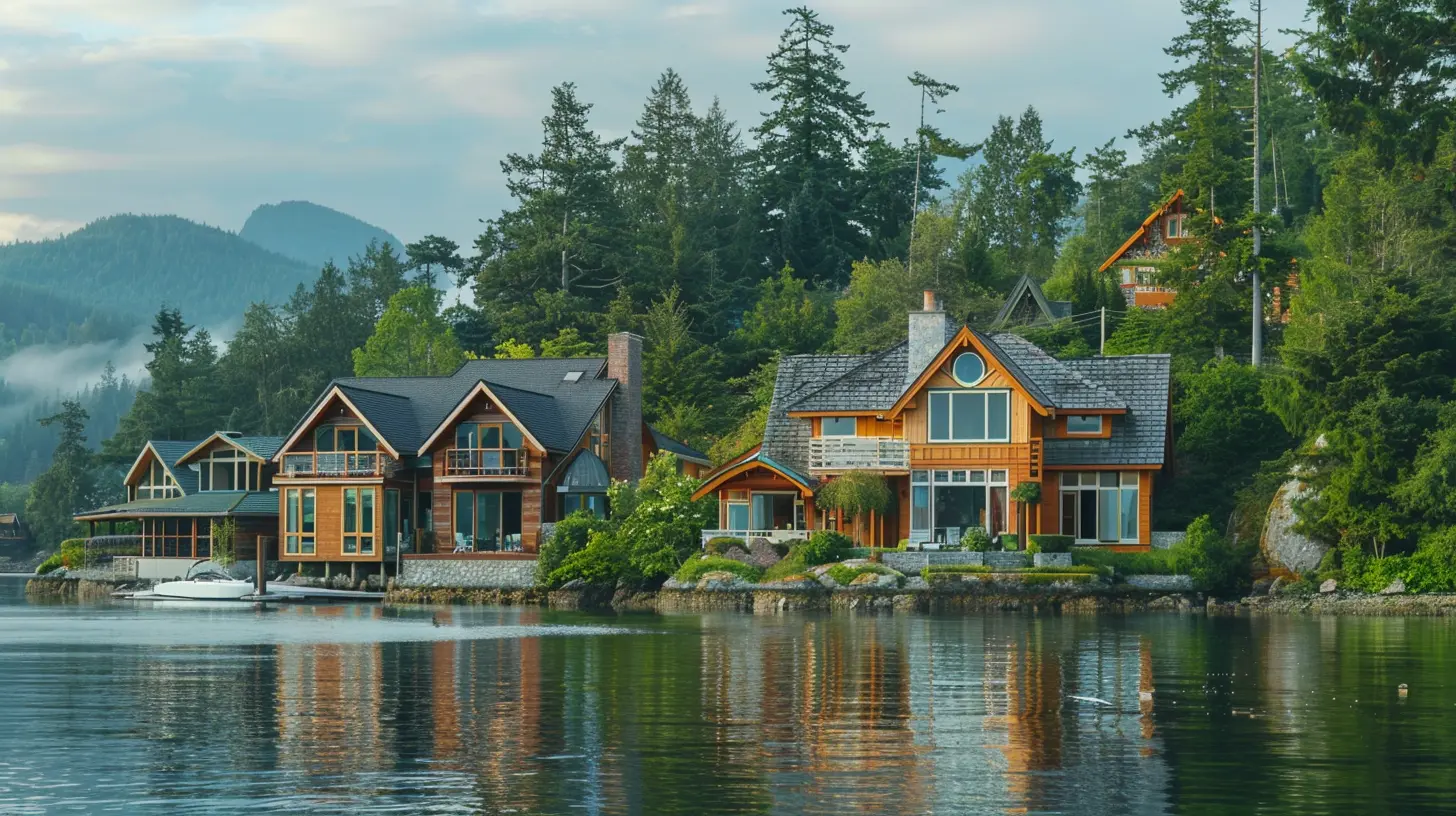
How Do You Choose the Right Second Home?
Buying a second home isn’t a one-size-fits-all decision. The process can feel overwhelming, but it’s a lot easier when you break it down into manageable steps. Here’s what you need to think about:1. Location, Location, Location
This might sound like a cliché, but it’s true—location is everything. Are you dreaming of a beach retreat, a mountain cabin, or a small-town charmer? Depending on your goals (rental vs. personal use), you’ll want to focus on areas with high rental demand or those that fit your lifestyle vision for retirement. Proximity to amenities like healthcare, shopping, and recreation should also factor into your decision.2. Affordability
While dreaming big is great, it’s crucial to stay realistic about your budget. A second home comes with its own set of costs: mortgage payments, property taxes, maintenance, insurance, and potential HOA fees. Set a clear budget and stick to it. You don’t want your retirement dreams to turn into a financial nightmare.3. Rental Potential
If you’re planning to rent the property before you retire, make sure to research its rental potential. Look into occupancy rates, rental income data, and local rental regulations. Some communities might have restrictions on short-term rentals, so don’t forget to check the fine print.4. Maintenance Requirements
Owning a second home isn’t just about buying it—it’s about maintaining it. If you’re not living nearby, who’s going to mow the lawn, clean the gutters, or handle repairs? Hiring a property manager could be worth it, but that’s another expense to budget for.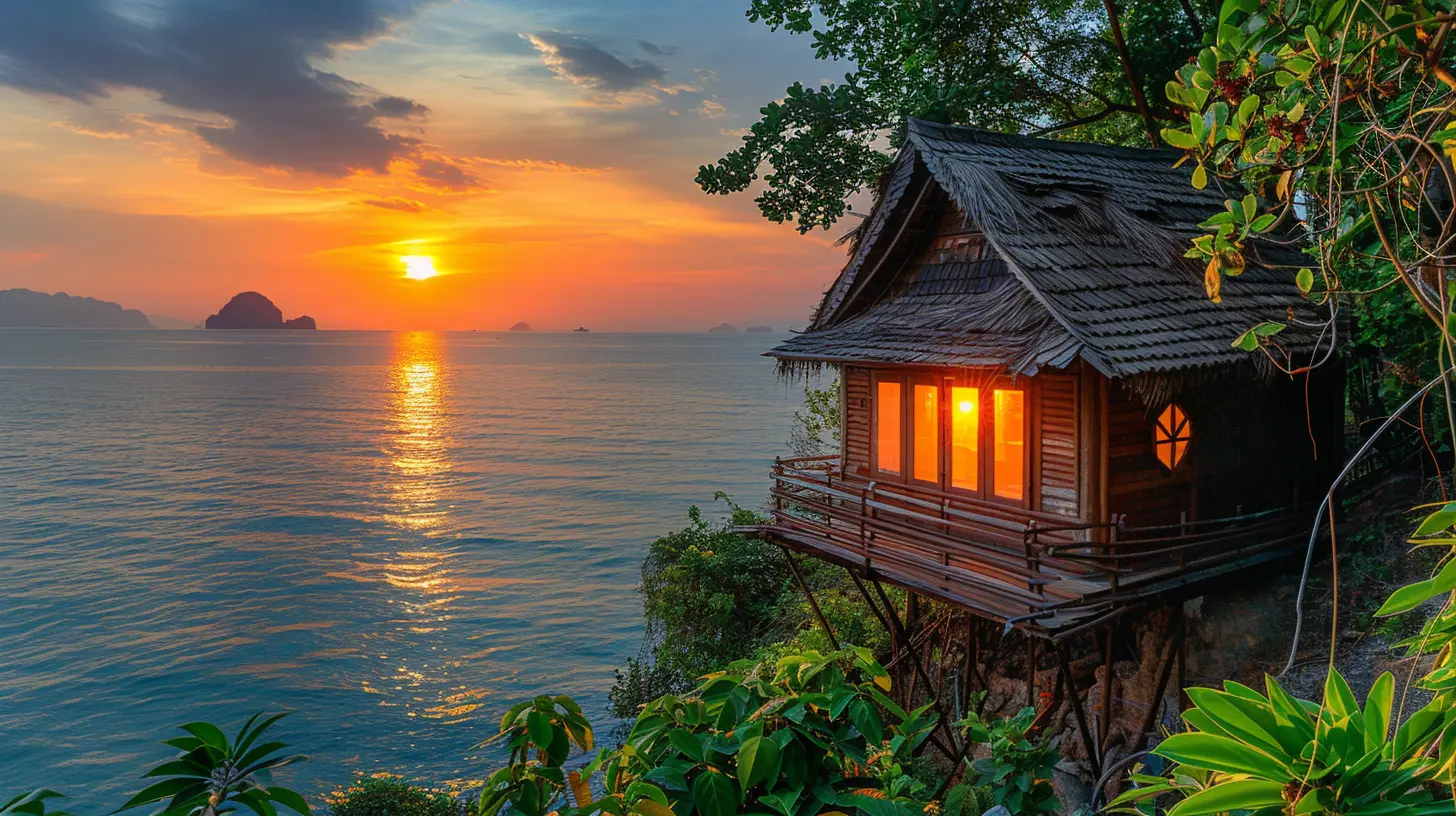
Financing Your Second Home
Buying a second home isn’t quite the same as buying your first. Lenders may have stricter requirements for a second-home mortgage, often expecting larger down payments and higher credit scores. So, how do you make it work?- Save for a Larger Down Payment: A down payment of 20–30% is pretty standard for a second-home purchase. While it sounds steep, it helps you avoid private mortgage insurance (PMI) and keeps your monthly payments manageable.
- Consider a Home Equity Loan: If you’re already a homeowner with significant equity, you could tap into that through a home equity loan or line of credit to finance your second home.
- Do the Math: Before signing on the dotted line, crunch the numbers to make sure the investment fits into your overall retirement plan. You’ll want to ensure you’re still saving for other retirement needs like health care and daily living expenses.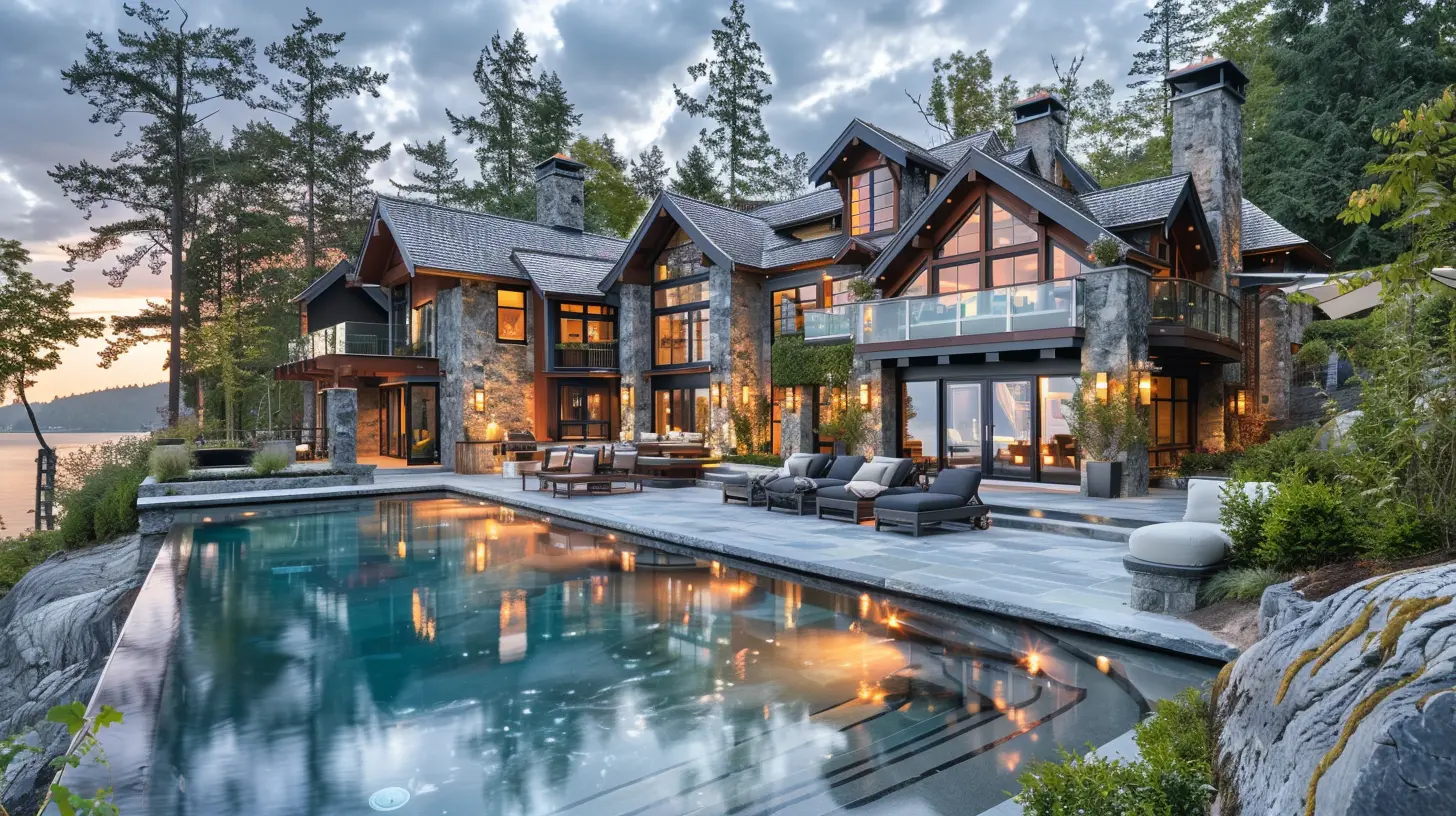
The Emotional and Lifestyle Perks of a Second Home
Let’s take a moment to move beyond the practical and financial side of things. A second home can also add an incredible emotional and lifestyle value to your retirement. It’s not just about dollars and cents; it’s about creating your dream life. Think about it:- Family Retreat: A second home could become the go-to gathering spot for your family. Imagine hosting holidays, summer vacations, or weekend getaways where you can create memories with your kids and grandkids.
- Sense of Accomplishment: There’s a special kind of pride that comes with owning property, especially if it’s in a place you genuinely love. It’s proof of your hard work paying off.
- A New Community: Moving to a second home in a new area could open up the chance to meet new people and become part of another community. Whether it’s a beach town or a mountain village, every location has its unique vibe.
Common Concerns About Buying a Second Home
Of course, let’s not sugarcoat things—investing in a second home isn’t all sunshine and rainbows. You might have concerns, and that’s totally valid. Here are a few common worries (and some solutions to ease your mind):1. What If There’s a Market Downturn?
Real estate can go through ups and downs, but it’s generally a long-term investment. If you’re planning to hold onto the home for 10+ years, chances are you’ll weather any short-term market fluctuations.2. What About Unexpected Costs?
Even the best budgets can be thrown off by unexpected expenses like repairs or vacancies. Building an emergency fund for your second home can help you stay financially secure.3. Will I Use It Enough?
Some people worry they won’t spend enough time at their second home to make it worthwhile. If that’s you, leveraging it as a rental property until retirement can make it a win-win situation.Is a Second Home Right for You?
At the end of the day, investing in a second home isn’t just about the numbers—it’s about aligning your investment with your future goals and dreams. If it fits into your retirement vision and financial plan, a second home can be a game-changer. It’s like giving your future self a gift: a comfortable retreat, a steady income, and the security of a growing asset.But remember, this decision isn’t one to rush. Take your time, do your homework, and consult with professionals who can guide you—like financial planners, real estate agents, or tax experts. Retirement is your time to shine, and the right investments today could pave the way for a truly golden tomorrow.
all images in this post were generated using AI tools
Category:
Second HomesAuthor:

Camila King
Discussion
rate this article
2 comments
Maddison Pruitt
Investing in a second home isn’t just a luxury—it's a strategic retirement move. Secure your future with tangible assets that appreciate and provide a sanctuary. Don't wait, act now!
April 13, 2026 at 12:36 PM
Yasmine Simon
In golden years, a retreat awaits, Where dreams and dawns serenely intertwine. A second home, a haven crafted, To cherish memories and the warmth of time, Investing in joy, as life’s sweet rhythm chimes.
April 9, 2026 at 10:45 AM
Camila King
Thank you for your beautiful reflection. A second home can truly be a sanctuary for those golden years, where every moment becomes a cherished memory.