How Virtual Tours Are Revolutionizing Home Buying in 2027
17 April 2026
Remember the days of house hunting? The frantic scheduling, the wasted weekends, the sinking feeling as you walked into a property that looked nothing like its photos? Let’s be honest, it was a grind. A necessary, often emotional, and exhausting grind. But what if I told you that by 2027, the very soul of that experience has been transformed? Not just tweaked, not just digitized, but fundamentally revolutionized. We’re standing at the precipice of a new era, where the key to your dream home isn’t in your pocket—it’s in your perception. Welcome to the age where virtual tours aren’t just a nice-to-have feature; they are the central, beating heart of the home-buying journey.
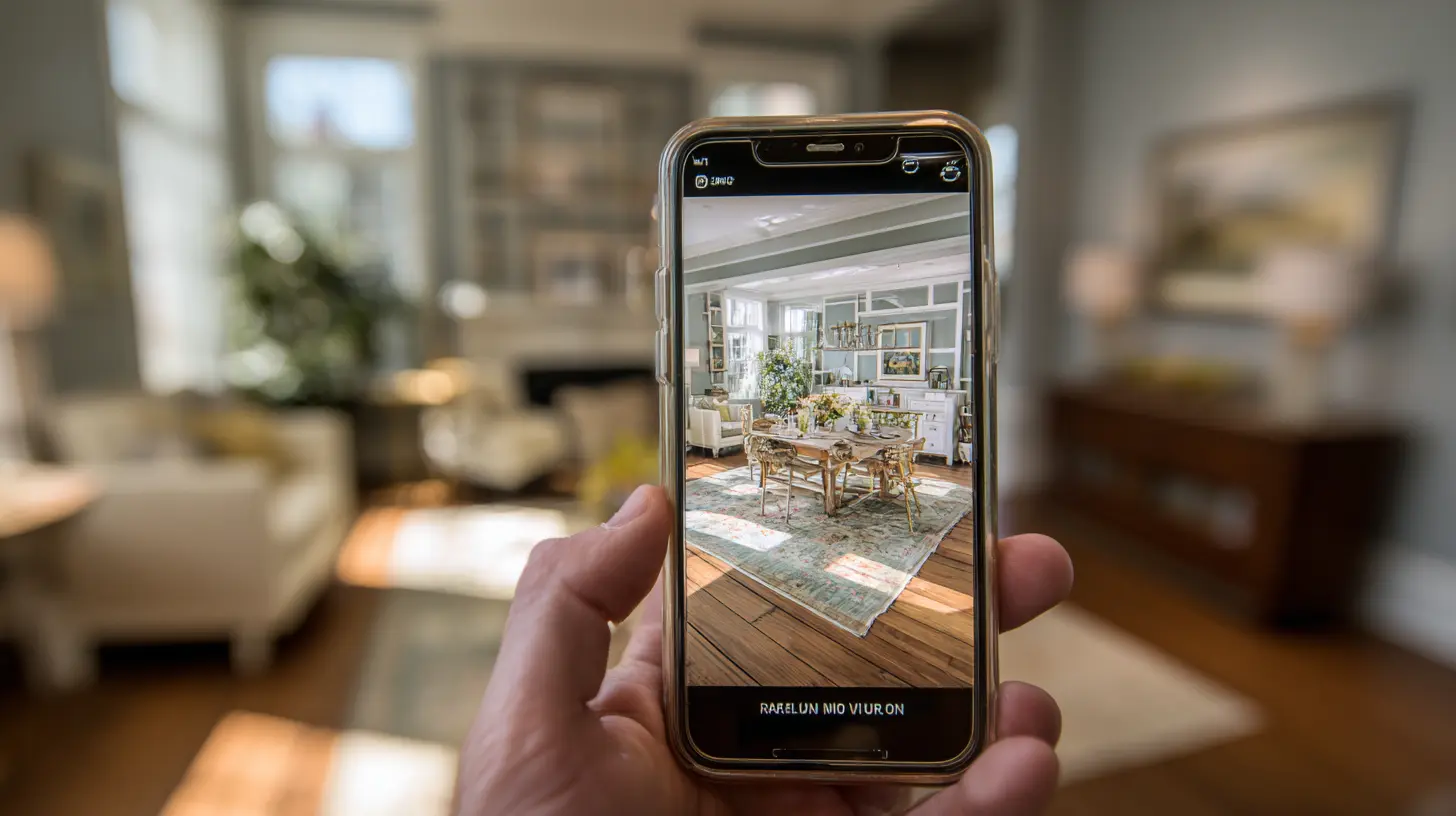
Beyond the 360-Degree Photo: The Immersive Reality of 2027
Let’s clear something up first. When we say “virtual tour” in 2027, we’re not talking about the clunky, pieced-together 360-degree slideshows of the past. That’s like comparing a flip phone to a holographic communicator. The virtual tours defining the current market are fully immersive, data-rich, and emotionally intelligent experiences.Think of it as the difference between looking at a map of the ocean and actually scuba diving within it. Today’s buyer doesn’t just view a property; they inhabit it from the first click. Using lightweight VR headsets, sophisticated AR apps on their phones, or even spatial computing glasses, they can step across the threshold of a home thousands of miles away. They can feel the scale of the living room by virtually walking its length. They can open kitchen cabinets, check the view from the bedroom at different times of day (thanks to dynamic lighting engines), and even hear how the space sounds with ambient noise filtering. It’s visceral. It’s real. And it’s changing everything.
The Death of the "Wasted Tour" and the Birth of Hyper-Qualified Buyers
For buyers, the most immediate and glorious impact is the sheer efficiency. The "wasted tour" is going the way of the fax machine. Why would you spend a precious Saturday driving across town to see a house that, once you’re inside, clearly has a deal-breaking layout? In 2027, you know before you go.You’ve already:
* Measured your own sofa against the virtual living room wall.
* Tested if your king-sized bed would fit in the master bedroom.
* Seen the exact afternoon sun pattern in the backyard.
* Noted the minor crack in the basement foundation that was tagged and documented in the tour.
This means that by the time a buyer requests an in-person visit, they are hyper-qualified. They are 90% sure this is the one. The physical visit becomes a final confirmation, a sensory check for the intangible—the smell of the neighborhood, the exact feel of the floorboards, the vibe of the street. It turns the home-buying process from a numbers game (see as many as you can!) into a curated, intentional journey. The emotional rollercoaster smooths out. Decisions are more confident. And for relocation buyers? This isn’t just convenient; it’s empowering. Moving across the country feels less like a blind leap of faith and more like a planned expedition.
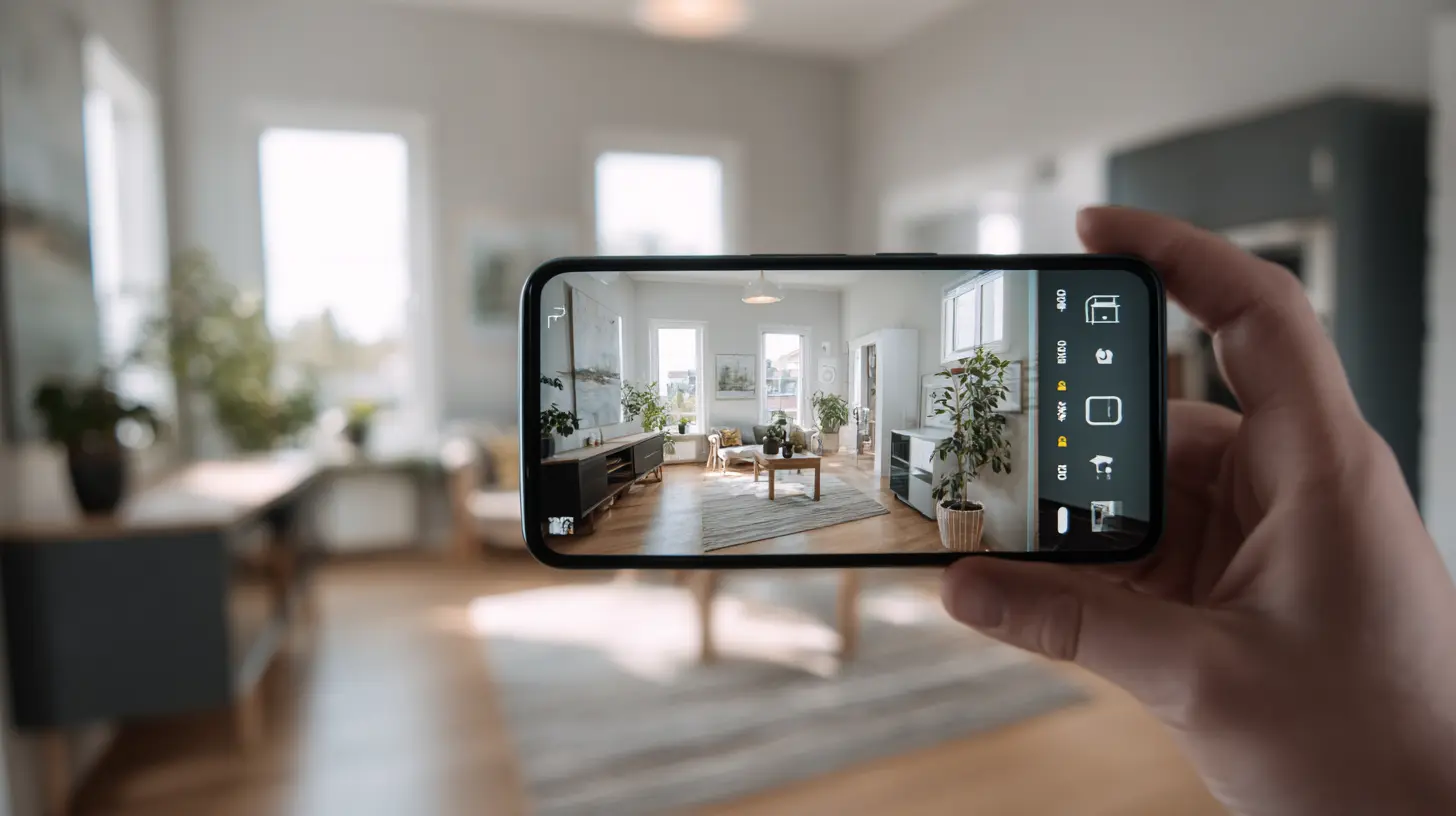
The Seller’s Advantage: A Global Open House, 24/7
Now, let’s flip the perspective. If you’re selling a home in this landscape, a high-fidelity virtual tour is no longer a marketing luxury—it’s your single most powerful sales tool. It’s the ultimate qualifier and the ultimate seducer.Your property is no longer just listed on a Multiple Listing Service (MLS); it’s hosting a perpetual, global open house. A family in London can tour your California ranch at midnight their time. A busy neurosurgeon can walk through your condo between operations. This unlimited access dramatically expands your buyer pool and intensifies competition. The best homes, presented through cutting-edge virtual tours, create bidding wars that start in the digital realm.
Furthermore, these tours provide unassailable transparency. Every flaw and every feature is documented in immersive detail, which builds immense trust with serious buyers. It minimizes those tense renegotiations after inspections because there are far fewer unpleasant surprises. You’re selling a verified, comprehensive experience, not just a set of promises and glossy angles.
The Agent’s Evolution: From Gatekeeper to Digital Concierge
This shift has profound implications for real estate professionals. The agent’s role is evolving from being the gatekeeper of keys and information to becoming a digital concierge and experience architect.The top agents in 2027 aren’t just good at negotiations; they’re proficient in the tech stack that brings a home to life. They work with specialists to capture properties using LiDAR scanners and matterport cameras that create millimeter-accurate digital twins. They guide sellers on how to stage a home not just for photos, but for a volumetric, explorable scan. They interpret the rich data these tours provide—showing sellers exactly where potential buyers lingered longest, which features they interacted with, what questions the tour prompted.
For buyers, the agent becomes a guide through this immersive landscape. They can meet clients inside the virtual tour, pointing out features, discussing potential renovations in real-time using AR overlays, and providing context that the tech alone cannot. Their value migrates from access to interpretation and strategy, deepening the advisory relationship.
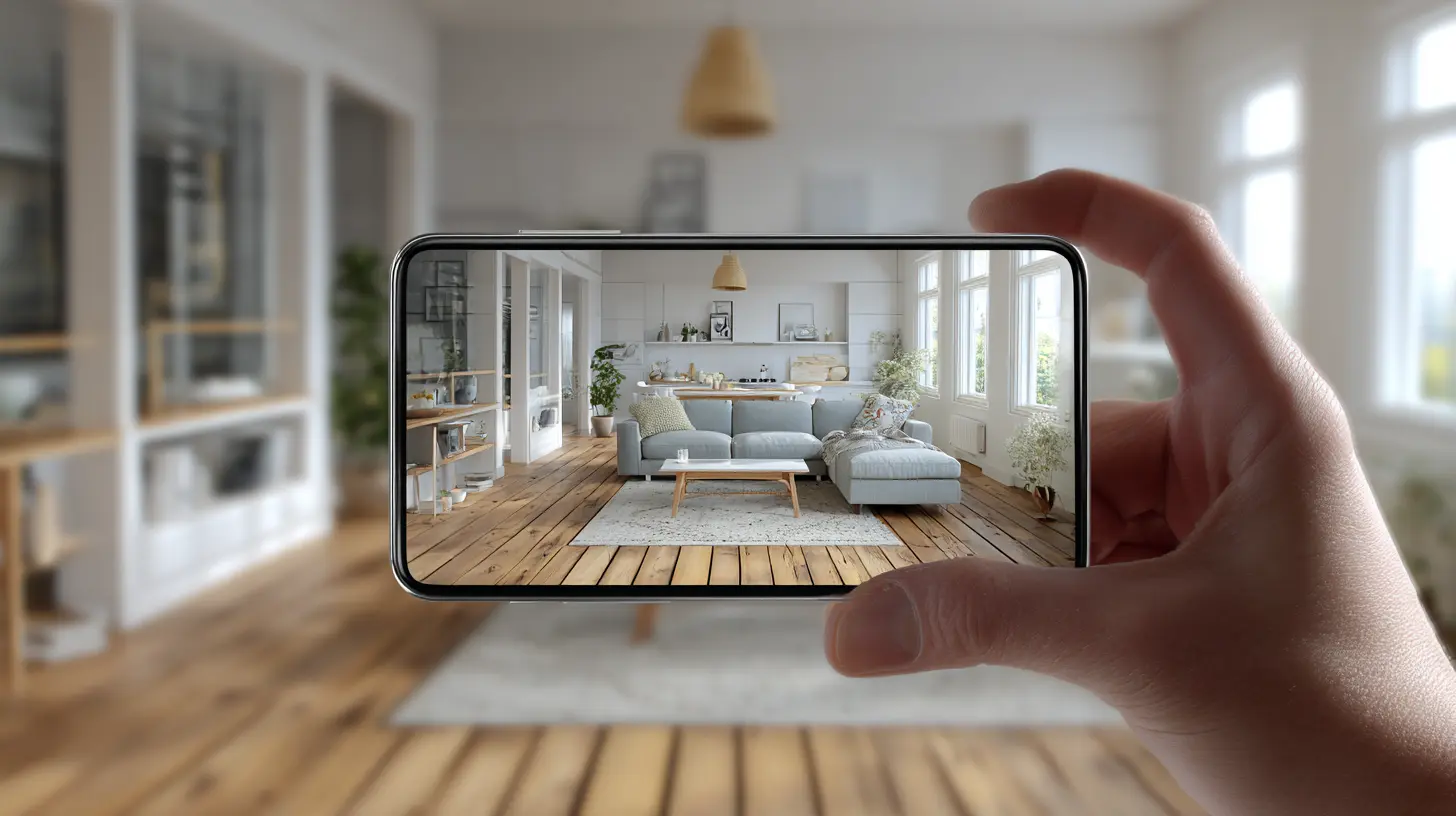
The Tech Under the Hood: What Powers This Revolution?
So, what magic makes this possible? It’s a convergence of technologies that have finally matured and become accessible.1. Photorealistic Real-Time Rendering: Powered by gaming engine tech (like Unreal Engine 5), virtual spaces are indistinguishable from reality. Light bounces accurately, materials have true texture, and reflections are perfect.
2. Digital Twins & The Metaverse Layer: Each property can have a true "digital twin"—a perfect virtual replica that exists persistently. This allows for incredible utility: testing furniture placement with AR, simulating renovations, or even connecting to smart home data streams to see real-time energy usage during your tour.
3. Haptic Feedback & Multi-Sensory Integration: While still emerging, lightweight haptic gloves or suits can provide rudimentary touch feedback—the resistance of a drawer pull, the texture of a stone countertop. Combined with spatial audio, the illusion of presence becomes staggering.
4. AI-Powered Personalization: The tour itself can adapt. An AI might notice you lingering in home offices and automatically highlight the property’s fiber internet specs and quiet sightlines. For a family, it might emphasize the park-like backyard and school district overlay.
Navigating the New Challenges: The Human Touch in a Digital World
Of course, with every revolution comes a set of new challenges. Can a virtual tour truly capture the feeling of a home? What about the unquantifiable sense of community, the rustle of the specific trees on the street, the neighbor’s friendly wave?This is the critical nuance of 2027. The virtual tour hasn’t replaced the in-person experience; it has redefined its purpose. The physical visit becomes a sacred, focused event to absorb the intangible elements the digital world cannot yet replicate. It’s about the vibe, the smells, the sounds, the gut feeling. The tech handles the logistics, the facts, and the footprint. The human heart handles the home.
There’s also the vital issue of the digital divide and ensuring this powerful tool doesn’t create an unfair advantage. The industry is grappling with making these experiences accessible through libraries, community centers, and agent offices, ensuring the revolution lifts all boats.
The Future Is Here: Are You Ready to Step Inside?
The revolution isn’t coming; it’s already underway. The home-buying process of 2027 is smarter, faster, more transparent, and astonishingly more convenient. It empowers buyers with unprecedented knowledge and control. It provides sellers with a global, captivating storefront. It challenges agents to level up and provide deeper, tech-enabled value.This is more than just a new way to look at houses. It’s a new way to connect with our future spaces. It turns the daunting process of the largest purchase of our lives into an adventure of discovery that starts with a click. The four walls of a home are no longer a mystery to be solved through grainy photos and frantic open houses. They are an open book, waiting for you to step in and write your story.
So, the next time you dream of a new place, ask yourself: are you ready to take the tour? Not the old kind. The kind where you don’t just see the future of real estate—you walk around in it.
all images in this post were generated using AI tools
Category:
Virtual ToursAuthor:

Camila King
Discussion
rate this article
2 comments
Payton Perry
What an intriguing glimpse into the future of home buying! I’m curious about how virtual tours will evolve further—will they incorporate AI to personalize experiences or include augmented reality features? The potential for immersive viewing seems limitless!
April 19, 2026 at 12:16 PM
Camila King
Thanks for your thoughts! The future of virtual tours looks promising, and integrating AI and augmented reality could definitely take personalization and immersion to the next level. Exciting times ahead!
Mason Kirkland
Oh great, now I can tour homes while still in my pajamas. Virtual reality truly is the future!
April 17, 2026 at 4:04 AM
Camila King
Absolutely! Virtual reality is making home buying more convenient and accessible than ever. Enjoy the comfort of home while exploring your options!