How to Make the Transition from Second Home to Full-Time Residence
9 July 2026
So, you’ve been using your second home as a weekend getaway, maybe a summer retreat, or even a winter haven to avoid those frigid northern months. But now, the time has come—you’re making the big move. Transitioning from a second home to your full-time residence is exciting, nerve-wracking, and let’s be honest, a little chaotic. But don’t worry, I’ve got your back!
This isn’t just about hauling furniture and forwarding your mail. It’s about truly settling in, making connections, and turning that vacation spot into your forever home. Let’s dive into how you can make the transition as smooth (and stress-free) as possible. 
1. Make Sure It’s the Right Move for You
Before you start packing up your life, take a moment to ask yourself:- Is this the best place for me long-term?
- Will I still love living here all year round, even without the vacation goggles on?
- Can I handle the winters (or summers) here?
Your second home might feel like paradise in small doses, but living there full-time is a whole different story. What seemed charming—like the grocery store closing at 6 PM or the nearest hospital being an hour away—might not be so fun when it’s your everyday reality.
If you haven’t already, spend an extended period of time living in your second home before making it official. Visit during different seasons to get a real feel for the place. You don’t want any unwanted surprises! 
2. Sort Out Your Work (Or Retirement Plans)
Are you still working? If so, can you work remotely, or is there a job market in your new area? Some vacation destinations don’t exactly have booming career opportunities unless you’re planning on becoming a surf instructor or a ski resort concierge (which, honestly, sounds kind of fun).If you’re retiring, have you considered how you’ll fill your time? It might sound dreamy to relax all day, but trust me, you can only binge-watch so many Netflix shows before going stir-crazy. Look into local clubs, volunteer opportunities, or hobbies to keep yourself engaged. 
3. Downsize or Upgrade?
One of the biggest adjustments is figuring out if your second home is actually equipped for full-time living.- Size Matters: That cute little cabin might have worked for weekend getaways, but does it have enough space for everyday life (and all your stuff)?
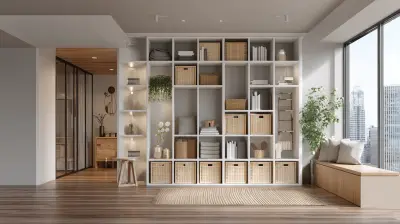
- Storage Concerns: You brought a duffel bag for weekend trips, but now you need space for your full wardrobe, kitchen gadgets, and the three vacuum cleaners you somehow own.
- Appliances & Infrastructure: A tiny fridge might be fine for a short stay, but for daily life? Not so much. Also, make sure heating, cooling, and plumbing can handle year-round use.
If necessary, consider renovations or even upgrading to a more practical home nearby. 
4. Address Legal & Financial Considerations
Ah, the less exciting but totally necessary part of moving full-time.- Tax Implications: Will changing your primary residence affect your property taxes? Different states have different rules, and some areas offer attractive tax benefits for full-time residents.
- Residency Requirements: Some states require you to live in a home for a certain period before it officially becomes your primary residence (which could also impact things like healthcare and voting).
- Home Insurance: Vacation home insurance is NOT the same as primary residence insurance. Call your provider, update your coverage, and ensure you’re fully protected.
5. Become a (Real) Part of the Community
Remember how you’d wave at the neighbor once or twice a year when visiting? Yeah, you’ll probably need to step it up a bit now.- Introduce Yourself: Attend neighborhood events, join local Facebook groups, or just strike up conversations at the coffee shop.
- Support Local Businesses: Frequent nearby restaurants, farmers' markets, and small shops. Shopping local is a great way to integrate yourself into the community.
- Get Involved: Volunteer, join a club, or participate in local government meetings. People love seeing new residents who genuinely care about their town.
Basically, don’t be that person who moves in and keeps to themselves for years. Build connections—it makes a huge difference!
6. Adjust Your Mindset (This Isn’t a Vacation Anymore)
Here’s the kicker—what once felt like an escape is now your everyday life. No more “just here for the weekend” mentality.That means:
- Actually keeping up with home maintenance. No more ignoring the leaky faucet because “you won’t be back for a few weeks.”
- Developing a routine. You can’t just sit on the beach with a margarita every day (I mean, you could, but there’s probably laundry piling up).
- Learning the “real” town dynamics. During tourist season, everything might be buzzing, but what happens the rest of the year? Find out!
It’s time to settle in like a true local.
7. Handle Logistics Like a Pro
Moving full-time isn’t just about unpacking.- Update Your Address: DMV, credit cards, subscriptions—make sure everything reflects your new primary residence.
- Set Up Medical Care: If you’re moving far from your current doctors, find new healthcare providers ASAP. Trust me, you don’t want to be scrambling to find a doctor when you're sick.
- Figure Out Internet & Utilities: Some rural or vacation areas don’t have great services. Research your options and get the fastest internet available (you know, for “work” and not streaming cat videos all day).
8. Be Ready for the Unexpected
Even with all this planning, expect some surprises. Whether it’s realizing your favorite summer restaurant closes in winter or discovering that wildlife finds its way into your backyard more often than you’d like, be flexible and ready to adapt.And if you ever start having second thoughts, just remind yourself why you made this move. Maybe it’s for a slower pace of life, gorgeous surroundings, or just an escape from city madness. Whatever the reason, embrace the new adventure!
Final Thoughts
Making the transition from a second home to your full-time residence isn’t just a physical move—it’s a lifestyle change. With a little planning, a lot of patience, and maybe a margarita or two, you can turn your vacation home into the perfect forever home.So go ahead—unpack those boxes, introduce yourself to the neighbors, and start living your new life full-time.
all images in this post were generated using AI tools
Category:
Second HomesAuthor:

Camila King