How to Find Pet-Friendly Student Housing Options
31 March 2026
Moving out for college is a big step, and if you have a furry (or even scaly) companion, finding pet-friendly student housing can feel like searching for a needle in a haystack. Many landlords and student housing communities have strict pet policies, making the process feel overwhelming. But don’t worry—I’ve got your back!
If you’re determined to bring your pet along on this journey, there are ways to make it happen. In this guide, we’ll walk through everything from where to start your search to how to win over skeptical landlords. 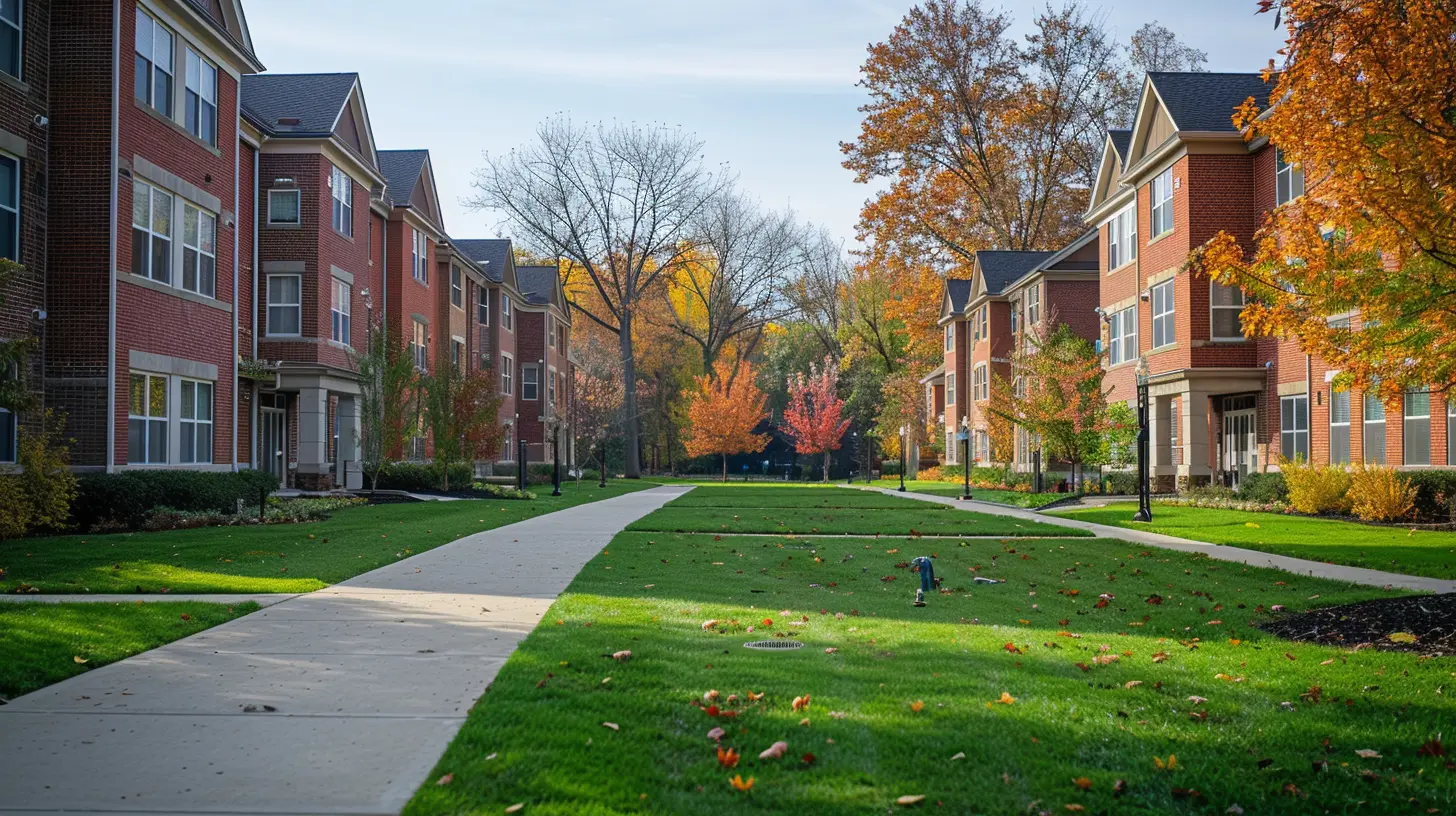
Why Finding Pet-Friendly Housing Is Challenging
Many landlords and student housing providers are hesitant to allow pets for a few key reasons:- Potential Damage – Pets, especially young ones, can cause wear and tear on carpets, furniture, and walls.
- Noise Complaints – A barking dog or a noisy bird can disturb neighbors.
- Allergy Concerns – Some property owners aim to keep housing allergen-free for future tenants.
- Insurance and Liability – Some breeds or exotic pets can raise liability concerns for landlords.
But just because it’s tricky doesn’t mean it’s impossible! With some patience, preparation, and a little creativity, you can find the perfect pet-friendly place for you and your fur baby. 
1. Start Your Search Early
Finding student housing is competitive already, and adding a pet to the mix makes it even trickier. The sooner you start, the better! A lot of pet-friendly options get snatched up quickly, so make this a priority as soon as you’re accepted into college.Start looking at least 3-6 months before move-in day. This gives you enough time to check multiple options, negotiate with landlords, and prepare your pet for moving day. 
2. Use the Right Search Tools
Not all housing listings will indicate whether they allow pets, so using the right search platforms can save you tons of time. Here are some helpful websites:- Zillow, Apartments.com, and Rent.com – Use the filters to search specifically for pet-friendly housing.
- Student Housing Websites – Some universities have student housing boards with pet-friendly listings.
- Facebook Marketplace and Craigslist – Many private landlords list rentals here, and they’re often more flexible with pets.
- Specialized Pet-Friendly Rental Sites – Websites like PetFriendlyRentals.com cater specifically to pet owners.
If a listing doesn’t mention pets, don’t immediately rule it out—it’s always worth reaching out to ask! 
3. Check Your University’s Housing Policy
If you’re considering living in college-managed dorms or apartments, check the university’s housing policy. Some schools strictly prohibit pets, while others allow them with restrictions.Certain universities have designated "pet-friendly dorms" or therapy animal housing, which can be a great option. If your pet is an emotional support animal (ESA) or service animal, you may have more legal protection when requesting accommodation.
4. Private Rentals Might Be Your Best Bet
University dorms and large apartment complexes often have strict no-pet policies. If you're struggling, try looking at private rentals or landlords who own just one or two properties.Why?
- Private landlords are often more flexible in negotiating pet agreements.- You might have a chance to meet them in person and make a case for your pet.
- Some landlords welcome pets since responsible pet owners often make good long-term tenants.
When reaching out, mention your pet upfront and emphasize responsibility (more on that later).
5. Consider Off-Campus Housing
If on-campus housing options are limited, off-campus housing can be the answer. Renting a house or apartment a little further from campus might give you more pet-friendly options.Look for:
✔ Pet-friendly apartment complexes
✔ Basement or guesthouse rentals
✔ Shared housing with pet-friendly roommates
✔ Houses with yards (if you have a dog)
Just be prepared for potential higher rents and added commuting time if you go this route.
6. Be Ready to Pay a Pet Deposit
Even if you find pet-friendly housing, be prepared for additional costs. Many rentals require:- Pet Deposit ($200-$500) – This is a one-time refundable or non-refundable deposit to cover potential damages.
- Pet Rent ($25-$50 per month) – Some landlords charge extra rent per pet.
- Pet Insurance – Less common, but some landlords require renters insurance that covers pet-related damages.
Always ask about pet fees upfront so you’re not blindsided later.
7. Create a "Pet Resume"
Yes, you read that right. A pet resume can help convince a landlord that your furry friend won’t be a problem.What to include:
✔ A cute picture of your pet (bonus points for a well-groomed, friendly pose)
✔ Basic details (name, breed, weight, age)
✔ Training certificates (proof of obedience training is a big plus)
✔ Vet records showing vaccinations and health status
✔ Letter of reference from a previous landlord (if possible)
Think of it like a job application—this helps your pet make a great first impression!
8. Offer a Pet Interview
If a landlord is hesitant, offer to introduce them to your pet. This can ease concerns, especially if they worry about aggressive behavior or destruction.Let them see that your pet is calm, well-behaved, and house-trained. If they like your pet, they’re more likely to approve your application.
9. Get Everything in Writing
Once you find a landlord willing to accept your pet, make sure it’s in the lease. A verbal agreement isn’t enough!Your lease should clearly state:
- That pets are allowed
- Any restrictions (size, breed, number of pets, etc.)
- Fees and deposits
- Any specific pet rules (e.g., keeping pets leashed in common areas)
Getting it in writing protects you if there’s ever a dispute.
10. Be a Responsible Pet Tenant
Once you secure your housing, it’s up to you to be a responsible tenant so you don’t risk eviction or future pet bans.Tips for responsible pet ownership:
✔ Keep your pet clean and well-groomed (avoid bad odors in the apartment)✔ Prevent excessive noise (training helps with barking/meowing)
✔ Clean up after your pet (indoor and outdoor)
✔ Be mindful of neighbors (not everyone loves pets)
✔ Fix any damage caused by your pet (scratches, accidents, etc.)
Your goal? Make your landlord feel like allowing pets was the best decision ever.
Final Thoughts
Finding pet-friendly student housing takes effort, but with early planning, the right approach, and a little persistence, you can find a great home for both you and your pet.Start searching early, prepare a pet resume, be upfront with landlords, and always get agreements in writing. And once you move in—be a dream tenant so landlords stay open to pets for future students, too!
Bringing your pet to college is absolutely doable—you’ve just gotta sniff out the right place.
all images in this post were generated using AI tools
Category:
Student HousingAuthor:

Camila King
Discussion
rate this article
2 comments
Elise Dillon
Finding pet-friendly student housing requires a blend of research and flexibility. Prioritize listings that explicitly welcome pets, and be prepared to ask landlords about their policies. Networking with fellow students and utilizing social media can unveil hidden gems. Remember, the right home should accommodate both your studies and your furry companion.
April 6, 2026 at 3:17 AM
Camila King
Absolutely! Prioritizing pet-friendly listings and leveraging social networks can make all the difference in finding the perfect home for both you and your pet. Happy hunting!
Blair Navarro
Finding pet-friendly digs? Remember, cats can’t sign leases, but they sure can negotiate!
March 31, 2026 at 10:47 AM
Camila King
That's a great point! Cats may not sign leases, but they sure know how to charm their way into a home. Thanks for the laugh!