How to Find a Second Home Builder You Can Trust
3 August 2026
Buying a second home is a monumental decision. Whether you're looking for a vacation getaway or an investment property, one thing is certain—you need a builder you can trust. But with countless options available, how do you separate the pros from the amateurs?
The wrong builder can turn your dream home into a nightmare, with missed deadlines, poor craftsmanship, and hidden costs. On the flip side, a trustworthy builder ensures quality, transparency, and peace of mind.
So, how do you find the right one? Let’s break it down. 
1. Know What You Want First
Before you even start looking for a builder, take the time to clarify your own needs. Are you looking for a custom-built luxury home or a cozy cabin in the mountains? Do you have a specific architectural style in mind?Having a clear vision will help you filter out builders who don’t specialize in what you need.
Ask Yourself:
- What size and style of home do I want?- Am I prioritizing quality over cost, or vice versa?
- What’s my budget, and is there room for flexibility?
Once you have a solid blueprint of your expectations, you’re ready to start your search. 
2. Research, Research, Research
Finding a trustworthy second home builder isn’t about picking the first name that pops up on Google. It requires thorough research.Where to Start:
- Online Reviews & RatingsWebsites like Google Reviews, Houzz, and Trustpilot give you unfiltered insights from past clients. Look for consistent patterns—if multiple people complain about delays, that’s a red flag.
- Ask for Recommendations
Word of mouth is powerful. Friends, family, or even real estate agents may have great referrals.
- Industry Certifications & Credentials
A reputable builder will have licensing, insurance, and certifications from organizations like the National Association of Home Builders (NAHB). These credentials signal professionalism.
- Previous Projects & Portfolio
A builder’s past work speaks volumes. Ask for a portfolio or even better—visit homes they’ve built. 
3. Verify Their Experience & Expertise
Would you trust a surgeon who’s only performed one operation? Probably not. The same logic applies to home builders. Experience matters.Things to Check:
✔ Years in Business – A builder with a long track record is less likely to make rookie mistakes.✔ Similar Projects – Have they built second homes before? Do they specialize in your preferred style?
✔ Client Testimonials – If possible, speak to past clients directly to get an honest review.
Experience isn’t just about time in the industry—it’s also about the builder’s ability to problem-solve, adapt, and deliver quality results consistently. 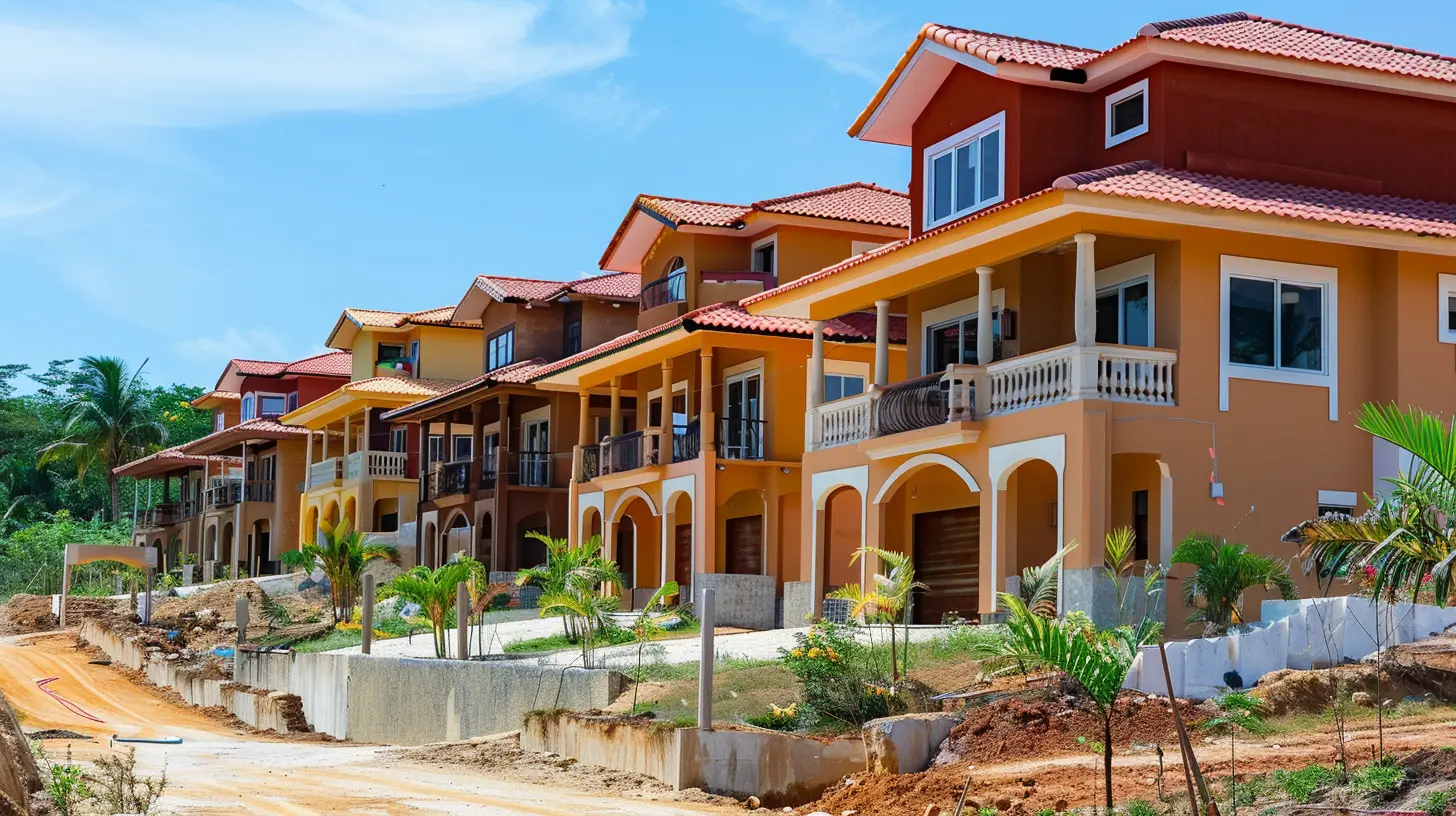
4. Transparency is Key
A trustworthy builder won't shy away from answering tough questions. Transparency in pricing, timelines, and materials is non-negotiable.Red Flags to Watch For:
? Vague Pricing Estimates – If they can't provide a detailed breakdown, they might spring hidden costs later on.? Unclear Timelines – Delays happen, but a reliable builder will give a realistic (and documented) timeframe.
? Lack of Contracts – Everything should be in writing. A handshake deal is a risky game.
Trustworthy builders are upfront about challenges and honest about what’s possible given your budget and timeline.
5. Interview Multiple Builders
Never settle for the first builder you meet. Instead, interview multiple ones to compare their approach, pricing, and professionalism.Questions to Ask:
- Can you provide references from past clients?- What’s included in the estimate, and what might cost extra?
- How do you handle unexpected challenges or delays?
- Who will be overseeing the project daily?
- What warranties do you offer?
A confident builder will have no problem answering these questions. If they hesitate or try to dodge them, consider it a warning sign.
6. Get Everything in Writing
A handshake agreement might sound nice, but it won’t protect you if things go south. That’s why a detailed contract is crucial.Your Contract Should Include:
✔ Project timeline with key milestones.✔ Detailed cost breakdown, including potential extra charges.
✔ Material specifications (so they don’t swap high-end materials for cheaper ones).
✔ Warranty terms and post-construction support.
Having everything documented ensures accountability and minimizes misunderstandings.
7. Visit Construction Sites
Want to know how a builder truly operates? Visit one of their active construction sites.Look for:
? Organization – A well-managed site is clean, safe, and efficient.? Quality of Materials – Are they using shortcuts to save money?
? Worker Professionalism – Respectful, skilled workers often reflect the builder’s standards.
If a builder refuses to let you visit a construction site, ask yourself—what are they hiding?
8. Pay Attention to Communication
You’ll be working closely with your builder for months, so clear communication is essential.Signs of Good Communication:
✅ They respond to calls and emails promptly.✅ They explain complex concepts in simple terms.
✅ They keep you updated on progress and setbacks.
Miscommunication can lead to costly mistakes, so if you're struggling to get clear answers, reconsider your choice.
9. Check Their Warranty & Aftercare Services
Even high-quality homes can develop issues after construction. That’s why a solid warranty is a must.What to Look for in a Warranty:
✔ Coverage for major structural defects (foundation, roofing, plumbing).✔ Clear terms on what’s covered and for how long.
✔ A responsive aftercare team for post-construction fixes.
A builder that stands behind their work will have no issue offering a strong warranty.
10. Trust Your Instincts
At the end of the day, trust your gut. If something feels off, it probably is.Red Flags That Should Make You Walk Away:
? High-pressure sales tactics.? Quotes that seem too good to be true.
? Vague answers or reluctance to provide documentation.
A second home is a significant investment. You deserve a builder who respects your vision, values transparency, and delivers quality workmanship.
Final Thoughts
Finding a second home builder you can trust takes time, but it’s worth the effort. Thorough research, clear communication, and careful vetting will save you from potential headaches down the road.Remember, this isn’t just about constructing a house—it’s about building a retreat, an investment, or even a future legacy. Choose wisely, and your second home will be everything you dreamed of and more.
all images in this post were generated using AI tools
Category:
Second HomesAuthor:

Camila King