How to Create a Productive Study Space in Small Living Quarters
27 February 2026
Struggling to focus while studying in a cramped living space? You’re not alone. Whether you're a college student in a tiny dorm, a remote worker stuck in a studio apartment, or simply someone working with limited space, creating a functional and productive study area is essential. The good news? You don’t need a sprawling home office to get things done.
With the right strategies, a little creativity, and a touch of organization, you can carve out an efficient study space that minimizes distractions and maximizes productivity. Let’s dive into some practical, easy-to-implement tips to transform your small space into a powerhouse of focus and efficiency. 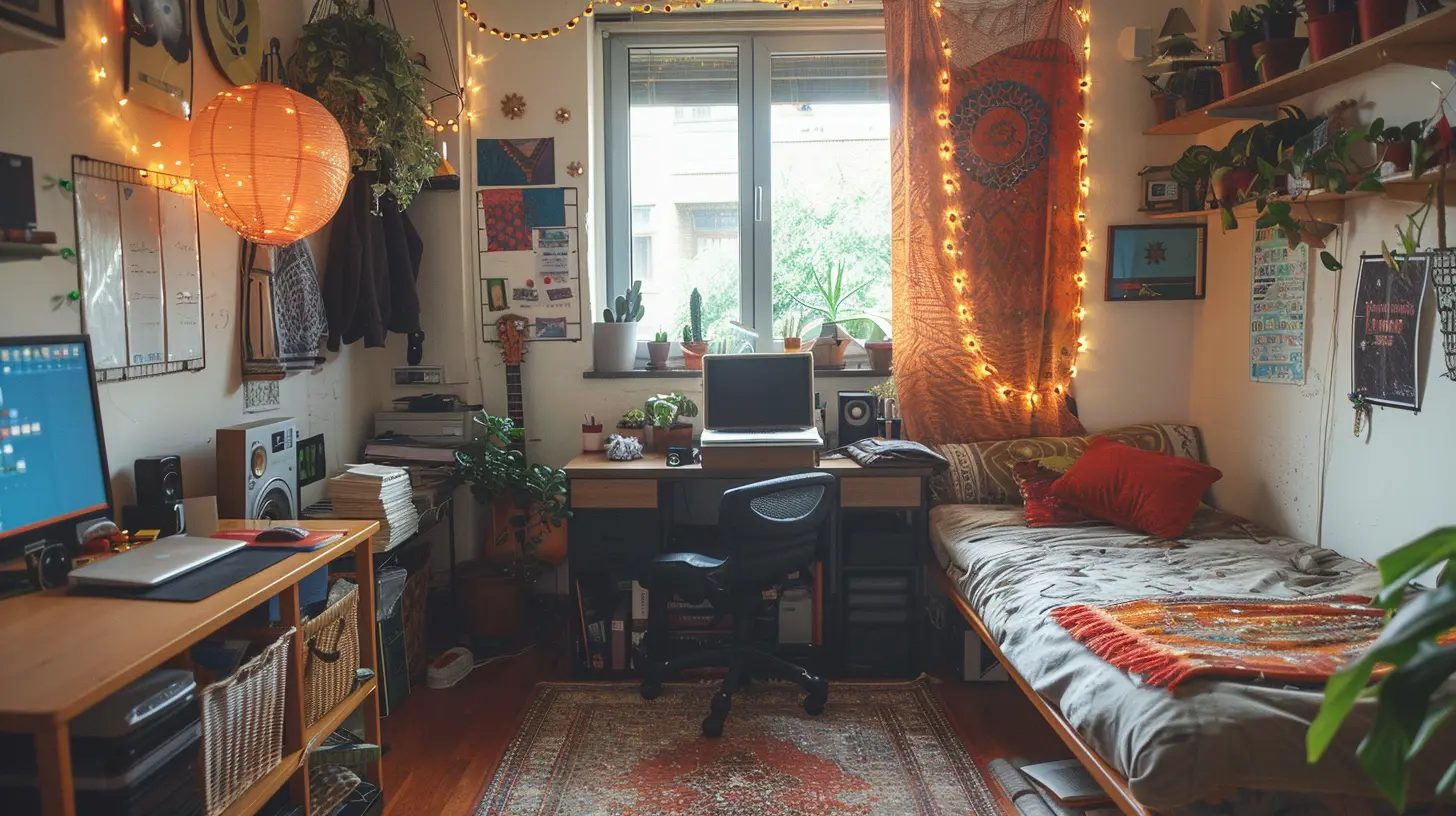
1. Pick the Right Spot: Make Every Inch Count
When your living space is limited, finding the perfect spot for a study area can be tricky. But don't worry, you don’t need an entire room—just a small, dedicated corner will do.Look for Unused Spaces
Think outside the box! That awkward empty corner in your bedroom? The unused space under your loft bed? Even a section of your dining table could work if set up properly. The key is to have a designated spot where your brain knows, “This is where I study.”Consider Natural Light
Try to position your study area near a window if possible. Natural light not only boosts mood and energy levels but also reduces eye strain. If that’s not an option, invest in a good desk lamp that mimics daylight—your eyes (and productivity) will thank you.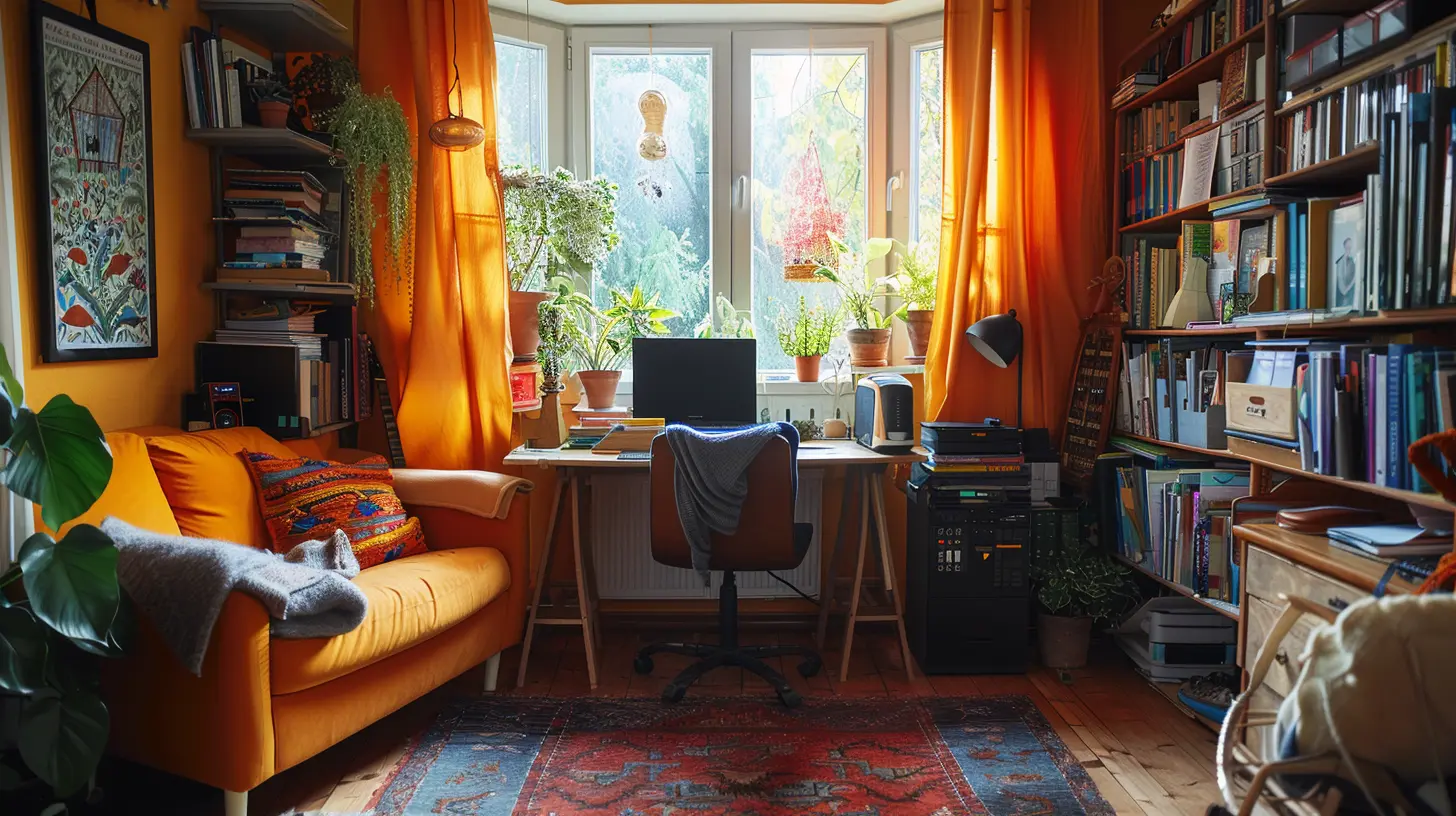
2. Choose Space-Saving Furniture: Smart & Functional
When space is tight, every piece of furniture should serve more than one purpose. Your study area should be practical yet blend seamlessly into your small living space.Foldable or Wall-Mounted Desks
A foldable desk that can be tucked away when not in use is a game changer. Alternatively, a wall-mounted desk saves floor space while giving you a permanent study nook.Multi-Functional Furniture
Look for furniture that pulls double duty. A bed with built-in storage? A bookshelf that doubles as a desk? The more functional, the better.Compact & Ergonomic Chair
You need a comfortable chair, but it doesn’t have to be bulky. Consider a small, ergonomic chair that provides good back support without taking up too much space.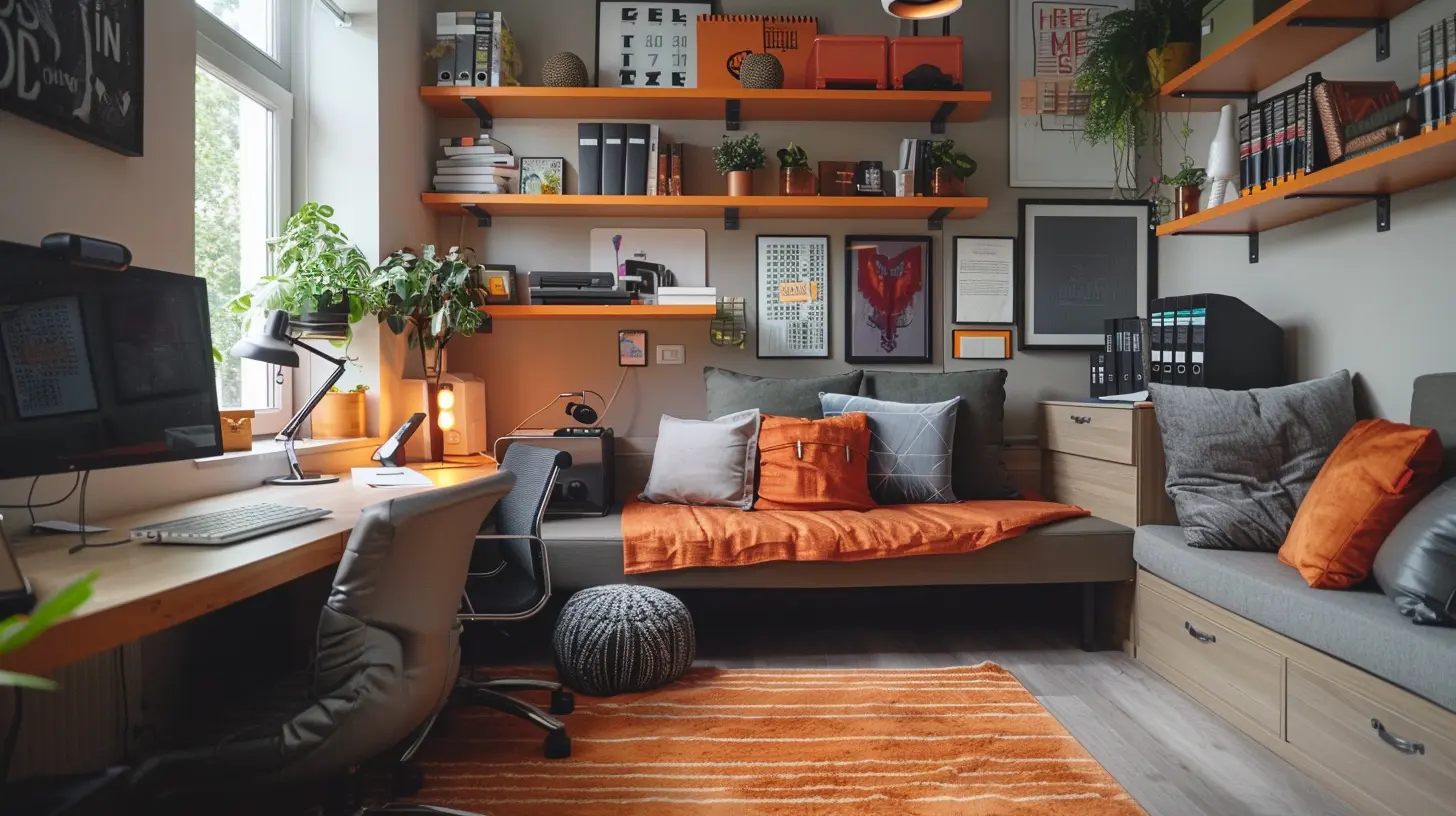
3. Declutter: Less Mess, More Success
A cluttered space leads to a cluttered mind. If your study area is overflowing with random items, your focus will take a hit.The “Only Essentials” Rule
Keep your desk as minimal as possible. It should only have the essentials: laptop, notebook, pens, and maybe a small plant for aesthetics. Everything else? Store it away.Use Vertical Space
When horizontal space is limited, go vertical! Install shelves above your desk, use pegboards to hang supplies, or get a hanging organizer to keep things neat without taking up surface area.Storage Bins & Drawer Organizers
Storage bins or drawer organizers keep stationery, documents, and gadgets neatly arranged. A place for everything and everything in its place—this prevents distractions and makes studying smoother.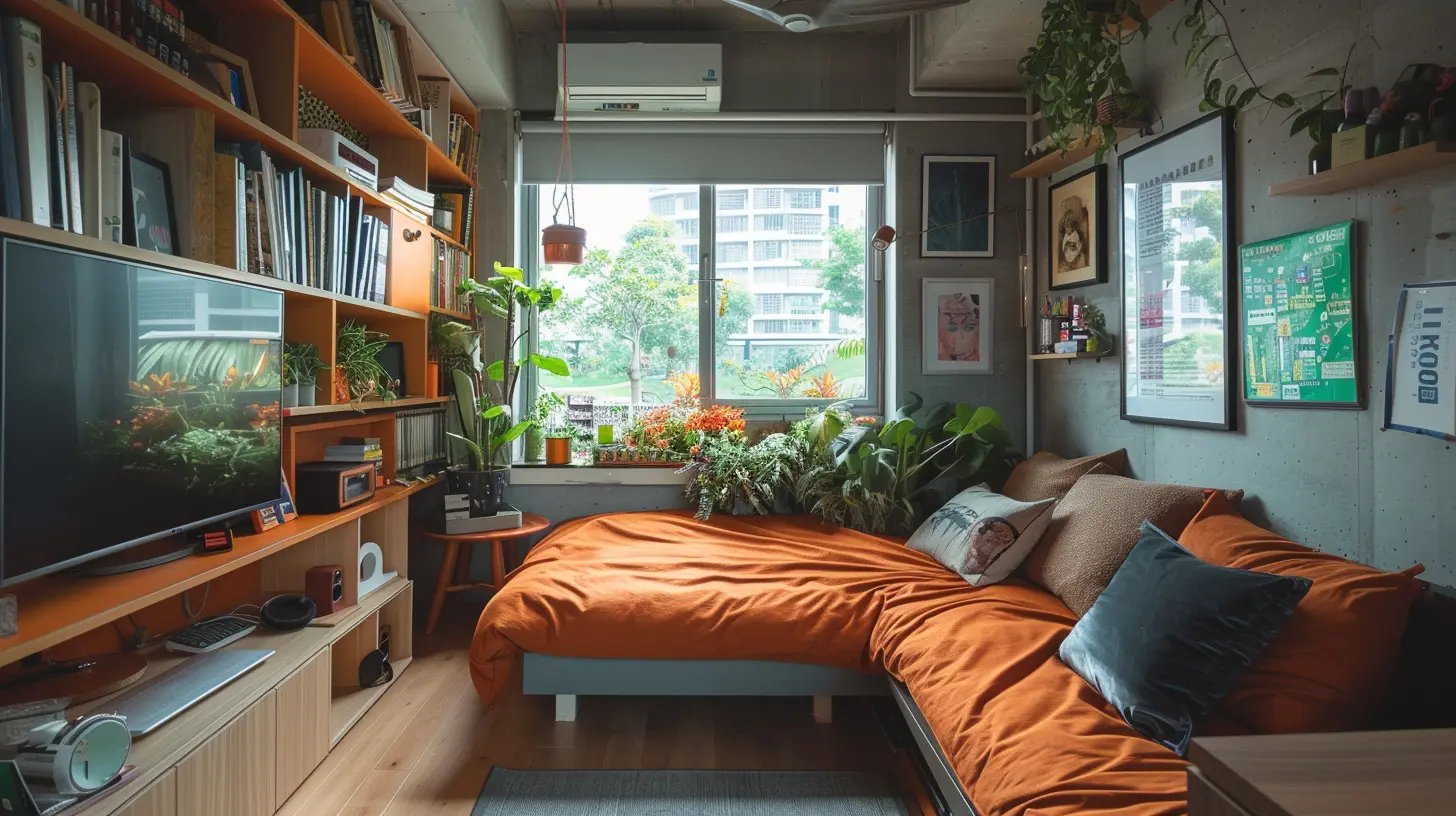
4. Minimize Distractions: Stay Focused
In a small living space, distractions are everywhere. From noisy roommates to tempting TV screens, staying focused can feel impossible. But a few smart strategies can keep distractions to a minimum.Noise Control
- Noise-Canceling Headphones: If you live in a noisy environment, invest in a good pair of noise-canceling headphones.- White Noise or Study Music: Some people focus better with white noise, instrumental music, or ambient sounds like rain. Experiment and see what works for you.
Manage Digital Distractions
Your phone is a productivity killer—let’s be real. Use focus apps like Forest or the Pomodoro technique to keep yourself accountable. Better yet, keep your phone out of reach when studying.Define Study Hours
If you share your space with others, let them know when you need uninterrupted study time. A simple “Do Not Disturb” sign can work wonders!5. Personalize Your Space: Boost Motivation
Your study space should inspire you, not bore you. Even in a small area, you can add touches of personality to make it a place you want to spend time in.Add Some Greenery
A small plant on your desk (like a succulent or air plant) adds life and freshness to your space. Plus, plants can help reduce stress!Inspiration Board or Quotes
A bulletin board with quotes, goals, or a vision board can keep you motivated. Every time you look up, you'll get that extra push to stay focused.Keep It Comfortable
A cozy throw blanket, a small pillow for back support, or even a scented candle can make your study space more inviting. Comfortable spaces make it easier to stay on task longer.6. Master the Art of Lighting: Brighten Your Focus
Good lighting is one of the most overlooked aspects of productivity. Dim or overly harsh lighting can strain your eyes and make you feel sluggish.Layered Lighting
If natural light isn’t an option, layer your lighting. Combine a bright overhead light with a warm desk lamp to reduce glare and shadows.Adjustable Desk Lamp
A small, adjustable LED lamp is perfect for small spaces. Look for one with adjustable brightness settings so you can customize lighting to your comfort.7. Keep It Clean: A Fresh Start Every Day
A messy space leads to a messy mind. Keep your study area tidy to maintain focus and productivity.End-of-Day Cleanup Routine
Before you end your study session, take two minutes to clear your desk, put away loose papers, and reset your space. That way, you start fresh every time you sit down to work.Wipe Down Surfaces Regularly
Dust accumulates fast, especially in small spaces. A quick wipe-down of your desk each week keeps it looking clean and fresh.Final Thoughts: Small Space, Big Productivity
Creating a productive study space in small living quarters may seem challenging, but with a little creativity, it’s totally doable. The key is to be intentional—find the right spot, keep it organized, minimize distractions, and make it a space that motivates you.Remember, productivity doesn’t come from having a huge office; it comes from having a space that works for you. So, set up your study nook, stay disciplined, and watch your focus and efficiency skyrocket!
all images in this post were generated using AI tools
Category:
Student HousingAuthor:

Camila King
Discussion
rate this article
2 comments
Macey McCollum
Who knew making a study space could feel like a Tetris game? Just remember, you can fit a desk, a chair, and a snack stash in a closet if you're determined enough! Bonus points if you manage to do it without tripping over the cat. Happy studying in your cozy cave!
March 4, 2026 at 5:37 AM
Camila King
Haha, love the Tetris analogy! It's amazing what you can fit into small spaces with a little creativity. Happy studying!
Brittany Rios
Creating a productive study space in small living quarters requires strategic organization and intentional design. Utilizing vertical storage, incorporating multifunctional furniture, and optimizing natural light are key strategies. Additionally, personalizing the environment can enhance motivation and focus, ultimately leading to improved productivity despite limited space.
February 28, 2026 at 1:09 PM
Camila King
Thank you for your insightful comment! You're absolutely right—strategic organization and intentional design are essential for maximizing productivity in small spaces. Personal touches can indeed boost motivation and focus.