How to Create a Low-Maintenance Second Home for Stress-Free Ownership
24 July 2026
Who wouldn’t love the idea of escaping to a second home whenever life gets too hectic? A peaceful retreat by the beach, in the mountains, or even in a quiet suburban neighborhood sounds like a dream. But here’s the catch: second homes can sometimes feel like more work than relaxation. If you're constantly fixing things, cleaning, or dealing with maintenance issues, is it even worth it?
The good news is that it is possible to enjoy a second home without the headache of endless upkeep. With the right planning and design choices, you can set up a low-maintenance property that allows you to enjoy your getaway— minus the stress.
So, where do you start? Let's dive into some practical strategies that will help you create a second home that’s all about relaxation, not responsibility.
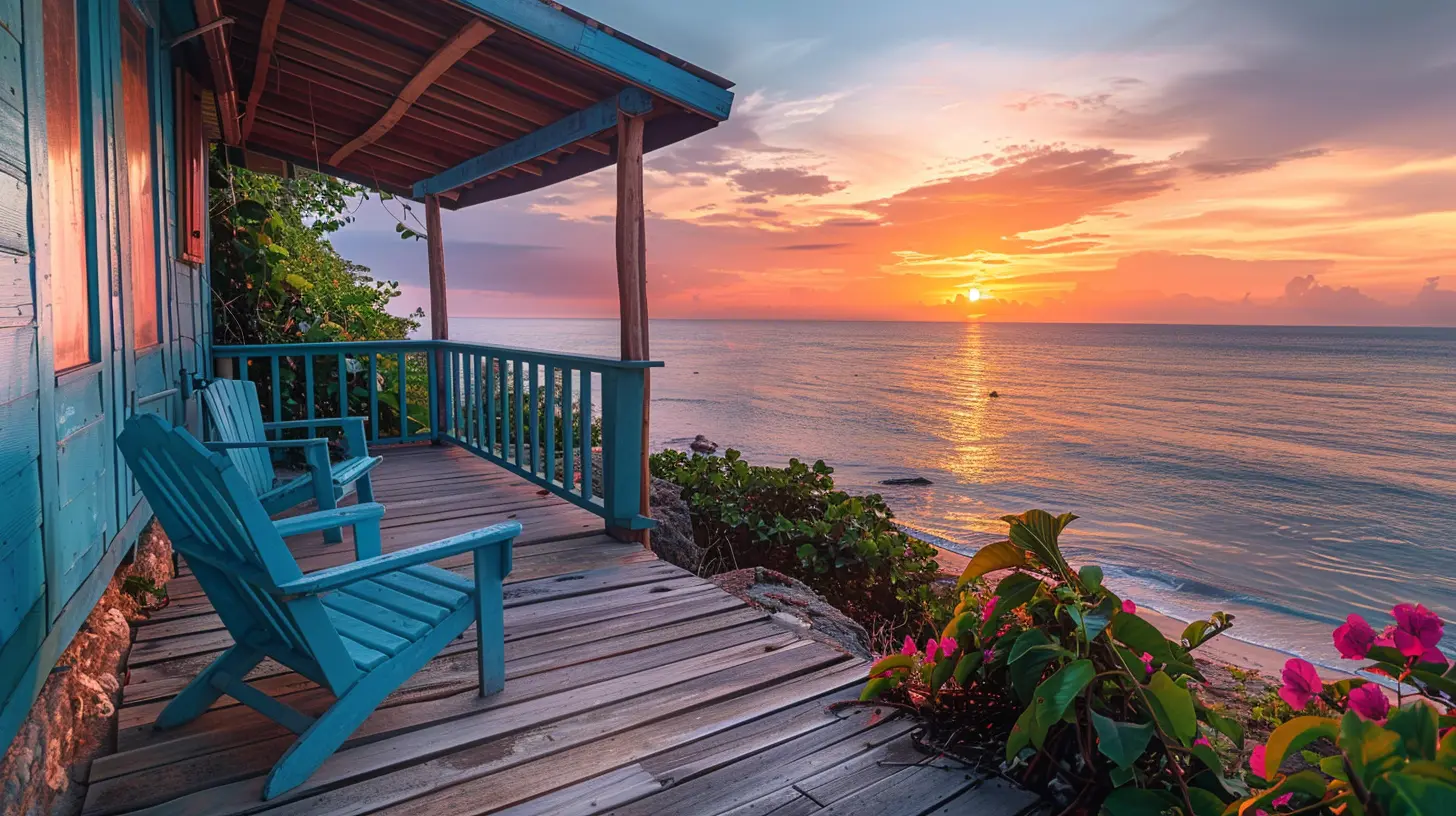
1. Choose the Right Location
Before you even think about maintenance, location is everything. You might dream of a cabin deep in the forest, but if reaching it requires off-roading through rough terrain, that’s already added upkeep (hello, constant road repairs!).Instead, consider:
- Areas with mild weather conditions (harsh climates often mean extra maintenance)
- Well-established communities with reliable services nearby
- Regions that don’t have excessive HOA fees or maintenance regulations
A great location minimizes unexpected costs, property damage, and difficult accessibility.
2. Opt for Low-Maintenance Materials
Building or updating your second home with durable, low-maintenance materials will save you long-term hassle. Traditional materials may look good, but frequent repairs and replacements can be exhausting.Exterior Materials
- Metal or Fiber Cement Siding: Unlike wood, which needs repainting and is prone to pests, these options are weather-resistant and need little care.- Stone or Brick: Long-lasting and resistant to the elements, they add aesthetic appeal with almost zero maintenance.
- Composite Decking: Looks like wood but resists water damage, rot, and fading.
Interior Materials
- Quartz Countertops: Unlike granite or marble, quartz doesn’t need sealing and is resistant to stains.- Luxury Vinyl Plank (LVP) Flooring: It mimics hardwood but is waterproof, scratch-resistant, and much easier to clean.
- Semi-Gloss Wall Paint: Easier to wipe down compared to flat paint, making it ideal for a second home.
Investing in these materials upfront means you’ll spend much less time on repairs and upkeep later.
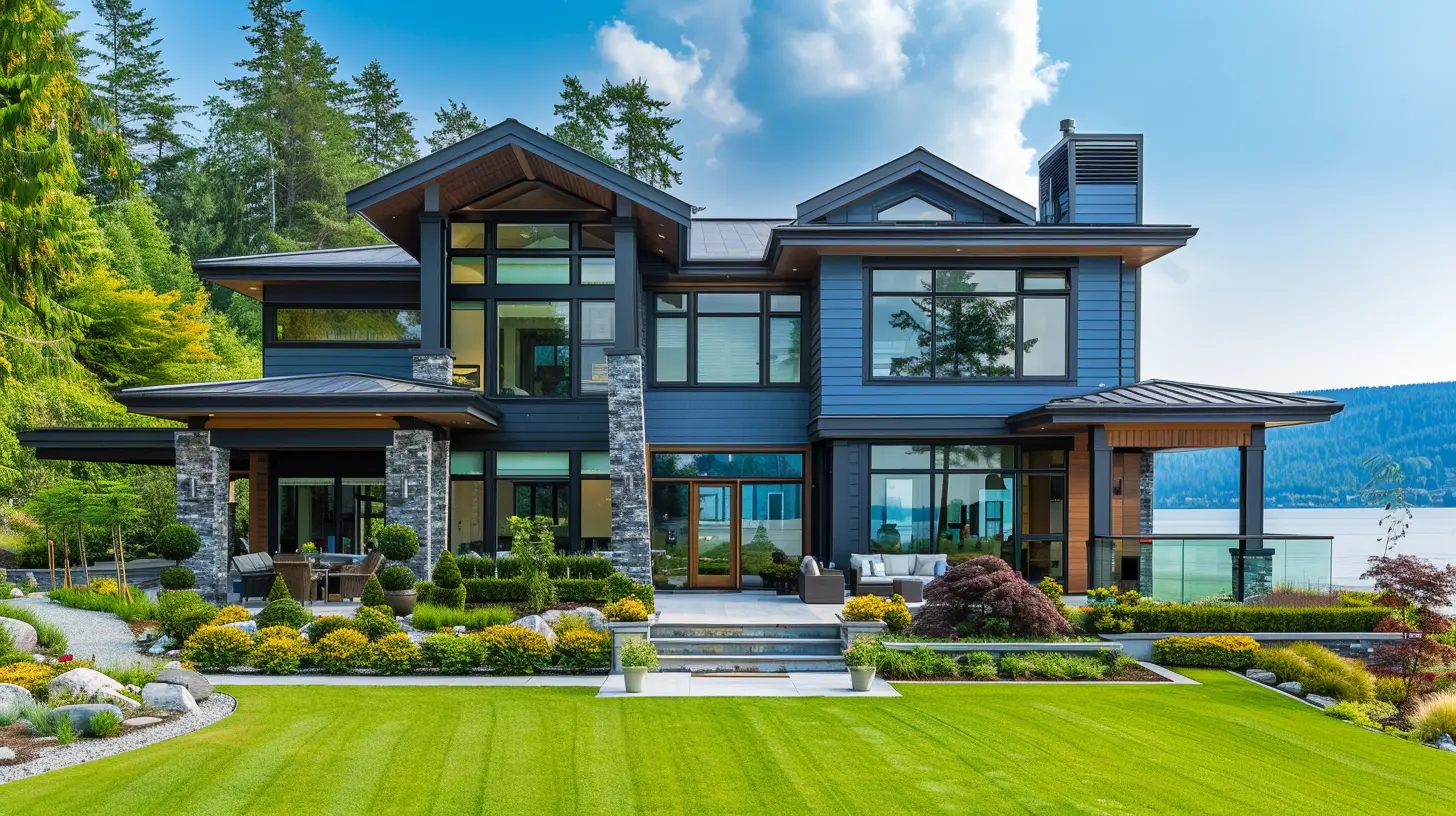
3. Simplify Your Landscaping
A lush garden may look impressive, but if you’re not available year-round, it quickly turns into a jungle. The trick is to embrace low-maintenance landscaping.Easy Landscaping Ideas
- Native Plants: These are already adapted to the local climate, so they require minimal watering and care.- Artificial Turf: No mowing, no watering, and always looks green!
- Mulch or Rock Gardens: Prevents weeds and reduces the need for frequent maintenance.
- Automatic Irrigation Systems: A smart sprinkler system can take care of watering without you lifting a finger.
Go for a yard that thrives on its own, so you’re spending your free time relaxing, not landscaping.
4. Invest in Smart Home Technology
Technology can be a game-changer in maintaining a second home from afar. Smart gadgets ensure that your home stays secure, energy-efficient, and easy to manage remotely.Must-Have Smart Devices
- Smart Thermostat: Adjusts heating and cooling automatically, saving energy when you're not there.- Security Cameras & Doorbells: Keep an eye on your property from anywhere with live video feeds.
- Smart Locks: No need to worry about lost keys—grant access remotely to guests or maintenance workers.
- Leak and Smoke Detectors: Instant alerts to your phone if there's a plumbing issue or fire risk.
It’s like having a virtual caretaker keeping an eye on your home while you're away!
5. Furnish with Low-Maintenance Pieces
Furniture and décor can either make your life easier or add to your maintenance headaches. What’s the best approach? Choose durable, easy-to-clean, and timeless pieces that don’t require constant upkeep.- Leather or Stain-Resistant Fabric for Sofas: Easier to wipe clean compared to delicate upholstery.
- Minimalist Decor: The fewer knickknacks you have, the less dusting you'll need to do.
- Outdoor Furniture in Weather-Resistant Materials: Wicker, teak, or aluminum will last longer without much upkeep.
A well-designed space with thoughtful, easy-care furnishings will always feel inviting, even if you're only visiting a few times a year.
6. Work with a Property Management Service
If you truly want a hassle-free second home, consider hiring a local property management service. They can handle everything from routine maintenance to emergency repairs and even rental management (if you're using the home as an investment).What can they do?
- Regular Home Inspections: Spot small problems before they become big headaches.
- Cleaning Services: Ensure the home is guest-ready whenever you arrive.
- Lawn & Pool Maintenance: No need to worry about upkeeping outdoor spaces.
While it’s an additional cost, this service can save you time, stress, and even money by preventing bigger repair issues.
7. Consider Renting It Out When You’re Not Using It
If your second home will sit empty for long stretches, why not turn it into an income-generating property? Renting it out part-time through Airbnb or a vacation rental service can help cover maintenance costs—without you having to lift a finger.Tips for a Low-Maintenance Rental Property
- Hire a vacation rental management company to handle bookings and guest concerns.- Minimize wear and tear by setting clear rules (e.g., no pets or smoking).
- Choose durable, easy-to-clean furnishings to withstand guest use.
Not only will this offset maintenance costs, but it will ensure the home is regularly maintained and in good condition when you return.
8. Prepare for the Off-Season
If your second home will be vacant for months at a time, it's crucial to prep it for the off-season to avoid costly damage.Steps to Take Before Leaving
- Turn Off Water Supply: Prevents freezing pipes in colder climates.- Adjust Thermostat Settings: Keep the home at a safe temperature to prevent mold or burst pipes.
- Unplug Electronics: Avoid power surges and unnecessary energy consumption.
- Rodent & Pest Prevention: Seal up potential entry points, and make sure food is stored properly.
A little preparation goes a long way in preventing maintenance surprises when you return.
Final Thoughts
Owning a second home doesn't have to feel like a second full-time job. By making smart choices—like selecting low-maintenance materials, embracing smart home technology, and simplifying landscaping—you can enjoy stress-free ownership.Remember, the goal of a second home is to relax and recharge. With these strategies in place, you'll spend more time enjoying your getaway and less time dealing with upkeep. So, are you ready to start creating your hassle-free retreat?
all images in this post were generated using AI tools
Category:
Second HomesAuthor:

Camila King