How to Choose Between a City or Country Second Home
19 July 2026
Getting a second home is a huge step, and deciding between a city or country getaway can be a tough call. Do you want the energy of urban living, or are you craving the peace and quiet of rural life? Both options have their perks—and their downsides. Let's break it down to help you make the best choice.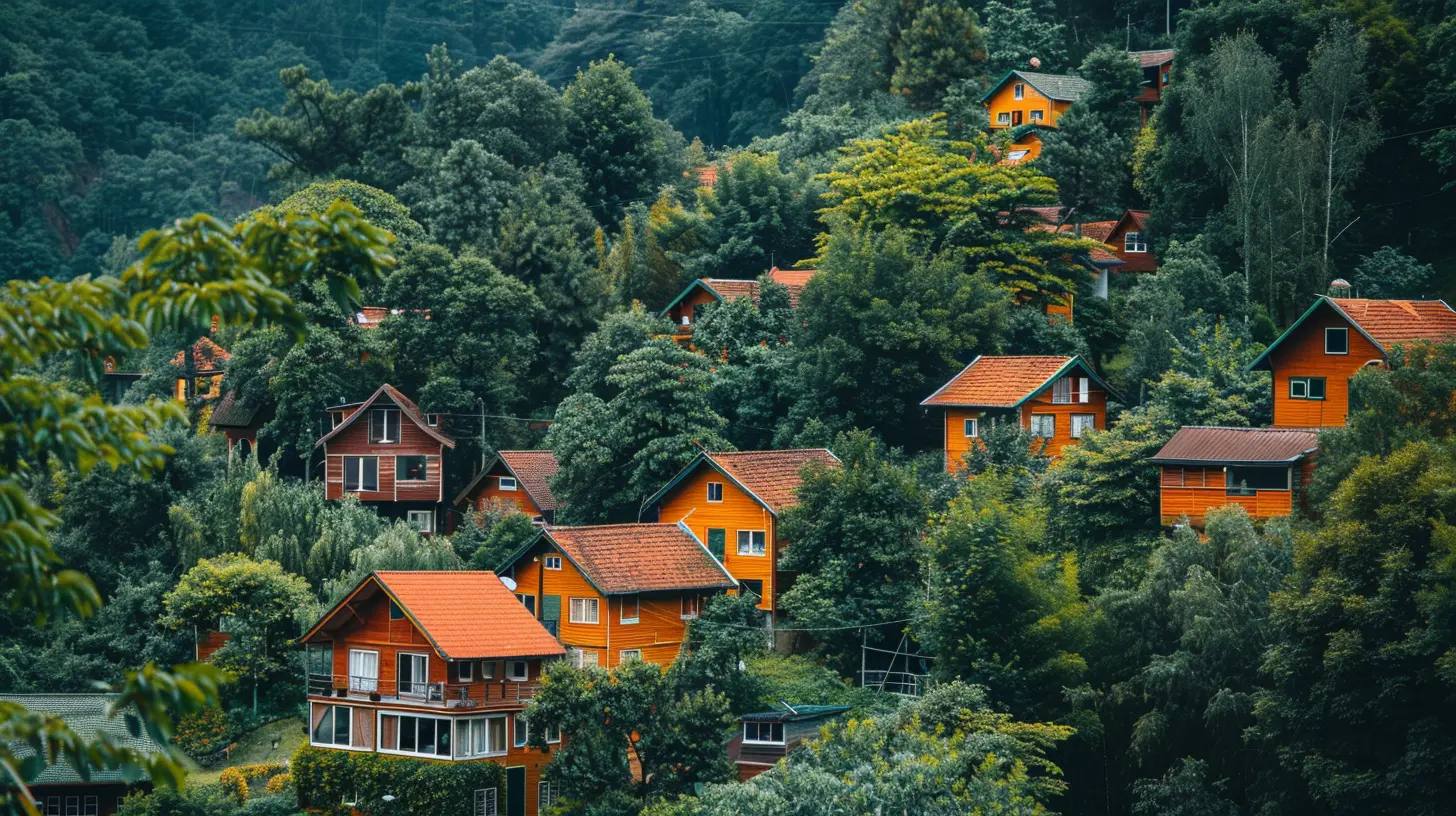
1. Lifestyle Preferences: Fast-Paced or Slow Living?
City Life: Always on the Move
If you love the buzz of city life, a second home in an urban area might be the perfect fit. Cities offer top-notch restaurants, entertainment, and endless things to do. Whether it’s hitting up a trendy rooftop bar or catching a live concert, you’ll never be bored.But let’s be real—city life can be exhausting. Traffic, crowds, and noise can make even the simplest outings feel like a mission. If your goal for a second home is relaxation, a city property might not give you the escape you’re looking for.
Country Life: The Peaceful Retreat
On the flip side, a country home offers serenity and space. Picture waking up to birds chirping instead of honking horns. You can take long, peaceful walks, grow your own vegetables, and actually see the stars at night.However, rural living isn’t for everyone. If you thrive on social interaction, the slower pace might bore you. Plus, fewer nearby amenities mean longer drives for groceries or a nice dinner out.
2. Accessibility and Convenience
City Homes: Easy to Get To
One major perk of a city second home is how easy it is to visit. Whether you drive, take a train, or fly, getting to a major city is usually quick and convenient. Public transportation is another plus—once you’re there, you might not even need a car.Country Homes: A Bit of a Trek
A home in the countryside might require more effort to reach. If it’s too far from an airport or major highway, weekend trips could feel like a hassle. Is it worth it if you can only use it a few times a year? That’s something to think about before making your decision.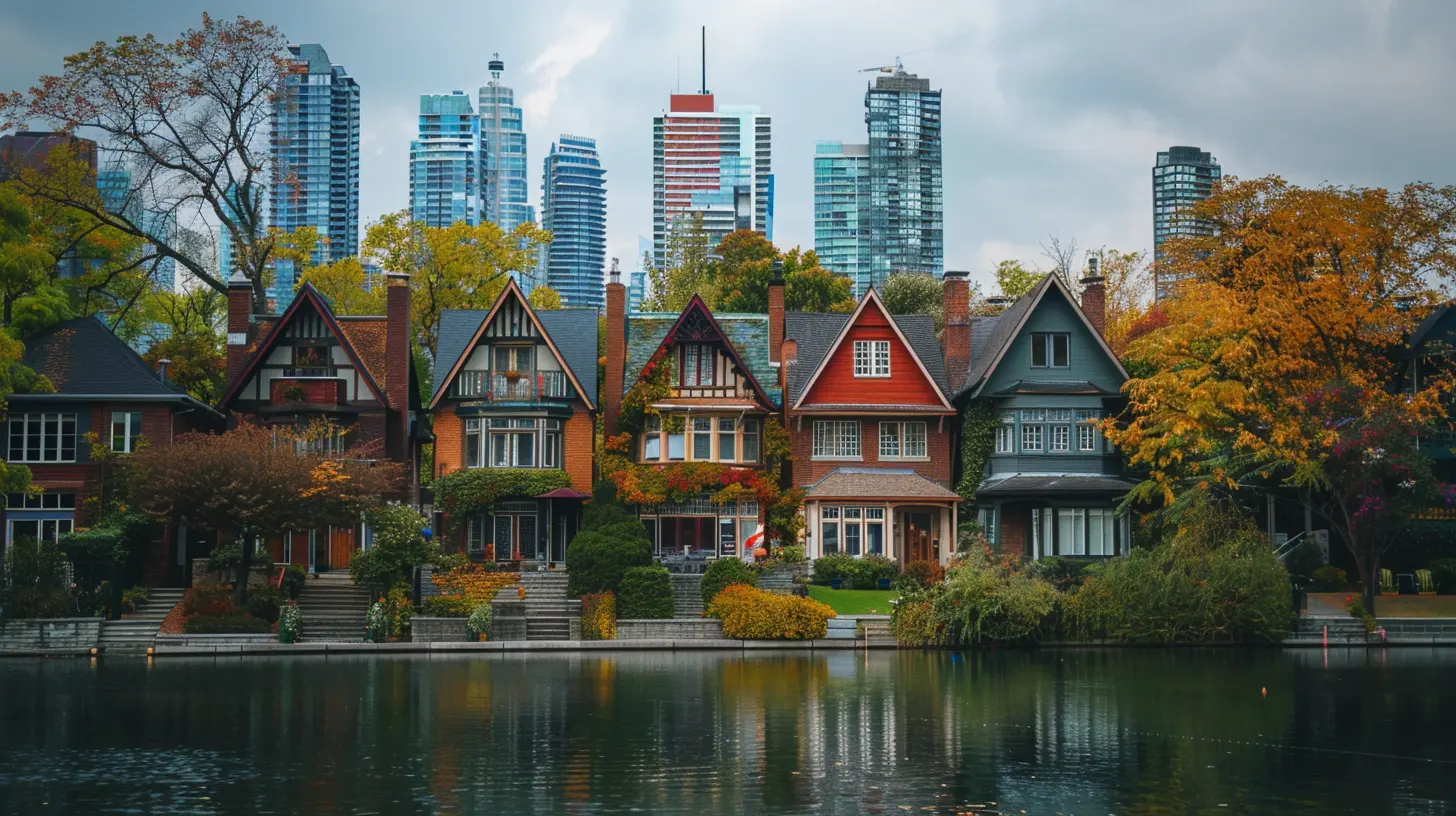
3. Property Costs and Maintenance
City Homes: Higher Prices, Less Space
City real estate is pricey. Even a small apartment in a prime location can cost more than a spacious country house. Plus, city properties often come with HOA fees, higher property taxes, and expensive maintenance costs.Country Homes: More Land for Your Money
In most cases, you’ll get way more bang for your buck in the countryside. A large house with a backyard, garden, and maybe even a pond? That’s pretty common in rural areas. But keep in mind, maintaining a bigger property takes time, effort, and money—think lawn care, septic systems, and snow removal in the winter.
4. Investment Value and Resale Potential
City Homes: Stronger Long-Term Investment
Real estate in major cities tends to hold value well, making it a solid investment. If your second home is in a popular area, you may even see property appreciation over time. Short-term rental potential is also a plus—Airbnb or long-term renting can help cover costs.Country Homes: A Riskier Investment
While country homes are more affordable, they typically don’t appreciate as quickly as city properties. Selling a rural home can also take longer since the buyer pool is smaller. That being said, if you’re more focused on personal enjoyment rather than future resale value, this might not be a dealbreaker.5. Rental Income Potential
City Homes: Easier to Rent Out
If you’re planning to rent out your second home when you’re not using it, city properties are generally easier to manage. Tourists, business travelers, and students create a steady demand for short-term and long-term rentals.Country Homes: Seasonal Demand
A rural vacation home can still make rental income, but it depends heavily on the location. If it's near a lake, ski resort, or popular hiking destination, you might see strong seasonal bookings. However, if it's in a remote area without attractions, finding renters could be challenging.6. Proximity to Family and Friends
City Homes: Closer to Your Social Circle
If most of your friends and family live in the city, getting a second home there makes visits easier. Instead of traveling far for get-togethers, you’ll be right in the heart of all the action.Country Homes: A Private Escape
A country home might not be as accessible for social visits, but that can be a good thing if you’re looking for a true getaway. Hosting weekend retreats for friends and family could be a fun way to make up for the distance.7. Climate and Weather Considerations
City Homes: More Consistent Climate
Cities tend to have better infrastructure to handle extreme weather—snow removal, flood protection, and easy access to emergency services. If natural disasters are a concern, a city might be the safer bet.Country Homes: Weather Can Be Unpredictable
Rural areas can experience more extreme weather. Heavy snowfall could leave you stranded, and power outages might take longer to fix. If you’re not used to dealing with these challenges, a country home may require more preparation.Making the Right Choice for You
So, should you go for a city or country second home? The answer depends on your lifestyle, budget, and long-term goals.- Choose a city home if you love excitement, convenience, and easy access to amenities. It’s also a better option if rental income and property appreciation are top priorities.
- Choose a country home if you crave space, peace, and a true escape from the daily grind. If your goal is relaxation and reconnecting with nature, the countryside is calling your name.
Think about how often you’ll use the home, whether you’ll rent it out, and what kind of experience you want. No matter what, a second home can be a great investment for both your finances and well-being—just make sure it’s the right fit for your lifestyle.
all images in this post were generated using AI tools
Category:
Second HomesAuthor:

Camila King