How to Budget for the Upkeep of a Second Home
27 March 2026
Owning a second home sounds like a dream, right? Whether it’s a cozy cabin in the mountains or a beachfront retreat, having a second place to escape to is nothing short of amazing. But here’s the catch—keeping up with the expenses of two homes can be a juggling act.
The last thing you want is for your dream getaway to turn into a financial nightmare. That’s why budgeting for the upkeep of a second home is crucial! So, grab a cup of coffee (or a margarita, if that’s your style), and let’s break down how you can effectively manage your second home's expenses without breaking the bank. 
Why Budgeting for a Second Home Matters
Many people get excited about buying a second home but forget that it comes with its own set of ongoing costs. The mortgage is just the tip of the iceberg. From maintenance and utilities to property taxes and insurance, these expenses can add up fast.Having a well-structured budget helps you:
- Avoid unexpected financial stress.
- Keep your property in great shape.
- Plan for repairs without last-minute panic.
- Still enjoy the perks of owning a second home without financial regrets.
So, how do you make sure your vacation getaway stays a blessing and not a burden? Let’s dive into the must-haves of a solid second-home budget. 
1. Calculate Fixed Costs
The first step in creating a budget is figuring out your fixed, non-negotiable expenses. These are the costs you’ll pay whether you visit the home or not.Mortgage Payments
If you financed your second home, your mortgage is likely your biggest fixed expense. Make sure you have a clear understanding of your monthly payments and factor them into your overall budget.Property Taxes
Taxes on a second home can sometimes be higher than on a primary residence, especially if it's classified as an investment property. Check with your local tax authority to get an accurate estimate of what you’ll owe each year.Insurance Premiums
Second homes often come with higher insurance rates, especially if they’re located in areas prone to natural disasters like hurricanes, floods, or wildfires. Look into comprehensive coverage that protects your investment.Homeowners Association (HOA) Fees
If your second home is part of a gated community or condominium complex, you’ll likely need to pay HOA fees. These fees cover things like landscaping, security, and amenities. Be sure to read the fine print to avoid any surprises down the road.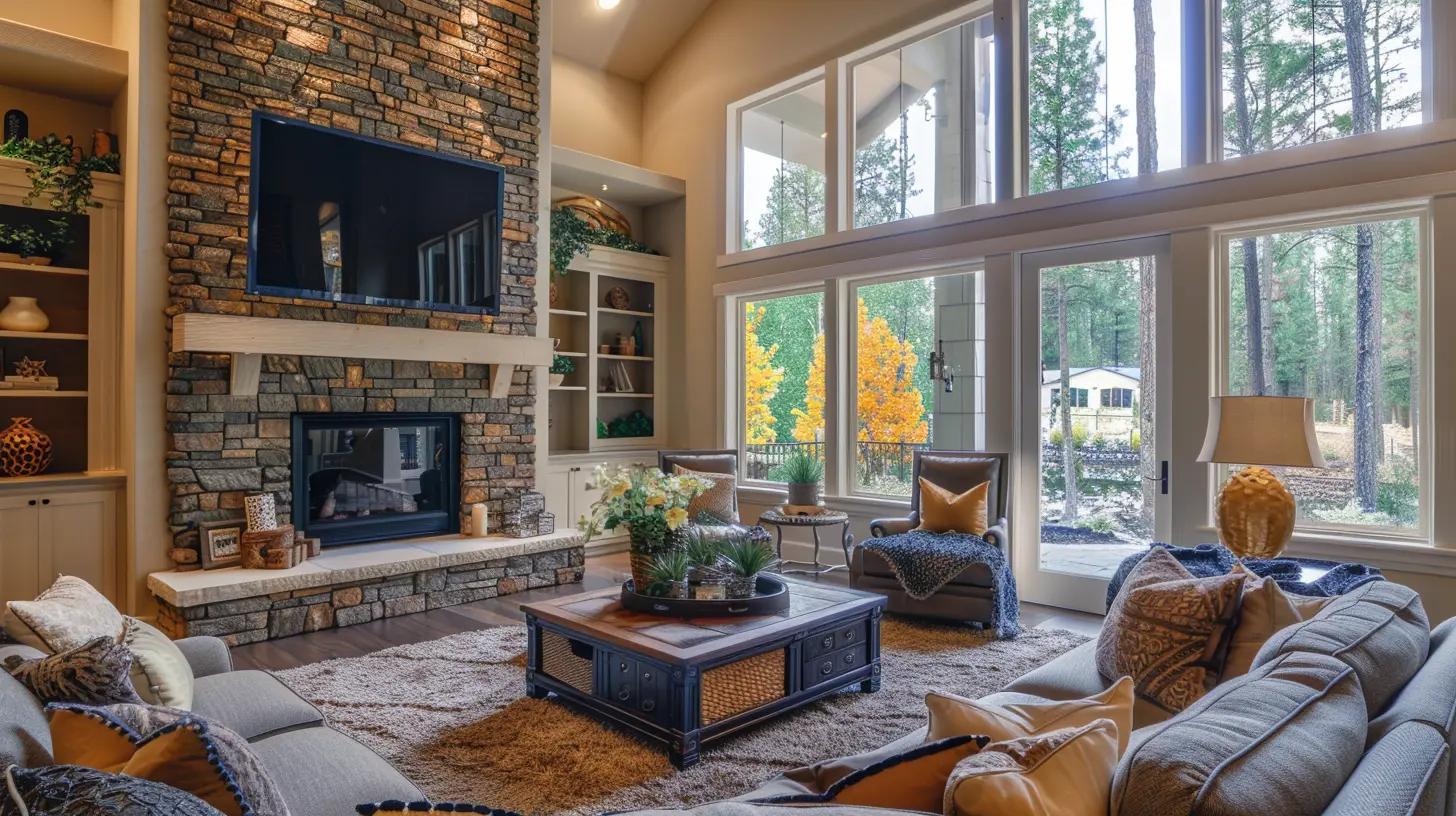
2. Budget for Maintenance and Repairs
A second home won’t take care of itself. From leaky roofs to broken air conditioning units, unexpected repairs can quickly drain your wallet if you’re not prepared.Routine Maintenance Costs
A good rule of thumb is to budget 1-2% of your home’s value annually for maintenance. If your second home is worth $300,000, you should set aside $3,000–$6,000 a year for repairs and upkeep.Here are some typical maintenance costs you’ll want to factor in:
- Lawn care and landscaping
- HVAC servicing
- Plumbing and electrical upkeep
- Pool maintenance (if applicable)
- Pest control
Emergency Repairs
Things break—it’s just a fact of homeownership. And when something goes wrong in your second home, you won’t always be there to fix it immediately. That’s why it’s smart to set up an emergency repair fund. Keep at least three to six months’ worth of maintenance expenses stashed away for unexpected breakdowns.
3. Consider Utility Bills
Even when you’re not staying at your second home year-round, some utilities will still need to be paid. Depending on the location and size of your home, utility costs may vary significantly.Electricity and Water
If you’re not occupying your second home full-time, you may be able to lower your electricity and water usage. However, some base charges apply even when the home isn’t in use. Investing in smart thermostats and energy-efficient appliances can help cut down on unnecessary costs.Internet and Cable
Do you need full-time internet and cable at your second home? It depends on how often you visit and whether you rent it out. Some providers offer seasonal or flexible plans that can help you save money when you’re not using the property.4. Plan for Travel Costs
Since your second home is most likely not around the corner, travel costs should be part of your budgeting plan.Gas or Airfare
If you drive to your second home, budget for gas and vehicle maintenance. If it’s farther away and requires flying, consider airfare costs and whether you’ll need car rentals upon arrival.Furnishing and Upgrades
Let’s be honest—you’ll probably want to keep decorating and improving your second home over time. Whether it’s updating furniture, repainting the walls, or adding a new outdoor deck, account for these expenses so they don’t creep up on you.5. Explore Ways to Offset Costs
If maintaining a second home is starting to sound expensive, don’t worry! There are ways to reduce the financial burden:Short-Term Rentals
Renting out your second home when you’re not using it can help cover some of your maintenance and utility costs. Platforms like Airbnb and Vrbo make it easy to list your property. Just make sure you check local regulations and factor in any management fees.House Swaps
A house swap is an excellent way to use your second home while getting free accommodations elsewhere. Websites like HomeExchange can help you trade stays with other homeowners.Tax Deductions
Depending on how you use your second home, you may be eligible for tax deductions. If you rent it out for part of the year, some expenses might be tax-deductible. Consult with a tax professional to see what you might qualify for.6. Set Up an Automatic Savings Plan
To make second-home expenses more manageable, set up an automatic savings plan. Open a separate account dedicated to home-related costs and contribute to it regularly. This way, when a big expense pops up, you’re financially prepared instead of scrambling for cash.Final Thoughts
Owning a second home is a luxury, but it also requires financial responsibility. By carefully budgeting for ongoing expenses, maintenance, and travel costs, you can enjoy your vacation retreat without stressing over money.Think of it like taking care of a pet—you wouldn’t bring home a puppy without planning for food, vet bills, and toys, right? The same logic applies to your home! Keep your budget realistic, plan ahead, and you’ll be able to enjoy your second home for years to come.
So, grab your budget planner, crunch those numbers, and make sure your second home remains the dream getaway it was meant to be!
all images in this post were generated using AI tools
Category:
Second HomesAuthor:

Camila King
Discussion
rate this article
2 comments
Sonya Campbell
When budgeting for a second home, prioritize regular maintenance and unexpected repairs. Set aside 1-2% of the property's value annually, ensuring financial flexibility and peace of mind for unforeseen expenses.
March 31, 2026 at 4:58 AM
Camila King
Absolutely! Setting aside 1-2% of the property's value each year for maintenance and repairs is a smart strategy that helps ensure you’re prepared for any unexpected costs. Great advice!
Flint Carey
This article underscores the importance of realistic budgeting for a second home. It’s a valuable reminder that upkeep costs can quickly add up. Thought-provoking!
March 30, 2026 at 4:46 AM
Camila King
Thank you for your thoughtful comment! I'm glad you found the article helpful in emphasizing the importance of realistic budgeting for a second home. Keeping track of those upkeep costs is crucial!