How Technology Is Transforming Home Inspections by 2027
1 May 2026
Let me take you back to a rainy Tuesday afternoon a few years ago. I was standing in a crawlspace, knee-deep in mud, holding a flashlight between my teeth while trying to scribble notes on a soggy clipboard. The homeowner was upstairs, nervously asking if I'd found termites yet. I hadn't. But I also couldn't see much beyond the cobwebs and the faint glow of my dying flashlight. That day, I swore there had to be a better way.
Fast forward to today, and the home inspection industry looks almost unrecognizable. By 2027, the changes we're already seeing will feel like a complete rewrite of the rulebook. Technology isn't just tweaking the process; it's flipping the whole script. So, if you're a buyer, seller, or agent, you need to know what's coming. Let's walk through it together.
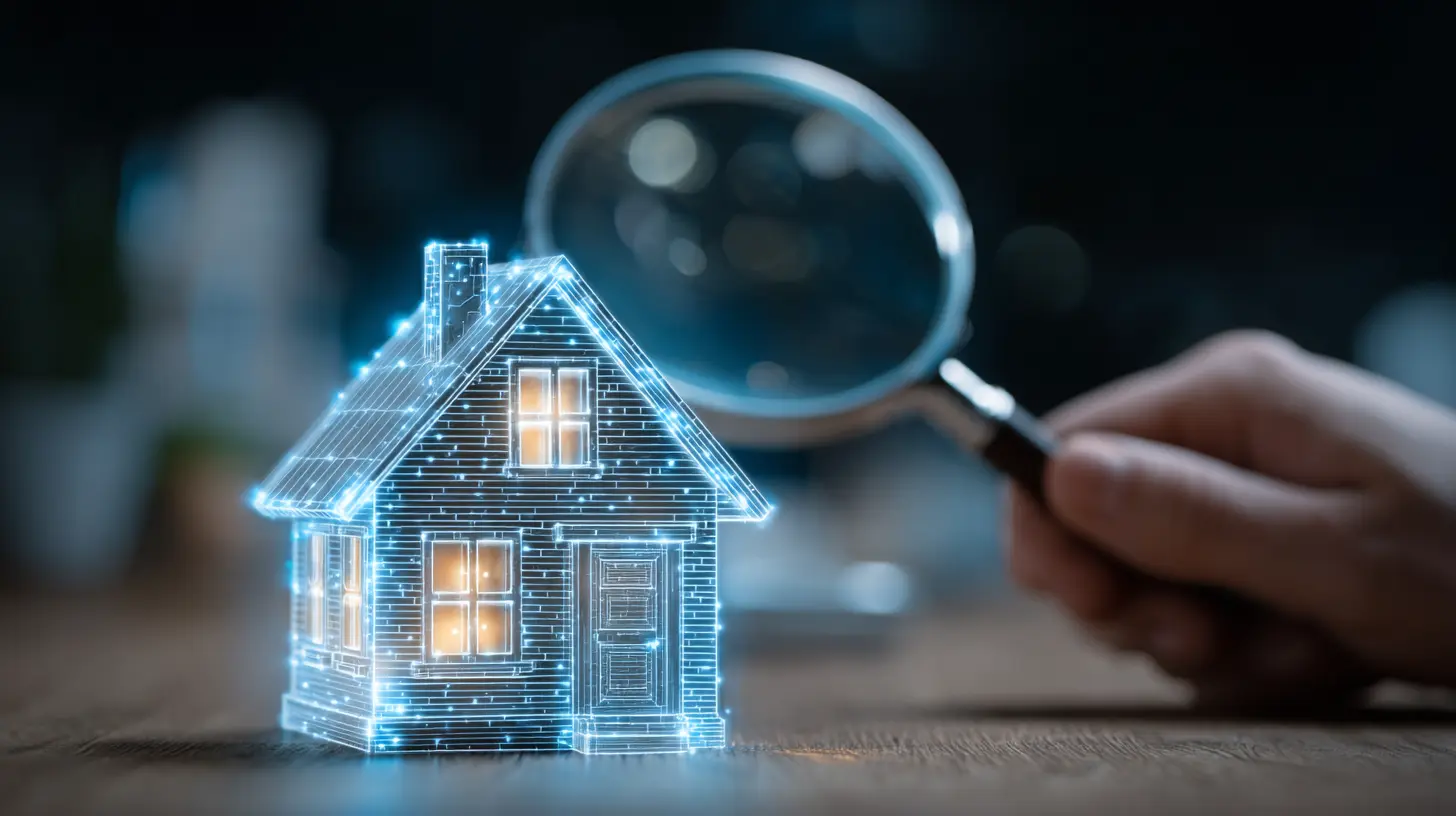
The End of the Clipboard Era
Remember when a home inspection meant a guy with a ladder, a moisture meter, and a lot of guesswork? Those days are numbered. By 2027, the clipboard will be a relic, like a fax machine or a phone book. Instead, inspectors will carry tablets loaded with real-time data streams, AI-assisted analysis, and 3D modeling tools. But the real game-changer? Drones.Drones That See What You Can't
I remember the first time I watched a drone zip around a roof. The inspector was standing safely on the ground, sipping coffee, while a quadcopter with a 4K camera scanned every shingle. It caught a cracked flashing that I would have missed from a ladder. By 2027, drones won't just take pretty pictures. They'll use thermal imaging and LiDAR to map out heat loss, moisture intrusion, and even structural weaknesses. Think of it as giving the house a full-body MRI without cutting into a single wall.But here's the honest part: drones aren't perfect. They can't handle heavy rain or wind, and they still need a skilled operator. But the trend is clear. By 2027, you'll see drones as standard equipment, not a fancy add-on.

AI That Learns From Every House
Artificial intelligence is the quiet brain behind the scenes. Right now, AI can flag obvious problems like a cracked foundation or a leaking pipe. But by 2027, it will do something more impressive: it will learn from every inspection it's ever seen. Imagine an AI that's analyzed a million roofs. When it sees a small blister on a flat roof in Phoenix, it can predict with 90% accuracy that the membrane will fail within three years. That's not magic. That's pattern recognition on steroids.Does this replace the inspector? No way. But it makes them faster and sharper. Instead of spending an hour debating whether a crack is cosmetic or structural, the AI gives them a probability score. The inspector then uses their human judgment to confirm or override. It's like having a brilliant assistant who never sleeps and never forgets.
The Rise of Smart Sensors
Here's where it gets personal. By 2027, many homes will already be wired with smart sensors. Leak detectors under sinks, humidity sensors in the attic, vibration monitors on the foundation. During an inspection, the inspector won't just run a quick test. They'll download months of data from these sensors. That means they can see if the basement floods every spring, or if the furnace cycles on and off too often at night.I talked to an inspector in Seattle who used a smart water meter to catch a hidden slab leak. The homeowner had no idea. The sensor data showed a slow, steady drip that added up to 200 gallons a month. Without that data, the leak would have gone unnoticed until the floor buckled. By 2027, this kind of deep dive will be standard.

Virtual Reality Walkthroughs for Buyers
Let's be real: most buyers don't want to crawl into an attic or poke around a crawlspace. They want the highlights. But they also want to know the truth. Enter virtual reality. By 2027, inspectors will offer VR walkthroughs that let buyers "see" inside walls and under floors without leaving their living room.Here's how it works. The inspector uses a 360-degree camera and a thermal scanner to create a digital twin of the house. Then, using a VR headset, the buyer can virtually open walls, inspect wiring, and even see the plumbing layout. It's like being a ghost inside the house. You can float through the attic, zoom in on a cracked joist, or check the insulation in the crawlspace. No mud, no spiders, no awkward small talk.
But let's keep it honest. VR isn't for everyone. Some buyers get motion sickness. Others just want the old-fashioned report they can print out. But for tech-savvy buyers, especially younger ones, this will be the norm.

The Software That Never Forgets
The biggest headache for inspectors is paperwork. After a long day of climbing ladders and testing outlets, you still have to write a report. By 2027, that report will write itself. Software will take the inspector's notes, photos, and sensor data, then generate a clear, plain-English report with annotated images and priority rankings.Think of it like a smart assistant that organizes your messy desk. You still did the work, but the final product is polished and professional. And because the software learns from each job, it gets better at flagging common issues in your area. If you're in Florida, it might prioritize mold and hurricane straps. In Minnesota, it will focus on ice dams and furnace age.
The Blockchain Twist
Here's a curveball. By 2027, some inspections will use blockchain to create an immutable record. Why? Because disputes happen. A seller might claim the inspector missed a leak, or a buyer might try to back out of a deal by blaming a tiny crack. With blockchain, every photo, reading, and note is time-stamped and locked. You can't alter it later. It's like having a notary public who never sleeps and never lies.Will every inspection use blockchain? Probably not. It's still a bit clunky and expensive. But for high-value homes or contentious sales, it will become a trust-building tool. And honestly, in a world where people lie about everything from square footage to foundation cracks, a little transparency goes a long way.
The Human Element Still Matters
Let me pause here. With all this tech, you might wonder: do we even need human inspectors anymore? The short answer is yes. More than ever. Here's why.A drone can show you a cracked tile. AI can tell you the probability of a roof leak. But neither can feel the slight give in a floorboard that suggests rot. Neither can smell the faint mustiness that hints at a hidden mold colony. Neither can look a nervous first-time buyer in the eye and say, "Hey, this is fixable. Don't panic."
Technology is a tool, not a replacement. The best inspectors in 2027 will be the ones who combine high-tech data with old-fashioned intuition. They'll use drones to scan the roof, then climb up themselves to tap on a suspicious spot. They'll run sensor data through AI, then walk the basement with their own two feet.
The Cost Question
You might be thinking, "This all sounds expensive." And you're right. Drones, VR headsets, AI subscriptions, blockchain fees... it adds up. By 2027, a high-tech inspection could cost two to three times what a basic one does today. But here's the trade-off: it also catches problems that would cost ten times as much to fix later.I've seen buyers pay $500 for a basic inspection, only to discover a $15,000 foundation issue after closing. A $1,500 high-tech inspection would have caught it. So the math works out, especially for older homes or properties in areas with known issues.
But not everyone can afford the premium. That's okay. There will still be budget-friendly options. The key is that buyers will have a choice: a quick scan or a deep dive. And that choice is a good thing.
What This Means for Real Estate Agents
If you're an agent, you need to get ahead of this curve. By 2027, buyers will expect tech-enhanced inspections. They'll ask for drone footage, sensor data, and maybe even a VR tour. If you can't provide it, you'll look outdated. But if you can recommend inspectors who use these tools, you'll earn trust and close deals faster.Also, be ready for the reports to get more detailed. A high-tech inspection might uncover issues that scare off a nervous buyer. Your job is to help them interpret the data. That crack in the foundation might look terrifying on a 3D model, but a good inspector can tell you if it's cosmetic or structural. Don't let the tech overwhelm the conversation.
The Privacy Elephant
Let's address the elephant in the room. All this data collection raises privacy concerns. Who owns the sensor data from a home you're selling? Can a future buyer access the inspection report from five years ago? By 2027, we'll need clearer rules. Some states are already drafting laws that require homeowner consent before sharing inspection data.As a buyer, you should ask: what happens to my sensor data after the inspection? Does the inspector keep it? Can they sell it to a home warranty company? The honest answer is that the industry is still figuring this out. But by 2027, expect standard privacy agreements that spell out exactly what's collected and how it's used.
A Realistic Look at 2027
I'm not going to pretend this transformation will be smooth. Some inspectors will resist the change. Some will buy cheap drones that crash into gutters. Some software will glitch and lose data. That's the messy reality of innovation.But the direction is clear. By 2027, home inspections will be faster, more accurate, and more transparent. Buyers will have more information than ever before. Sellers will have fewer surprises. And inspectors will be able to do their jobs without knee-deep mud and dying flashlights.
So, whether you're buying your first home or your fifth, get ready. The crawlspace might still be dark and dusty, but the light you shine on it will be brighter than ever. And that's a good thing for everyone.
all images in this post were generated using AI tools
Category:
Home InspectionAuthor:

Camila King
Discussion
rate this article
2 comments
Esme McClure
Exciting times ahead! Embracing technology in home inspections will bring incredible benefits for buyers and sellers alike.
May 12, 2026 at 11:25 AM
Camila King
I agree! The benefits of tech in home inspections will truly reshape the market for everyone involved.
Enid Garcia
Home inspections are evolving fast. Embrace the tech revolution or get left behind. The future of real estate is here.
May 8, 2026 at 12:23 PM
Camila King
Absolutely! Embracing tech is key to staying competitive in real estate. The future is definitely bright for home inspections.