How Do Real Estate Agents Handle Pricing Your Home?
12 April 2026
Selling your home is a big deal. You’ve made countless memories there, but now it’s time to move on. The million-dollar question (sometimes quite literally) is: How much should you sell it for?
That’s where a real estate agent comes in. Pricing your home isn’t just about slapping a number on a "For Sale" sign and hoping for the best. There’s a method to the madness, and experienced agents have it down to a science.
In this article, we’ll break down how real estate agents determine the best price for your home, why pricing it correctly matters, and how you can help ensure you’re getting top dollar. 
The Art and Science of Home Pricing
Pricing a home is like baking a cake—too much of one ingredient, and the whole thing falls apart. If your price is too high, your home might sit on the market collecting dust. Too low, and you’re leaving money on the table.So, what do real estate agents do to strike the perfect balance? 
1. Conducting a Comparative Market Analysis (CMA)
Real estate agents don’t just pull numbers out of thin air. They start with a Comparative Market Analysis (CMA)—a fancy term for comparing your home to similar properties in your area.What does a CMA consider?
- Recent Sales: Homes with similar square footage, number of bedrooms, bathrooms, and lot size that sold recently.- Active Listings: What’s currently on the market and competing for buyers' attention.
- Expired Listings: Homes that didn’t sell—often because they were overpriced.
Think of it like valuing a used car. You wouldn’t expect to sell your 5-year-old sedan for the same price as a brand-new luxury vehicle, right? The same logic applies to homes. 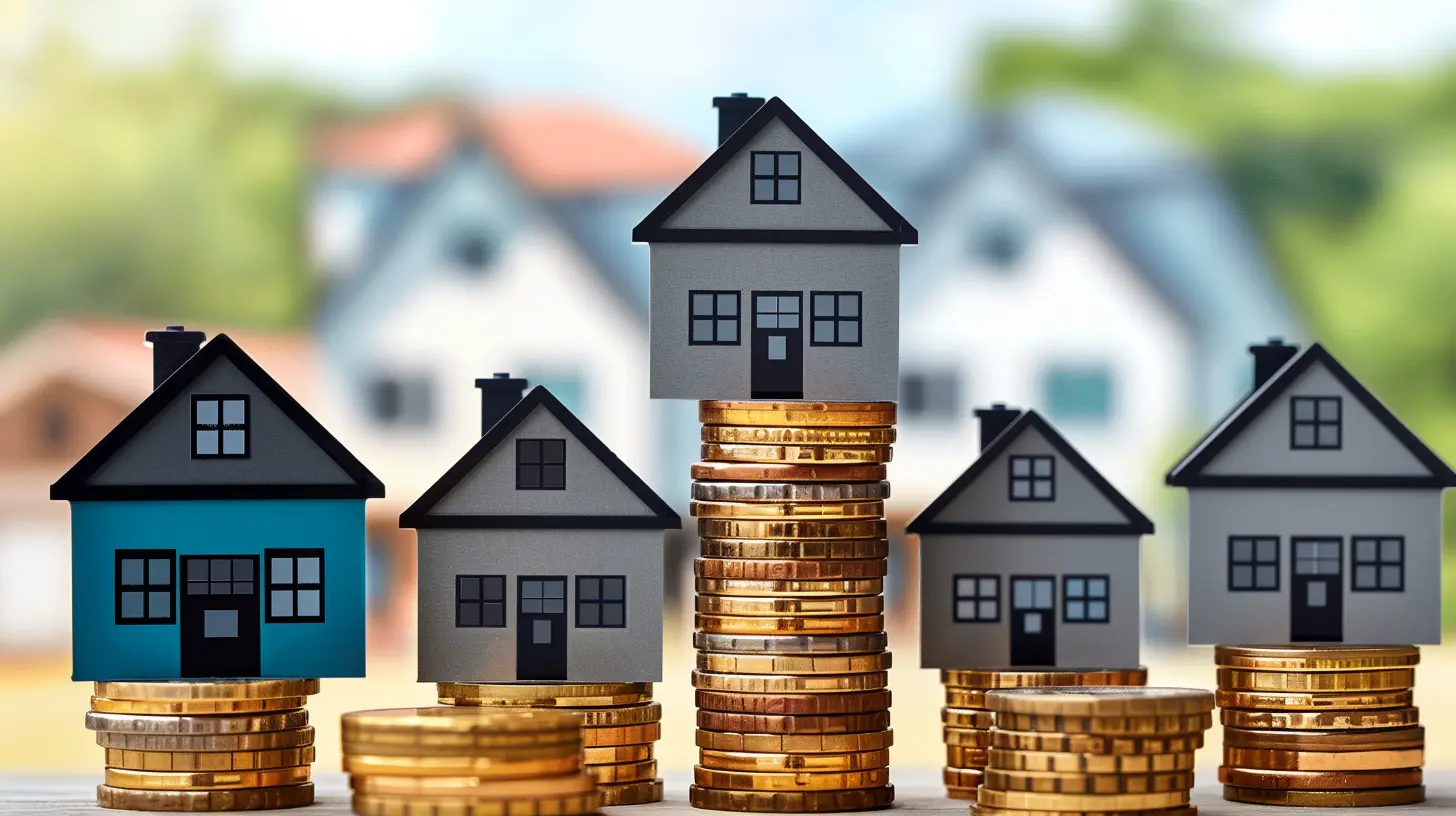
2. Assessing Market Conditions
Just like the stock market, real estate trends fluctuate. Agents assess whether it's a buyer’s market (where buyers have the upper hand) or a seller’s market (where sellers call the shots).Key factors affecting market conditions:
- Supply and Demand: More homes on the market = lower prices. Fewer homes available = bidding wars!- Interest Rates: Lower rates mean more buyers can afford bigger mortgages, increasing demand.
- Economic Trends: A strong economy can encourage homebuyers, while a downturn might slow things down.
A savvy agent monitors these conditions carefully to time your sale for maximum profit. 
3. Evaluating Your Home’s Condition and Features
Not all homes are created equal. Even within the same neighborhood, houses can have wildly different values. Here’s what agents consider when pricing your home:- Age and Condition: Newer homes (or well-maintained older homes) tend to fetch higher prices.
- Upgrades and Renovations: A remodeled kitchen? Hardwood floors? These can boost your home’s value.
- Curb Appeal: First impressions matter! A well-landscaped front yard can sway buyers.
- Unique Features: Swimming pools, finished basements, or smart home technology can add extra $$$ to your asking price.
That’s why a pre-listing inspection can be a smart move—you’ll know what repairs to tackle before buyers use them as bargaining chips.
4. Analyzing Seller Motivation
Every seller’s situation is unique. Some need to sell ASAP, while others can afford to wait. Your agent considers your goals to determine the best price strategy.Common seller motivations:
- Relocating for a job? A competitive price might be necessary for a quick sale.- No rush to move? Your agent might price slightly higher and wait for the perfect buyer.
- Financial stress? Selling quickly at a fair price might be more important than squeezing out every last dollar.
Your agent works with you to balance your timeline and profit expectations.
5. Pricing Psychology: Finding the Sweet Spot
Believe it or not, pricing a home involves a bit of psychology.The "99" Pricing Strategy
Ever noticed how items in stores are priced at $9.99 instead of $10? The same strategy works in real estate. A home listed at $499,900 feels more appealing than one at $500,000, even though there’s barely a difference.Staying in Search Brackets
Most buyers filter online searches by price ranges (e.g., $300K - $350K). If your home is priced at $355K, you might miss an entire group of buyers who capped their search at $350K.An agent strategically prices your home so that it appears in as many home searches as possible.
6. Testing the Waters with a "Coming Soon" Strategy
Some agents experiment with a "Coming Soon" listing before officially putting your home on the market. This helps gauge buyer interest and tweak the price before going live.It’s like a sneak peek at a movie—if there’s a lot of buzz, you might be able to bump up the price. If it’s crickets, it might be time to adjust expectations.
7. Adjusting Price Based on Buyer Response
Even with meticulous planning, sometimes a price tweak is necessary. If showings are slow or offers aren’t rolling in, your agent will reassess and suggest a price adjustment.Signs your home might be overpriced:
- Few showings or inquiries- No offers after weeks on the market
- Feedback from buyers saying, “It’s nice, but overpriced”
The longer a home sits unsold, the less desirable it appears to buyers. That’s why agents keep a close eye on market reactions.
8. Negotiation: The Final Piece of the Puzzle
After pricing your home correctly, the next challenge is negotiating offers. Buyers will likely try to haggle, so agents use their expertise to:- Counter lowball offers with reasonable responses
- Highlight your home’s value to justify the price
- Offer closing incentives instead of lowering the price outright
A good agent knows when to hold firm and when to compromise—keeping your best interests in mind.
Wrapping It Up
Pricing your home isn’t about guesswork. It’s a mix of market research, psychology, and strategy. A great real estate agent does their homework, crunches the numbers, and helps you list at a price that attracts buyers without leaving money on the table.Thinking of selling? Partnering with a knowledgeable agent ensures your home gets sold at the right price, in the right time frame, and with the least stress possible.
So, are you ready to dive into the market and sell your home the smart way? Reach out to a trusted real estate pro and start the process!
all images in this post were generated using AI tools
Category:
Real Estate AgentsAuthor:

Camila King
Discussion
rate this article
2 comments
Hesper Becker
Pricing a home is an art and a science. Real estate agents blend market data, local trends, and buyer psychology to craft the perfect price. It’s not just about numbers; it’s about telling your home’s unique story to attract the right buyers.
April 14, 2026 at 4:42 AM
Camila King
Absolutely, it requires a keen understanding of both data and emotion to effectively price a home. Balancing these elements helps showcase each property's unique appeal.
Ivan Cantu
Real estate agents utilize market analysis, neighborhood trends, and property condition to determine optimal pricing, ensuring your home attracts buyers while maximizing value.
April 13, 2026 at 4:39 AM
Camila King
You're right. A thorough market analysis and understanding of trends are key in setting the right price for a home. It really makes a difference in attracting buyers and getting the best value.