How Closing Costs Vary Between Residential and Commercial Real Estate
4 August 2026
When you're buying a property, whether it's a cozy home or a multi-unit commercial building, closing costs will always be part of the equation. These fees can add up quickly, and they vary significantly depending on whether you're purchasing residential or commercial real estate.
But why is that? Well, the difference boils down to the complexity of the transaction, the number of parties involved, legal requirements, and risk factors. Understanding these costs can help you better prepare for your real estate investment. Let's break it down in simple terms. 
What Are Closing Costs?
Before diving into the differences, let's start with the basics. Closing costs refer to the fees and expenses buyers and sellers must pay at the end of a real estate transaction. These costs cover everything from legal fees and loan origination charges to property appraisals and title insurance.For residential real estate, closing costs typically range from 2% to 5% of the purchase price. On the other hand, commercial real estate deals often carry much higher closing costs, sometimes reaching 4% to 7% of the total property cost due to the complexity of the transaction.
Now, let’s get into the details of how these costs differ between residential and commercial properties. 
1. Loan Fees & Interest Rates
One of the biggest factors influencing closing costs is the loan itself.Residential Real Estate Loans
For residential buyers, mortgages are relatively straightforward. Loan origination fees typically range from 0.5% to 1% of the loan amount. Interest rates are also usually lower, thanks to government-backed loan programs like FHA, VA, and conventional loans.Lenders in residential transactions often require an appraisal fee, credit check, and loan application fee. These costs are somewhat predictable and regulated, keeping surprises to a minimum.
Commercial Real Estate Loans
Here’s where things take a turn. Commercial loans are riskier for lenders, so they come with higher interest rates and more fees. Loan origination fees in commercial real estate can range from 1% to 3% of the total loan amount.Additionally, commercial buyers often deal with more complex financing arrangements, such as bridge loans or hard-money loans, which come with higher interest rates and additional legal costs. 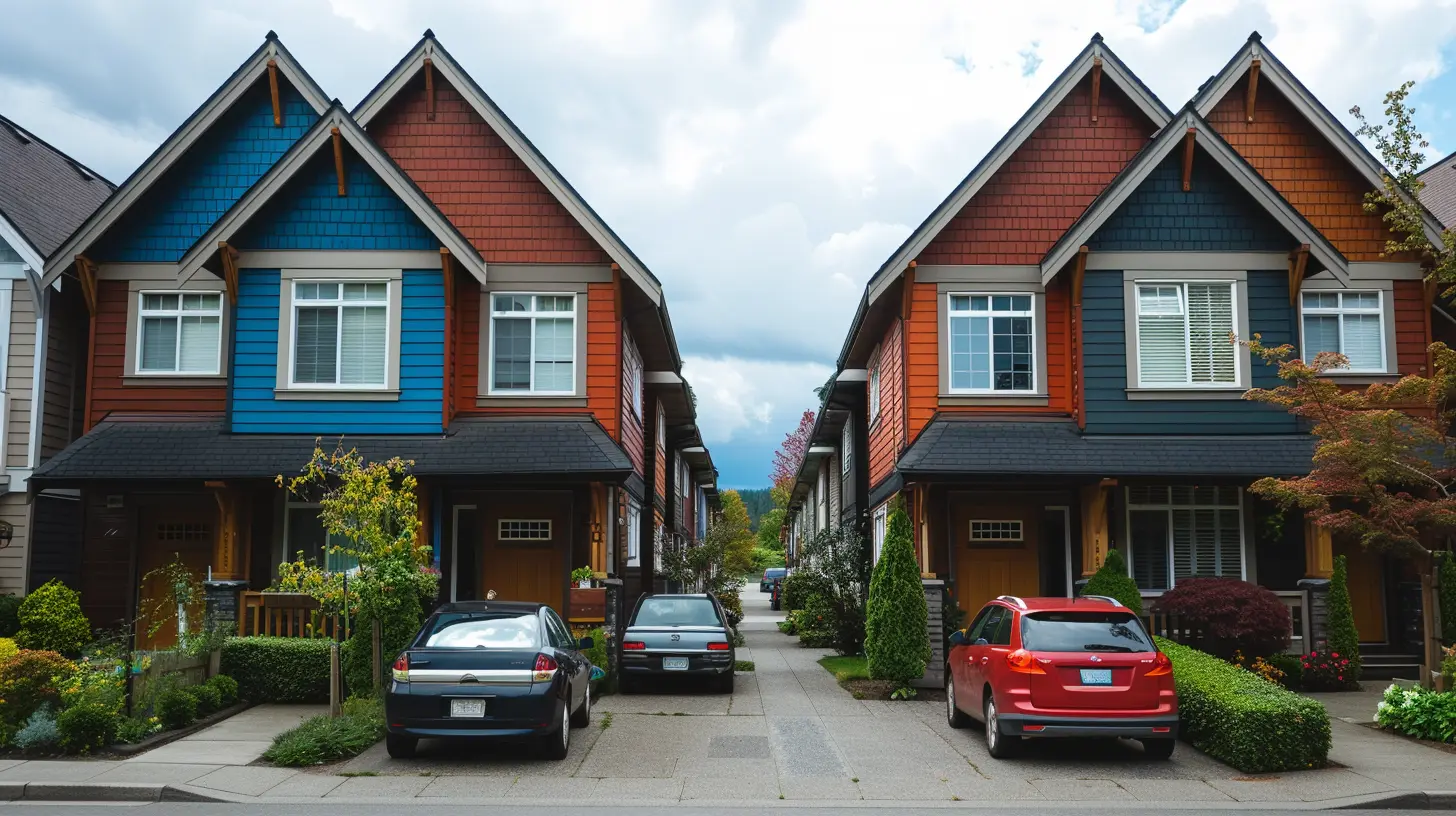
2. Appraisal Costs
Every lender requires an appraisal to determine the property's value, ensuring they don’t lend more than the property is worth.Residential Appraisal Fees
Residential appraisals are typically simple and standardized. They cost between $300 and $600, depending on the location and size of the home.Commercial Appraisal Fees
Commercial appraisals are a whole different ball game. They involve a deeper analysis of the property’s income potential, market value, and financial viability. Because of this added complexity, commercial appraisals can cost anywhere from $2,000 to $10,000, making them significantly pricier than residential appraisals.
3. Legal & Attorney Fees
Real estate transactions require plenty of legal paperwork, and that means attorney fees.Residential Transactions
When buying a home, legal fees are usually on the lower side. In many cases, real estate agents and title companies handle most of the paperwork, and attorney involvement is minimal. Legal fees for residential closings typically range from $500 to $1,500.Commercial Transactions
Commercial deals require specialized real estate attorneys, and their fees are significantly higher. These transactions involve lease agreements, zoning laws, environmental regulations, and due diligence, all of which demand extra legal scrutiny. Expect to pay $5,000 to $15,000 (or more) in legal fees for commercial property closings.4. Title Insurance & Title Search Fees
Title insurance protects buyers and lenders from ownership disputes and legal issues related to past property claims.Residential Title Costs
For residential transactions, title insurance typically costs 0.5% to 1% of the home’s value. The title search fee, which ensures the property doesn’t have any outstanding liens, ranges from $200 to $500.Commercial Title Costs
Commercial real estate transactions require extensive title searches due to higher financial stakes and multiple past owners or tenants. Because of this, title insurance for commercial properties tends to be higher, ranging from 0.7% to 1.5% of the property’s value. The title search fee itself can cost $1,000 or more, depending on the property's history.5. Inspection & Environmental Assessments
Property inspections ensure there are no hidden issues that could turn into costly surprises down the road.Residential Inspections
A standard home inspection costs between $300 and $700, covering basics like the foundation, plumbing, roofing, and electrical systems. Some buyers also opt for additional inspections like termite or radon testing, but overall, these costs remain relatively low.Commercial Inspections
Inspections for commercial properties involve structural assessments, HVAC system checks, zoning compliance, and environmental evaluations. In some cases, environmental assessments (like Phase I Environmental Site Assessments) are mandatory, especially if there’s a history of industrial use.Because of these complexities, commercial inspection costs can start at $2,000 and reach $20,000 or more, depending on the size and type of property.
6. Property Taxes & Transfer Fees
Another major part of closing costs is property taxes and government-imposed transfer fees.Residential Property Taxes & Fees
Property taxes vary by state and municipality, but homebuyers generally pay six months to a year of property taxes at closing. Additionally, transfer taxes may apply, ranging from 0.1% to 2% of the purchase price.Commercial Property Taxes & Fees
Commercial properties are taxed at higher rates than residential properties. Transfer taxes may also be significantly higher, sometimes exceeding 2% to 4% of the total purchase price. Additionally, many commercial buyers must pay business-related taxes and fees, adding to the closing costs.7. Escrow & Broker Fees
Closing costs often include broker commissions and escrow service charges.Residential Escrow & Broker Fees
Many residential buyers use an escrow service to hold funds until the deal is finalized. Escrow fees typically cost 1% to 2% of the purchase price. Additionally, real estate agent commissions (paid by the seller) are typically 5% to 6% of the home’s sale price.Commercial Escrow & Broker Fees
In commercial real estate, broker fees can be higher, ranging from 4% to 8% of the final purchase price. Escrow fees are also higher, sometimes reaching 2% to 3%, depending on the complexity of the transaction.Final Thoughts: Why the Costs Differ?
At the end of the day, closing costs are significantly different between residential and commercial real estate due to risk factors, legal complexity, property size, and financing requirements.Residential transactions are often straightforward and regulated, which keeps fees lower. Meanwhile, commercial deals involve more negotiations, legal scrutiny, and financial risks, causing closing costs to be much higher.
So, if you're planning to buy a property, whether it's a home or a commercial investment, understanding these closing fees ahead of time can help you budget smartly and avoid unexpected expenses.
all images in this post were generated using AI tools
Category:
Closing CostsAuthor:

Camila King