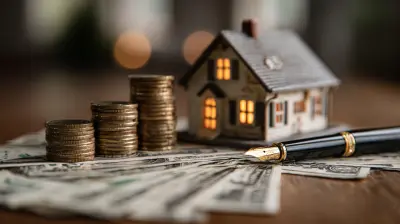
How Appraisal Costs Fit into Closing Costs
13 March 2026
Buying a home is an exciting journey, but it comes with a price—literally! One of the most common financial surprises for homebuyers is the collection of fees known as closing costs. And within those closing costs? Appraisal fees.
But how exactly do appraisal costs fit into the bigger financial picture of closing costs? That’s exactly what we’ll dive into today. So, grab a cup of coffee, sit back, and let’s break it all down in plain English.

What Are Closing Costs?
Before we zoom in on appraisal fees, let’s get a clear understanding of closing costs. These are the final expenses that buyers and sellers need to settle before the home officially changes hands. Think of them as the last hurdle before getting the keys to your dream home.Who Pays Closing Costs?
Both the buyer and the seller have their share of closing costs. However, in most cases, the majority of closing costs fall on the buyer. Sellers typically cover costs like agent commissions, while buyers are responsible for things like loan fees, title insurance, and—you guessed it—appraisal fees.How Much Are Closing Costs?
On average, closing costs range between 2% to 5% of the home's purchase price. So, for a $300,000 home, you could be looking at anywhere from $6,000 to $15,000 in closing costs.Now, let’s zoom in on a critical piece of that puzzle—the appraisal fee.
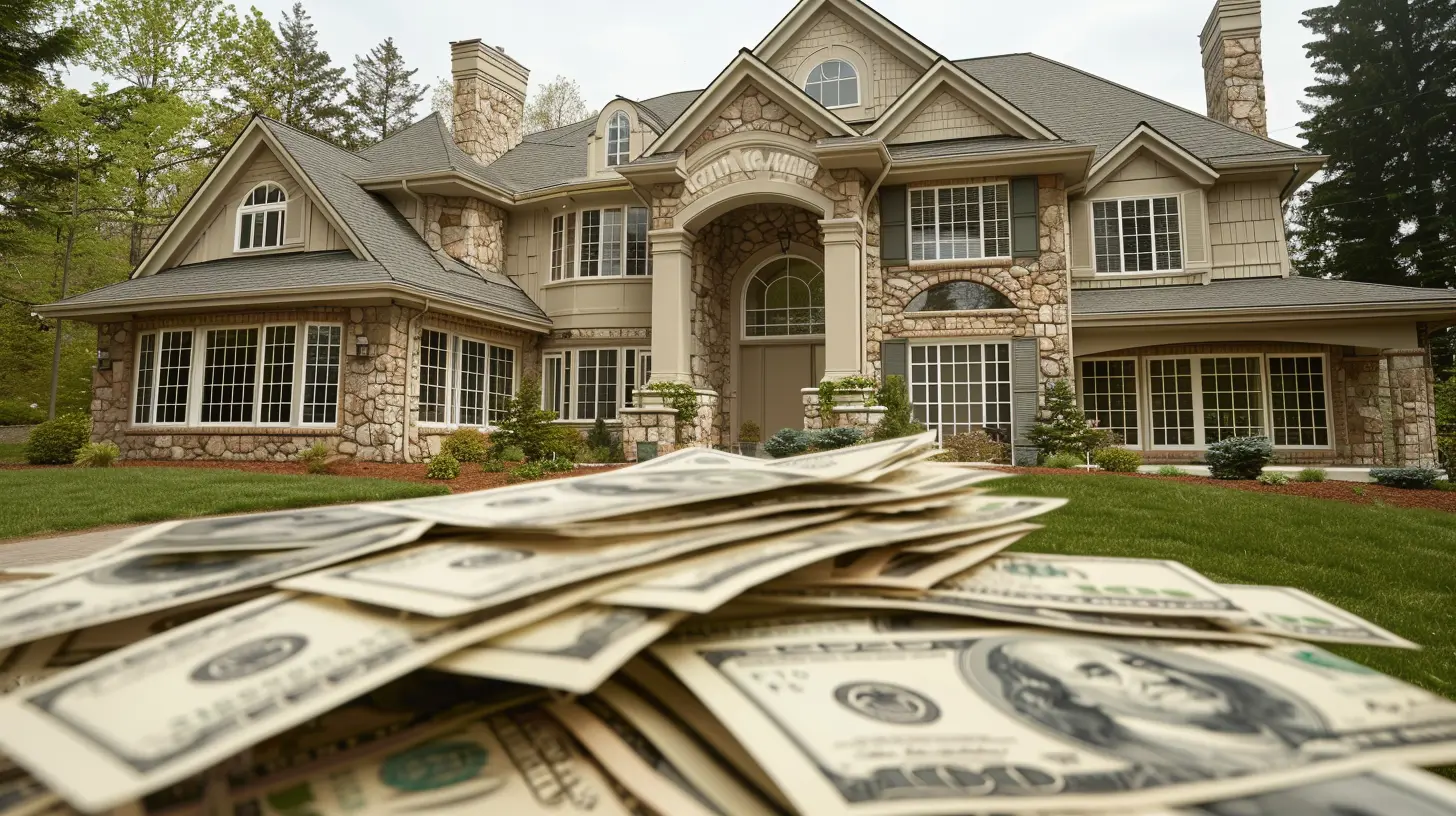
What Is a Home Appraisal?
A home appraisal is basically a professional value check on a property. Lenders want to ensure they’re not loaning you more money than the house is actually worth. The last thing they want is for you to default on your mortgage and leave them with an overpriced house they can’t sell.Who Conducts the Appraisal?
An appraisal is done by a licensed home appraiser. These professionals assess the home’s condition, location, and recent sales of similar homes in the area to determine its market value.Why Is an Appraisal Required?
If you’re taking out a mortgage, your lender will require an appraisal. It’s their way of making sure the home’s value aligns with the amount they’re lending you. If the appraisal comes in lower than expected, it could throw a wrench into your home-buying plans.
How Much Do Appraisals Cost?
So, let’s talk numbers. How much does a home appraisal actually cost?The price varies, but generally, you’re looking at $300 to $600 for a standard appraisal. However, this cost can climb higher for larger homes or in competitive markets.
Factors That Affect Appraisal Costs
A few factors influence the final price tag of your appraisal:1. Location: Appraisals in big cities typically cost more than in rural areas.
2. Property Size: Larger homes take longer to evaluate, meaning higher fees.
3. Property Type: Single-family homes cost less to appraise than multi-unit properties.
4. Market Demand: If appraisers are in high demand, prices increase.

Where Do Appraisal Costs Fit into Closing Costs?
Now that we know what an appraisal is and what it costs, let’s figure out how it fits into the bigger closing cost picture.Are Appraisal Fees Included in Closing Costs?
Yes! The appraisal fee is a standard part of closing costs. It’s listed as a separate line item on the Loan Estimate and Closing Disclosure forms provided by your lender.Do You Pay for an Appraisal Upfront or at Closing?
While appraisal fees are part of closing costs, they’re often paid separately—before closing. Many lenders require you to pay for the appraisal out of pocket at the time the service is performed. So, even though it’s considered a closing cost, don’t expect to pay for it on closing day.In some cases, if the lender covers it upfront, you’ll be reimbursing them at closing.
Can You Negotiate Appraisal Fees?
Unlike some closing costs (like lender fees or title insurance), appraisal fees aren’t typically negotiable. Since appraisers are independent professionals, their fees are fairly standardized based on location and property type.What Happens If the Appraisal Comes Back Low?
Here’s where appraisal costs truly matter. If your appraisal comes in lower than expected, it can create problems with your mortgage.Options If the Appraisal Is Low
If the home appraises for less than your purchase price, you have a few options:1. Renegotiate with the Seller: Ask the seller to lower the price to match the appraisal.
2. Pay the Difference: Cover the gap between the loan amount and the purchase price out of pocket.
3. Challenge the Appraisal: If you believe the appraisal was inaccurate, you can request a review.
4. Walk Away: If an agreement can’t be reached, you may have to cancel the deal.
This is why it’s crucial to budget wisely and ensure you’re financially prepared for unexpected bumps along the way.
Are Appraisal Costs Refundable?
Nope. Once the appraisal is completed, that money is gone. Even if the deal falls through, you don’t get that fee back. It’s a one-time service, and since it was performed, the appraiser has earned their fee.Ways to Reduce Closing Costs
Although appraisal fees aren’t negotiable, there are some ways to lower your overall closing costs:- Shop Around for Lenders: Some lenders charge fewer fees than others.
- Ask the Seller to Cover Some Costs: In a buyer’s market, you may be able to negotiate seller concessions.
- Consider a No-Closing-Cost Loan: These loans roll closing costs into your interest rate.
Final Thoughts
When budgeting for a home purchase, closing costs can feel like an unexpected gut punch—and appraisal fees are part of that hit. While appraisal costs are just one piece of the puzzle, they play a crucial role in determining whether your lender will approve your loan.So, before you start house hunting, make sure to factor in appraisal costs along with your down payment and closing expenses. Knowing what to expect will help you avoid surprises and make your home-buying journey smoother.
all images in this post were generated using AI tools
Category:
Closing CostsAuthor:

Camila King
Discussion
rate this article
2 comments
Juno Lewis
Understanding appraisal costs highlights the intricate financial web of homebuying.
March 16, 2026 at 9:47 PM
Camila King
Thank you! Understanding appraisal costs indeed reveals the complexities of homebuying and how every expense contributes to the overall financial picture.
Kira Pope
Appraisal costs might feel like a hidden fee, but honey, they're just part of the glamorous closing cost party—don't forget to RSVP!
March 16, 2026 at 5:49 AM
Camila King
Absolutely! Appraisal costs are indeed an essential part of the closing process, ensuring everything is in order for a smooth transaction. Thanks for the fun reminder!