How AI Is Transforming Virtual Real Estate Showings
18 August 2026
The real estate industry has always been about showing properties in the best possible light. For decades, that meant open houses, printed brochures, and a lot of driving between appointments. Then came the pandemic, and virtual showings went from a nice-to-have to a necessity almost overnight. But the first generation of virtual tours was clunky. Static 3D walkthroughs, grainy video calls, and poorly stitched panoramic photos left both buyers and agents feeling underwhelmed.
Now, artificial intelligence is changing that picture in fundamental ways. This is not about adding a chatbot to your website or auto-generating listing descriptions. The transformation is happening at the level of how properties are captured, rendered, personalized, and even interacted with in real time. Understanding these changes matters for anyone who buys, sells, or represents real estate, because the tools available today are not just faster versions of what came before. They are genuinely different in kind.
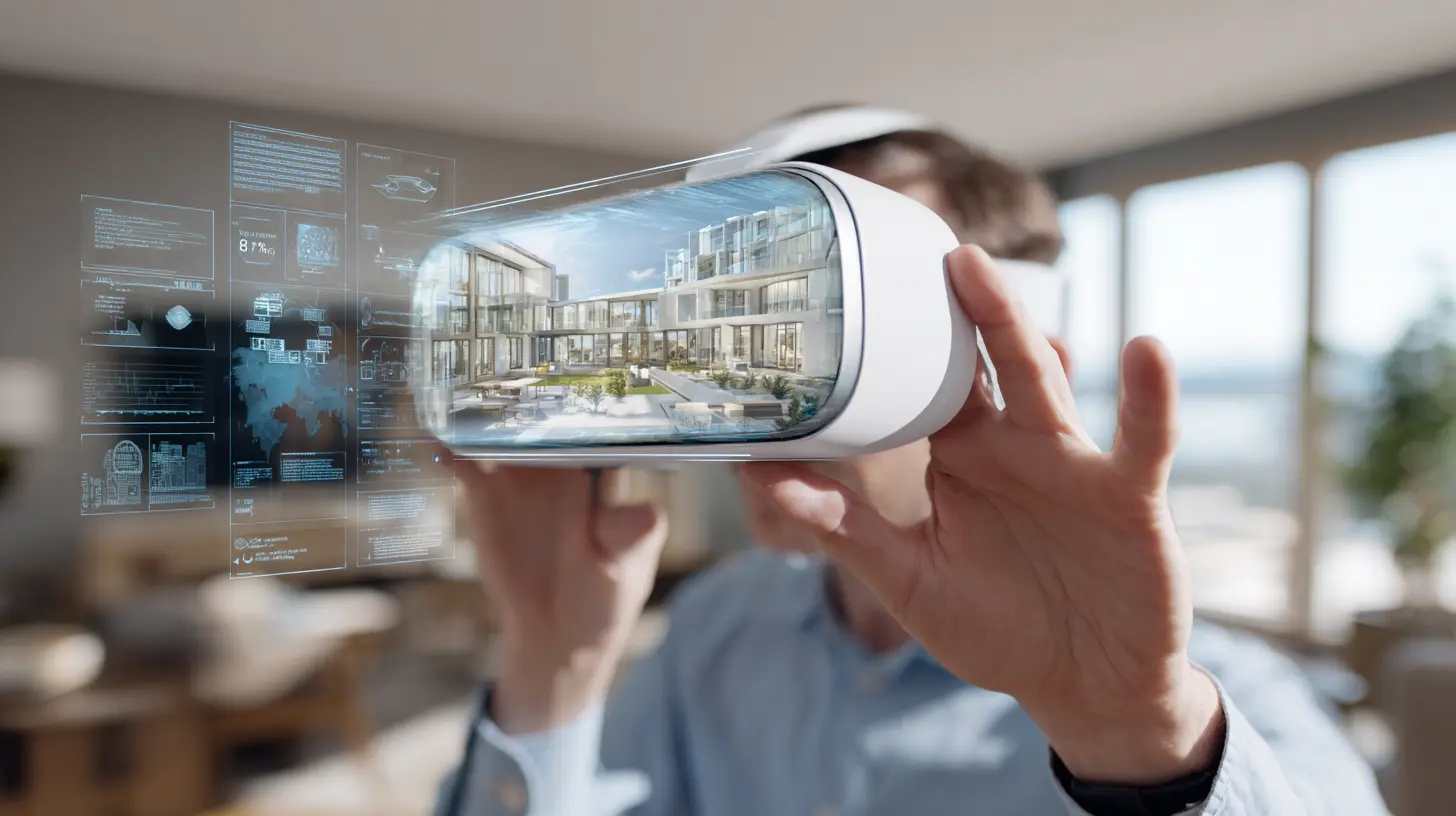
From Static Tours to Interactive Environments
The earliest virtual showings were essentially slideshows with a "next" button. Then came 360-degree cameras and platforms like Matterport, which allowed viewers to click through a property room by room. That was a real step forward, but the experience was still passive. You moved along a predetermined path. You could not ask questions. You could not see the property at different times of day. You could not move furniture around or visualize your own belongings in the space.AI changes the interaction model completely. Modern systems use neural networks to reconstruct a property in three dimensions from ordinary photos or video footage. The result is not a flat panorama but a navigable, depth-aware environment. You can walk through the living room, peek around corners, and get a genuine sense of scale. The AI does not just stitch images together; it understands the geometry of the space, identifies walls, floors, and ceilings, and fills in occluded areas with plausible detail.
What makes this different from earlier 3D tours is the level of interactivity. Some platforms now allow viewers to change the lighting in a room, swap out furniture, or even see how the property looks at different seasons. This is not a gimmick. For a buyer trying to imagine a dark basement as a home office, or a seller trying to make a small bedroom feel larger, the ability to manipulate the environment in real time is genuinely useful. It answers questions that static photos cannot.
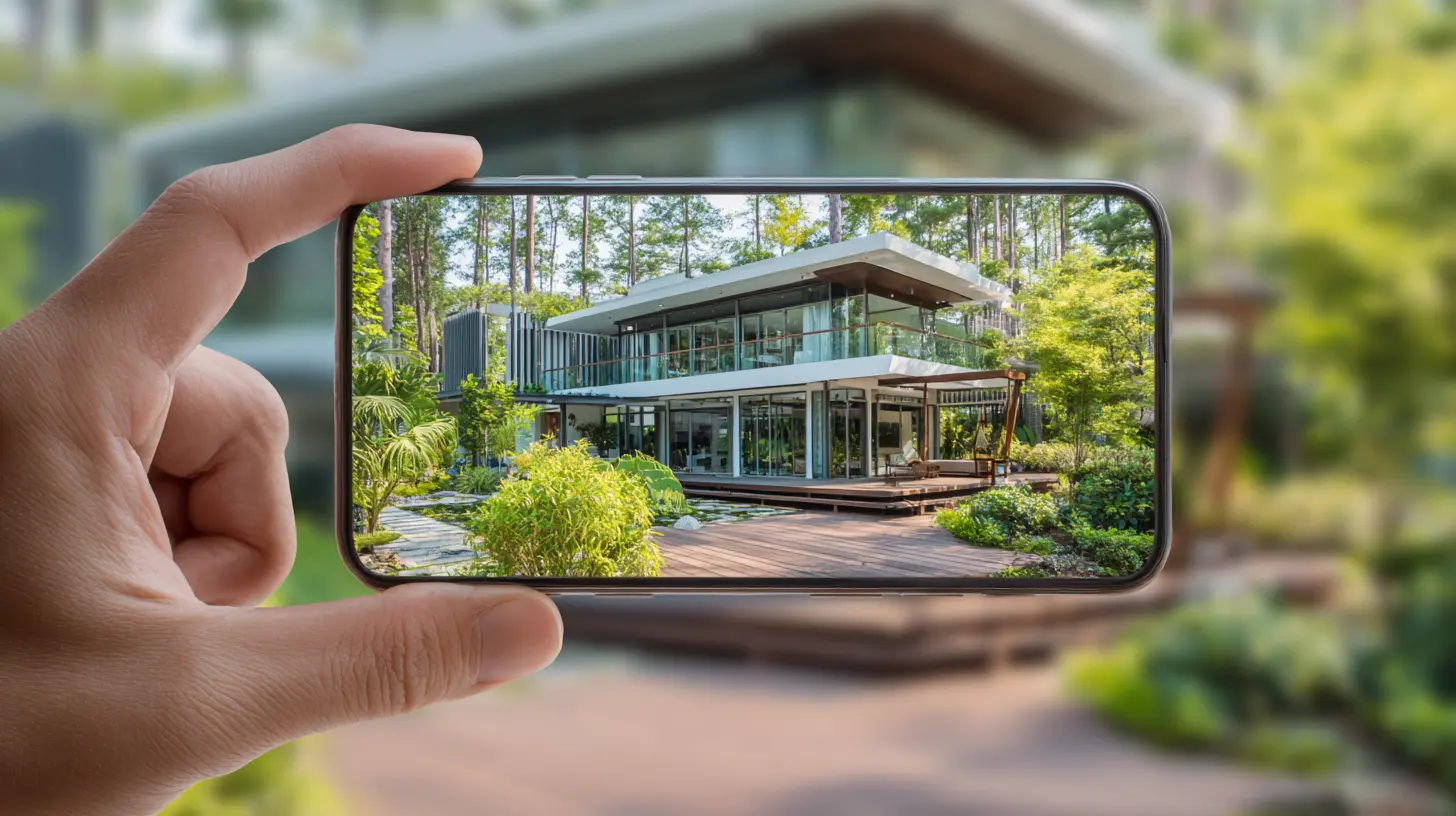
The Role of Generative AI in Staging and Rendering
Virtual staging has been around for a while, but it used to be a manual Photoshop job. A designer would take a photo of an empty room, drop in a sofa, adjust the shadows, and send it back. The process took hours and cost money per image. Generative AI has made this faster and more realistic, but it has also introduced new pitfalls.Modern AI staging tools can take a single photo of an empty room and generate multiple fully furnished versions in seconds. You can choose between a modern minimalist look, a cozy farmhouse style, or a mid-century aesthetic. The AI understands lighting, perspective, and material properties well enough to produce images that are often indistinguishable from photographs.
The trade-off here is authenticity. Buyers have become more skeptical of virtually staged listings, and for good reason. Some agents have pushed the technology too far, adding furniture that is physically impossible for the room, or using AI to remove walls and create open floor plans that do not exist. When a buyer shows up and the property looks nothing like the listing, trust is destroyed. That hurts the agent, the seller, and the broader market.
The best practice is to label virtual staging clearly and to use it as a supplement, not a replacement, for accurate representation. Show the empty room and the staged version side by side. Use AI to help buyers see potential, but never to mislead them about what is actually there. The technology is powerful, but it is a tool for communication, not deception.
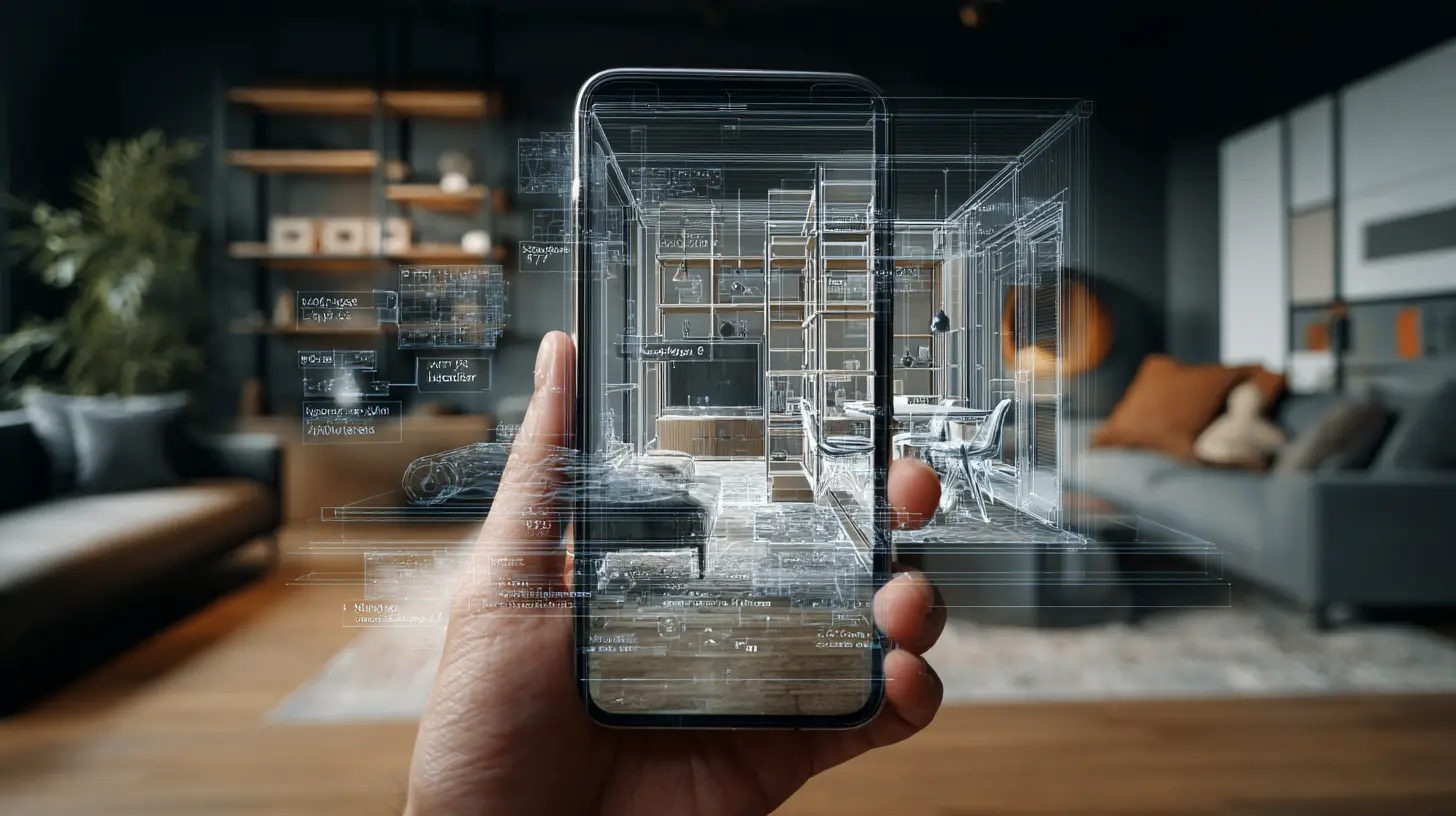
Personalized Tour Experiences
One of the most exciting developments is the ability to personalize virtual showings for individual buyers. In a traditional open house, every visitor sees the same thing. The agent might mention that the kitchen was recently renovated or that the roof is new, but the experience is uniform. AI changes that by learning what each buyer cares about and tailoring the tour accordingly.Consider a system that tracks how a buyer interacts with a virtual tour. Do they linger in the kitchen? Do they skip the backyard entirely? Do they zoom in on the flooring? Over time, the AI builds a profile of preferences. On the next tour, it can highlight properties with similar features, or within a single property, it can draw attention to the elements most likely to matter to that specific buyer.
This goes beyond simple recommendation engines. Some platforms are experimenting with conversational AI that can answer questions during a virtual tour. You might ask, "Is this wall load-bearing?" or "What is the ceiling height in the basement?" and receive an accurate answer based on the property data. This is not a canned FAQ response; the AI is pulling from the actual architectural data of the home.
The practical benefit is significant. Buyers can pre-screen properties more effectively, narrowing their list to a handful of serious candidates before ever getting in a car. Agents save time by showing only genuinely interested parties. And the buyer arrives at the physical showing with a deep understanding of the property, making the in-person visit more about verification and less about discovery.

Real-Time Collaboration and Remote Guidance
Virtual showings are not just for solo browsing. AI is enabling real-time collaboration between agents, buyers, and even remote family members. Imagine a buyer on a video call with their spouse who is in another city. Both are viewing the same virtual property simultaneously. The AI keeps them in sync, highlighting the same points of interest and allowing both to take notes that are saved to a shared document.This is particularly valuable for relocations, military families, and investors who buy properties sight unseen. An agent can guide a remote buyer through a property, using AI to point out details that might not be obvious in a standard tour. The agent can annotate the view, draw attention to potential issues, and answer questions in real time. The buyer feels like they are getting a personal tour, even from thousands of miles away.
The key to making this work is not just the technology but the workflow. Agents need to prepare for virtual showings with the same care they would bring to an in-person open house. That means having the property clean and well-lit, ensuring the internet connection is stable, and knowing how to use the AI tools fluidly. A virtual showing that is awkward or glitchy reflects poorly on the agent, regardless of the underlying technology.
The Impact on Buyer and Seller Behavior
AI-powered virtual showings are not just changing how properties are viewed; they are changing how decisions are made. Buyers who have access to rich, interactive virtual environments tend to be more confident in their choices. They have seen the property from every angle, tested the lighting, and explored the layout. The "surprise" factor at the physical showing is reduced, which is generally a good thing.For sellers, the benefits are equally clear. A well-executed virtual tour can attract serious buyers who might otherwise skip the listing. It also reduces the number of casual lookers who waste the seller's time. However, there is a risk of over-investing in virtual presentation. A stunning virtual tour cannot compensate for a property that is overpriced or in poor condition. The technology is an amplifier, not a substitute for fundamentals.
There is also a behavioral shift in how buyers approach the search process. With AI-powered tools, buyers can filter properties more aggressively based on their actual preferences, not just broad categories like price and bedrooms. They can search for homes with specific ceiling heights, particular natural light conditions, or even certain views from the kitchen window. This level of granularity was impossible with traditional listing portals.
Common Misconceptions About AI Virtual Tours
Several myths persist about AI in real estate showings, and they deserve clarification.The first misconception is that AI virtual tours are only for high-end luxury properties. In reality, the technology has become affordable enough for entry-level homes and rental listings. A basic AI-enhanced 3D tour can be created with a smartphone and a modest subscription fee. The cost is often less than a single traditional staging consultation.
The second misconception is that AI will replace the need for in-person showings. This is unlikely in the near term. Most buyers still want to physically walk through a property before making an offer. They want to feel the neighborhood, check the water pressure, and open the closets. AI virtual showings are best understood as a pre-screening tool, not a final decision mechanism. The goal is to make the in-person visit more efficient and more meaningful, not to eliminate it.
A third misconception is that AI-generated tours are somehow "fake" or less trustworthy than traditional photography. This depends entirely on how they are produced. When the AI is used to create an accurate, photorealistic representation of the property, it is no more deceptive than a well-taken photograph. The ethical issue arises when AI is used to manipulate reality, such as removing clutter or changing wall colors without disclosure. The technology itself is neutral; the responsibility lies with the user.
Practical Advice for Agents and Brokers
If you are an agent or broker looking to incorporate AI virtual showings into your workflow, there are several considerations to keep in mind.First, invest in the right tools but do not overbuy. Start with a platform that offers good quality 3D capture and basic AI enhancements. As you become comfortable, you can add features like virtual staging or conversational AI. The goal is to find tools that integrate smoothly with your existing CRM and listing platforms, so you are not juggling multiple disconnected systems.
Second, think about the buyer's journey from first click to final offer. A virtual tour is just one step in that journey. How does the buyer move from the tour to scheduling a physical showing? How do they save properties they like? How do they share them with family members? The best AI tools are those that reduce friction at every step, not just the initial viewing.
Third, be transparent about what the virtual tour shows. If the property is virtually staged, say so. If the lighting has been enhanced, mention it. Buyers appreciate honesty, and it protects you from liability. A buyer who feels misled will not only walk away from the deal but may also leave a negative review that damages your reputation.
Fourth, use the data that AI tools generate. Many platforms provide analytics on how viewers interact with your tours. You can see which rooms get the most attention, how long viewers spend on each section, and where they drop off. This information is gold for pricing, marketing, and even for advising sellers on which improvements to make before listing.
The Future of Virtual Showings
The pace of change in this space is rapid, and it is worth thinking about where things are headed. One likely direction is the integration of virtual and augmented reality. Instead of viewing a property on a screen, buyers may soon wear lightweight AR glasses that overlay digital information onto the physical world. Imagine walking through an empty home and seeing a virtual furniture layout projected onto the actual space, or pointing at a wall and instantly seeing its composition and insulation value.Another direction is the use of AI to generate predictive insights. Based on a buyer's preferences and behavior across multiple tours, the AI might suggest neighborhoods they have not considered, or flag properties that are likely to appreciate in value. This moves beyond showing a property to actually guiding the entire search strategy.
There is also the possibility of fully automated showings, where an AI agent conducts a tour without any human involvement. This could be useful for off-hours viewing or for international buyers in different time zones. The AI would be able to answer questions, provide detailed information, and even negotiate terms, all within a virtual environment. While this is not mainstream yet, the underlying technology is advancing quickly.
Balancing Technology with Human Judgment
For all the power of AI, the best real estate professionals understand that technology is a complement to human judgment, not a replacement. A virtual tour can show a buyer what a property looks like, but it cannot convey the smell of the garden, the sound of the neighborhood, or the feel of the doorknob. These sensory details matter, and they are part of what makes real estate an emotional decision as much as a rational one.The most effective approach is to use AI to handle the repetitive, data-intensive parts of the showing process, freeing up time for the personal interactions that build trust. The agent's role shifts from being a tour guide to being a consultant and advisor. They interpret the data, contextualize the information, and help the buyer make sense of what they are seeing. This is a higher-value role, and it is one that AI cannot easily replicate.
There is also a practical caution. AI tools are only as good as the data they are trained on. If the underlying property data is inaccurate, the virtual tour will be inaccurate. Agents should always verify the details that AI systems generate, from square footage to zoning restrictions. A small error in the data can lead to significant problems down the line.
Making the Decision to Adopt AI
For individual agents, the decision to adopt AI virtual showings is not just about staying current. It is about the quality of service you can provide to your clients. A buyer who can tour twenty homes virtually in an afternoon is going to be better informed than one who can only visit three in person. A seller whose listing includes an interactive 3D tour is going to attract more serious attention than one with flat photos.That said, not every situation calls for the most advanced technology. A simple, well-photographed listing might be sufficient for a rental property in a hot market. The key is to match the tool to the context. Over-engineering a basic showing can be as off-putting as under-delivering on a luxury property.
The cost of entry is low enough that most agents can experiment without significant risk. Start with one or two listings, get comfortable with the workflow, and gather feedback from clients. The insights you gain will help you refine your approach and decide where to invest further.
A Final Word on Ethics and Trust
The real estate industry runs on trust. Buyers trust that the property is as described. Sellers trust that the agent is working in their interest. Agents trust that the tools they use are accurate and reliable. AI introduces new opportunities for both transparency and manipulation, and the choice is ultimately a human one.The agents who will thrive in this new landscape are those who use AI to be more honest, more informative, and more responsive to their clients' needs. They will use virtual tours to show properties without exaggeration, to answer questions truthfully, and to help buyers make decisions they will not regret. That is the real promise of AI in real estate showings, not flashy graphics or automated responses, but a deeper level of service built on clarity and respect.
all images in this post were generated using AI tools
Category:
Virtual ToursAuthor:

Camila King