Exploring Dream Homes from Your Couch: The New Norm in Real Estate
14 August 2026
The idea of buying a home without ever stepping inside it used to sound reckless. For generations, the mantra was simple: you have to walk the floors, open the closets, and stand in the backyard to know if a house is right for you. That instinct is still valid, but the way we act on it has changed completely. Over the last several years, and especially since the pandemic shifted nearly every aspect of daily life, the process of finding and buying a home has moved decisively online. What started as a convenience for out-of-state buyers has become the default approach for millions of local buyers too.
This shift is not a passing trend. It is a structural change in how real estate operates, driven by better technology, changing buyer expectations, and a market that often moves faster than a weekend of open houses can accommodate. Understanding this new norm, and knowing how to use it wisely, is the difference between making a confident purchase and making an expensive mistake.
The Rise of the Virtual Home Search
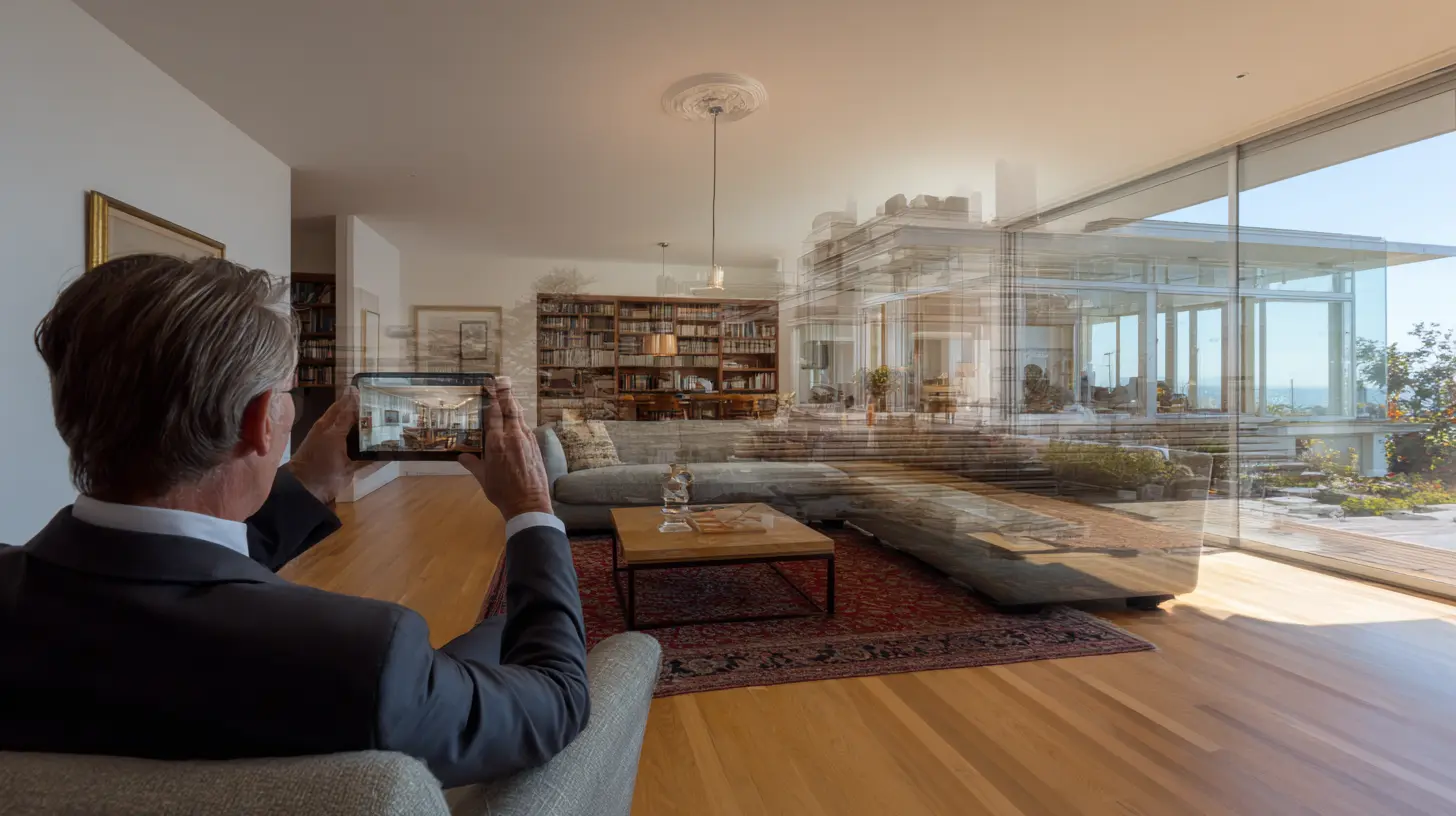
The first thing to understand is that virtual home shopping is not the same as looking at photos on a listing portal. That was the old version, and it still exists, but the current landscape is far more immersive. High-definition video walkthroughs, 3D floor plans, drone footage of the neighborhood, and live video tours with an agent on the other end of a phone have all become standard tools. These are not gimmicks. They are practical responses to real constraints.Consider the typical buyer today. They are often juggling a full-time job, family obligations, and a limited window of time on weekends. Driving across town to see five houses in one afternoon is exhausting, and most of those houses will be wrong for reasons that are immediately obvious. A virtual tour lets you filter out the wrong ones in minutes. You can see the cracked foundation, the awkward layout, or the tiny kitchen without leaving your kitchen. That is not a compromise. That is efficiency.
The deeper shift is in buyer psychology. People now expect to be able to make preliminary decisions without physical presence. This is not because they are lazy or careless. It is because the tools have become good enough to convey the essential character of a home. A well-shot video tour with natural lighting and a clear floor plan tells you more than a dozen blurry photos ever could. And when the tour is live, you can ask the agent to zoom in on a particular wall, open a cabinet, or walk out to the fence line. You are not passive. You are directing the experience.
Why Virtual Tours Actually Work
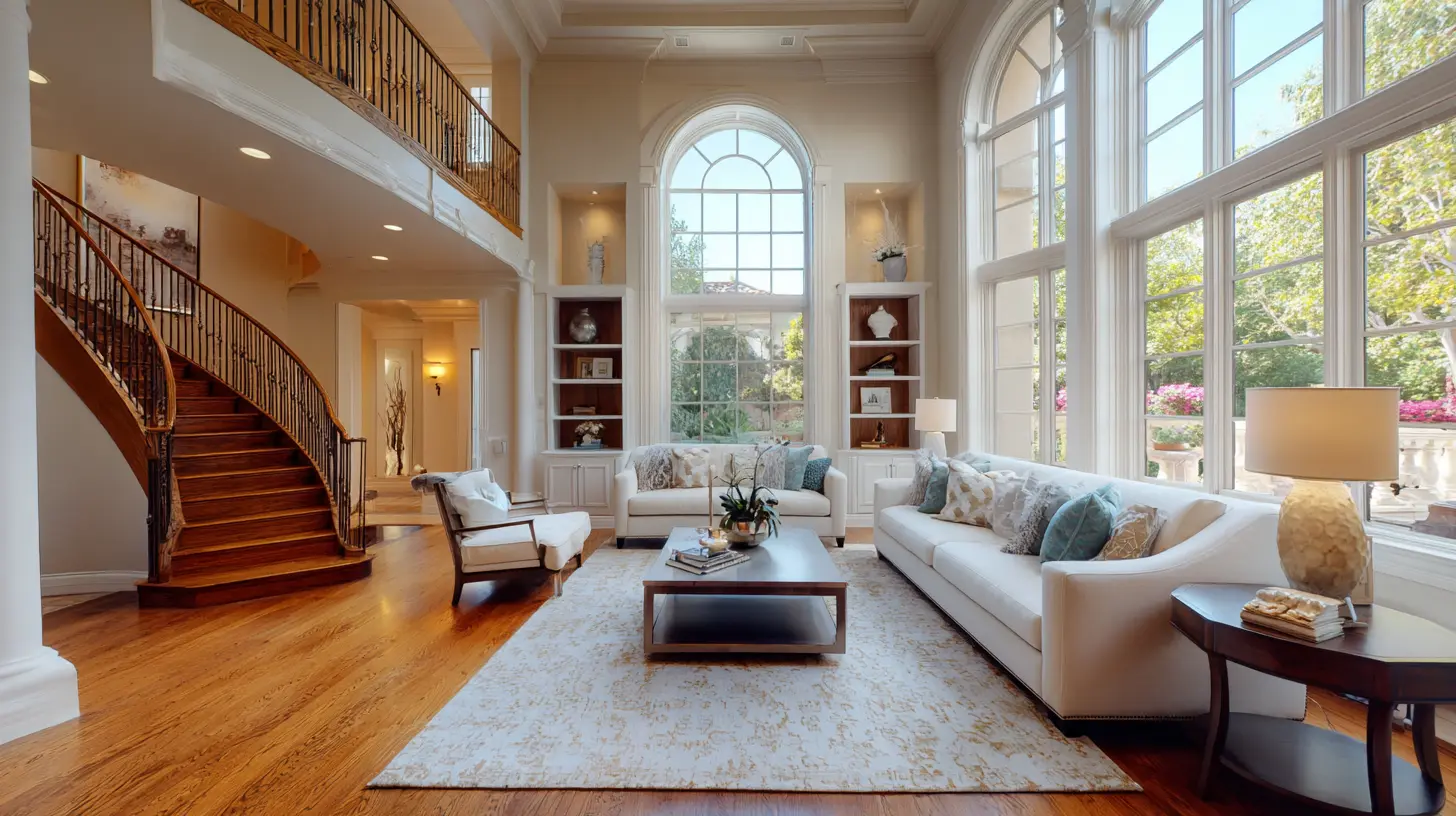
There is a common misconception that virtual tours are only useful for long-distance moves. That is not true. They are equally valuable for local buyers, and the reasons are practical rather than emotional. First, they compress the search timeline. Instead of spending three weekends visiting thirty homes, you can narrow the list to five or six that genuinely match your criteria. That means the homes you do visit in person are more likely to be serious contenders, and you will have more mental energy to evaluate them fairly.Second, virtual tours reduce the pressure of the first impression. When you walk into a home in person, you are bombarded with sensory information. Smells, noise from the street, the feeling of the carpet under your feet. All of that matters, but it can also overwhelm your judgment. A virtual tour strips away the distractions and lets you focus on the bones of the property. You can study the layout, measure the flow between rooms, and notice details that might escape you in person. That is a real analytical advantage.
Third, virtual tours are a powerful tool for comparison. When you see two homes on the same day, they start to blur together. With recorded video tours, you can go back and rewatch them side by side. You can pause, rewind, and compare the size of the primary bedroom or the condition of the roof. This kind of side-by-side analysis is nearly impossible to do well from memory alone. The technology gives you a more reliable basis for decision-making.

The Limits of the Screen
None of this means that screens can replace physical presence entirely. There are critical aspects of a home that no camera can accurately convey. The feel of the neighborhood, for example, is not just about the houses. It is about the sounds, the traffic patterns, the way people use their front yards, and the general energy of the street. A drone shot from above cannot tell you if the neighbors are loud or if the school drop-off line backs up past your driveway every morning.Similarly, the quality of light in a room is difficult to judge from a video. A camera can adjust for exposure, and the result is often a brighter, flatter image than what you would see with your own eyes. The same is true for space. Wide-angle lenses can make a small room look generous, and standard lenses can make a large room feel cramped. You need to be aware of these distortions and take them into account.
The most significant limitation is the inability to test the physical feel of the home. Doors that stick, windows that are difficult to open, floors that slope slightly, and the general solidity of the construction are all things you notice only when you are inside. A virtual tour will not show you that the basement has a persistent damp smell or that the plumbing makes a strange noise when you flush the toilet upstairs. These are the details that matter after you move in, and they require an in-person visit to assess.

When to Buy Without Visiting In Person
There are situations where buying a home without ever seeing it in person is not only acceptable but the best available option. The most obvious case is a relocation to a different city or state. If you have a limited window of time and a job start date that cannot move, you may not have the luxury of multiple visits. In that scenario, a thorough virtual tour combined with a professional inspection can be a responsible approach.Another case is the purchase of a new construction home from a reputable builder. Because the home has not been lived in, there is less uncertainty about hidden damage or neglect. You can review the floor plan, select your finishes, and rely on the builder's warranty. The risk is lower, and the virtual process works well.
A third case is the investment property. If you are buying a rental unit or a fixer-upper as part of a portfolio, you may be less concerned about the emotional fit and more concerned about the numbers. A virtual tour can give you enough information to evaluate the condition and make an offer, especially if you have a trusted contractor who can visit the property and provide a more detailed assessment.
In all of these scenarios, the key is to understand what you are giving up and to compensate for it. You should never skip the inspection, and you should always have a contingency in your contract that allows you to back out if something unexpected comes up. A good agent will help you structure the deal to protect you.
The Role of the Real Estate Agent in a Digital World
The rise of virtual home shopping has not made agents obsolete. If anything, it has made them more valuable, but in a different way. The agent's job is no longer just to open doors. It is to translate the digital experience into real-world understanding. An experienced agent can watch a virtual tour with you and point out things you might have missed. They can tell you whether the neighborhood is actually walkable to the grocery store or whether the school district boundary line is accurate.The best agents use virtual tools as a starting point, not an endpoint. They will encourage you to do your own research, but they will also provide context that you cannot get from a listing. They know the history of the area, the typical condition of homes in a certain price range, and the kinds of issues that tend to appear in a particular style of construction. That local knowledge is irreplaceable.
There is also a practical role for the agent in the virtual process. They can do a live video walkthrough on your behalf, asking the seller's agent specific questions and getting real-time answers. They can check the condition of the roof from the street, look at the grading around the foundation, and assess whether the exterior paint is peeling. This is not the same as being there, but it is a significant step up from relying solely on the listing photos.
Common Mistakes and Misconceptions
One of the most common mistakes buyers make is assuming that a virtual tour is an accurate representation of the home's condition. It is not. The tour is a marketing tool, and it is designed to make the home look as good as possible. That is not dishonest, but it is important to keep in mind. The camera will not linger on a water stain on the ceiling or a crack in the driveway. You have to be proactive about asking for those details.Another mistake is skipping the neighborhood research because you feel like you have already seen the home. The home itself is only half the equation. The neighborhood is the other half, and it is often more important in the long run. You can renovate a kitchen, but you cannot change the quality of the school district or the commute time. Spend as much time virtually exploring the surrounding area as you do looking at the house. Use street view, check crime maps, read local forums, and talk to people who live nearby if you can.
A third misconception is that virtual tours are only for tech-savvy buyers. In reality, they are simple to use, and the technology is accessible to almost everyone. If you can watch a video on your phone, you can take a virtual tour. The barrier is not technical. It is psychological. Some buyers feel that they are somehow cheating the process or that they will make a mistake if they do not see the home in person. That fear is understandable, but it is not rational. The process is what you make of it.
The Importance of a Professional Inspection
If there is one piece of advice that applies to every buyer in every situation, it is this: never skip the inspection. This is true whether you have visited the home ten times or zero times. The inspection is your only objective look at the condition of the property. The inspector will check the roof, the foundation, the electrical system, the plumbing, the HVAC, and a hundred other things that you would never notice on your own.For virtual buyers, the inspection is even more critical. Because you cannot see the home in person, you are relying on the inspector to be your eyes and ears. Choose an inspector who is willing to be thorough and who will provide a detailed report with photos. Ask them to pay special attention to the areas that are most likely to be hidden in a virtual tour. These include the attic, the crawl space, the exterior drainage, and the condition of the windows.
You should also consider a separate sewer line inspection if the home is older. This is a common source of expensive problems that are completely invisible in a virtual tour. The cost of the inspection is small compared to the potential cost of a failed sewer line, so it is a wise investment.
Making an Offer Based on Virtual Viewing
The process of making an offer on a home you have only seen virtually is not fundamentally different from making an offer on a home you have visited. The same rules apply. You need to know the market, understand the comparable sales, and be prepared to negotiate. The difference is that you have less direct information, so you need to build more protection into your offer.One way to do this is to include an inspection contingency with a clear timeline. This gives you the right to back out if the inspection reveals significant issues. You should also consider a financing contingency, especially if you are buying from out of state and are less familiar with the local lending environment. These contingencies are your safety net, and you should use them.
Another strategy is to make your offer contingent on a final walkthrough. This is standard in most transactions, but it is especially important when you have not seen the home in person. The walkthrough gives you one last chance to verify that the home is in the condition you expect before you close. If anything has changed, you can address it before you sign the final papers.
The Emotional Side of Buying Without Visiting
Buying a home is an emotional decision, and doing it from a distance adds a layer of anxiety. You are making one of the largest purchases of your life based on a video and a set of images. It is natural to feel uneasy about that. The key is to manage that anxiety rather than ignore it.One approach is to set clear expectations for yourself before you start the process. Accept that you will not have perfect information. No buyer ever does, even when they visit in person. The goal is not to eliminate all risk. It is to make a decision with your eyes open and to protect yourself as much as possible.
Another approach is to lean on your support network. Talk to friends or family members who have bought homes recently. Ask them about their experience, and specifically about what they wish they had known. You can also seek out online communities of buyers who are going through the same process. Sharing your concerns and hearing from others can make the experience feel less isolating.
The Future of Home Buying
The trend toward virtual home shopping is not going to reverse. The technology will only get better, and buyers will only become more comfortable with it. We are already seeing the integration of augmented reality, where you can place virtual furniture in a room to see how it fits. We are also seeing more sophisticated use of data, where you can get detailed information about a home's energy efficiency, maintenance history, and even the noise levels in the neighborhood.At the same time, the in-person visit will not disappear. There is a reason that almost every buyer who purchases a home virtually still tries to visit it before closing, even if it is just a quick drive-by. The physical connection to a home is important. It is the difference between looking at a picture of a place and standing in it. The two experiences are complementary, not competitive.
The smart buyer will use both. They will start with virtual tours to narrow the field, then visit the shortlist in person if at all possible. If they cannot visit, they will compensate with a thorough inspection and a careful review of all available data. They will not let the convenience of the couch replace the diligence of the professional.
Practical Tips for a Successful Virtual Search
If you are ready to start looking for a home from your couch, there are a few practical steps you can take to improve your chances of success. First, be honest with yourself about what you can and cannot evaluate from a screen. Make a list of your non-negotiables, and separate them into two categories: those that a virtual tour can confirm, and those that require an in-person visit. This will help you avoid wasting time on homes that look good online but do not meet your real needs.Second, use the virtual tour to your advantage by taking notes. Pause the video at key points and write down what you see. This is especially useful when comparing multiple homes. You will forget the details within a few days, but your notes will not.
Third, ask for the floor plan with dimensions. This is one of the most useful pieces of information you can get. It allows you to measure furniture, plan the layout, and understand the flow of the home in a way that video alone cannot convey. Most sellers are happy to provide it.
Finally, do not be afraid to ask for more video. If the tour does not show the garage, the backyard, or the basement, ask the agent to take additional footage. A good agent will be happy to oblige. The more information you have, the better your decision will be.
Balancing Speed and Caution
The current market is fast, and many buyers feel pressured to make decisions quickly. That pressure is real, but it should not force you into a bad decision. A home that seems perfect in a video can be deeply flawed in person. A home that seems average can be a hidden gem. The only way to know for sure is to do your due diligence.That means taking the time to review the inspection report, reading the seller's disclosures carefully, and asking questions about anything that is unclear. It also means being willing to walk away if something does not feel right. The cost of walking away is a lost opportunity. The cost of a bad purchase is far higher.
The best approach is to have a clear plan before you start. Know your budget, know your priorities, and know what you are willing to compromise on. Then use the virtual tools to move efficiently through the market, but do not let them lull you into a false sense of security. They are a starting point, not a conclusion.
The Bottom Line
The ability to explore dream homes from your couch is a genuine improvement in the way we buy real estate. It saves time, reduces stress, and opens up possibilities that were previously unavailable. But it is not a replacement for the fundamentals of a good purchase. You still need to understand the market, protect yourself with contingencies, and get a professional inspection.The buyers who succeed in this new environment are the ones who treat virtual tools as an addition to their toolkit, not a substitute for their judgment. They use the technology to gather information, but they make decisions based on a full picture of the property, the neighborhood, and their own needs. That is the standard to aim for.
So go ahead and start your search from the comfort of your own home. Enjoy the convenience and the access. But remember that the final step, the one where you commit to a place that will be part of your life, still deserves your full attention and care. The couch is a great place to start. It is not the place to finish.
all images in this post were generated using AI tools
Category:
Virtual ToursAuthor:

Camila King