Essential Tips for First-Time Investors in Multifamily Real Estate
4 February 2026
Investing in multifamily real estate can be a game-changer. It's one of the best ways to build wealth, generate passive income, and diversify your investment portfolio. But let’s be honest—jumping into multifamily real estate for the first time can feel overwhelming.
There are a lot of moving parts, from financing and property selection to tenant management and market research. If you're new to this space, don’t worry! This guide will walk you through everything you need to know to get started on the right foot. 
Why Invest in Multifamily Real Estate?
Before we dive into the nitty-gritty, let's talk about why multifamily real estate is such a smart investment for beginners.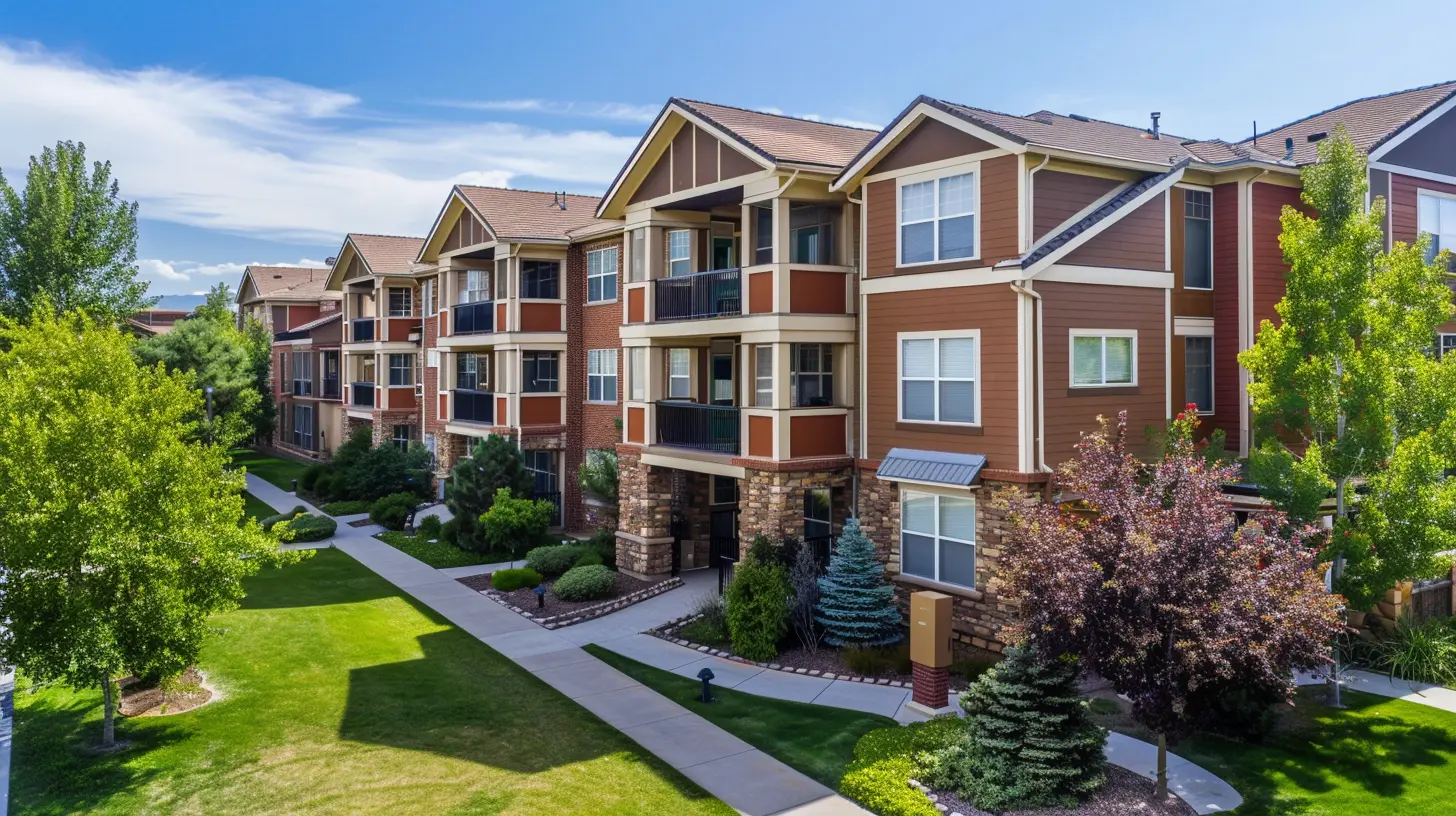
1. Steady Income Stream
Unlike single-family homes, multifamily properties generate multiple rental incomes from different units. Even if one unit is vacant, the others can still bring in money to cover expenses.2. Easier Financing Options
Believe it or not, lenders often prefer financing multifamily properties over single-family homes. Why? Because multiple units reduce the risk of total income loss, making the investment more stable in their eyes.3. Scalability
With a single purchase, you're acquiring multiple units, instantly growing your real estate portfolio. Instead of managing multiple single-family homes scattered in different locations, you have one property with multiple tenants under one roof.4. Tax Advantages
Multifamily investors can take advantage of various tax benefits, including depreciation, mortgage interest deductions, and cost segregation. These perks can save you thousands of dollars in taxes each year.Now that you're convinced multifamily investing is the way to go, let’s get into the must-know tips for first-time investors. 
Essential Tips for First-Time Multifamily Real Estate Investors
1. Start with the Right Mindset
Multifamily investing isn’t a get-rich-quick scheme. It takes time, patience, and a willingness to learn. Approach this with a long-term perspective and understand that challenges will come along the way.2. Do Your Market Research
Not all markets are created equal. Some areas have high rental demand, while others may have an oversupply of apartments, leading to high vacancy rates. Before investing, consider:- Job market growth – Cities with expanding job opportunities attract more tenants.
- Population trends – A growing population means more demand for housing.
- Neighborhood quality – Areas with good schools, transportation, and low crime rates attract quality tenants.
Pro tip: Check out rental demand by looking at local vacancy rates. A lower vacancy rate means a better investment opportunity.
3. Set a Budget and Stick to It
Figure out how much you're willing to invest and stick to your budget. Remember, your real estate investment should make financial sense. Consider:- Down Payment – Typically, 20-25% is required for a multifamily loan.
- Ongoing Expenses – Think property management, maintenance, taxes, and insurance.
- Emergency Funds – Set aside extra cash for unexpected repairs or vacancies.
Budget wisely, so you don’t end up financially stretched.
4. Understand the Different Types of Multifamily Properties
Multifamily real estate comes in different shapes and sizes. Knowing what you're getting into helps you make a smart choice.- Duplex (2 units): Great for beginners, offering manageable risk.
- Triplex or Fourplex (3-4 units): Still considered residential properties (easier financing), yet they provide more rental income.
- Small Apartments (5-50 units): Requires commercial financing but offers higher income potential.
- Large Apartment Complexes (50+ units): Best suited for experienced investors with a strong financial backing.
If you’re just starting, a duplex or fourplex might be your best bet—it’s a great way to ease into multifamily investing.
5. Get Pre-Approved for Financing
Unless you're paying all cash, you'll need financing. Getting pre-approved for a loan gives you a clear idea of how much you can afford and makes your offer more competitive.Common financing options include:
- Conventional Loans – Best for smaller properties (2-4 units).
- FHA Loans – Allows lower down payments, great for owner-occupants.
- Commercial Loans – Ideal for larger multifamily investments (5+ units).
- Seller Financing – Some sellers may offer financing, reducing the need for a bank loan.
Talk to multiple lenders to find the best loan terms.
6. Analyze the Numbers (Cash Flow Matters!)
The key to a successful investment is positive cash flow. Before buying, you need to analyze the financials.Key metrics to consider:
- Gross Rent Multiplier (GRM): Property price ÷ Annual rental income (Lower is better).- Net Operating Income (NOI): Total income – Operating expenses.
- Cap Rate (Capitalization Rate): NOI ÷ Property price (Higher cap rates = better returns).
- Cash-on-Cash Return: Annual cash flow ÷ Total cash invested (Aim for at least 8-12%).
Run the numbers before making any decision. Don't rely on gut feelings—let the math guide you!
7. Hire a Property Manager (If Needed)
Managing tenants, handling repairs, and collecting rent can be stressful—especially if you're new to real estate. A property manager takes care of the day-to-day, allowing you to focus on growing your investment.Property managers typically charge 8-12% of the monthly rent, but they can:
- Find and screen tenants
- Handle maintenance and repairs
- Collect rent and deal with late payments
- Enforce lease agreements
It’s an added expense, but a good property manager can make your life much easier.
8. Perform a Thorough Property Inspection
Never buy a property without getting a professional inspection! Hidden issues like structural damage, plumbing problems, or faulty electrical systems can cost you thousands down the line.Inspect for:
- Foundation cracks
- Roof condition
- Plumbing and electrical systems
- HVAC systems
- Signs of mold or water damage
A detailed inspection ensures you’re not walking into a money pit.
9. Have an Exit Strategy
What’s your long-term plan? Whether you're planning to hold the property for passive income, sell it for a profit, or refinance and reinvest, you need a solid exit strategy.Common exit strategies:
- Buy and Hold: Keep the property for long-term rental income.
- Fix and Flip: Improve the property and sell it for a higher price.
- BRRRR Method: Buy, Rehab, Rent, Refinance, Repeat.
Having an exit plan helps you make better decisions along the way. 
Final Thoughts
Investing in multifamily real estate can be intimidating at first, but with the right knowledge and preparation, it can be one of the best financial decisions you ever make. By understanding the market, crunching the numbers, and being strategic about your investment, you’ll be well on your way to building long-term wealth.So, are you ready to take the plunge into multifamily real estate? With these essential tips, you’re now equipped to make smart investment moves. The key is to start small, learn as you go, and stay patient—because in real estate, success rewards those who play the long game.
all images in this post were generated using AI tools
Category:
Multifamily PropertiesAuthor:

Camila King
Discussion
rate this article
2 comments
Jack McGhee
Great tips! As a first-time investor, I found the insights on market research and cash flow crucial. Multifamily real estate can feel daunting, but with the right guidance, it’s an exciting journey. Can’t wait to dive in!
February 11, 2026 at 11:59 AM
Camila King
Thank you for your kind words! I'm glad you found the tips helpful. Best of luck on your multifamily investment journey!
Uri Mitchell
Investing in multifamily? Remember: less drama than reality TV, more cash than a sitcom!
February 4, 2026 at 8:41 PM
Camila King
Absolutely! Multifamily investing can be a rewarding venture with less drama and more financial potential. Great analogy!