Essential Questions to Ask Before Renting Student Accommodation
14 June 2026
Finding the right student accommodation is a crucial step in your academic journey. The wrong choice can lead to sleepless nights, unnecessary stress, and a drain on your bank account. But don’t worry—I’ve got your back! Before you sign that lease or hand over a deposit, ask these essential questions to ensure you make an informed decision. 
1. What's Included in the Rent?
Not all rental agreements are created equal. Some landlords include utilities like electricity, water, and Wi-Fi in the rent, while others leave you to sort them out separately.Why It Matters:
Unexpected expenses can mess up your budget faster than you can say “overdraft.” Imagine moving in, only to find out that the rent doesn’t include heating, and suddenly, your winter months get a whole lot colder—both literally and financially.Pro Tip:
Ask for a breakdown of all costs upfront. If utilities aren’t included, get an estimate of how much they’ll cost monthly.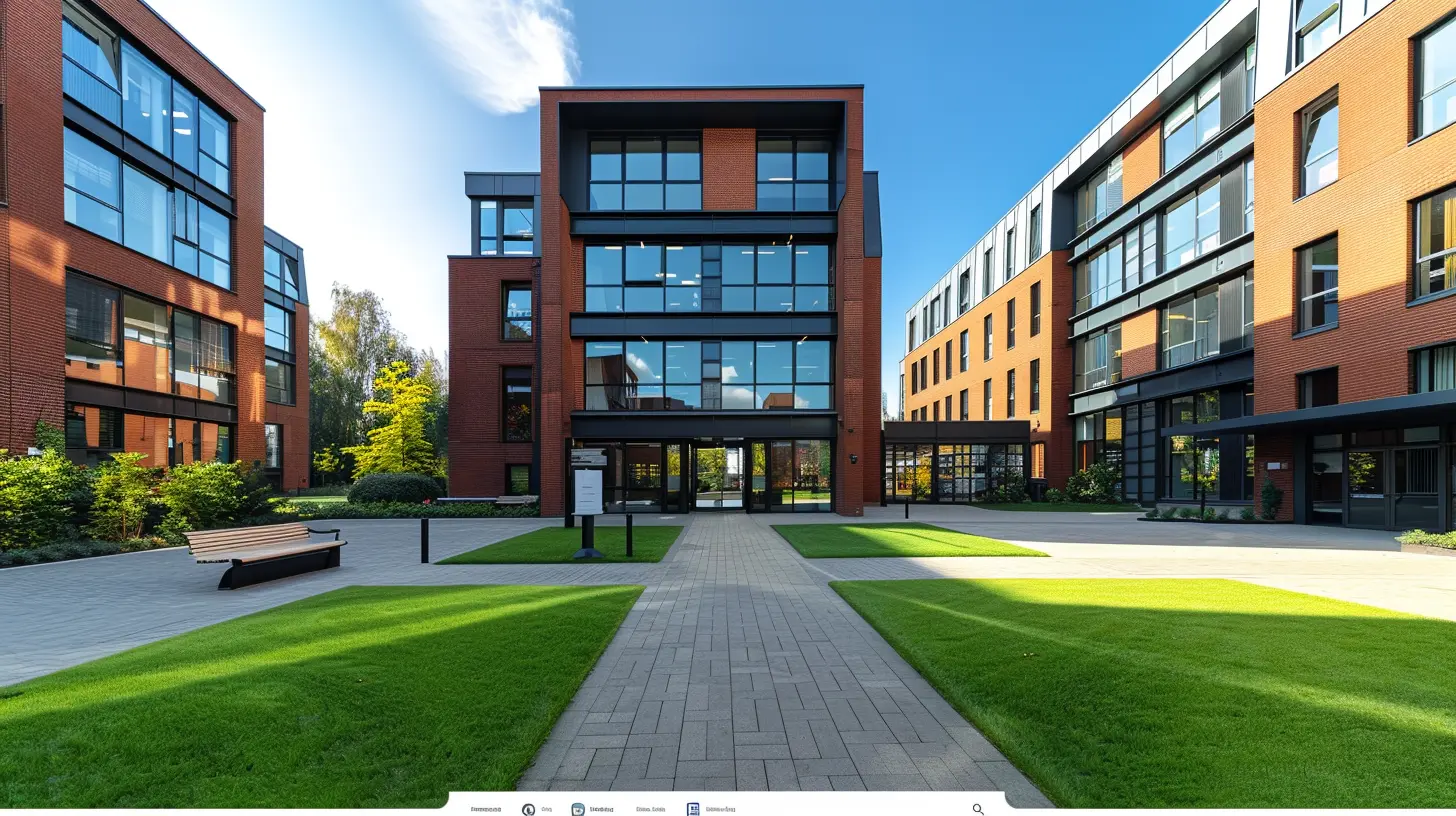
2. How Secure Is the Property?
Your safety should always be a top priority. A cheap place is no good if you feel unsafe every time you come home late from a study session or night out.Key Security Factors to Consider:
- Are there secure locks on all doors and windows?- Is there a burglar alarm or CCTV?
- How well-lit is the surrounding area at night?
- Are there secure entry points (like key fobs or intercoms)?
Pro Tip:
Visit the property during the evening to get a feel for the neighborhood’s safety.
3. What’s the Condition of the Property?
You don’t want to move into a place that looks great in photos but turns out to be a mold-infested, damp nightmare.What to Check:
- Are there signs of dampness or mold?- Do all appliances work properly?
- Are the walls, ceilings, and floors in good shape?
- Is there adequate heating and ventilation?
Pro Tip:
Take a close look at the bathroom and kitchen—these are usually the first places to show problems like leaks or poor maintenance.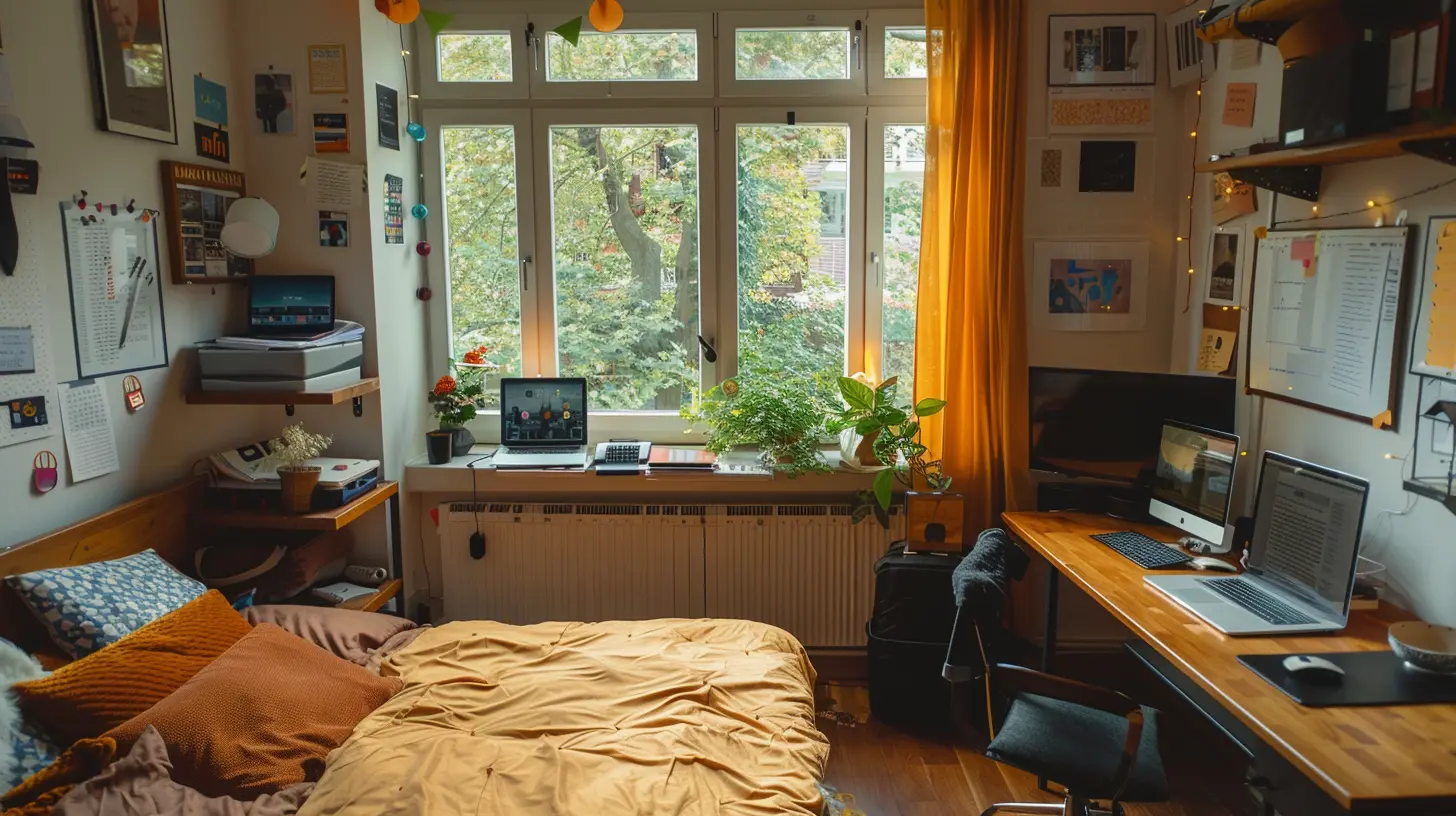
4. How Close Is It to Campus and Amenities?
Living far from university might save you a few bucks on rent, but if it means spending more on transport and wasting time commuting, is it really worth it?Consider These Factors:
- Walking distance or direct transport links to campus- Proximity to grocery stores, pharmacies, and hospitals
- Nearby entertainment, restaurants, or student-friendly pubs
- Availability of safe bike storage if you cycle
Pro Tip:
Use Google Maps to check commute times before you commit.5. What Are the Rules on Guests and Overnight Stays?
Some landlords or student accommodations have strict policies regarding guests or overnight visitors. If you plan on having friends or family over frequently, this is something you’ll want to clarify.Things to Ask:
- Are guests allowed to stay overnight?- Is there a limit on how long they can stay?
- Do you need to inform the landlord in advance?
Pro Tip:
If you have a significant other who might stay over regularly, ensure there won’t be any issues with roommates or the landlord.6. Who Are the Other Tenants or Roommates?
If you're renting a shared house or student accommodation, knowing who you’ll be living with can make all the difference between a great experience and a nightmare.What to Ask:
- How many people live in the property?- What are their lifestyles like? (Early risers, night owls, party-goers, etc.)
- Have there been past issues among tenants?
Pro Tip:
If possible, meet your potential roommates before signing anything. A quick chat can reveal a lot about compatibility.7. What Are the Contract Terms?
Leases can be filled with confusing jargon, hidden fees, and tricky clauses. Never sign anything without reading every detail.Key Contract Details to Check:
- Length of the lease (Is it a fixed contract or rolling?)- Deposit amount and conditions for getting it back
- Early termination policies (Can you leave early if you find a replacement?)
- Any hidden fees for maintenance or admin charges
Pro Tip:
If anything seems fishy, ask for clarification. If the landlord hesitates or gets defensive, that’s a red flag.8. How Responsive Is the Landlord or Property Manager?
A good landlord can make your life easy, while a bad one can make even minor problems feel like a headache.What to Ask:
- How do you report maintenance issues?- What’s the typical response time?
- Are repairs included in the rent, or is there an extra charge?
Pro Tip:
Try contacting them with a question before renting. If they take forever to respond now, imagine how long they’ll take when you have a broken heater in winter!9. Is There a Council Tax or Additional Fees?
If you’re a full-time student in some countries, you might be exempt from council tax. However, mixed-tenant properties (with non-students) may require payment.What to Ask:
- Is council tax included or exempt for students?- Are there any additional charges for maintenance, parking, or garbage collection?
Pro Tip:
Check local council websites to confirm student tax exemptions and avoid any surprise bills.10. Can You Personalize the Room?
Adding personal touches can make a place feel like home, but some landlords have strict rules against decorating.Must-Know Details:
- Can you put up posters or photos on the walls?- Are small changes like painting or adding shelves allowed?
- Will you lose your deposit for minor alterations?
Pro Tip:
If you can’t make changes, temporary decorations like fairy lights, rugs, and removable wall hooks can do wonders!11. What’s the Neighborhood Like?
A place may look perfect on the inside, but if the neighborhood isn’t student-friendly, your experience could be a nightmare.What to Consider:
- Noise levels—Is it a party area or a quiet residential street?- Community vibe—Are there other students nearby?
- Crime rates—Check local stats for safety concerns.
Pro Tip:
Talk to current tenants or neighbors to get a real sense of what living there is like.Final Thoughts
Renting student accommodation is a big decision, and rushing into it without asking the right questions can land you in a tricky situation. Taking the time to check everything mentioned above will help you find a place that suits your needs, budget, and lifestyle.So, before you sign that contract, arm yourself with the right questions and make sure you’re getting the best deal possible—your future self will thank you!
all images in this post were generated using AI tools
Category:
Student HousingAuthor:

Camila King
Discussion
rate this article
1 comments
Jonah McNeal
Before you sign that lease, consider the whispers of the walls, the stories of the halls. Will comfort embrace you? Is community a heartbeat nearby? Each question shapes your journey, crafting the home that fuels your dreams. Choose wisely...
June 27, 2026 at 12:11 PM
Camila King
Great point! The atmosphere of a place can really impact your experience. Take the time to find a space that feels right for you.